
Latest Articles
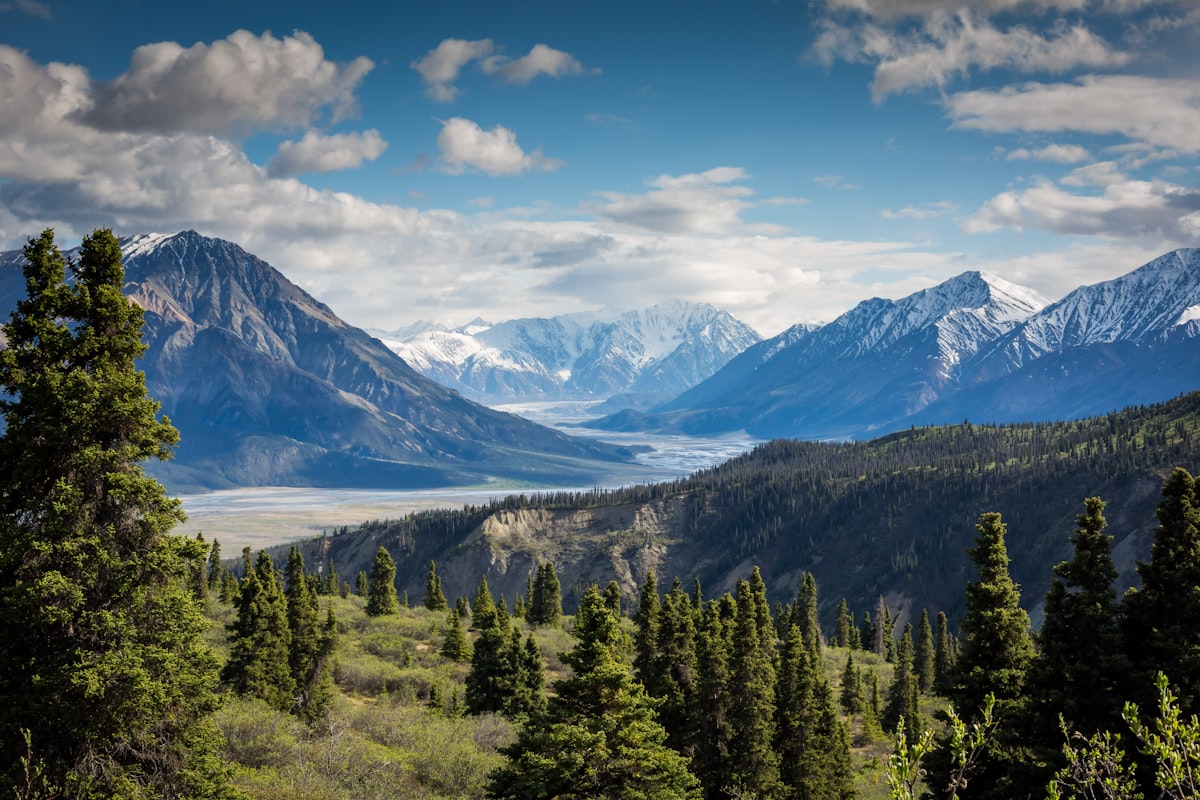
Panoramic Photography: Stitching Multi-Row Panoramas
Single-row panoramas stitch a horizontal sweep into a wide image. Multi-row panoramas go further — stitching a grid of images that covers both horizontal and vertical space. The result is an image with massive resolution, full coverage of the scene, and creative possibilities that single exposures can’t match. Why Multi-Row Panoramas Resolution A single frame from a 45-megapixel camera gives you 45 megapixels. A 4x6 grid of overlapping frames from the same camera, stitched together, can produce an image exceeding 500 megapixels.
Using Graduated ND Filters in the Field
The fundamental challenge of landscape photography is dynamic range. The sky is often several stops brighter than the foreground, especially at sunrise and sunset. Your eyes handle this effortlessly. Your camera does not. Graduated neutral density filters solve this problem at the point of capture. What They Do A graduated ND filter is dark on one half and clear on the other, with a transition zone between them. You position the dark portion over the bright sky and the clear portion over the darker foreground.
Understanding Hyperfocal Distance for Razor-Sharp Landscapes
Front-to-back sharpness is one of the defining characteristics of strong landscape photography. Achieving it consistently requires understanding hyperfocal distance, a concept that sounds more complicated than it actually is. What Hyperfocal Distance Means The hyperfocal distance is the focus point that maximizes your depth of field for a given aperture and focal length. When you focus at the hyperfocal distance, everything from half that distance to infinity falls within acceptable sharpness.

Blue Hour Photography: The Overlooked Golden Time
Every photographer knows golden hour. Far fewer make deliberate use of blue hour — the period of deep twilight before sunrise and after sunset when the sky turns a rich, saturated blue. This overlooked window produces some of the most atmospheric landscape images possible, with a color palette and mood that no other time of day can match. When Blue Hour Happens Blue hour occurs when the sun is between 4 and 8 degrees below the horizon.
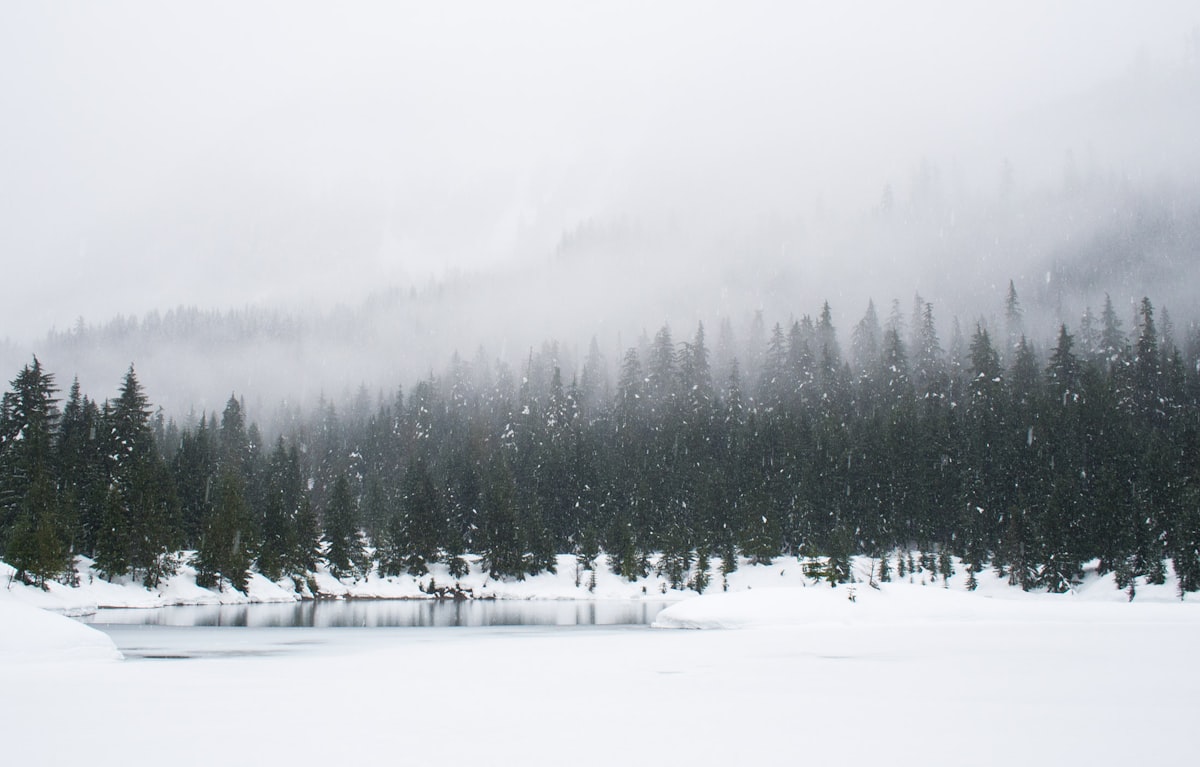
Photographing Snow Scenes Without Grey Mush
Snow confuses cameras. That clean white blanket that your eyes see as pure and bright shows up as dull, dingy gray in photographs. Every photographer encounters this, and many assume their camera isn’t performing well. The camera is working exactly as designed — the problem is that camera meters are designed around a specific assumption that snow violates. Why Snow Turns Gray Camera light meters assume that every scene averages to a medium tone — roughly 18% gray.
Post-Processing Landscape Photos: My Lightroom Workflow
Post-processing is where a good capture becomes a finished photograph. My approach to editing landscape images has simplified over the years. I aim for results that look natural and honest to the scene while bringing out the qualities that made me press the shutter in the first place. Here is my Lightroom Classic workflow, step by step. Step 1: Import and Cull I import RAW files with a dated folder structure: Year > Month > Location.