Understanding Hyperfocal Distance for Razor-Sharp Landscapes

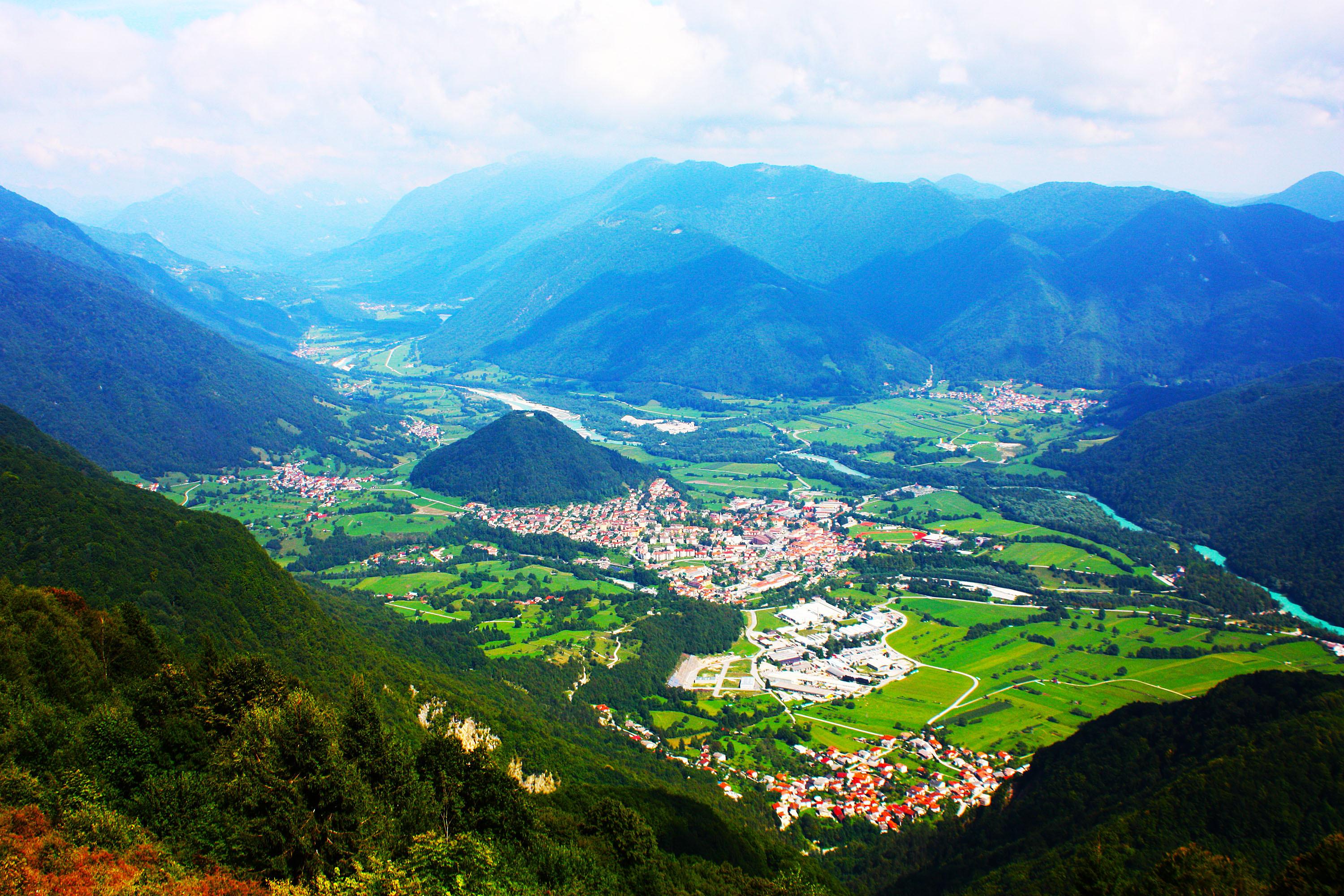
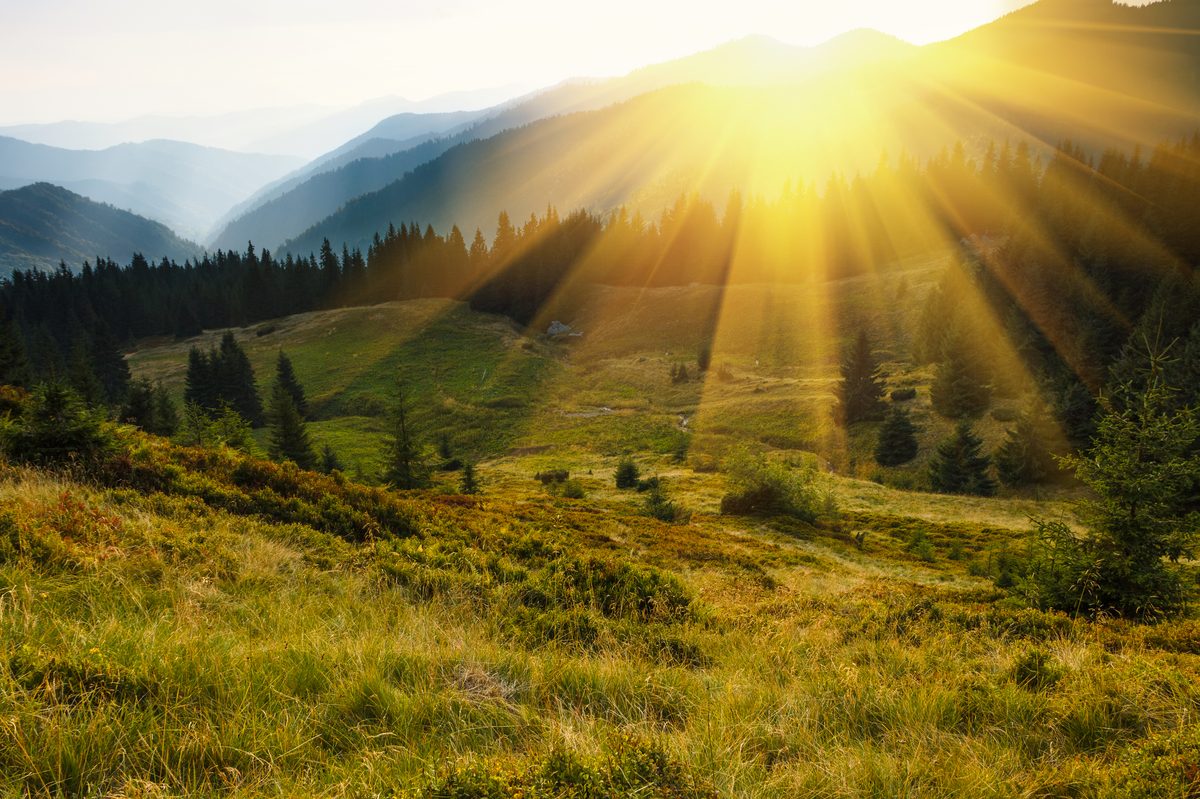
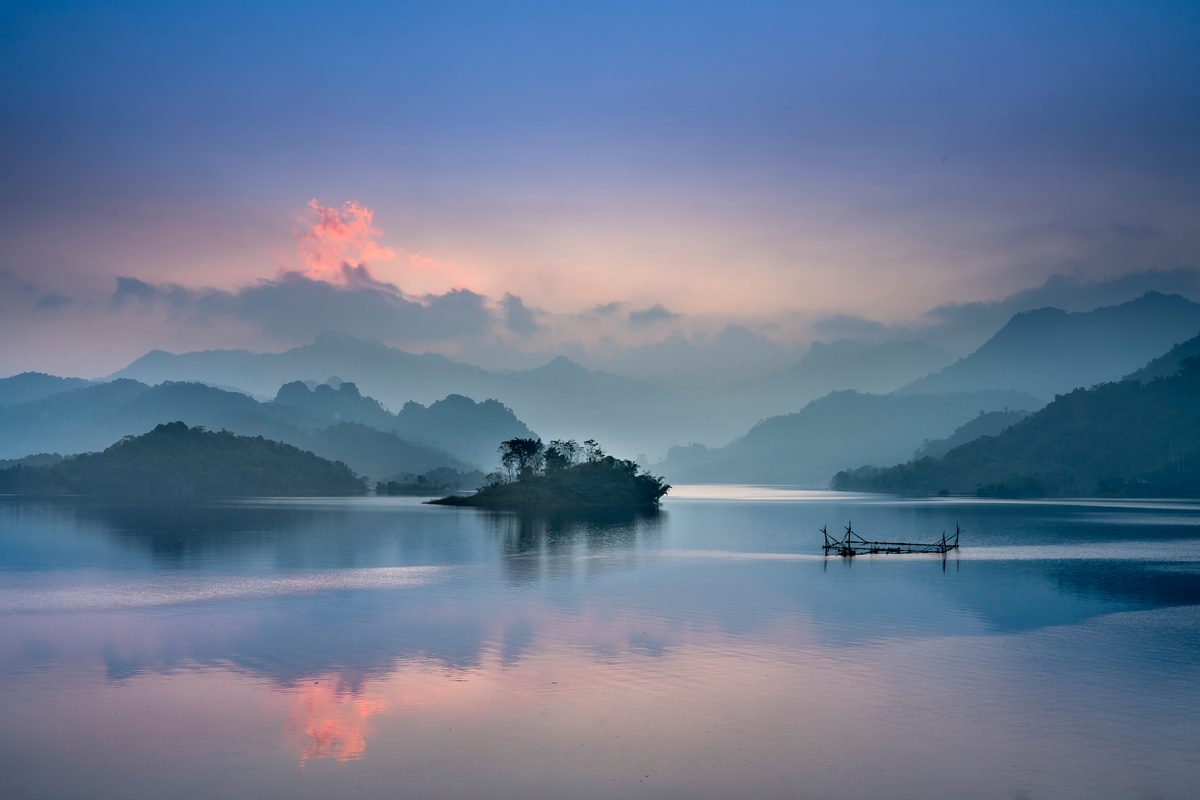
Front-to-back sharpness is one of the defining characteristics of strong landscape photography. Achieving it consistently requires understanding hyperfocal distance, a concept that sounds more complicated than it actually is. What Hyperfocal Distance Means The hyperfocal distance is the focus point that maximizes your depth of field for a given aperture and focal length. When you focus at the hyperfocal distance, everything from half that distance to infinity falls within acceptable sharpness.

Photographing Waterfalls: Settings, Gear, and Techniques

Waterfalls are among the most popular subjects in landscape photography, and for good reason. They combine motion, sound, and the interplay of light and water into a subject that rewards careful technique. Here is how I approach them. Essential Gear Tripod. This is non-negotiable. You are working with slow shutter speeds, and handheld shooting produces unusable blur. A sturdy tripod with spiked feet handles wet rocks and uneven terrain better than one with rubber tips.

Night Sky Photography for Beginners

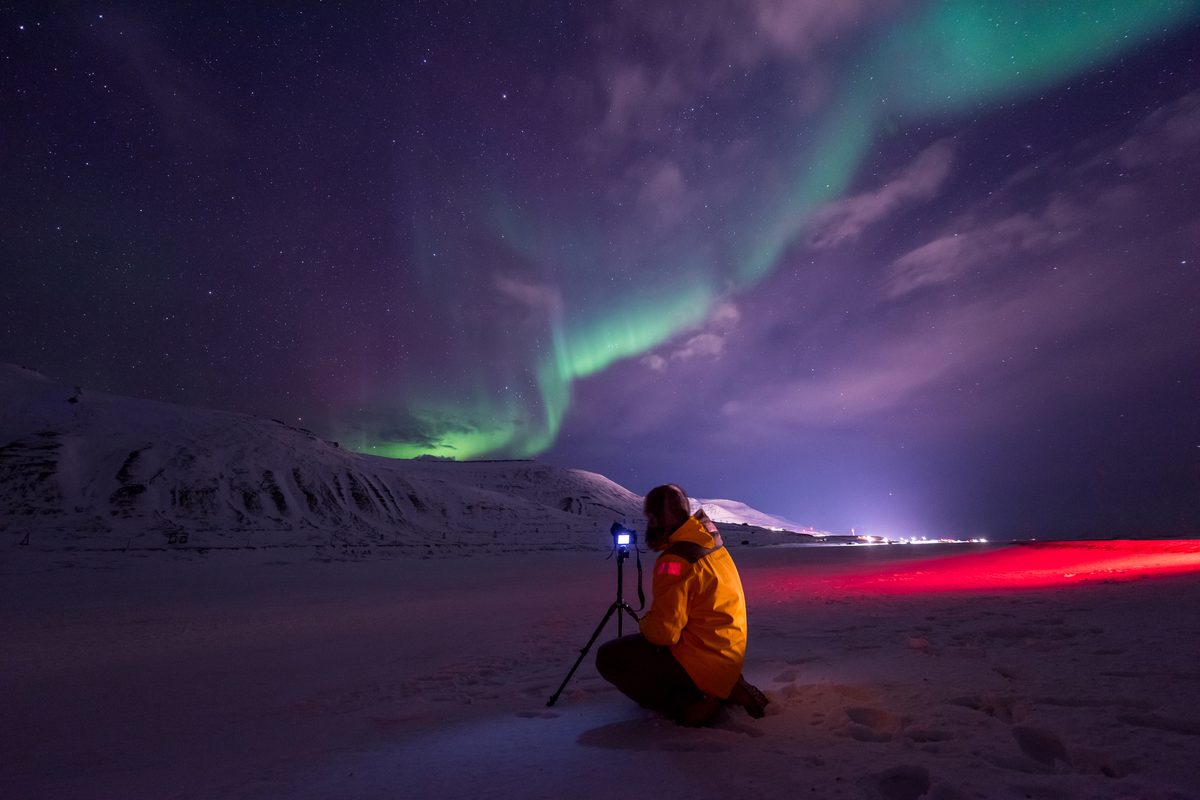
Photographing the night sky is one of the most rewarding experiences in landscape photography. Standing alone under a canopy of stars, watching a 25-second exposure reveal detail your eyes cannot see, connects you to the landscape in a way that daylight shooting rarely matches. The technical requirements are specific but learnable. Finding Dark Skies Light pollution is the primary obstacle. Even a moderately sized city washes out all but the brightest stars for miles in every direction.

Long Exposure Photography: A Complete Guide to Silky Water and Cloud Trails

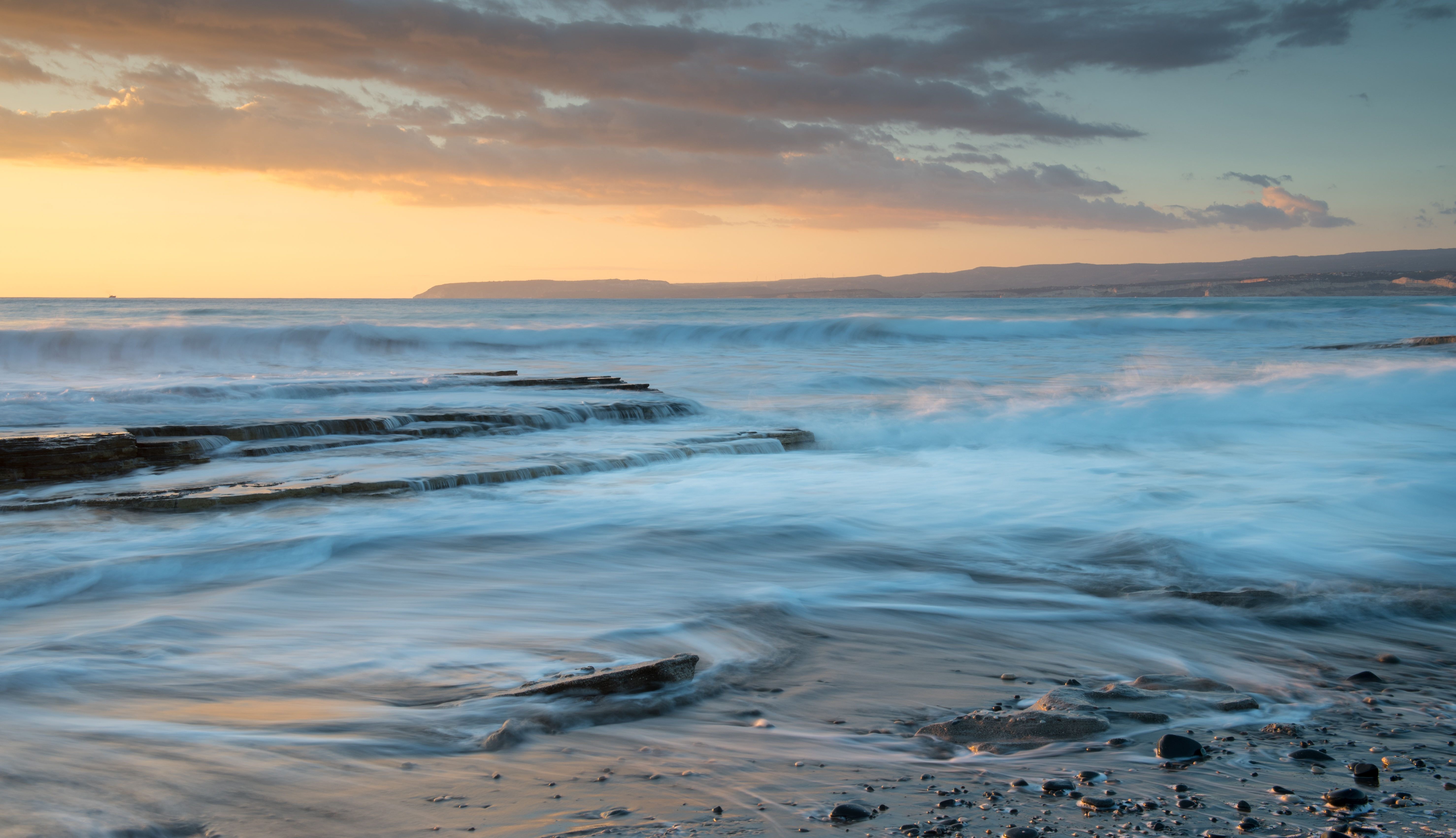
Long exposure photography transforms moving elements into something the eye cannot ordinarily see. Flowing water turns to silk. Clouds streak across the frame in dramatic arcs. The technique is straightforward once you understand the variables involved. The Fundamentals A long exposure is any shot where the shutter stays open long enough for moving elements to blur while stationary elements remain sharp. For landscape work, this typically means exposures between 1 second and several minutes.