Technique

Panoramic Photography: Stitching Multi-Row Panoramas

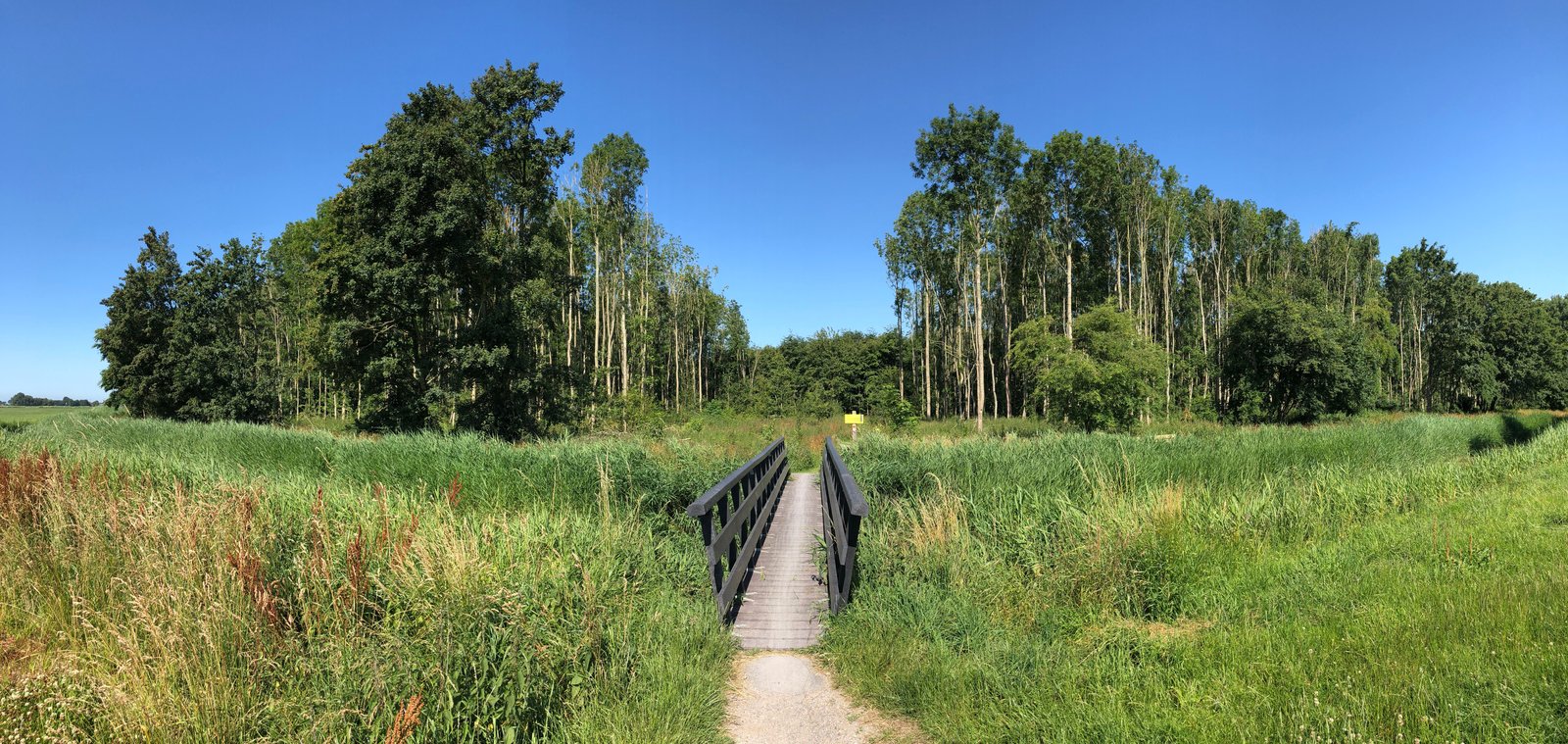
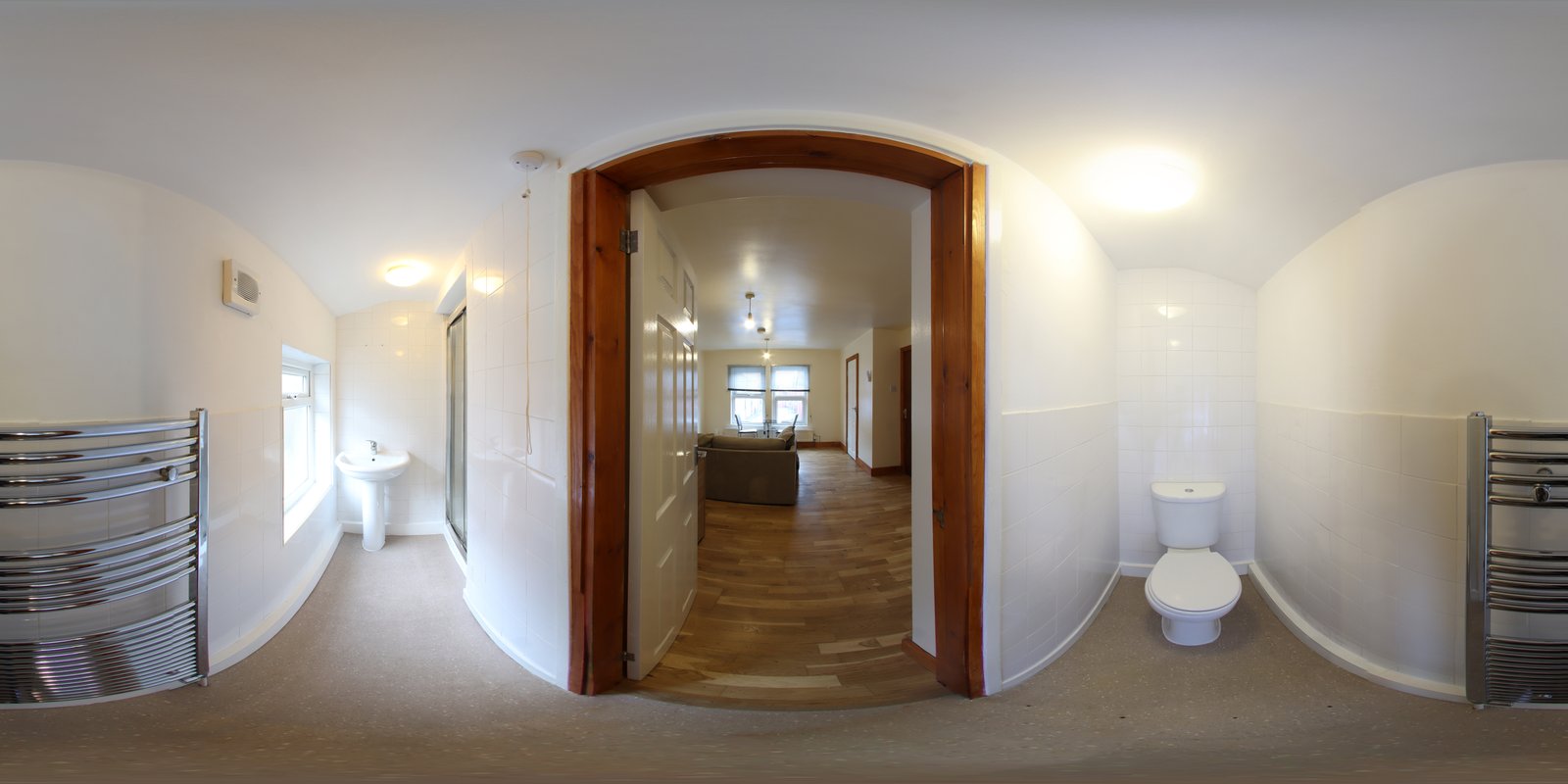
Single-row panoramas stitch a horizontal sweep into a wide image. Multi-row panoramas go further — stitching a grid of images that covers both horizontal and vertical space. The result is an image with massive resolution, full coverage of the scene, and creative possibilities that single exposures can’t match. Why Multi-Row Panoramas Resolution A single frame from a 45-megapixel camera gives you 45 megapixels. A 4x6 grid of overlapping frames from the same camera, stitched together, can produce an image exceeding 500 megapixels.

Technique

Using Drones for Landscape Photography

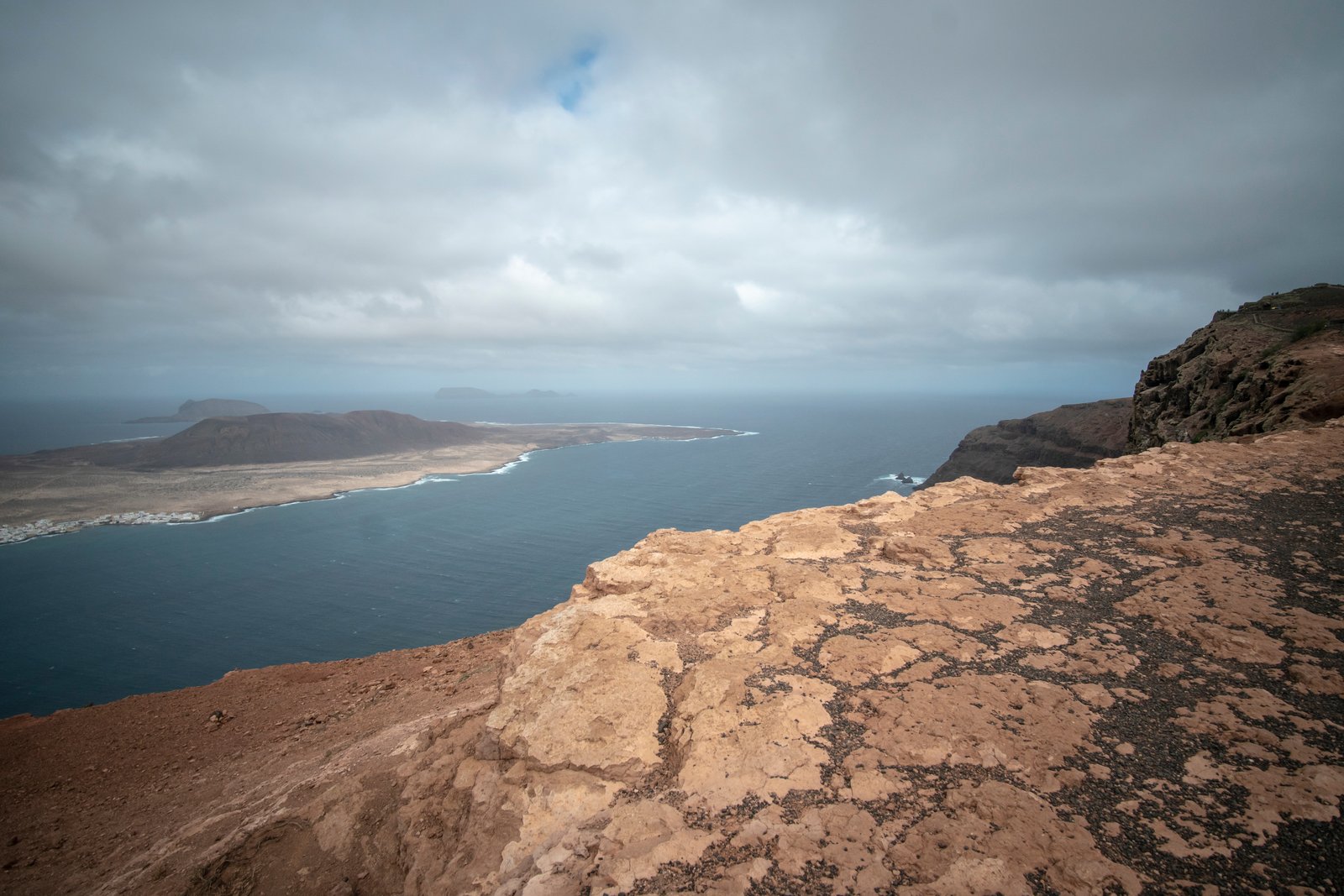
Drones have opened perspectives that were previously available only from helicopters or tall structures. Straight-down views of coastlines, elevated forest canopy shots, and bird’s-eye patterns in agricultural landscapes are now accessible to any photographer with a consumer drone. But aerial photography is a different discipline from ground-level work, with its own compositional rules and technical considerations. Choosing Your Altitude Altitude changes the photograph fundamentally: Low altitude (20-50 feet): Maintains a perspective similar to elevated ground positions — hillsides, rooftops, bridges.

Technique

Focus Stacking for Landscape Photography

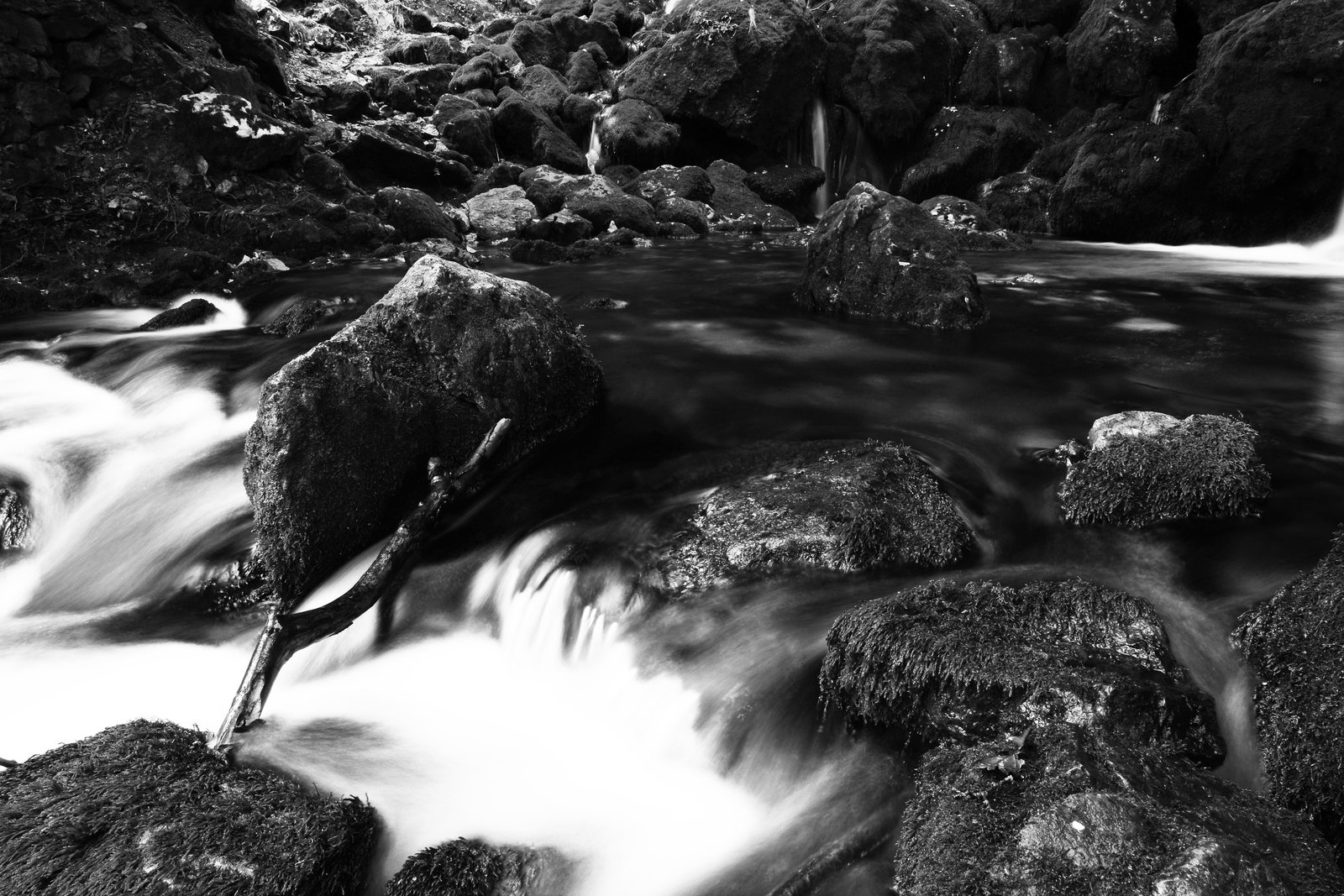
Landscape photography demands sharpness from foreground to horizon. A single exposure at f/16 or f/22 gets close, but diffraction softens the image at small apertures, and some scenes have foreground elements so close that even f/22 can’t hold everything sharp. Focus stacking solves this by merging multiple exposures focused at different distances. When You Need Focus Stacking Not every landscape requires stacking. If your nearest foreground element is 10 feet away and you’re shooting at f/11 on a full-frame camera, depth of field covers the entire scene.