The Art of Long Exposure: Slowing Time in Landscape Photography

The Art of Long Exposure: Slowing Time in Landscape Photography

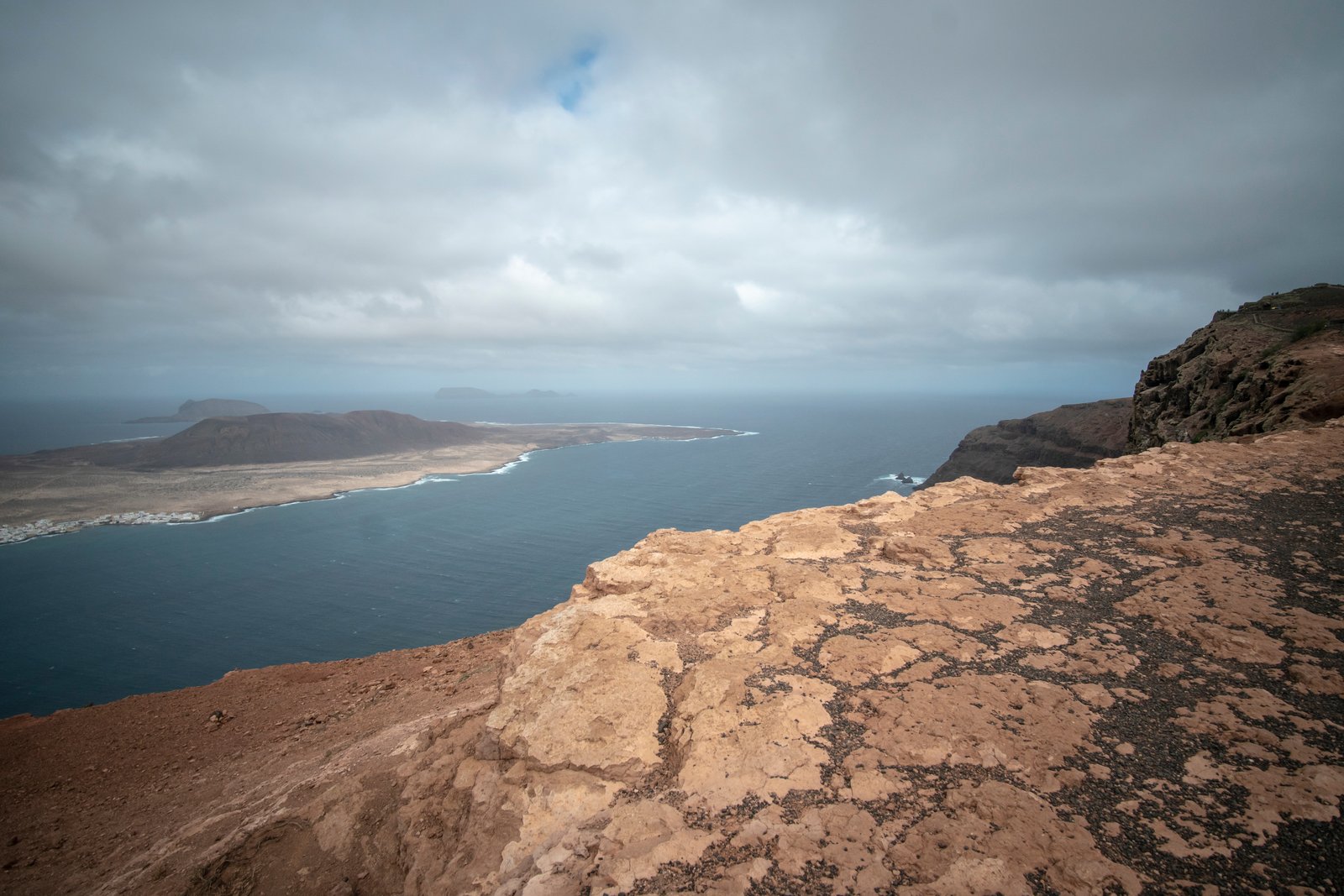
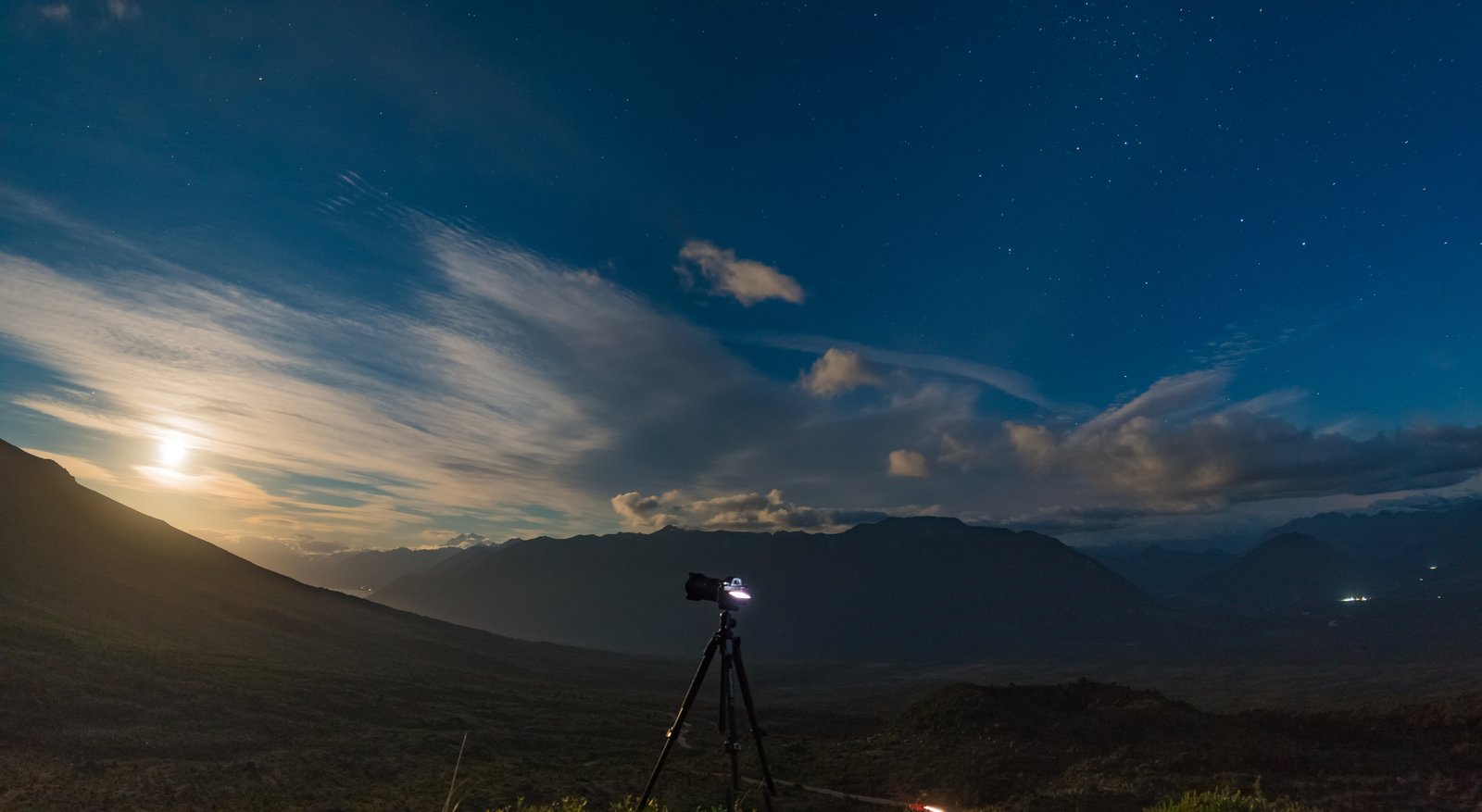
The Art of Long Exposure: Slowing Time in Landscape Photography There’s a particular magic that happens when you slow down your camera’s perception of time. I discovered this years ago while standing waist-deep in a Scottish loch at dawn, watching my ten-second exposure transform turbulent water into something resembling silk. Long exposure isn’t just a technical trick—it’s a way of seeing the landscape differently, of revealing movement that our eyes miss in a single glance.

The Art of Long Exposure: Slowing Down to See More

The Art of Long Exposure: Slowing Down to See More

Why I Started Using Long Exposure I remember the first time I truly understood long exposure photography. I was standing at a coastal inlet at dawn, watching the tide push through channels of dark rock. My instinct was to capture the movement—the energy of the water. But when I slowed my shutter to eight seconds and looked at the result, something shifted. The chaos had become silk. The urgency had transformed into calm.

The Art of Landscape Composition: Finding Order in Wild Places

The Art of Landscape Composition: Finding Order in Wild Places

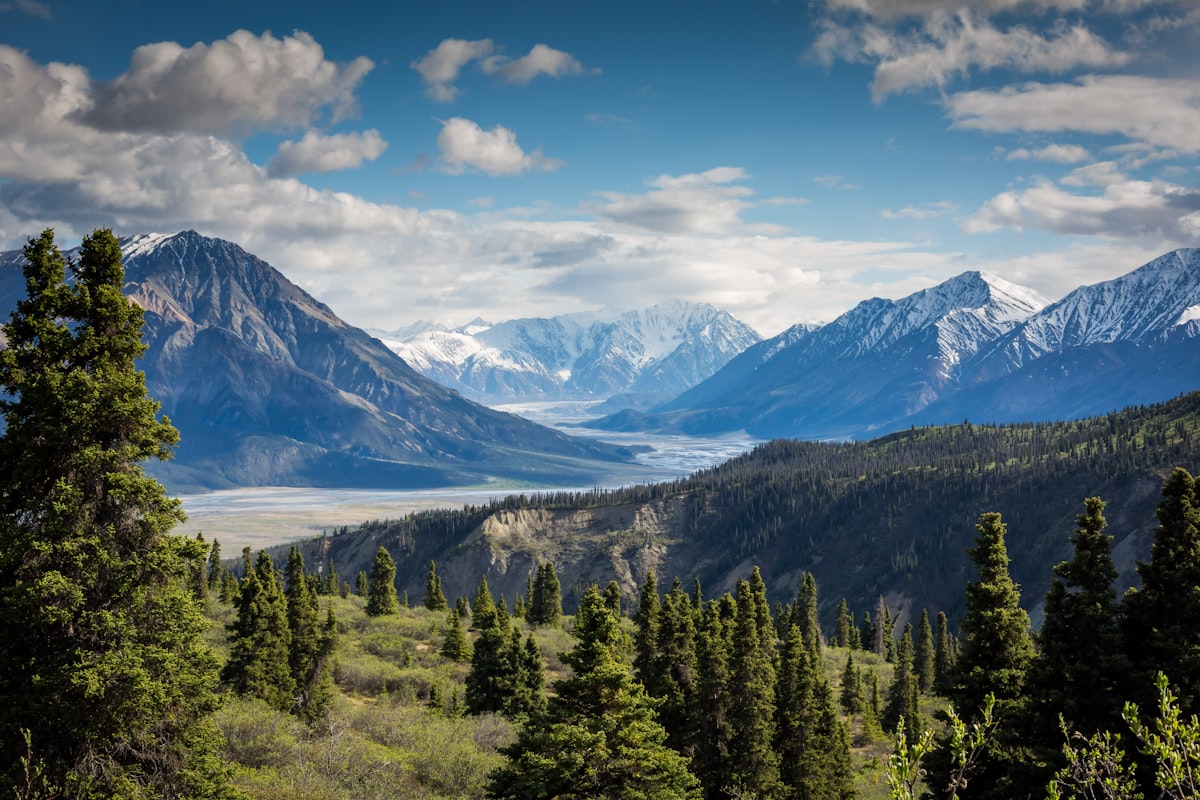
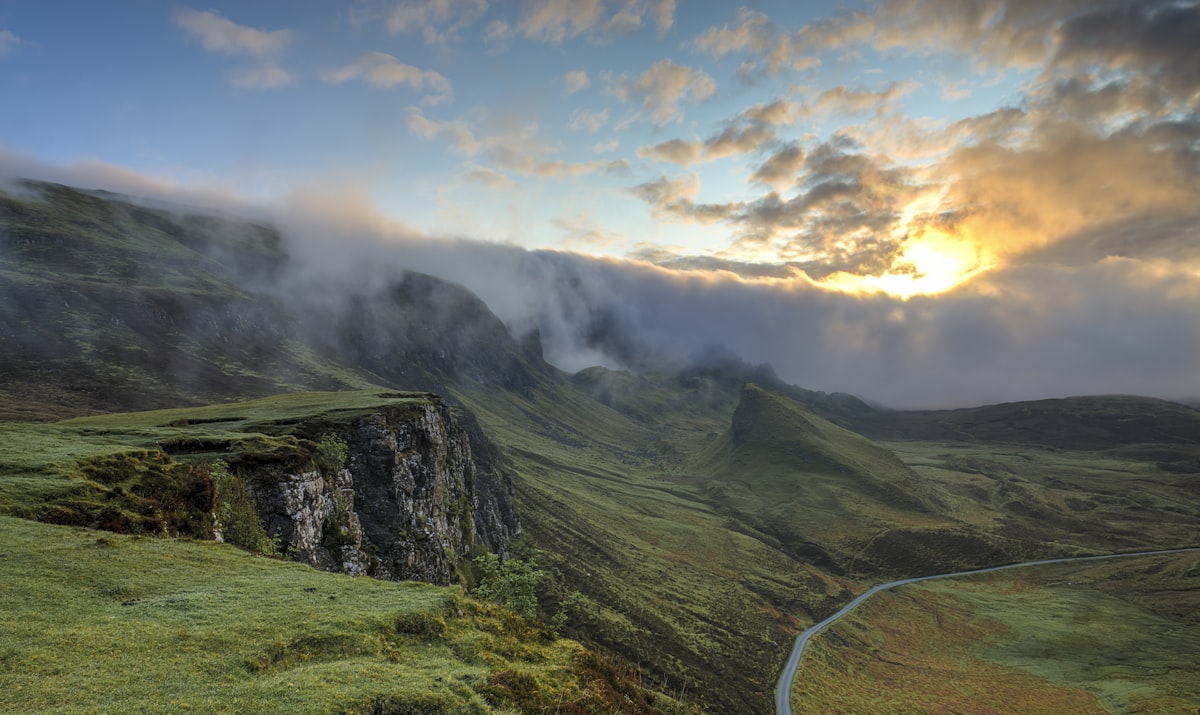
The Art of Landscape Composition: Finding Order in Wild Places I’ve stood in countless remote locations—high mountain passes at dawn, coastal cliffs battered by wind, quiet valleys shrouded in mist—and learned that having access to beautiful scenery is only half the battle. The real challenge lies in translating what moves you emotionally into a photograph that moves others the same way. Composition is the language that makes this translation possible. It’s not about rigid rules; it’s about understanding how to arrange visual elements so that viewers’ eyes follow your intended path through the frame.

Panoramic Photography: Stitching Multi-Row Panoramas

Panoramic Photography: Stitching Multi-Row Panoramas

Single-row panoramas stitch a horizontal sweep into a wide image. Multi-row panoramas go further — stitching a grid of images that covers both horizontal and vertical space. The result is an image with massive resolution, full coverage of the scene, and creative possibilities that single exposures can’t match. Why Multi-Row Panoramas Resolution A single frame from a 45-megapixel camera gives you 45 megapixels. A 4x6 grid of overlapping frames from the same camera, stitched together, can produce an image exceeding 500 megapixels.

Focus Stacking for Landscape Photography

Focus Stacking for Landscape Photography

Landscape photography demands sharpness from foreground to horizon. A single exposure at f/16 or f/22 gets close, but diffraction softens the image at small apertures, and some scenes have foreground elements so close that even f/22 can’t hold everything sharp. Focus stacking solves this by merging multiple exposures focused at different distances. When You Need Focus Stacking Not every landscape requires stacking. If your nearest foreground element is 10 feet away and you’re shooting at f/11 on a full-frame camera, depth of field covers the entire scene.

Using Drones for Landscape Photography

Using Drones for Landscape Photography

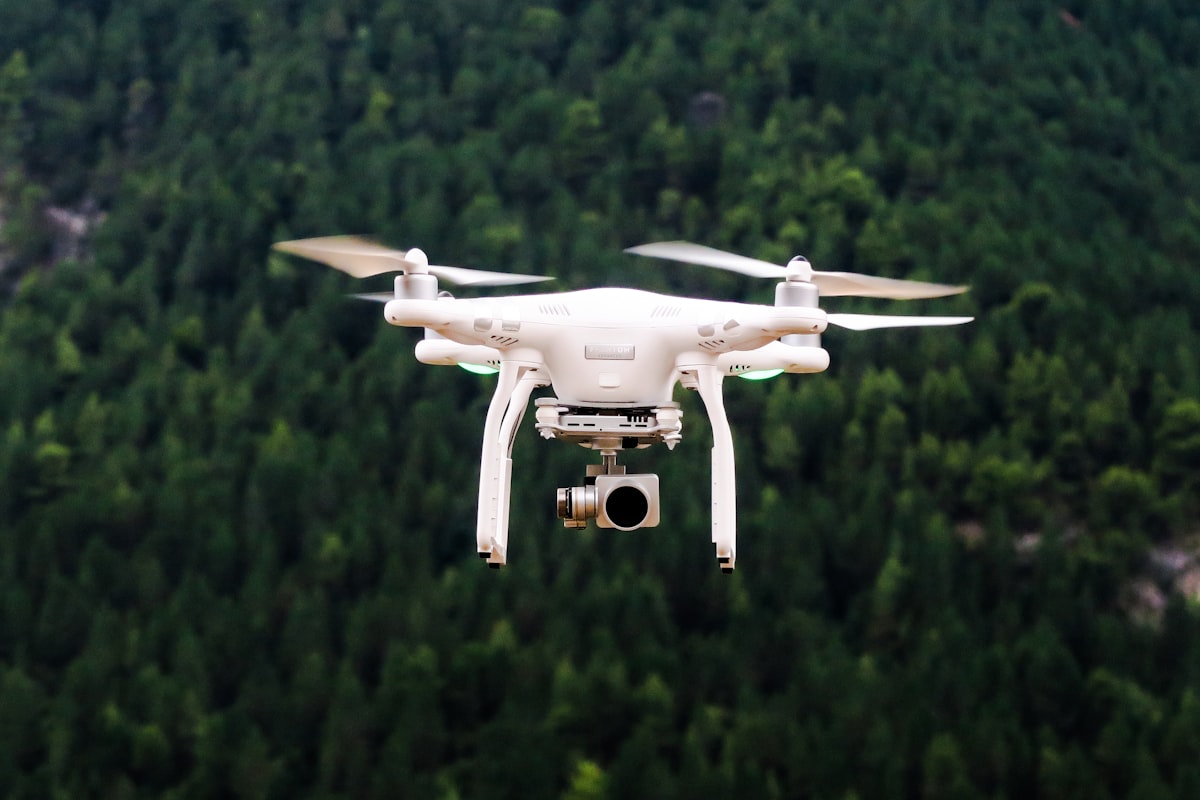
Drones have opened perspectives that were previously available only from helicopters or tall structures. Straight-down views of coastlines, elevated forest canopy shots, and bird’s-eye patterns in agricultural landscapes are now accessible to any photographer with a consumer drone. But aerial photography is a different discipline from ground-level work, with its own compositional rules and technical considerations. Choosing Your Altitude Altitude changes the photograph fundamentally: Low altitude (20-50 feet): Maintains a perspective similar to elevated ground positions — hillsides, rooftops, bridges.

Chasing the Golden Hour: Where Light and Landscape Converge

Chasing the Golden Hour: Where Light and Landscape Converge

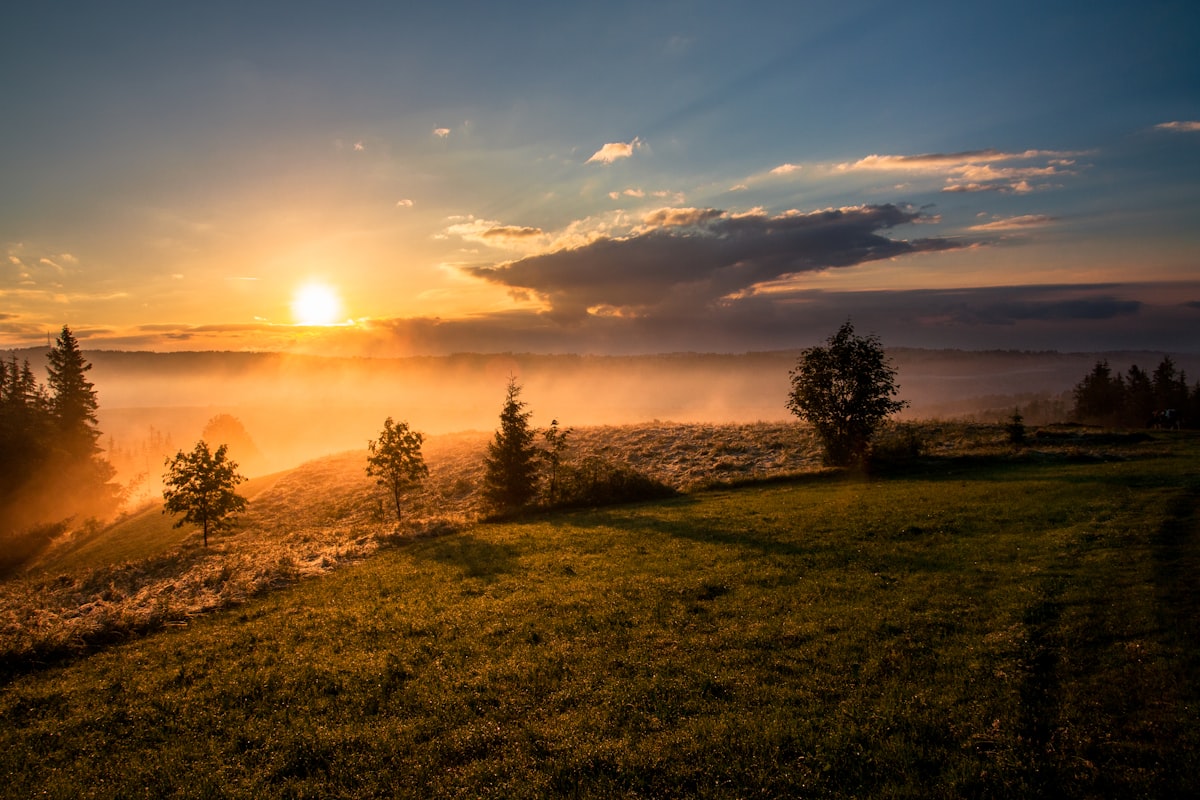
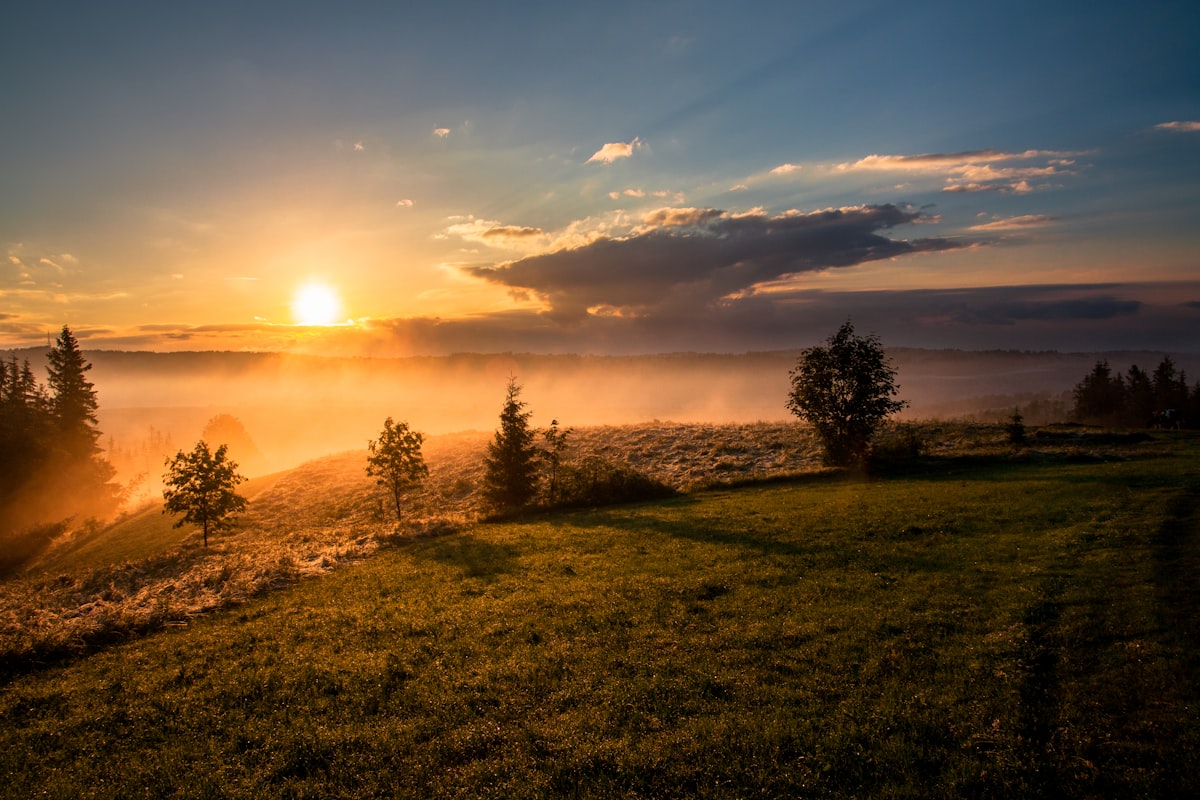
The Moment Before Magic I’ve spent enough mornings standing alone in meadows and enough evenings perched on cliffsides to know that golden hour isn’t really about the clock—it’s about presence. The golden hour arrives when the sun sits low on the horizon, roughly one hour after sunrise or before sunset. But knowing this intellectually and feeling it in the field are two different things entirely. Last spring, I was photographing in the Scottish Highlands when I nearly packed up too early.

Chasing the Golden Hour: Mastering Nature's Most Forgiving Light

Chasing the Golden Hour: Mastering Nature's Most Forgiving Light

The Magic Window That Changes Everything There’s a moment each day when the world stops feeling like itself. The light turns honey-thick, the shadows grow long and purposeful, and suddenly a mundane hillside becomes something you need to photograph. This is golden hour—and once you understand it deeply, your landscape work will never be the same. I’ve spent hundreds of mornings and evenings chasing this light, and I can tell you it’s not romantic myth.