Latest Articles
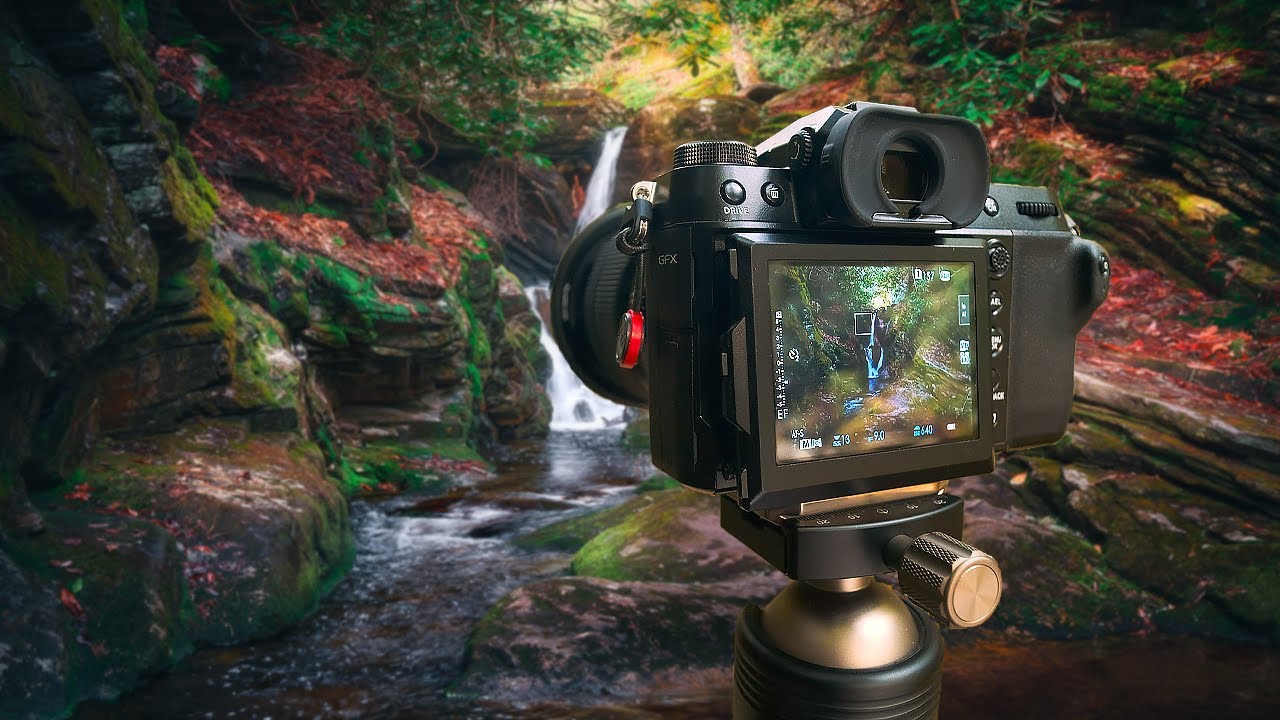
What the Fuji GFX100s Taught Me About Slowing Down at the Water's Edge
There’s a particular kind of morning I know well. You’ve hiked in before first light, the trail is wet, and the location you planned on is not cooperating. The waterfall is blowing out, the light is flat, or the flow is so heavy it looks like a fire hose rather than a cascade. What you do in that moment, whether you adapt or pack up in frustration, is what separates a productive shoot from a wasted one.
Shooting the Swiss Alps Mid-Day: What Thomas Heaton's Mountain Trek Taught Me About Light You Can't Control
There’s a particular kind of humility that mountain photography demands. You can plan the route, book the hut, study the forecast, and pack everything perfectly, and the mountains will still do exactly what they want. I’ve stood in enough alpine meadows at what should have been golden hour, watching clouds swallow the peaks, to know that the photographers who come home with the best images aren’t the ones with the best luck.

Beyond the Golden Hour: Finding Beauty in Difficult Light
The Comfort of Perfect Light I’ve spent enough mornings chasing sunrise and evenings stalking sunset to know their seductive power. There’s something almost magical about golden hour—that warm, directional glow that transforms ordinary scenes into gallery-worthy images with minimal effort. The soft shadows, the rich color palette, the dimensional quality of the light itself does half the work for us. But here’s what I’ve realized after years of photographing wild landscapes: that same perfection can become a creative crutch.
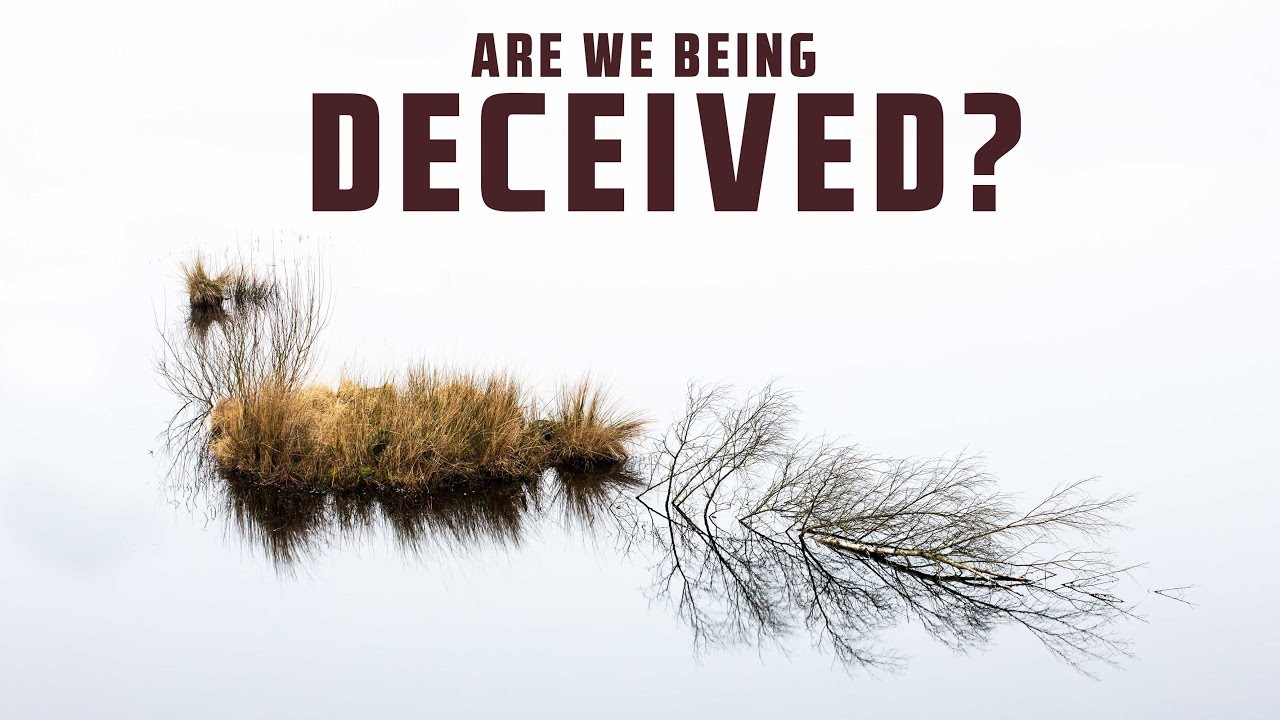
Honesty in the Frame: What Landscape Photographers Owe Their Audience (and Themselves)
I’ve been making photographs in the field for two decades, and the question I get more than almost any other isn’t about gear or locations. It’s about editing. Specifically, people want to know how much is too much. When does a processed image stop being a photograph and start being something else entirely? I’ve wrestled with that question on cold mornings standing in the Deschutes River and in front of a monitor at midnight, and I still don’t have a clean answer.
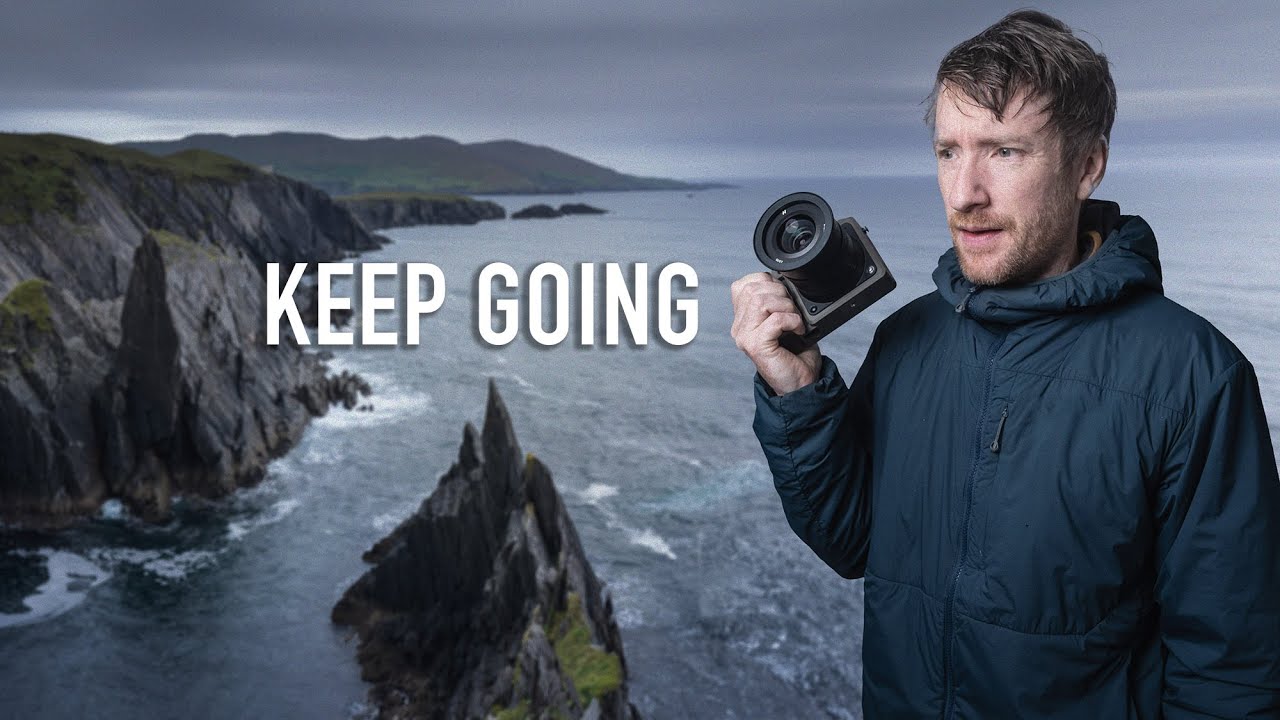
The Light Will Come Back: What Thomas Heaton Taught Me About Patience and Compositional Instinct in the Field
There’s a particular kind of frustration that every landscape photographer knows. You’ve read the forecast, checked the apps, driven out in the dark, set up your tripod in the cold, and then watched the light just… not show up. Or worse, it teases you, fades, and you start packing up. I’ve stood on a lot of ridges here in Central Oregon feeling exactly that. The mountain doesn’t care about your schedule.
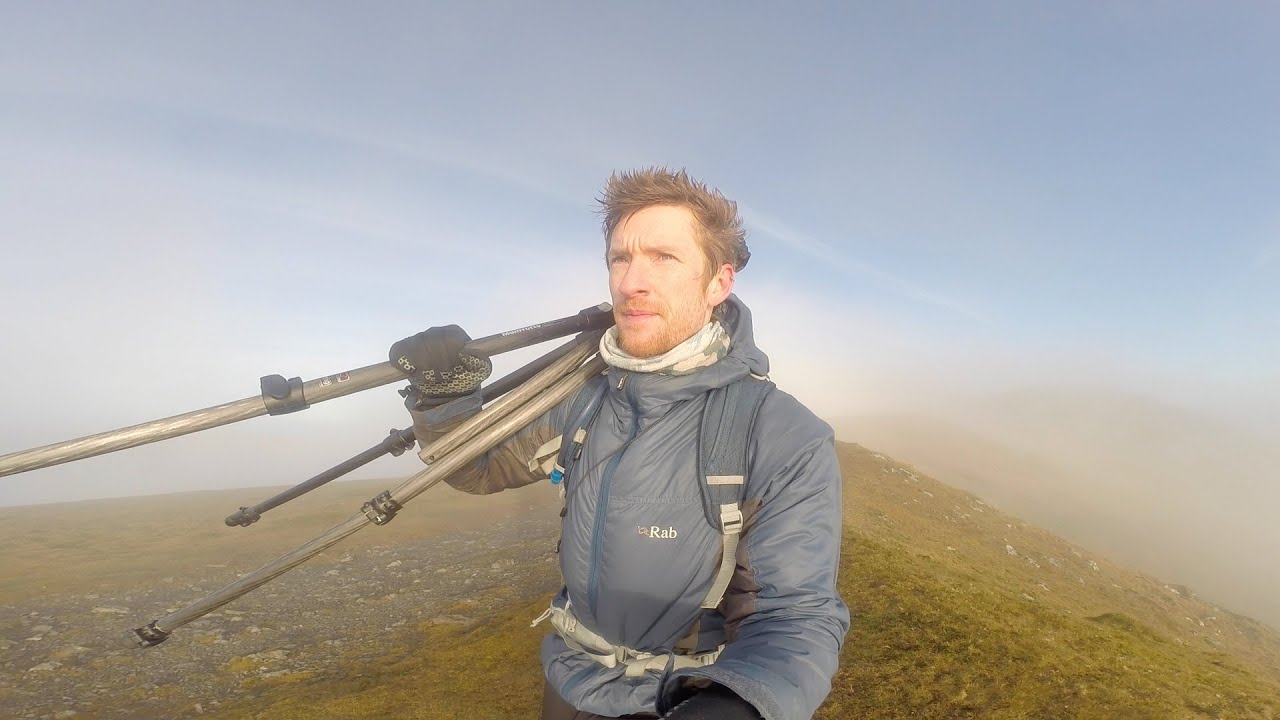
Reading the Mountain: Field Lessons from Blencathra and Sharp Edge
There’s a particular kind of frustration that comes with being on a spectacular mountain and coming home with nothing. You had the location. You had the light, briefly. But the camera was in the bag, the cloud closed in, and the moment dissolved. I’ve stood on more summits than I can count and felt that sting. It’s not a gear problem. It’s a timing and decision-making problem, and it’s the kind of thing that only gets solved by watching photographers who’ve built systems for it.