What the Dark Actually Costs You: A Night Sky Photographer's Honest Field Notes

What the Dark Actually Costs You: A Night Sky Photographer's Honest Field Notes

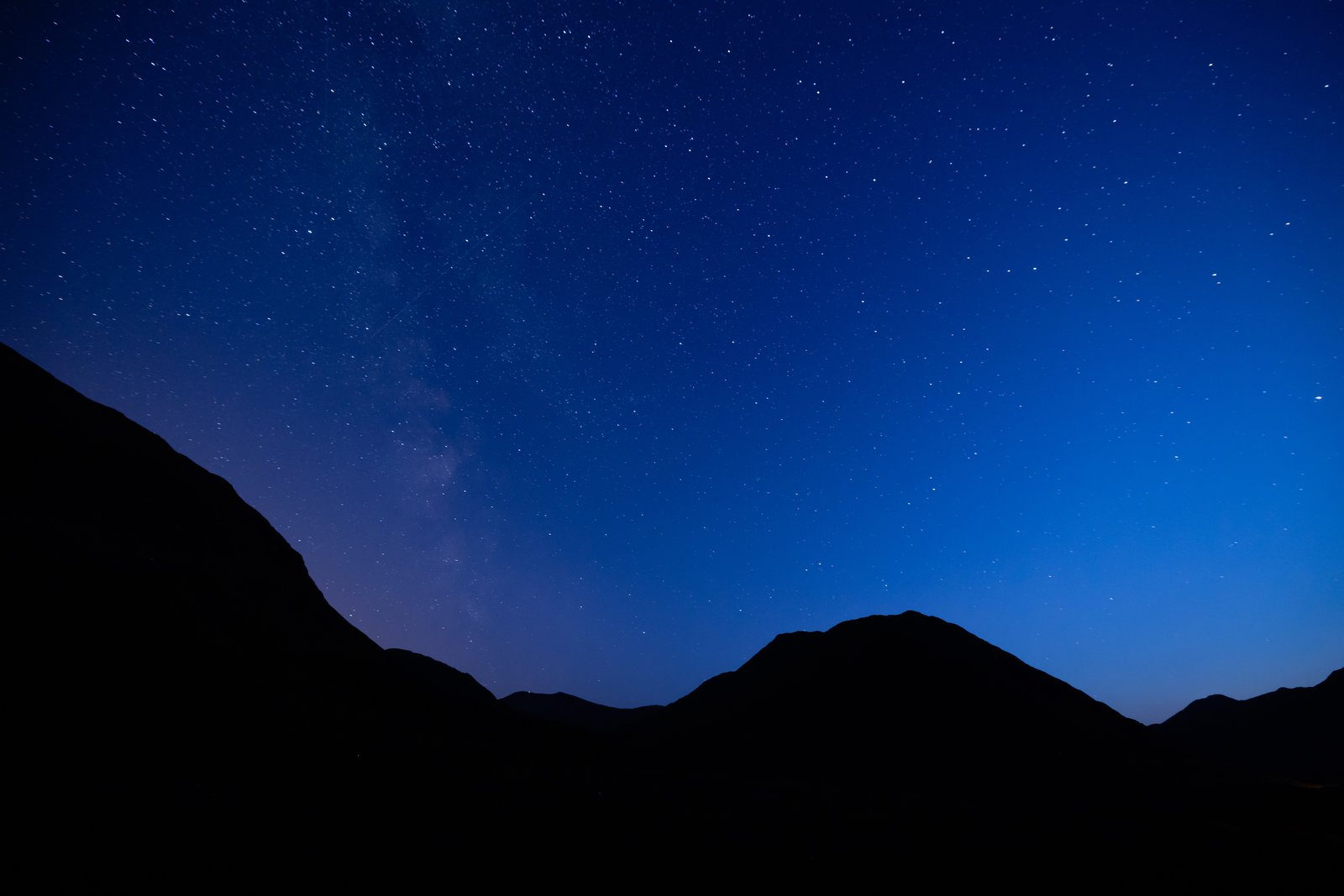
The first time I drove out to Steens Mountain at midnight, I pulled over on a dirt road about forty miles from the nearest town, cut the engine, and just sat there. Not because I was being poetic about it. My eyes needed time. That’s the thing most articles skip: your vision takes a full twenty to thirty minutes to reach its peak dark adaptation, and if you so much as glance at your phone screen without a red filter on it, you reset the clock.

Capturing the Night Sky: Lessons Learned Under the Stars

Capturing the Night Sky: Lessons Learned Under the Stars

I remember the first time I stepped away from city lights with the intention of photographing stars. I’d read the articles, adjusted my settings, and arrived at my location with confidence. Then the sky humbled me. The Milky Way sprawled above in a way no screen could prepare me for, and I realized that technical knowledge alone wouldn’t translate what I was witnessing into a compelling image. That night taught me that night sky photography demands equal parts science and intuition—a willingness to understand your equipment while remaining present to the landscape beneath those stars.

Chasing Stars: The Art and Science of Night Sky Photography

Chasing Stars: The Art and Science of Night Sky Photography

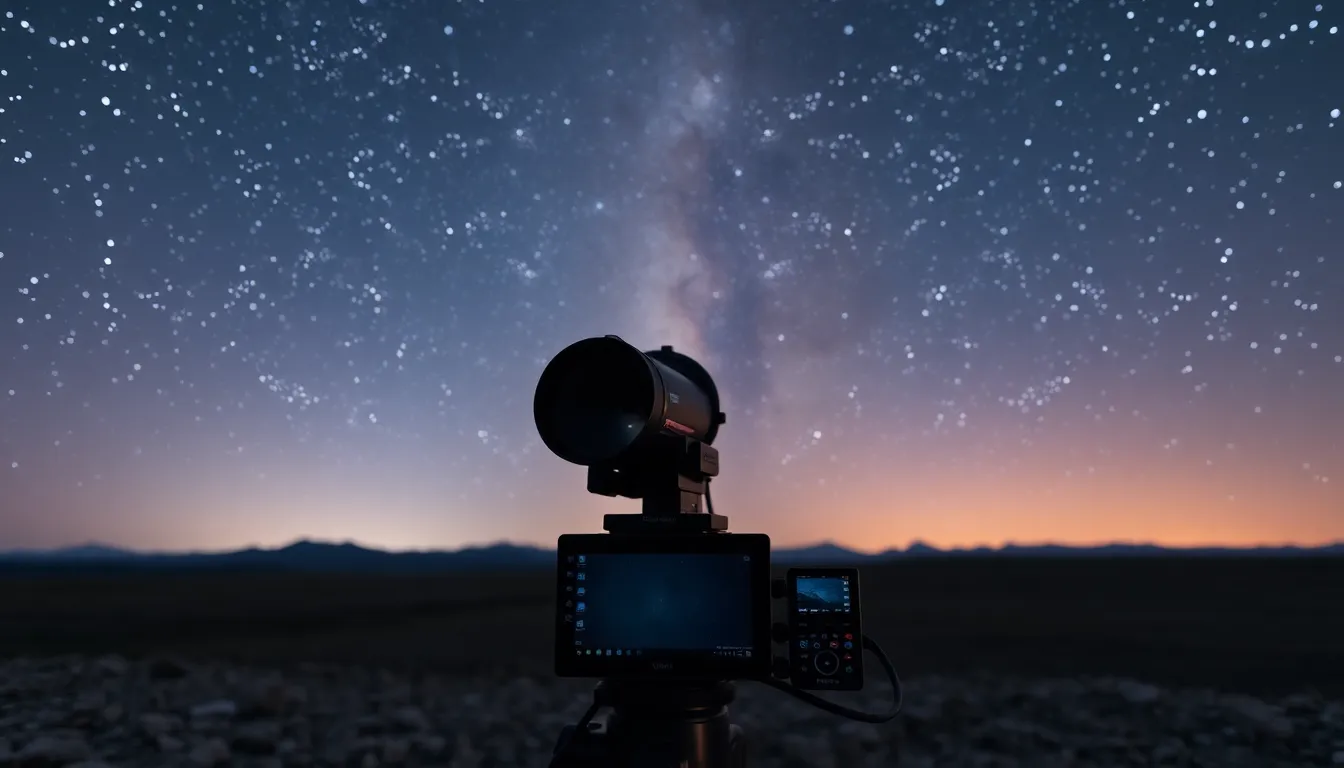
The Call of Darkness There’s a moment just after twilight fades when the landscape disappears entirely, and you’re left standing in absolute darkness with nothing but your camera and the weight of the universe above. That’s when night sky photography truly begins. I’ve spent countless nights perched on remote hillsides and desert flats, watching the Milky Way emerge as my eyes adjusted and the light pollution fell away. It’s a humbling experience—one that demands patience, preparation, and a willingness to embrace the unknown.