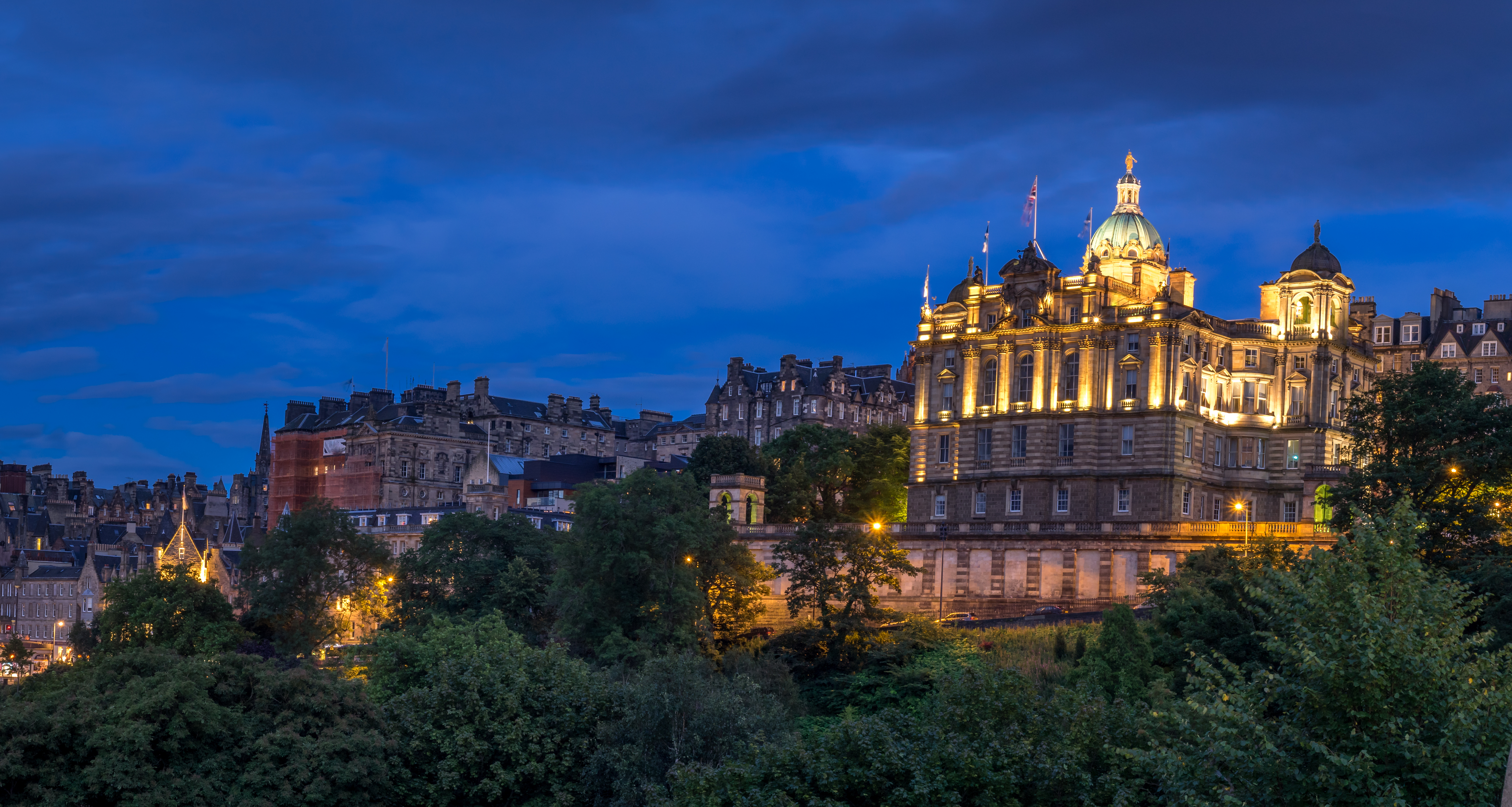
I remember the first time I stepped away from city lights with the intention of photographing stars. I’d read the articles, adjusted my settings, and arrived at my location with confidence. Then the sky humbled me. The Milky Way sprawled above in a way no screen could prepare me for, and I realized that technical knowledge alone wouldn’t translate what I was witnessing into a compelling image.
That night taught me that night sky photography demands equal parts science and intuition—a willingness to understand your equipment while remaining present to the landscape beneath those stars.
Starting with the Right Location
The first challenge isn’t your camera settings; it’s finding genuinely dark skies. I’ve driven hours past what I thought were remote locations, only to discover light pollution still washing out the fainter stars. Use a light pollution map—I rely on Dark Sky Finder—to identify areas at least 30-40 miles from major cities. Even then, scout your location during daylight. Know where your foreground lies. A silhouetted mountain ridge or an interesting tree can transform an ordinary star field into a photograph with narrative weight.
Pay attention to the moon phase cycle. A new moon provides maximum darkness and reveals fainter stars, but a waning crescent can offer subtle foreground illumination without overpowering the sky. I’ve found the nights surrounding new moon phase offer the best balance between visible stars and usable landscape detail.
Camera Settings That Actually Work
Here’s where precision matters. Start with a wide-angle lens—I typically use 14mm to 24mm—and set your aperture to its widest opening, usually f/2.8 or wider. This gathers maximum light in minimal time.
For shutter speed, use the 300 rule: divide 300 by your focal length to find your maximum exposure before stars begin trailing. At 20mm, that’s roughly 15 seconds. I actually work slightly shorter—13-14 seconds—to ensure sharp star points even accounting for slight field curvature.
ISO is where you can be more aggressive with modern cameras. I typically start between 3200 and 6400, then adjust based on what I see in my preview. Don’t be afraid of noise; it’s more forgivable than underexposure in night sky work.
Turn off autofocus. Switch to manual focus and use your camera’s live view mode, magnifying a bright star until it’s sharp. This takes patience, but it’s non-negotiable—autofocus often hunts endlessly in darkness.
Composition Beyond Just Stars
Here’s what separates memorable night sky photographs from technically correct ones: intentional foreground. A silhouetted landscape gives context and scale to the sky above. I’ll often use a weak headlamp to subtly illuminate foreground elements during my exposure—not enough to wash out the sky, but enough to add dimension.
Consider your horizon line. Don’t center it. If your sky is particularly striking, position the horizon in the lower third. If your foreground has compelling shapes or textures, give it more real estate.
Managing the Experience
Bring a dim red light instead of white—it preserves your night vision and won’t ruin exposures if you accidentally shine it toward your lens. Work methodically. Take multiple exposures rather than obsessing over a single frame. Conditions shift; clouds move, light pollution from distant towns pulses, and the sky itself changes angle as the night progresses.
Most importantly, pause between shots. Look up without your camera. Let your eyes adjust fully to the darkness. The night sky has been speaking for billions of years before we tried to photograph it. Sometimes the best thing we can do is listen first.
Comments (10)
This should be required reading for anyone starting out.
Love how you break down complex stuff into manageable steps.
Couldn't agree more. I've seen this make a huge difference in color grading work specifically.
Finally someone explains this in a way that actually makes sense.
I keep coming back to this article. It's that useful.
This is the kind of content that keeps me coming back.
Well explained. I think my audience would really benefit from this — mind if I link to it?
The before and after really sells it. Incredible difference.
Bookmarked. Coming back to this one for sure.
This is the kind of content that keeps me coming back.
Leave a Comment