The 5 Things a Working Landscape Photographer Actually Carries (And Why They Still Matter)

The 5 Things a Working Landscape Photographer Actually Carries (And Why They Still Matter)

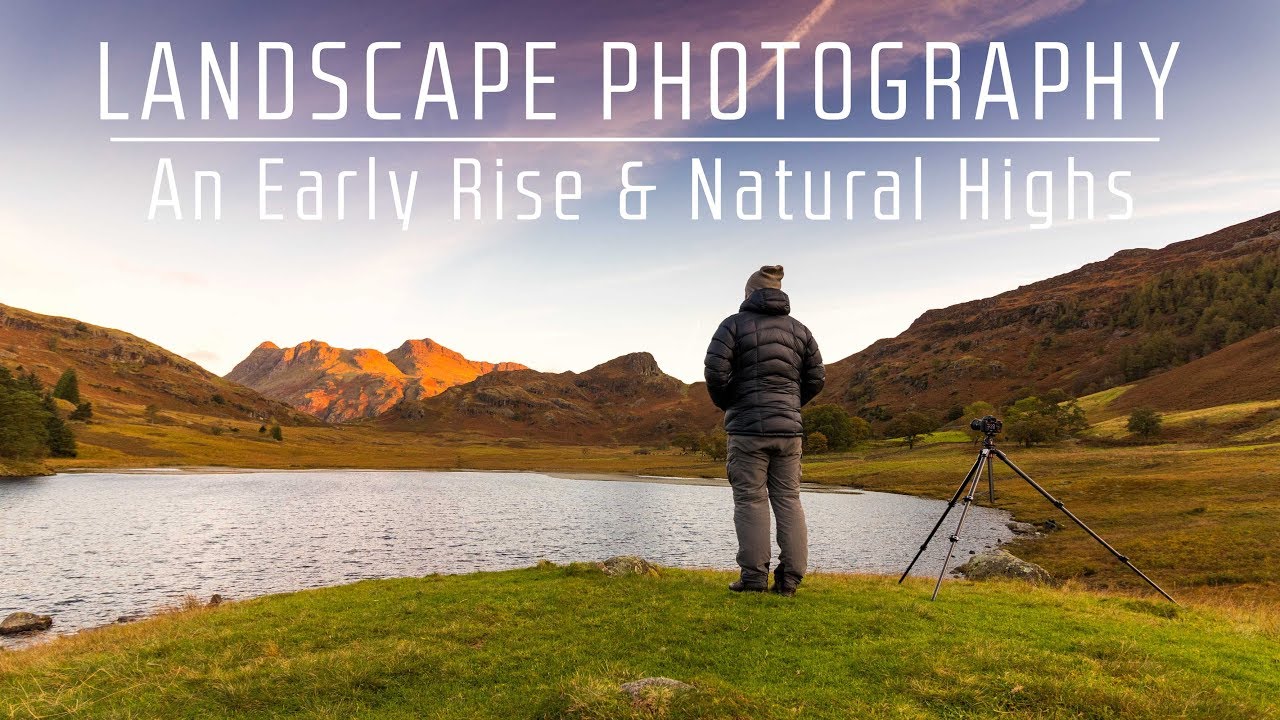
I have a drawer in my studio full of gear I bought, used twice, and forgot about. But there’s another short list of tools that goes into the bag every single time, no exceptions, whether I’m hiking into the Cascades before dawn or driving two hours to catch light on a canyon wall. What surprised me, watching JP Morgan and landscape photographer Shane Walls work through their essential kit in Zion National Park, was how closely their list matched mine.
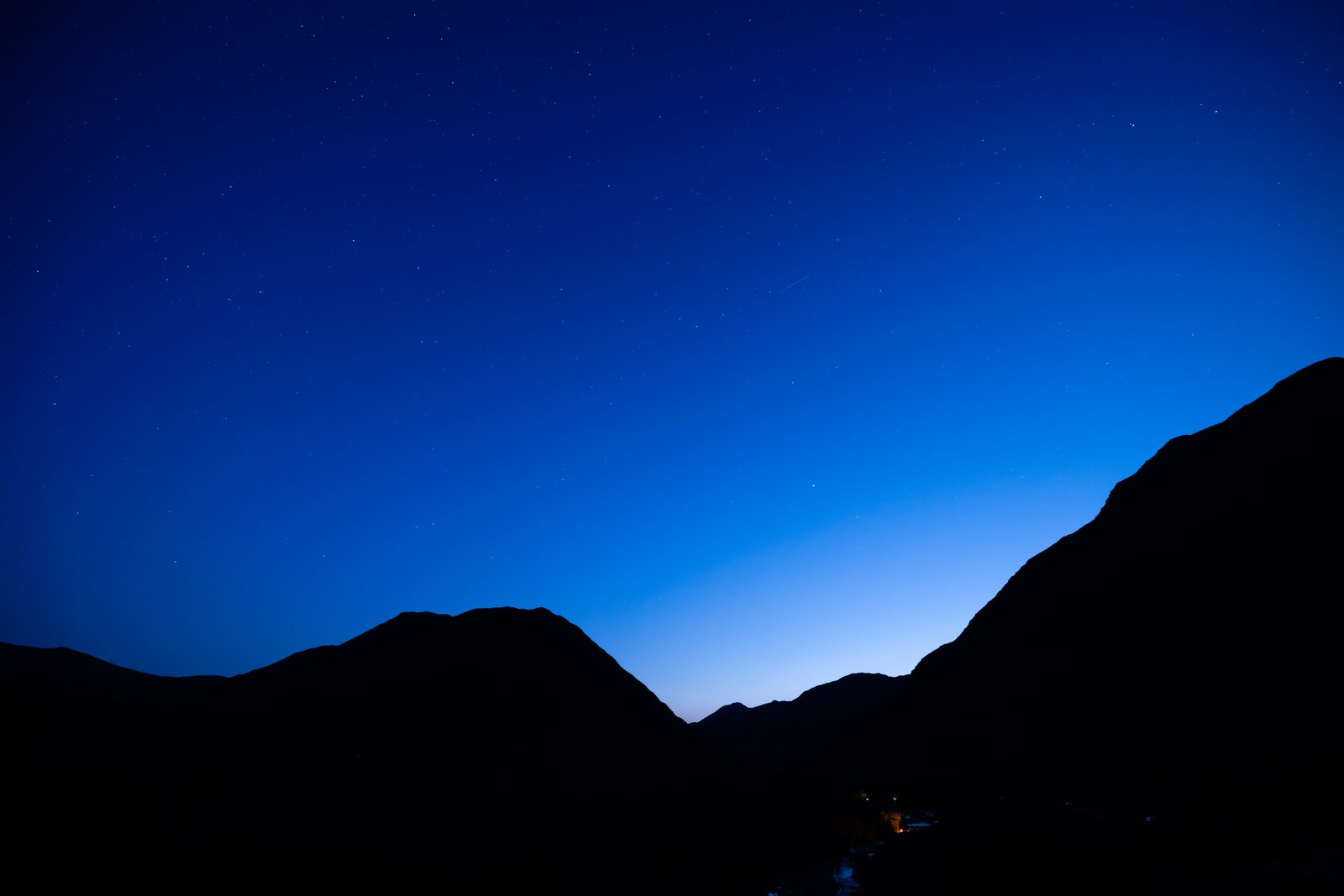
Why Your Milky Way Shots Look Muddy (And What I Changed After 15 Years of Getting It Wrong)

Why Your Milky Way Shots Look Muddy (And What I Changed After 15 Years of Getting It Wrong)

There’s a specific kind of frustration that comes from driving four hours into the Oregon high desert, setting up in darkness, waiting for your eyes to adjust, and then coming home with a memory card full of gray, noisy, lifeless files. I did that more times than I want to admit before I understood what was actually going wrong. It wasn’t my camera. It wasn’t bad luck. It was a cluster of small misunderstandings that stacked on top of each other until the final image had no chance.

How to Photograph Perfect Reflections: Lessons from Patagonia's Rarest Conditions

How to Photograph Perfect Reflections: Lessons from Patagonia's Rarest Conditions

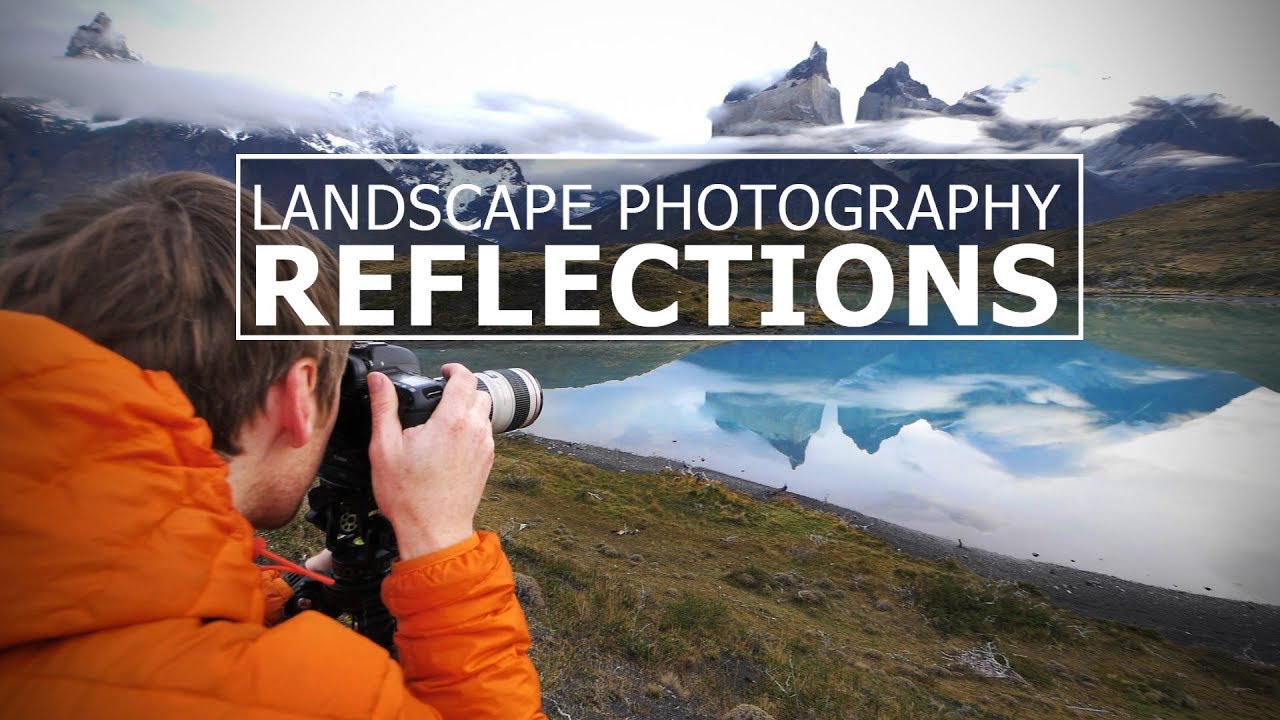
There is a particular kind of morning that every landscape photographer chases but rarely catches. Wind at zero. Water like poured glass. The world holding its breath. I have stood at the edge of alpine lakes in the Cascades at 4am more times than I can count, hoping for that stillness, and walked away more often than not with rippled water and a good story. That is exactly why I keep coming back to Thomas Heaton’s Patagonia reflection video.

Early Light and Honest Craft: What a Blea Tarn Sunrise Taught Me About Working a Location

Early Light and Honest Craft: What a Blea Tarn Sunrise Taught Me About Working a Location

There is a specific kind of dread that comes with a 3:45am alarm when you already know the conditions might not deliver. I have stood on enough cold ridgelines, stared at enough flat grey skies, and driven enough dark highways to know that the morning will do what the morning wants. And yet I keep showing up. The reason I keep showing up is the same reason I found myself rewatching this particular tutorial from First Man Photography more than once: it captures something honest about what it actually feels like to work a location well, not just the hero shot, but the full arc of a day in the field.

Why Your Waterfall Photos Look Wrong (And What the Water Is Actually Telling You)

Why Your Waterfall Photos Look Wrong (And What the Water Is Actually Telling You)

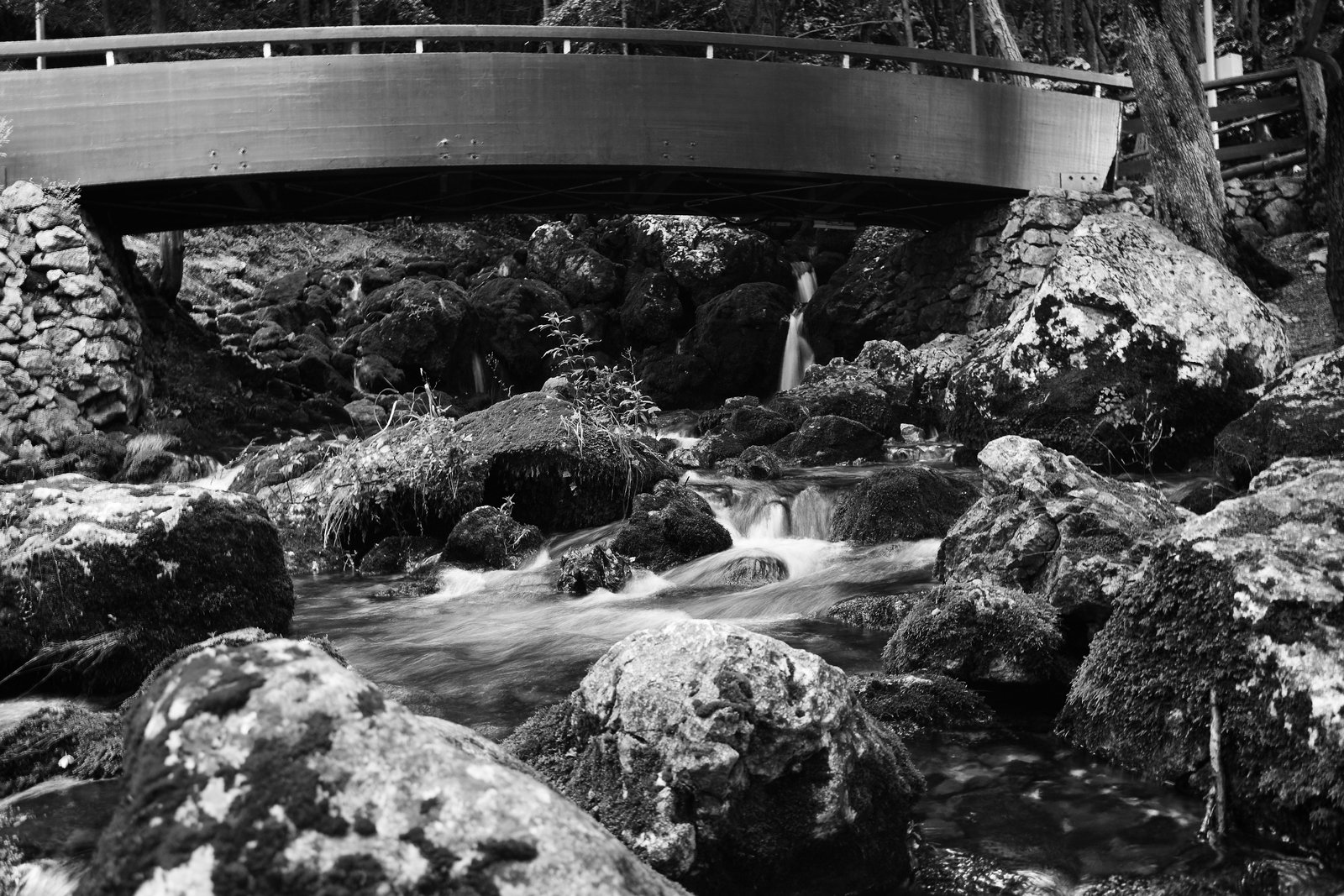
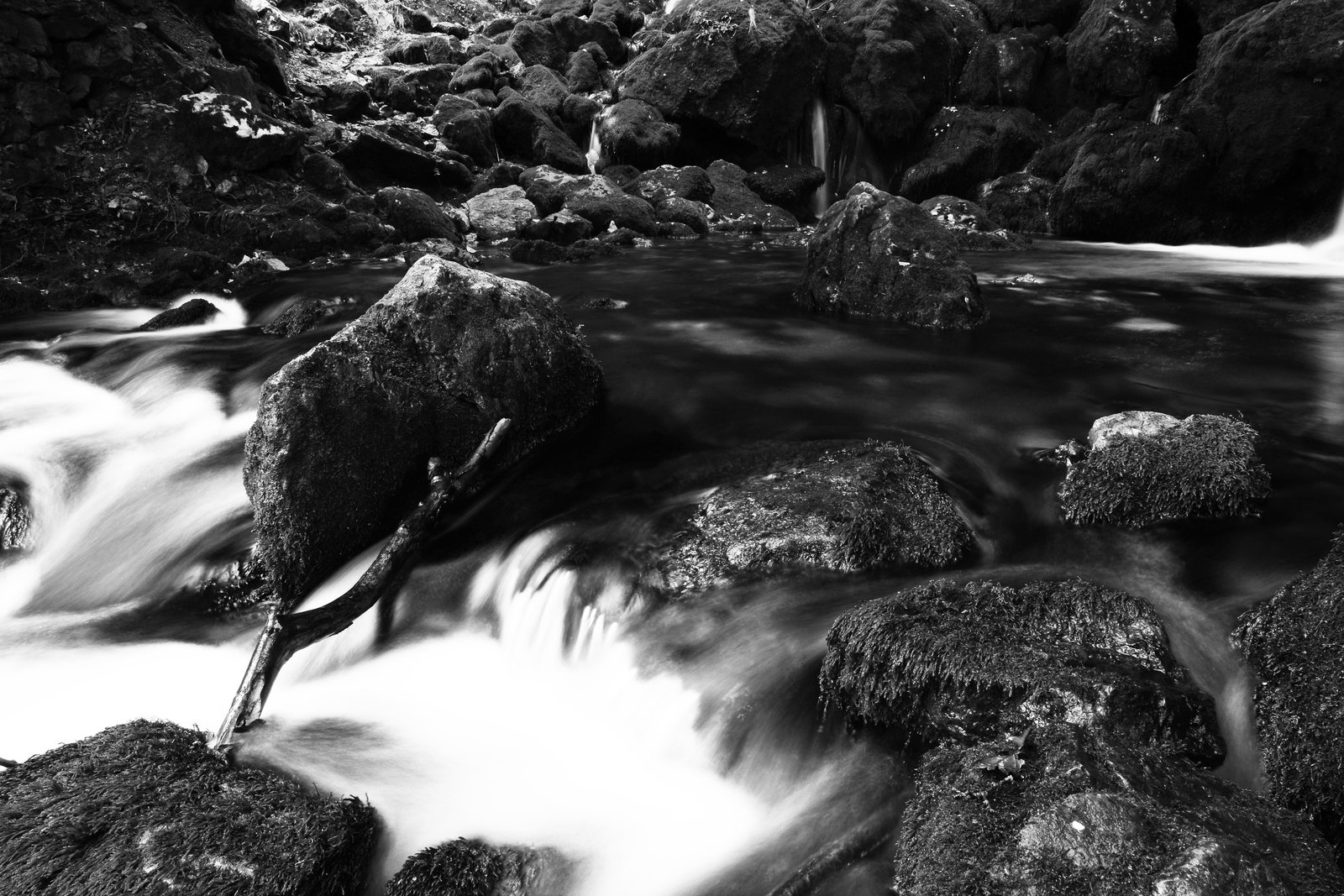
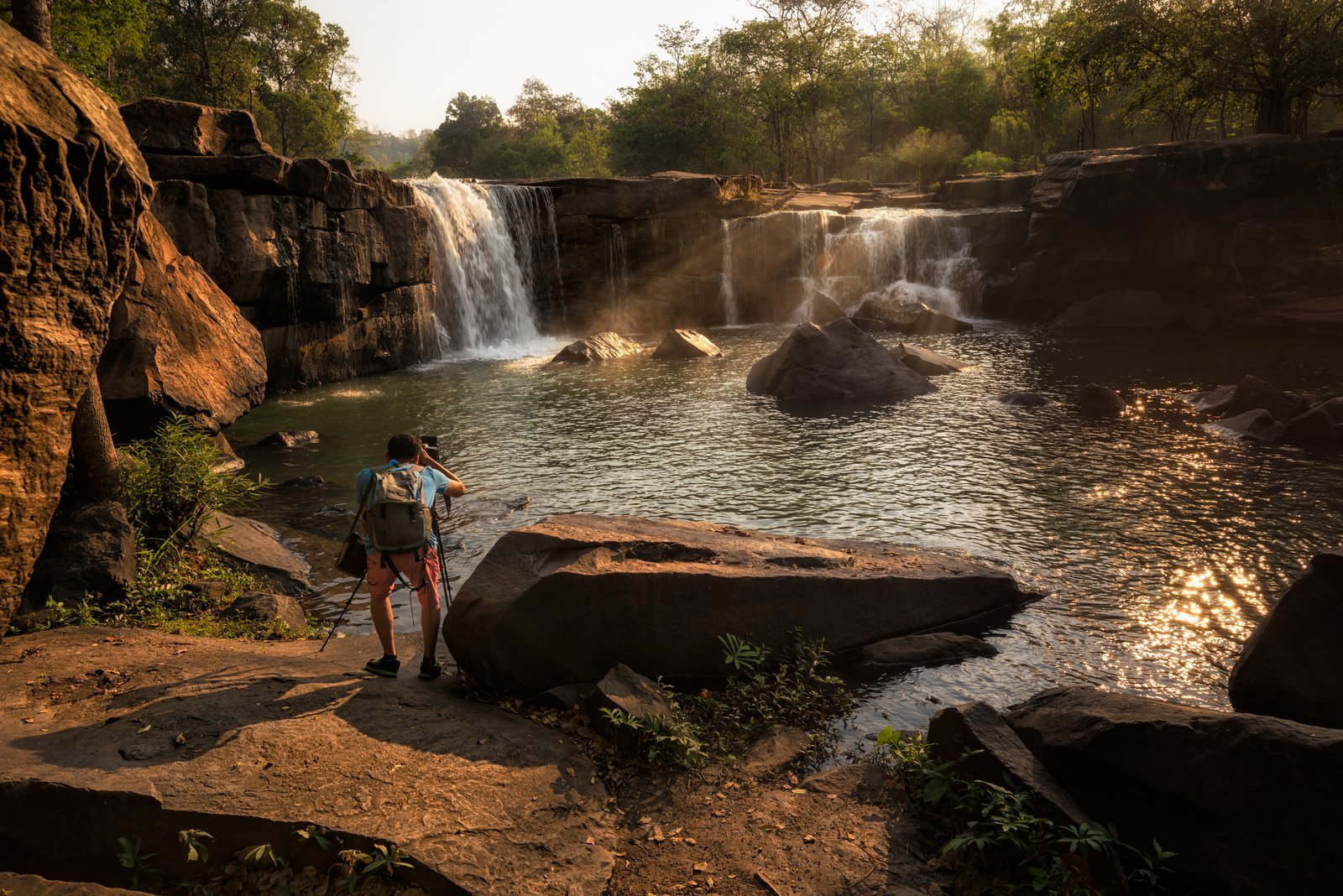
There’s a particular kind of quiet that settles over a waterfall at first light, before anyone else has made it down the trail. I’ve been standing in that quiet for twenty years, and I still get it wrong sometimes. Not catastrophically wrong, but wrong in the way that matters: technically competent, emotionally flat. The water rendered as a smooth, silky ribbon, the kind of image you’ve seen a thousand times, pleasantly executed and completely forgettable.

Why Your Waterfall Photos Look Flat (And What to Fix Before You Even Raise the Camera)

Why Your Waterfall Photos Look Flat (And What to Fix Before You Even Raise the Camera)

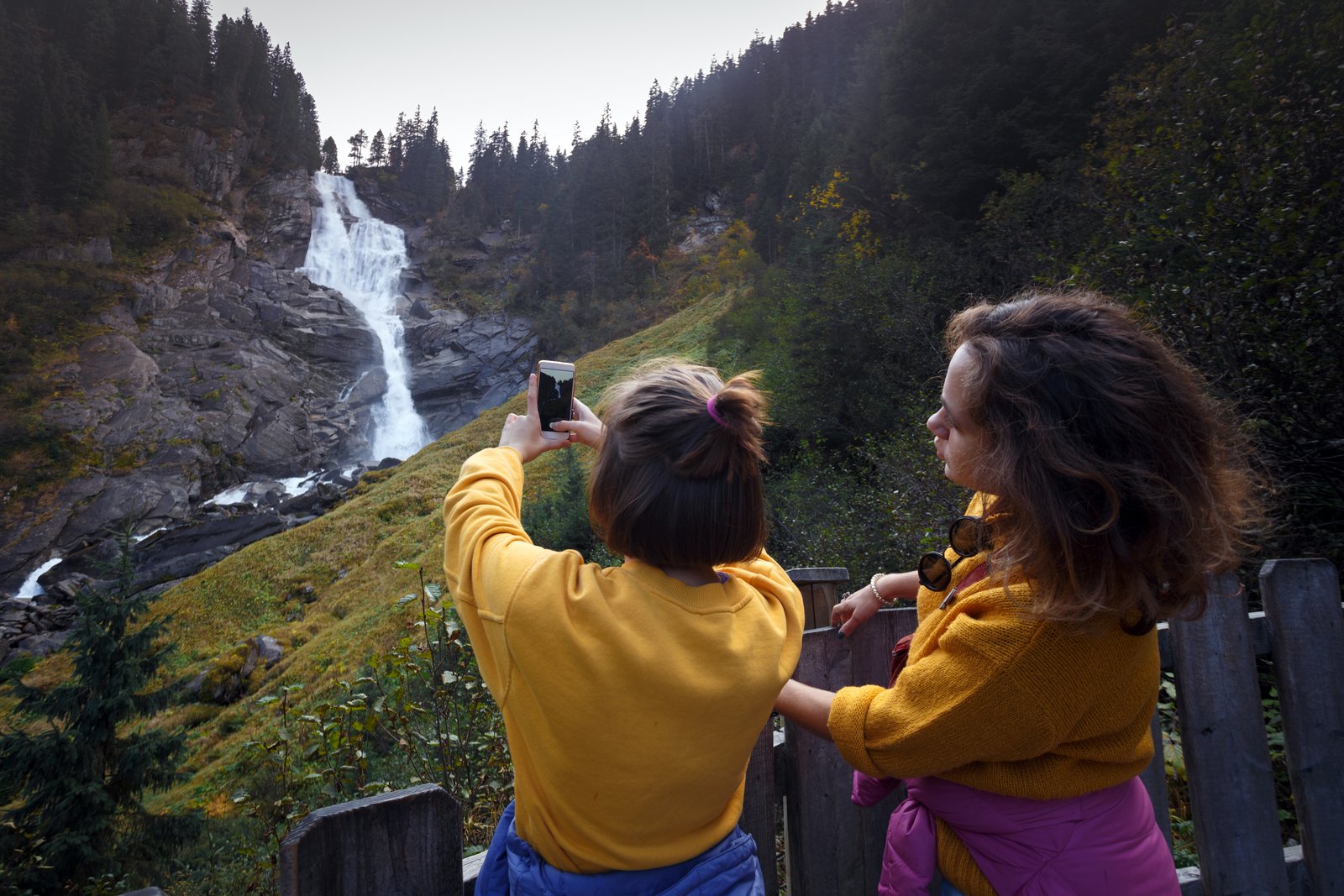
There’s a particular kind of disappointment that hits when you’ve hiked two miles in the dark, set up in the spray of a beautiful falls at golden hour, and come home with images that look like a stock photo from 2009. Silky water, sure. But flat. Lifeless. No sense of the cold or the roar or the green smell of moss on wet rock. I’ve been making that hike, in various forms, for twenty years.

What a 3-Month Photography Road Trip Taught Me About Planning, Timing, and Knowing When to Crop

What a 3-Month Photography Road Trip Taught Me About Planning, Timing, and Knowing When to Crop

I’ve driven six hours to a location, sat in thick fog for two days, and come home with exactly one usable frame. That shot is now my best-selling print. I tell that story not to romanticize suffering but because it made something permanent and true in the way I approach this work: the conditions you get are not always the conditions you planned for, and your ability to adapt in the field separates a good photographer from a great one.

Finding Beauty in Industry: How Long Exposure Transforms Harsh Landscapes

Finding Beauty in Industry: How Long Exposure Transforms Harsh Landscapes

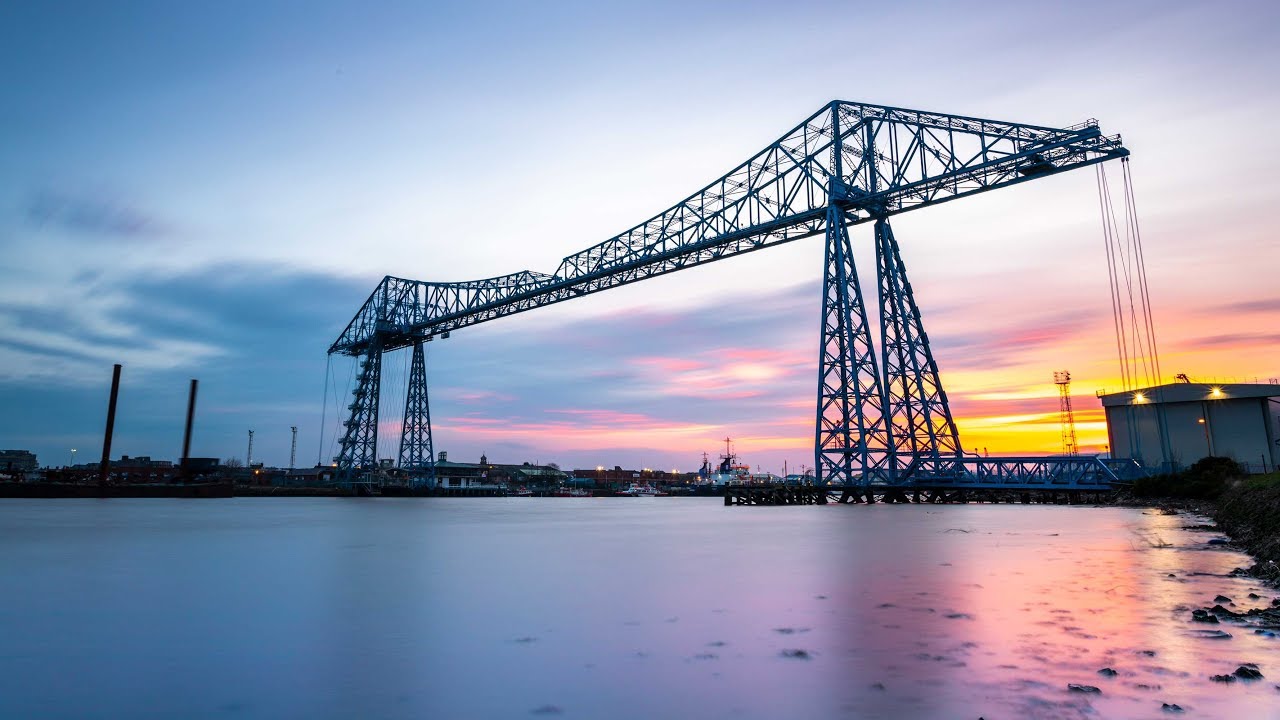
There is a particular kind of location I used to skip entirely. Power plants. Steel yards. Refineries sitting at the edge of town with their chimneys and their haze. After twenty years of chasing light across coastlines and mountain ranges, I had convinced myself that industrial scenes were somebody else’s subject matter. Then I watched Adam from First Man Photography walk up a wooded hillside toward a blast furnace site on the northeast coast of England, and something clicked.

The Camera Sees Time: How Long Exposure Transforms Ordinary Light into Something True

The Camera Sees Time: How Long Exposure Transforms Ordinary Light into Something True

What the Eye Misses, the Shutter Can Keep There’s a waterfall in the Columbia River Gorge that I’ve photographed maybe forty times. The first time I stood in front of it, I shot it the way most people do: fast enough to freeze the water, maybe 1/250s, maybe 1/500s. The image was accurate. It showed exactly what was there. And it was completely dead. The water in real life has a quality that a fast shutter erases.

Why Your Waterfall Photos Look Flat (And What to Do Before You Even Raise the Camera)

Why Your Waterfall Photos Look Flat (And What to Do Before You Even Raise the Camera)

There’s a particular kind of disappointment that hits when you drive two hours into the Cascades, hike forty minutes to a waterfall, set up your tripod in the middle of a freezing creek, and come home with photographs that look exactly like every other waterfall photograph on the internet. Silky white water. Green moss. A little bit of mist. Technically fine. Completely forgettable. I’ve made thousands of those photographs. After twenty years shooting landscapes full-time, I can tell you that the problem almost never starts with the camera settings.

Why Your Waterfall Photos Look Wrong (And What to Do Before You Even Touch the Shutter)

Why Your Waterfall Photos Look Wrong (And What to Do Before You Even Touch the Shutter)

I’ve stood in a lot of cold water over the years. Knee-deep in snowmelt at five in the morning, boots soaked through, hat pulled low, wondering whether the light was actually going to do what I’d driven three hours to see. Most of the time, the photographers who struggle with waterfalls aren’t struggling with their gear. They’re struggling with their assumptions about what a waterfall photograph is supposed to look like, and they’re making those assumptions before they’ve spent five quiet minutes actually watching the water move.

What the Dark Actually Costs You: A Night Sky Photographer's Honest Field Notes

What the Dark Actually Costs You: A Night Sky Photographer's Honest Field Notes

The Night I Stopped Guessing and Started Reading the Dark I was standing on the rim of Smith Rock at 1 a.m., shooting the Milky Way core rising over the Crooked River gorge, when I realized I had wasted the first 45 minutes of prime sky. Not because of clouds or light pollution, but because I was chasing a composition I had locked onto from a daytime scout and refused to let go of.