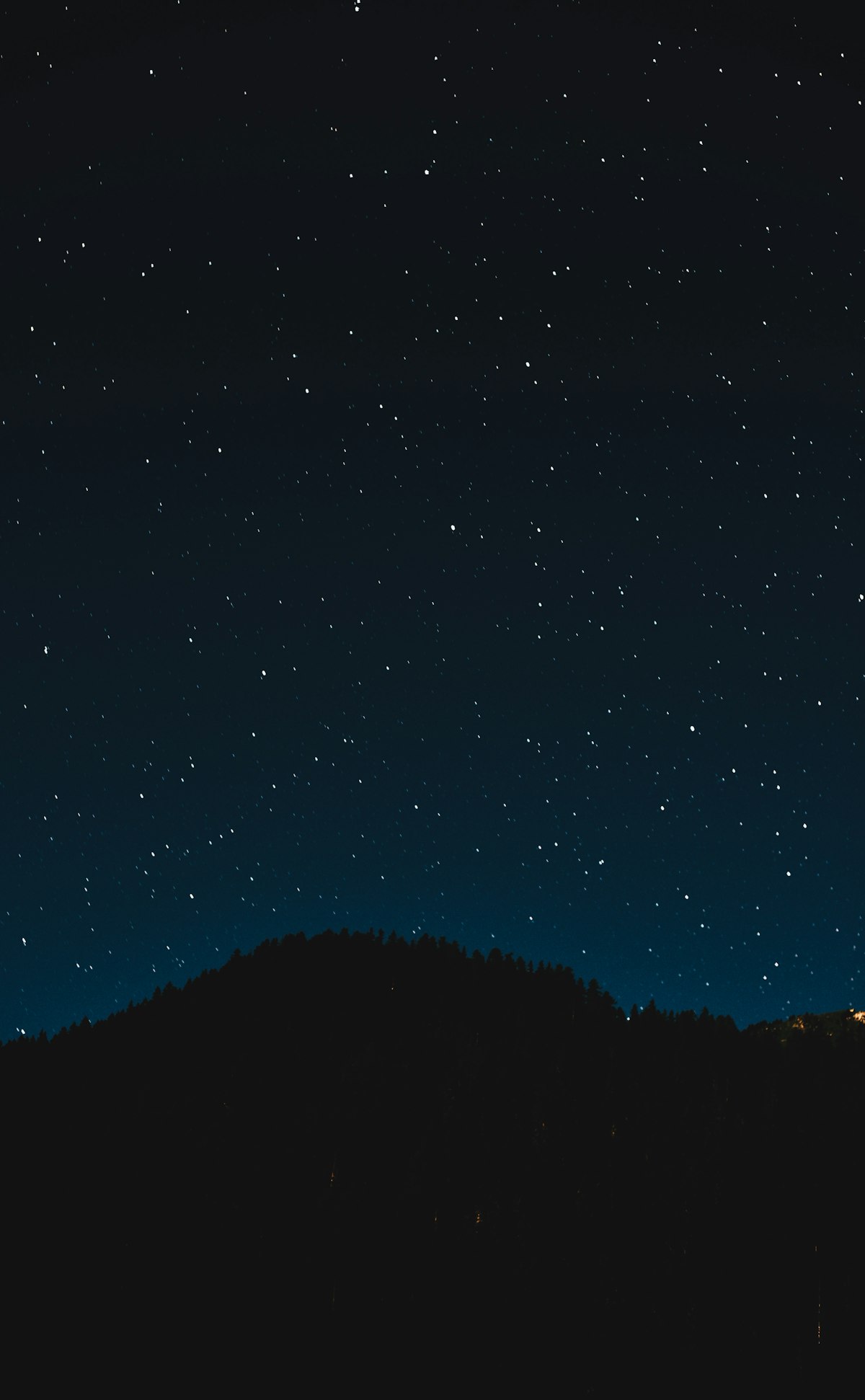
Every photographer knows golden hour. Far fewer make deliberate use of blue hour — the period of deep twilight before sunrise and after sunset when the sky turns a rich, saturated blue. This overlooked window produces some of the most atmospheric landscape images possible, with a color palette and mood that no other time of day can match.
When Blue Hour Happens
Blue hour occurs when the sun is between 4 and 8 degrees below the horizon. In practice:
Evening blue hour begins roughly 20-30 minutes after sunset and lasts about 30-40 minutes. It follows the warm afterglow of sunset and ends when the sky darkens to black.
Morning blue hour begins roughly 30-40 minutes before sunrise and ends when the horizon turns golden. Most photographers miss morning blue hour because they arrive just for golden hour.
The exact timing depends on your latitude and the season. Near the equator, twilight transitions happen quickly — your blue hour window may be only 20 minutes. At higher latitudes, the sun dips below the horizon at a shallower angle, extending blue hour to 40+ minutes. Summer blue hours are longer than winter ones at mid-latitudes.
Apps like PhotoPills or The Photographer’s Ephemeris calculate exact blue hour timing for your location and date.
Why Blue Hour Works
The Color Palette
Blue hour produces a palette that golden hour can’t: deep blue sky, warm artificial lights, and soft purple-gray on unlit surfaces. This warm/cool contrast is inherently pleasing and creates images with rich visual tension.
Cities become particularly photogenic because warm artificial lighting (streetlamps, building windows, neon) contrasts against the cool blue sky. This is why virtually every iconic cityscape photograph is shot during blue hour, not golden hour.
Balanced Exposures
During blue hour, the sky and the ground are roughly equal in brightness. At midday, the sky is much brighter than the ground, requiring filters or HDR. At golden hour, the sun creates extreme contrast. At blue hour, the ambient sky brightness drops to match the brightness of artificially lit subjects, allowing a single exposure to capture both sky and ground detail.
This exposure balance is especially valuable for architecture, cityscapes, and any scene mixing natural and artificial light.
The Mood
Blue hour images carry an inherent mood — calm, contemplative, slightly melancholic. The same scene that feels bright and cheerful at golden hour feels quiet and introspective at blue hour. This mood is useful for storytelling and fine art work.
Technical Considerations
You Need a Tripod
Blue hour light levels are low. Expect exposures of 2-30 seconds at f/8 and ISO 200. Handholding isn’t practical for sharp landscape work. Set up early and have your composition finalized before blue hour begins.
ISO and Noise
Keep ISO as low as possible. Blue skies show noise clearly — the smooth gradient from horizon to zenith reveals noise patterns that would hide in detailed scenes. ISO 100-400 with longer exposure times produces cleaner results than high ISO with shorter exposures.
White Balance
Auto white balance neutralizes the blue cast, which is the entire point of blue hour. Set white balance manually to approximately 3500-4500K to preserve the blue character. Or shoot RAW and adjust in post — but start with a cooler white balance than you’d normally use.
Timing Your Shots
The blue hour window changes rapidly. Take the same composition every 5 minutes throughout the entire window. The sky transitions from warm afterglow to rich blue to deep navy, and each stage produces a different image. You won’t know which moment was best until you compare them in post.
Subjects That Excel at Blue Hour
Cityscapes and skylines. The warm/cool contrast of city lights against blue sky is the defining blue hour subject.
Harbors and waterfronts. Water reflects the blue sky while boats and docks carry warm artificial light. The reflections double the color palette.
Lighthouses. A working lighthouse during blue hour, with its warm beam cutting through the blue atmosphere, is one of the most photographically rewarding subjects.
Bridges. Illuminated bridges against blue sky, reflected in water below, create symmetrical compositions with strong warm/cool contrast.
Lone structures. A cabin with lit windows, a church with illuminated steeple, a gas station on a dark highway — any structure with warm interior light becomes dramatically photogenic against the blue hour sky.
Combining Blue Hour with Other Techniques
Long exposure. Blue hour’s low light naturally enables long exposures. Moving water smooths into silk. Cloud movement becomes visible streaks. Vehicle headlights and taillights draw light trails.
Panoramas. The even illumination of blue hour makes panoramic stitching easier — there are no strong directional shadows that shift between frames, and the brightness is consistent across wide angles.
HDR. While blue hour is more balanced than other times, high-contrast scenes (bright neon signs against dark alleys) still benefit from exposure bracketing.
The Practical Reality
Blue hour demands planning and patience. You get 30-40 minutes of usable light, and the best conditions last perhaps 15 minutes within that window. You need to be in position with your composition ready when the light peaks. There’s no time to wander and explore.
Scout locations during daylight. Identify your compositions. Set up your tripod early. Then wait for the light to do its work. The photographers who consistently produce great blue hour images are the ones who arrive early, stay late, and accept that most of the work happens in the planning, not the shooting.