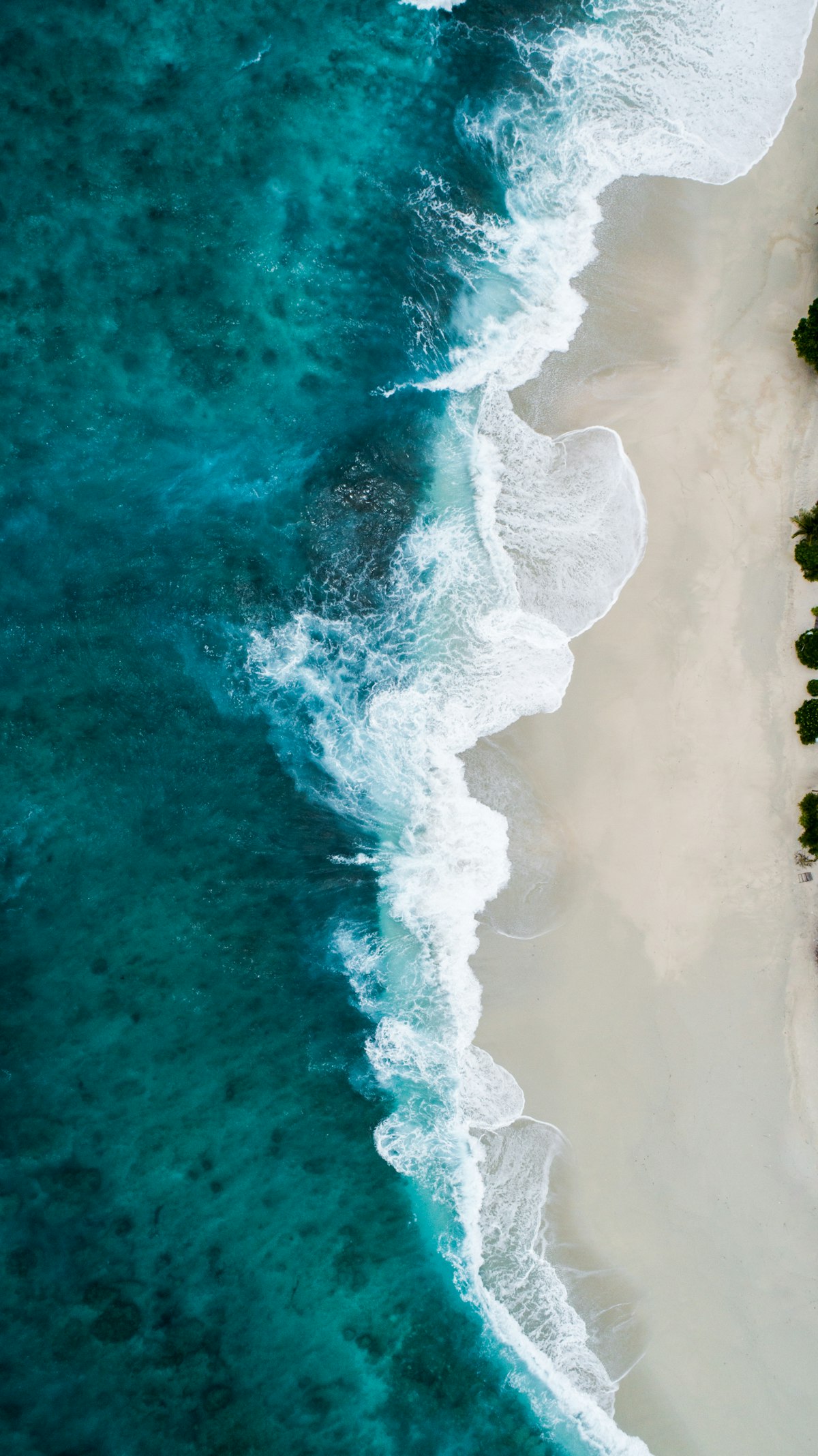
Coastal environments produce some of the most dramatic landscape photography — crashing waves, rocky shorelines, sweeping sandy beaches, and constantly changing light. They’re also the harshest environments your camera gear will ever encounter. Salt spray corrodes metal and coats optics. Sand infiltrates every crevice. Waves don’t care about your tripod placement. Shooting effectively at the coast means respecting these hazards while positioning yourself for the best images.
Protecting Your Gear
The Salt Spray Problem
Salt spray is insidious. You can’t always see it, but it’s in the air anywhere waves are breaking. It settles on every surface and, if not removed, corrodes metal parts, fogs lens coatings, and gums up moving mechanisms.
Prevention: Keep a UV or clear protection filter on your lens at all times. When spray hits, wipe the filter — not your expensive front element. Carry multiple microfiber cloths and swap them out as they get damp and salty.
After every coastal shoot: Wipe down the entire camera body and lens with a slightly damp cloth (fresh water, not seawater). Pay attention to the lens mount, battery compartment seals, and control dials. Let everything air dry completely before storing in a bag.
For heavy spray conditions: Consider a rain sleeve or underwater housing. Even a plastic bag with a hole cut for the lens provides meaningful protection during the worst spray.
Sand Management
Sand is abrasive and gets everywhere. The two critical rules:
Never change lenses at the beach. If sand gets on your sensor, it scratches. Plan your lens choice before leaving the car. If you must change lenses, turn your back to the wind, work inside your camera bag, and do it as quickly as possible.
Watch your tripod legs. Sand gets into tripod leg locks and creates grinding that scores the leg surfaces. After coastal shoots, extend the legs fully, rinse with fresh water, and let them dry before collapsing.
Working With Waves
Reading Wave Patterns
Waves arrive in sets. A sequence of 3-7 waves hits the shore, then there’s a quieter period before the next set. Watch for at least five minutes before setting up to understand the rhythm and maximum wave reach.
The one-in-seven rule: Roughly every seventh wave is significantly larger than the average. Position yourself and your tripod beyond the reach of these larger waves, not just the average ones.
Shutter Speed and Wave Character
Different shutter speeds produce dramatically different wave renderings:
- 1/1000s and faster: Freezes individual droplets in crashing waves. Dramatic and detailed.
- 1/4 to 1/15s: Captures wave motion as flowing texture while retaining recognizable wave shapes. Often the most dynamic look.
- 1-5 seconds: Smooths wave action into soft, flowing shapes. Water receding from rocks creates beautiful streaked patterns at these speeds.
- 30+ seconds: Complete silk. All wave detail vanishes into a smooth, ethereal surface. Dramatic for minimalist compositions.
Neutral density filters enable long exposures in daylight. A 6-stop ND turns 1/30s into about 2 seconds. A 10-stop ND turns 1/30s into about 30 seconds.
Timing the Shot
For dramatic wave images, timing is everything:
Crashing waves: Pre-focus on the rock or cliff where waves will impact. Wait with the shutter ready and fire when the wave hits. Burst mode helps capture the peak moment.
Receding water: Waves washing back from a beach create patterns of foam, channels, and reflections. These receding patterns often make better compositions than the incoming wave itself.
Between waves: The calm between wave sets reveals tide pools, wet rock textures, and mirror-like reflections on wet sand. These quiet moments are as photographically valuable as the dramatic ones.
Composition at the Coast
Foreground Interest
Coastal foreground elements anchor wide-angle compositions: rock formations, tide pools, seaweed, driftwood, patterns in wet sand. Use a wide lens close to these elements and stop down for depth of field from foreground to horizon.
Leading Lines
Wave wash lines, rock formations pointing seaward, jetties and piers, dune fence lines — coastal environments are full of natural leading lines that draw the eye into the scene.
Reflections
Wet sand at low tide acts as a mirror, reflecting sky colors and cloud patterns. This doubles the visual interest of the sky and creates symmetry. Shoot at low angles to maximize the reflection area in your frame.
Timing Your Coastal Shoot
Tide charts are essential. Dramatic rock formations visible at low tide disappear at high tide. Conversely, high tide brings waves closer to accessible shooting positions. Check tide tables and plan your visit accordingly.
Golden hour on west-facing coasts means the sun sets over the ocean — warm light on waves and the possibility of dramatic cloud color reflected in the water.
Storm photography. The most dramatic coastal images happen before, during, and after storms. Waves are larger, spray is more dramatic, and cloud formations are intense. But safety becomes the primary concern. Never turn your back on storm waves, and avoid rocky areas where a rogue wave could sweep you off.
The Safety Reality
People die at the coast every year by underestimating waves. No photograph is worth your life. Keep these rules absolute:
- Never stand on rocks that waves are reaching
- Always watch the water, even when shooting away from it
- If a wave is coming and you have to choose between running and saving your gear, run
- Shoot with someone else when conditions are rough
- Know your exit route before you set up