One Lens, All Day: What Shooting with a Prime Taught Me About Seeing Again

One Lens, All Day: What Shooting with a Prime Taught Me About Seeing Again

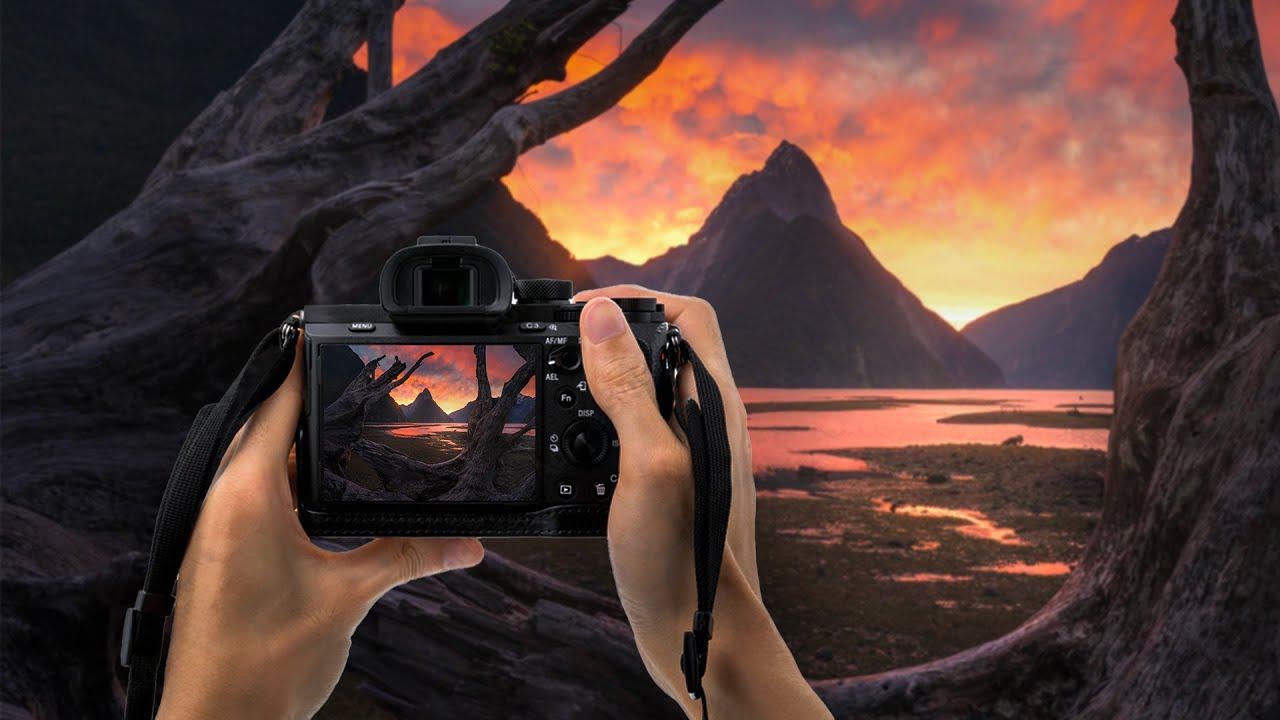
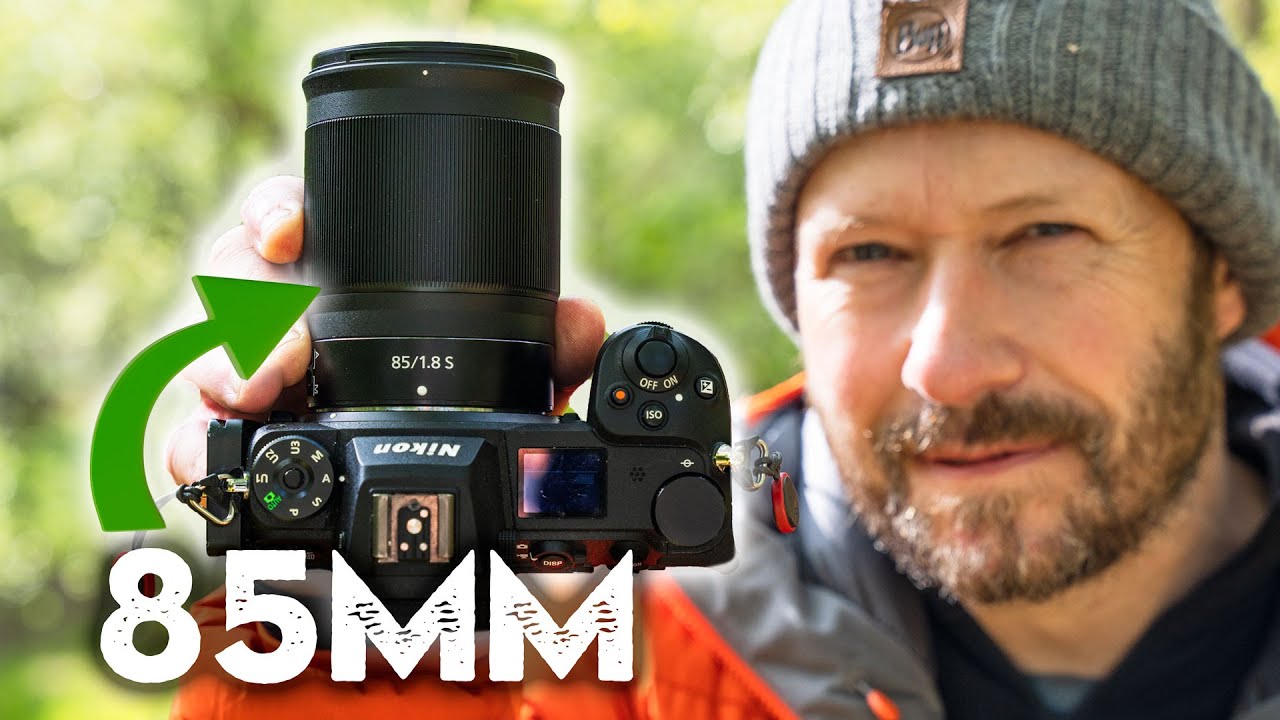
There’s a particular kind of laziness that creeps in after years of shooting with a zoom. You plant your feet, you twist the barrel, and you convince yourself you’ve explored a composition. I’ve done it in the Cascades, I’ve done it along the Oregon coast, and if I’m being honest, I’ve done it enough times that I started coming home with technically fine images that felt somehow hollow. The zoom lets you solve compositional problems from where you’re standing, and that’s exactly the trouble.
Chasing the Break: What Bad Weather Really Means for Your Landscape Photography

Chasing the Break: What Bad Weather Really Means for Your Landscape Photography

There is a particular kind of afternoon I have learned to recognize over twenty years of doing this work. The weather app looks like a threat. Rain stacked on rain, the little cloud icons relentless, and then — right at the edge of the day — a single yellow sun symbol so small you could miss it if you weren’t looking for it. Most photographers see that forecast and stay home.

How to Scout New Landscape Locations Before You Ever Leave the House

How to Scout New Landscape Locations Before You Ever Leave the House

There’s a particular kind of dread that comes from showing up somewhere you’ve never been with no plan and golden light already fading. I’ve done it more times than I’d like to admit. Twenty years into this work and I still feel the pull to just drive toward something beautiful and figure it out when I get there. The problem is that impulse costs you shots. The photographers who consistently come home with strong, original images aren’t necessarily the ones with the best gear or the best luck.

How to Photograph Fiordland From a Boat: Lessons From William Patino's Southern New Zealand Workshop

How to Photograph Fiordland From a Boat: Lessons From William Patino's Southern New Zealand Workshop

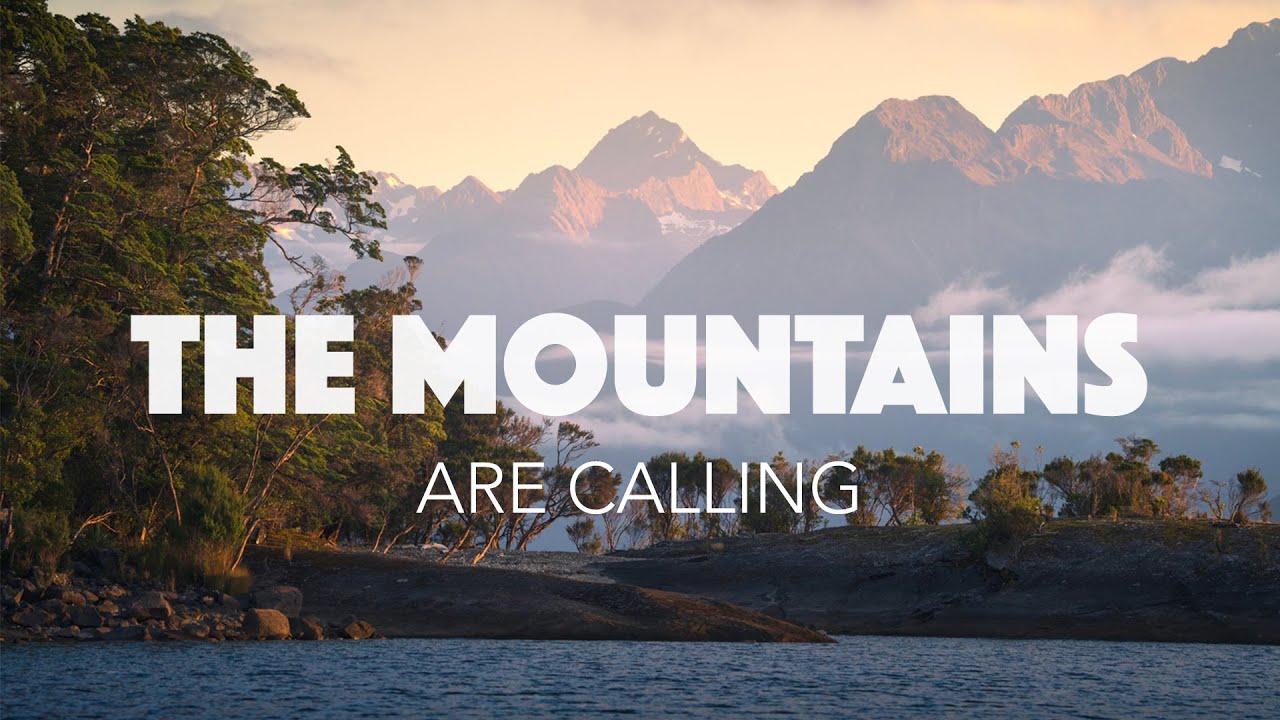
There’s a particular kind of wilderness photography that breaks every routine you’ve built. No tripod spot scouted the night before. No predetermined composition saved in your notes app. You wake up, the mountain has rearranged itself with fresh snow and low cloud, and you have roughly ten minutes to figure out what you’re looking at before it changes again. That’s the challenge William Patino works inside for an entire week every year, and watching how he handles it reminded me why I got into this work in the first place.

When the Light Is Perfect and the Composition Isn't: Lessons from the Norwegian Coast

When the Light Is Perfect and the Composition Isn't: Lessons from the Norwegian Coast

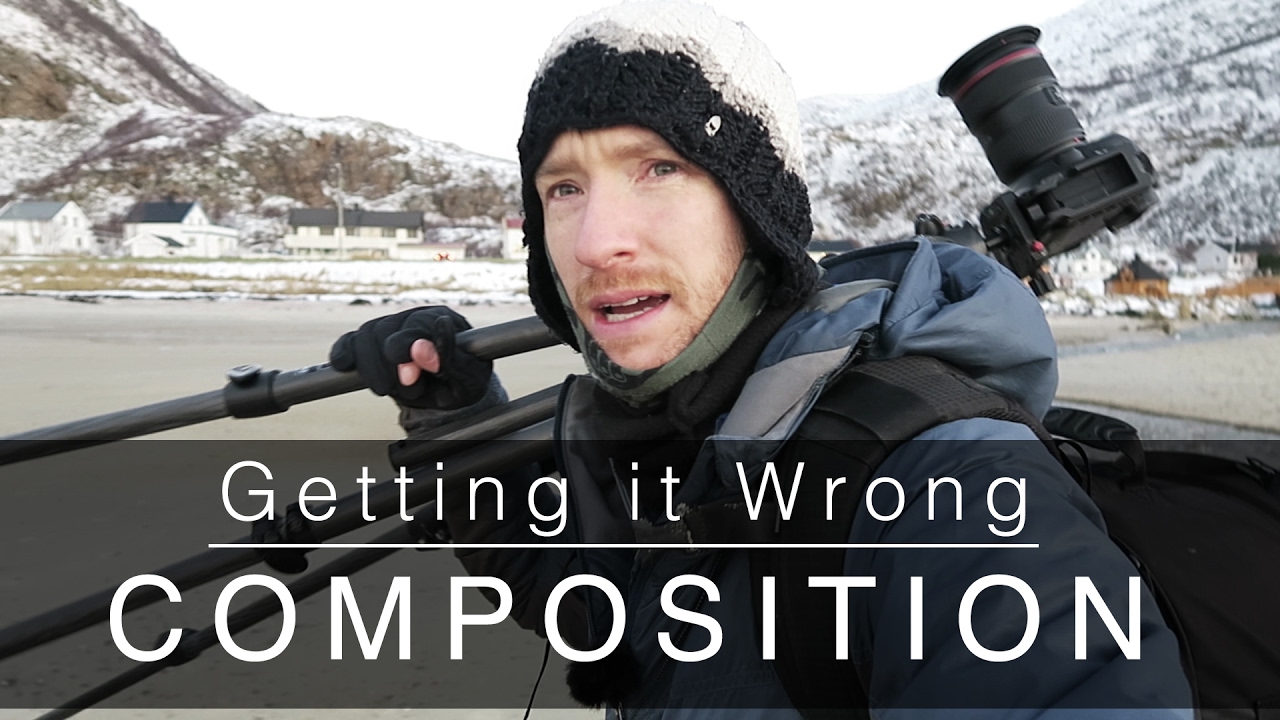
There’s a particular kind of frustration that only landscape photographers know. The light is extraordinary. The scene is genuinely beautiful. And you simply cannot find a composition that works. You’re standing there in conditions you drove hours to reach, burning through the golden minutes, and every frame you build feels wrong. I’ve been chasing landscapes for twenty years and that specific failure still gets me. It’s humbling every single time.

Why Your Landscape Photos Feel Empty (And What to Do Before You Raise the Camera)

Why Your Landscape Photos Feel Empty (And What to Do Before You Raise the Camera)

The Moment Most Photographers Waste I pulled off Highway 20 near the Cascades last October, probably around 5:15 in the morning. The alpenglow was building behind the Sisters, the kind of light that makes your hands shake a little. The guy who’d been parked next to me was already shooting, camera up, rattling off frames before his boots were fully laced. I put on my hat, poured coffee from my thermos, and stood there for about ten minutes doing nothing.

Shoot Like You're Making a Print: The Mindset Shift That Changed How I Work in the Field

Shoot Like You're Making a Print: The Mindset Shift That Changed How I Work in the Field

There’s a particular kind of frustration I know well. You drive out before dawn, you find decent light, you shoot for two hours, and you come home with 400 frames and nothing you actually love. Not because the location was wrong or the light failed you. Because you were collecting images instead of making them. I’ve been shooting landscapes full-time for two decades, and that trap still exists if I let it.

What Nigel Danson's Extreme Printing Experiment Taught Me About Shooting in Remote Locations

What Nigel Danson's Extreme Printing Experiment Taught Me About Shooting in Remote Locations

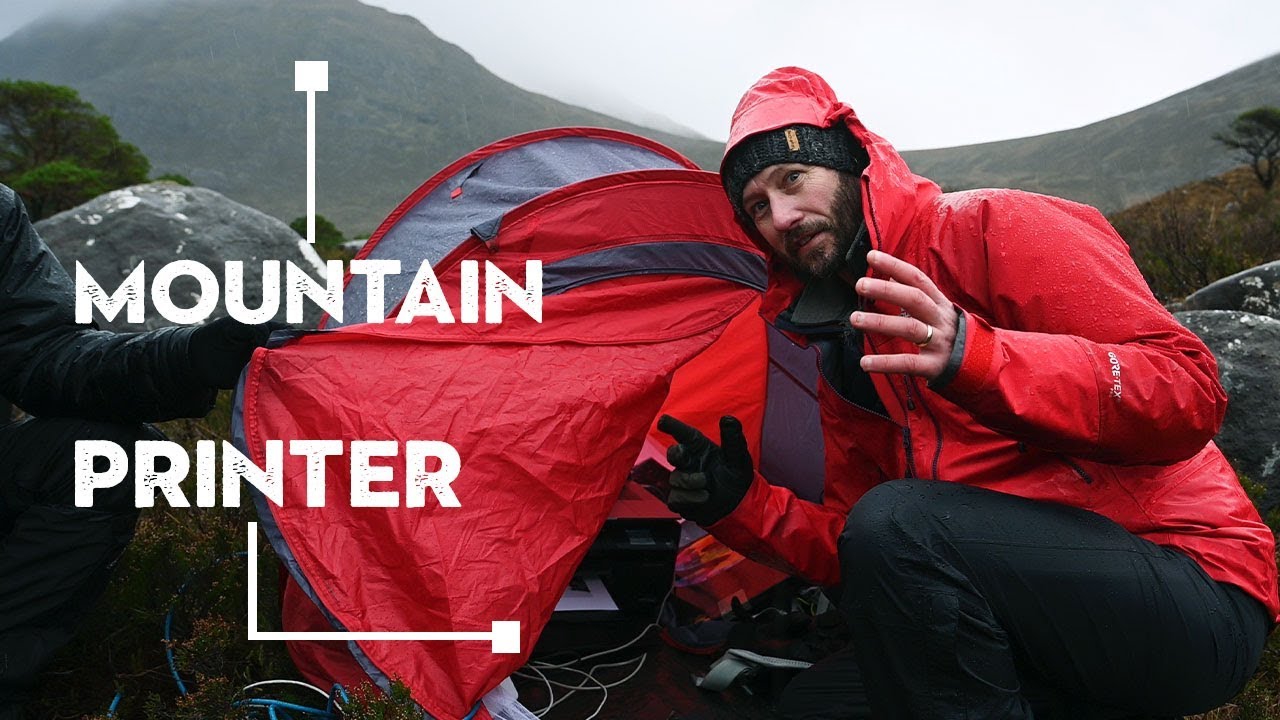
There’s a particular kind of clarity that comes when you make the work harder than it needs to be. I’ve stood in freezing rivers at 4am more times than I can count, and every time my kids ask me why I don’t just wait until the light is reasonable and the ground is dry, I tell them the same thing: the difficult conditions are usually the point. So when I came across a recent Nigel Danson tutorial where he and the team from Photo Speed haul a 25-kilogram printer up a Scottish mountain at dawn to print photographs on location, I didn’t watch it because the stunt was funny.

Chasing Arctic Light in Tromso: Field Lessons from a Winter Fjord Shoot

Chasing Arctic Light in Tromso: Field Lessons from a Winter Fjord Shoot

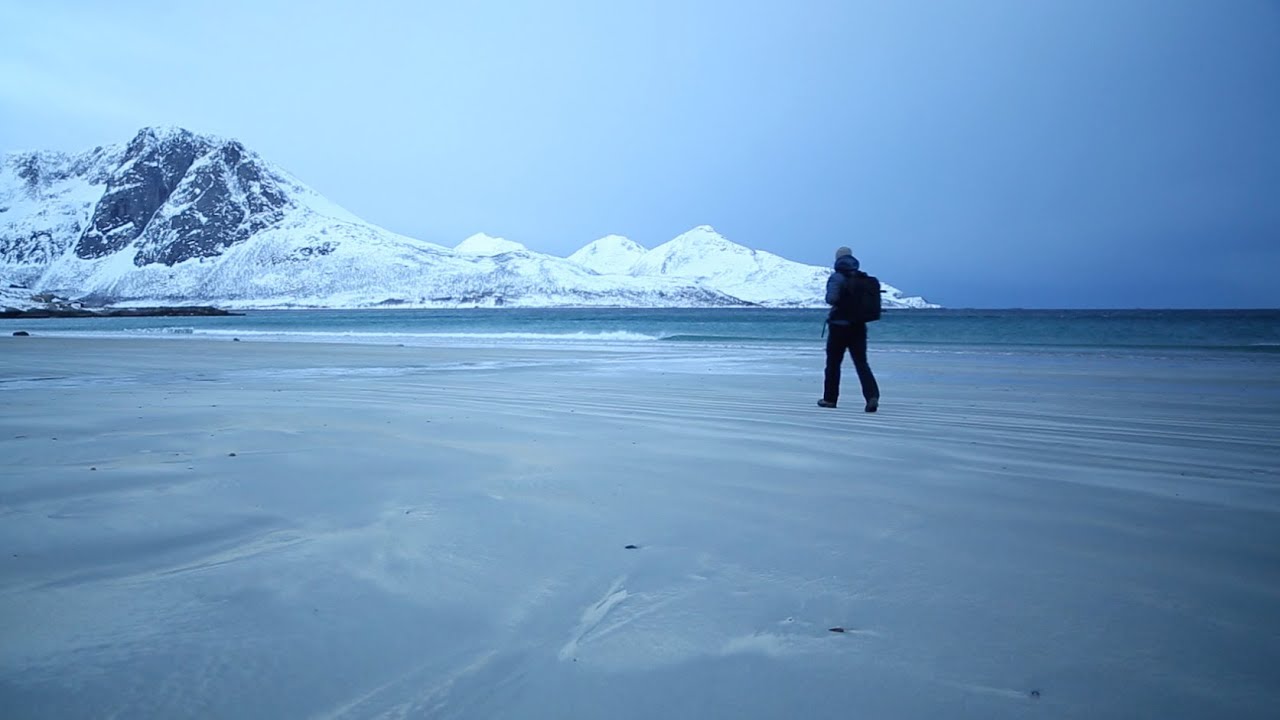
There’s a particular kind of problem that follows you into unfamiliar landscapes: you’ve traveled a long way, you don’t know the terrain, and the light starts moving before you’ve found a single composition. I’ve felt that pressure on the Oregon coast, in Iceland, and high in the Cascades. The scramble is real, and it humbles you every time. That’s exactly why I keep returning to Thomas Heaton’s field vlogs. They don’t show you a polished highlight reel.

When the Landscape Surprises You: Shooting Seascapes and Staying Ready for the Unexpected

When the Landscape Surprises You: Shooting Seascapes and Staying Ready for the Unexpected

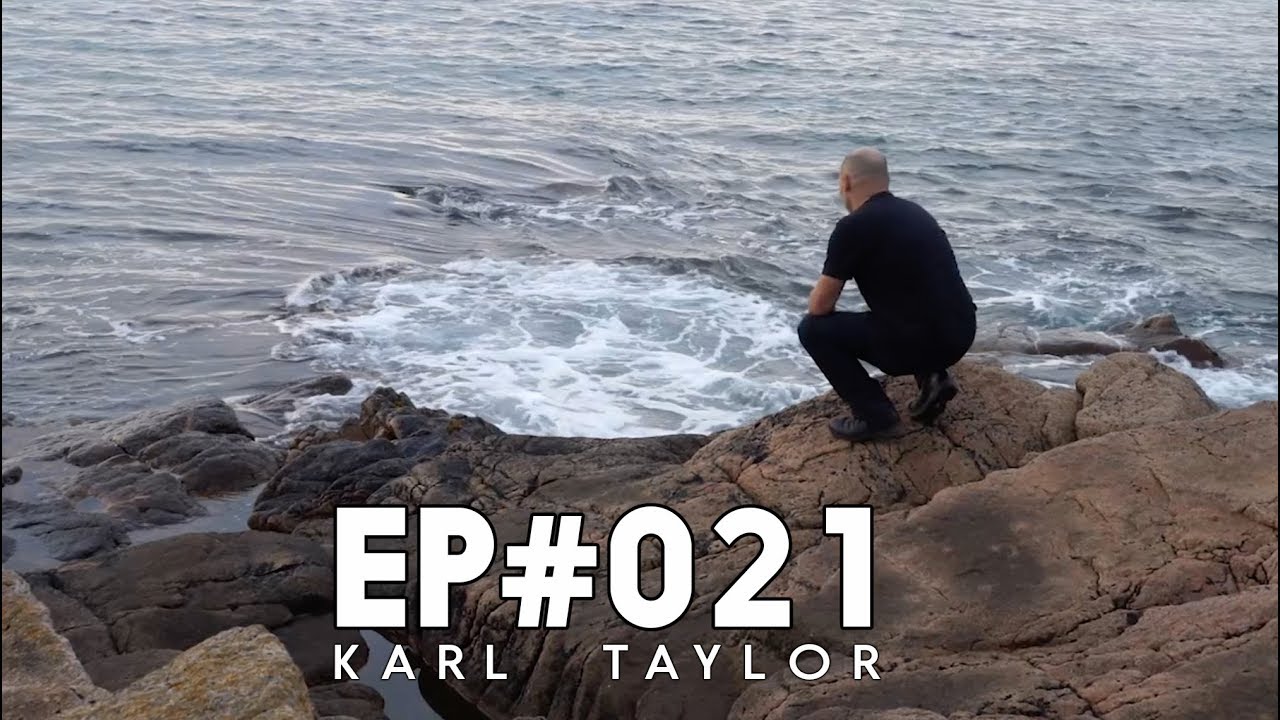
There’s a particular kind of frustration I know well: you’ve done your location scouting, checked the forecast three times, and then you’re standing on a cliff edge watching flat grey light bleed across the sky while the clouds do exactly nothing interesting. I’ve had sessions like that more times than I can count, and they’ve taught me more than the golden-hour home runs ever did. That’s part of why I keep coming back to work from photographers who shoot in real conditions, not controlled ones.

Why Your Panoramas Look Wrong (And How to Fix Them Before You Leave the Location)

Why Your Panoramas Look Wrong (And How to Fix Them Before You Leave the Location)

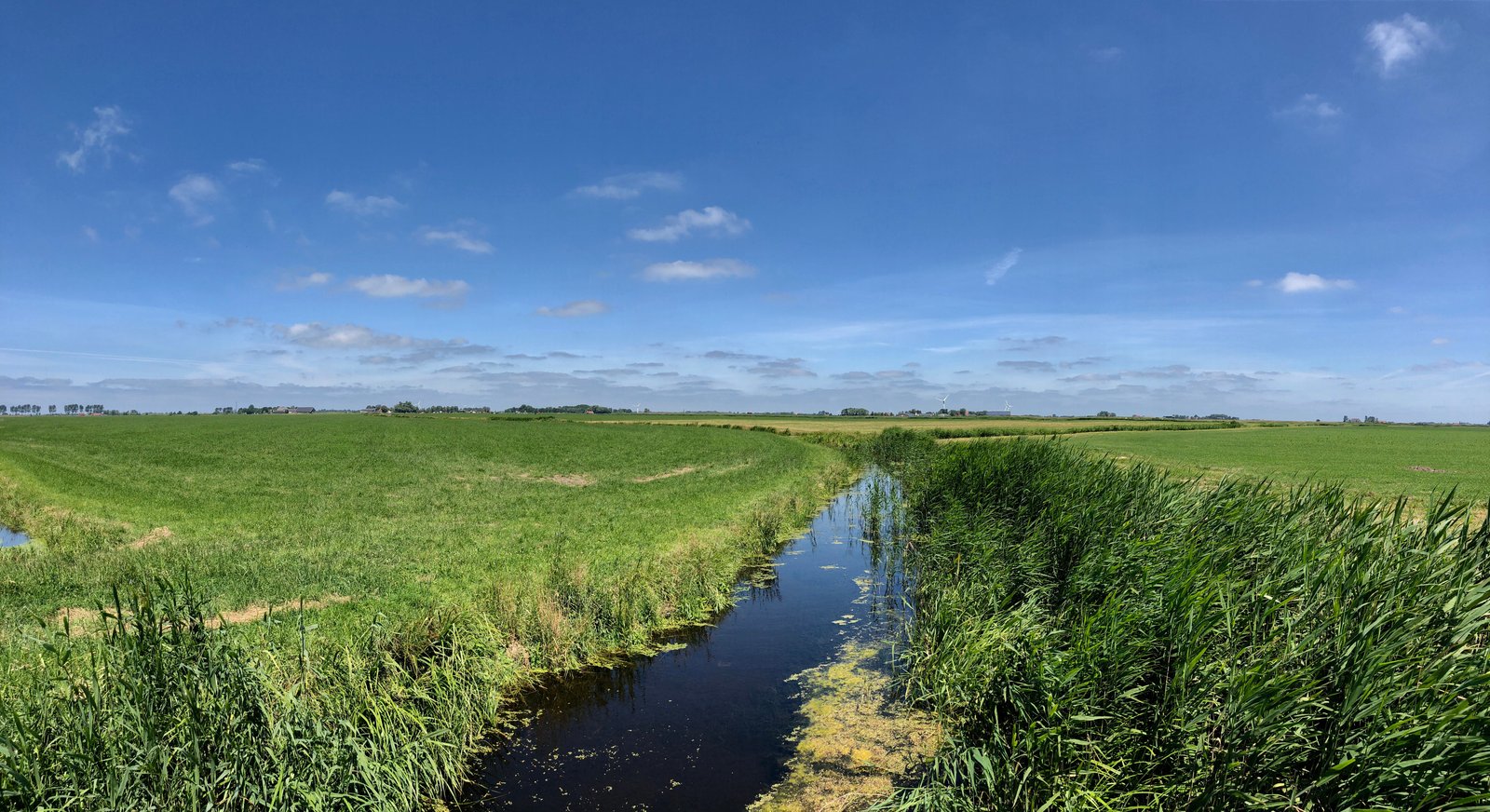
There’s a ridgeline I return to every few years above the Three Sisters wilderness area. The scene demands a panorama. The peaks spread across roughly 180 degrees of sky, and no single frame, even at 16mm, does justice to the spatial weight of standing up there in early light. The first time I shot it, I came home with eight beautifully exposed frames that stitched into a warped, horizon-bending disaster. The peaks looked like they were melting toward each other.

Why Light Makes or Breaks the Shot (And What Iceland Taught Me About Waiting for It)

Why Light Makes or Breaks the Shot (And What Iceland Taught Me About Waiting for It)

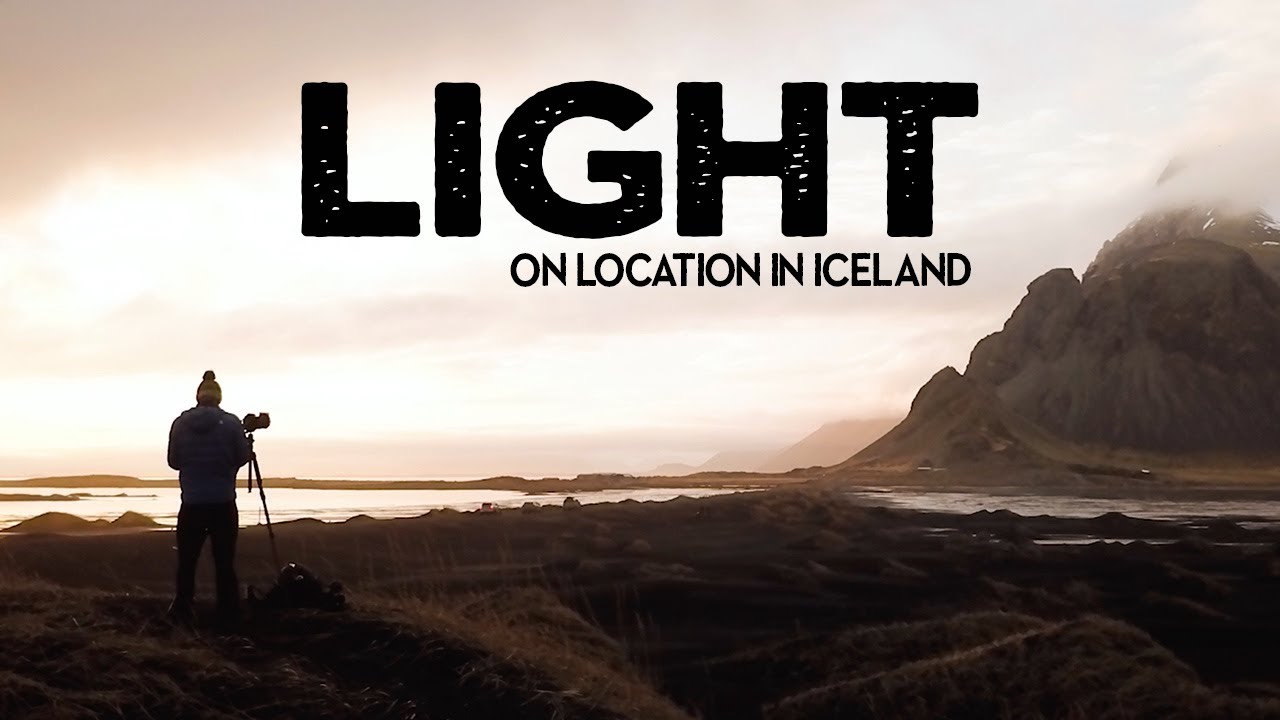
There’s a version of me from fifteen years ago who would have set up a tripod at that glacier, fired off a hundred frames in flat midday light, and driven home convinced I’d done the work. I know better now. The hardest skill in landscape photography isn’t composition or exposure. It’s reading the quality of light in front of you and making an honest call about whether it’s worth pressing the shutter at all.