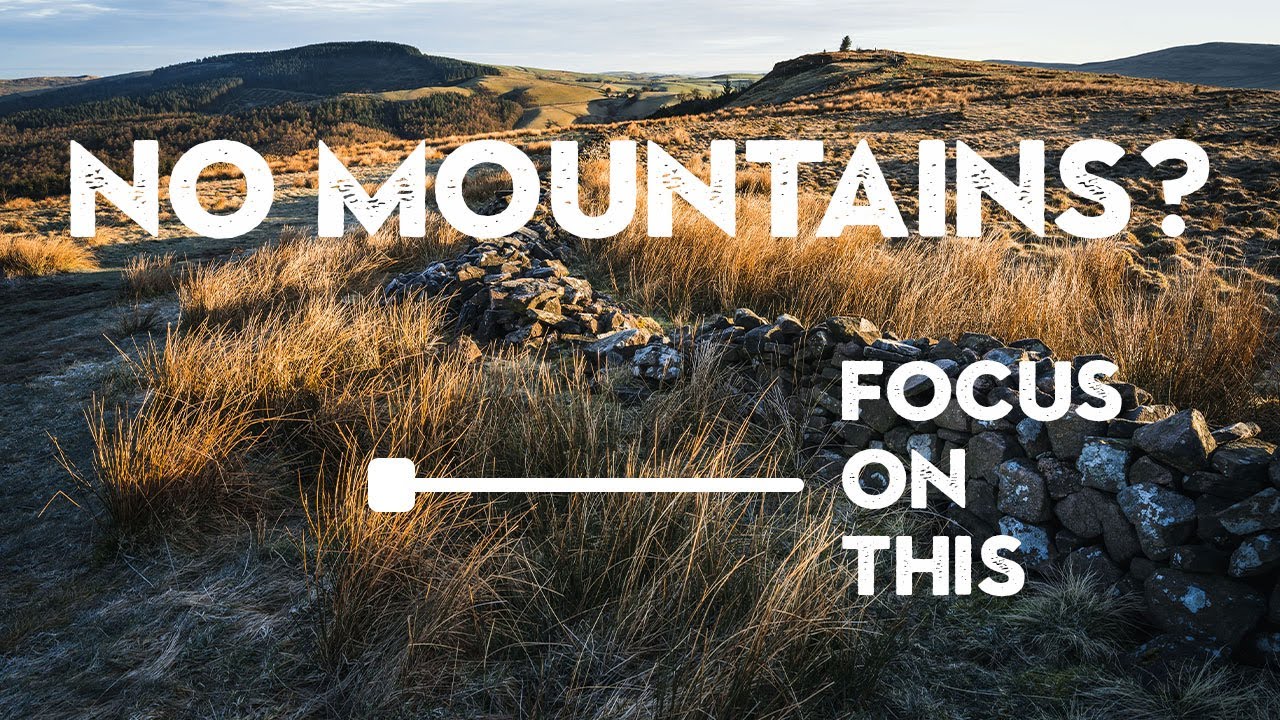
Finding the Shot in Flat Country: How Foreground Transforms Ordinary Landscapes

Finding the Shot in Flat Country: How Foreground Transforms Ordinary Landscapes

There’s a particular kind of despair that sets in when you pull up to a flat location and realize the horizon isn’t going to save you. No dramatic peaks, no crashing water, nothing to anchor the eye. I’ve been there more times than I’d like to admit, standing at the edge of some wide, unremarkable plain in central Oregon at 4:45 in the morning, wondering why I got out of bed.
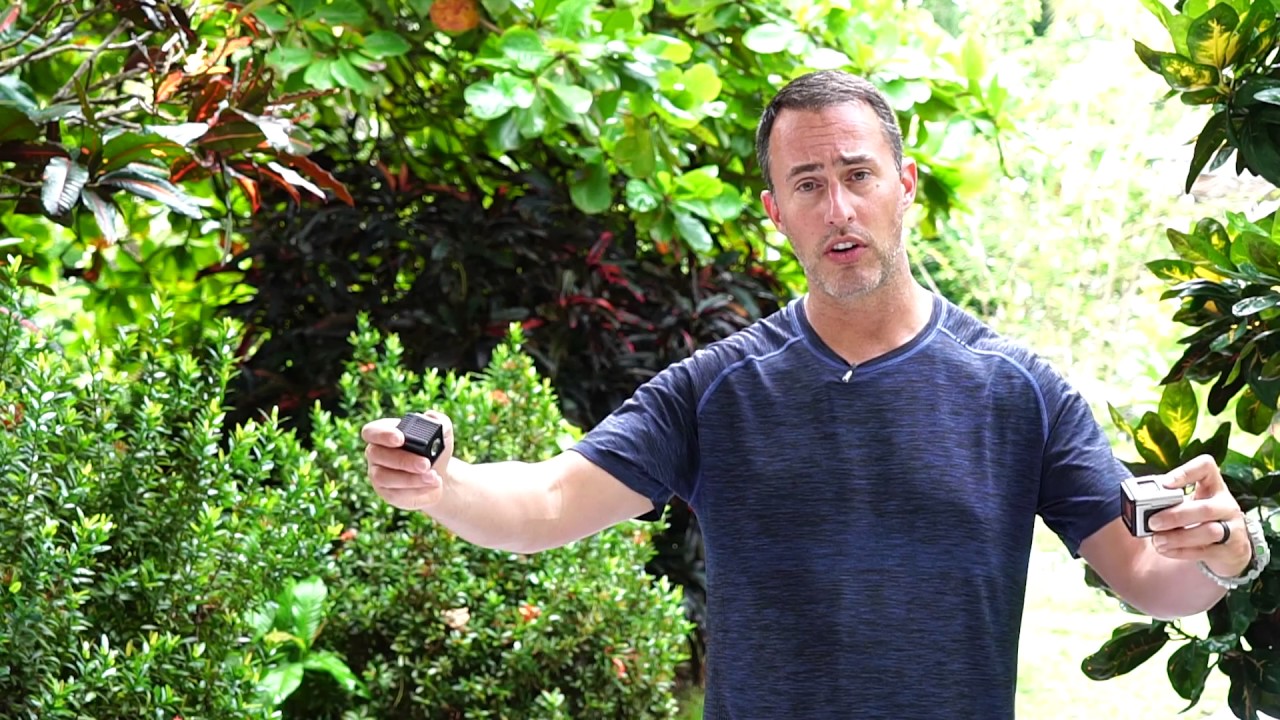
The Tiny Light That Changed How I Shoot in Dark and Flat Conditions

The Tiny Light That Changed How I Shoot in Dark and Flat Conditions

I’ve spent twenty years chasing light as a landscape photographer, which means I’ve also spent twenty years cursing the absence of it. Flat, overcast mornings that turn a fern into a gray smudge. Primary forest so dense the canopy swallows every photon before it reaches the forest floor. The desperate, slightly embarrassing move of holding my phone flashlight up to a subject with one hand while trying to fire the shutter with the other.

Why Removing Expectations Might Be the Most Important Photography Skill You'll Ever Develop

Why Removing Expectations Might Be the Most Important Photography Skill You'll Ever Develop

There’s a particular kind of paralysis that creeps in after you’ve been doing this long enough. You’ve shot enough sunrises that you know, more or less, what a good one looks like. You’ve hiked to enough overlooks that the mental checklist runs automatically: light direction, foreground interest, horizon placement. And somewhere in all that accumulated competence, the wonder starts to quietly drain out. I’ve been shooting landscapes full-time for twenty years, and I still fight this.

What Fall Light Actually Does to Leaves (And How to Use That Against It)

What Fall Light Actually Does to Leaves (And How to Use That Against It)

Autumn is the season that exposes every weakness in your field process. The light shifts fast, the color window is brutally short, and if you show up on the wrong day with the wrong instincts, you come home with a memory card full of blown-out, washed-out, reflective mush. I’ve been chasing fall color for two decades and I still catch myself making the same fundamental mistake: treating autumn like summer, assuming bright sun equals better photographs.

Macro Landscape Photography: What Happens When You Pair a 40MP Sensor With Your First Real Macro Lens

Macro Landscape Photography: What Happens When You Pair a 40MP Sensor With Your First Real Macro Lens

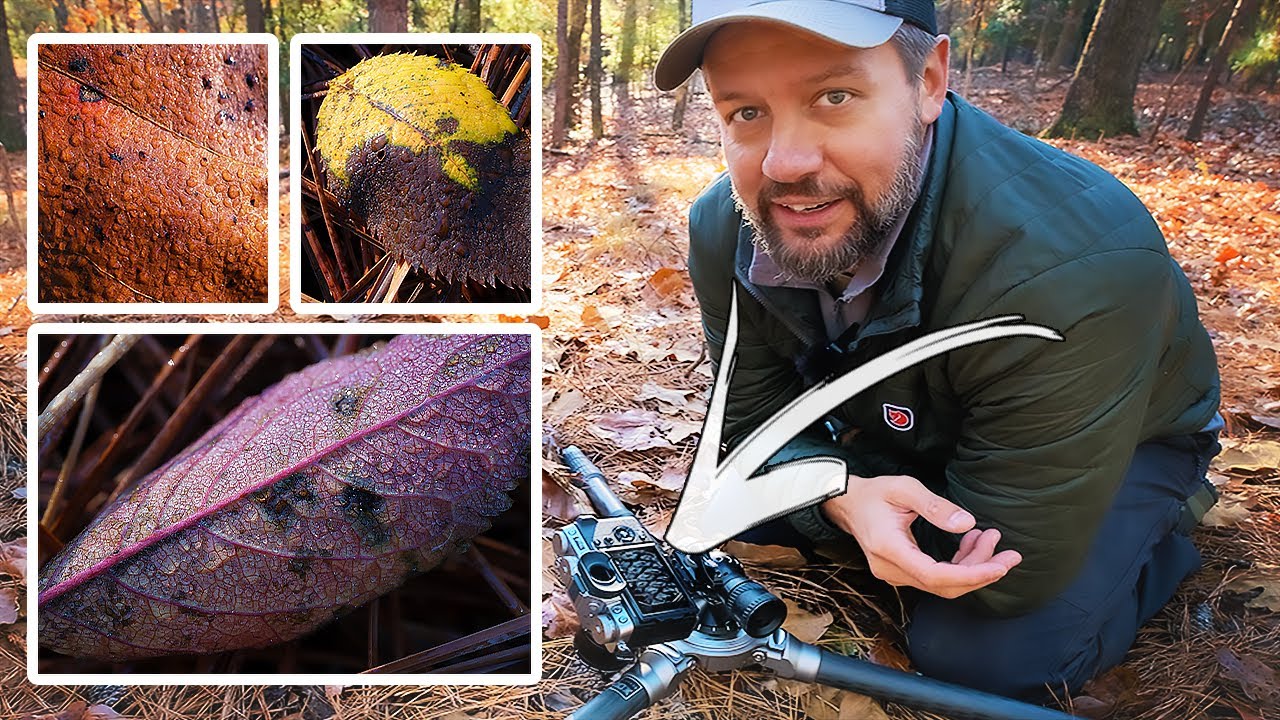
There’s a particular kind of restlessness that sets in when you’ve been shooting the same way for a long time. I know it well. After two decades of waking before dawn and hauling gear through the dark outside Bend, Oregon, I still hit patches where everything I produce feels like a variation on something I’ve already made. The cure, almost every time, is to pick up a tool or technique I’ve never used and let the learning process drag me out of my own habits.

How to Photograph Mule Deer and Pronghorn in the Field: Settings, Patience, and Reading Animal Behavior

How to Photograph Mule Deer and Pronghorn in the Field: Settings, Patience, and Reading Animal Behavior

There’s a particular kind of frustration that comes from standing fifty yards from a beautiful mule deer buck and walking away with nothing usable. The light was wrong, or the background was a mess of competing branches, or the animal’s ears were pinned back and it looked like it was bracing for a fight. I’ve had that experience more times than I care to count, and most of those failures came down to not knowing what to look for or how to respond quickly when a scene started coming together.

Stop Posting Edits You'll Regret: The Three-Pass Workflow That Changed How I Finish Images

Stop Posting Edits You'll Regret: The Three-Pass Workflow That Changed How I Finish Images

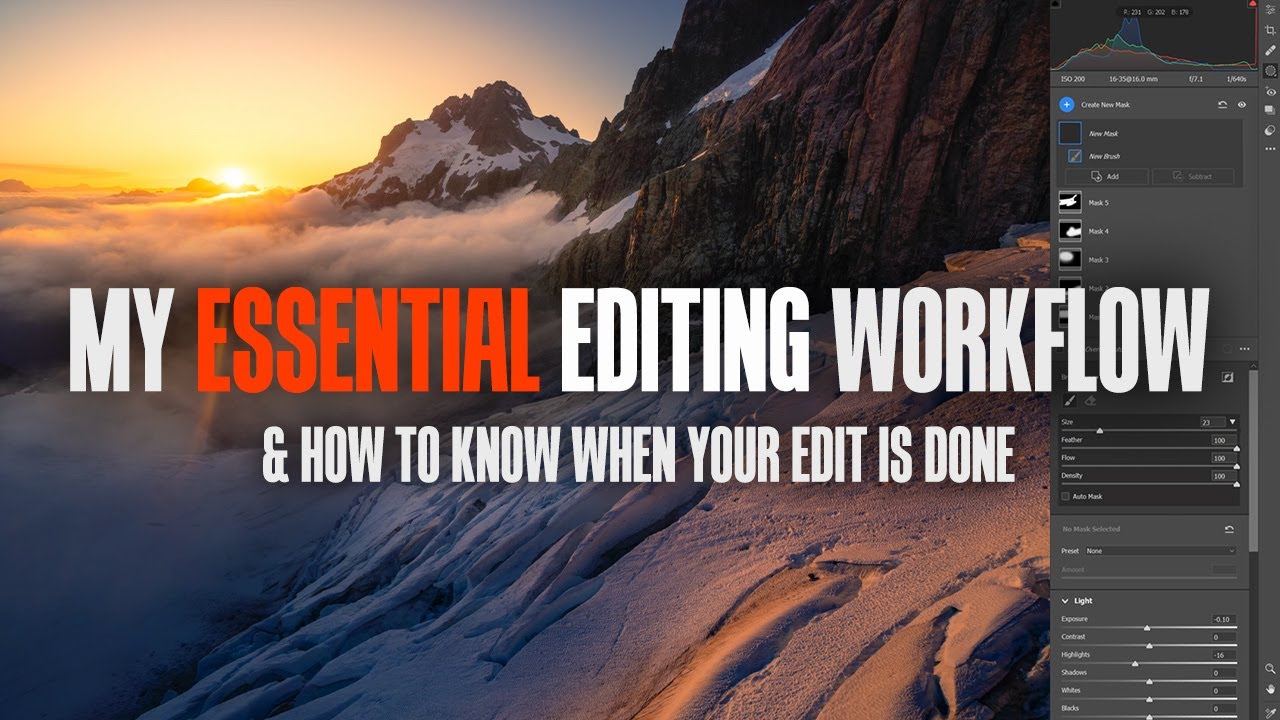
There’s a particular kind of dread that hits around 11pm. You’ve spent the evening pushing sliders, the image finally looks the way you wanted it to, and you share it before the feeling passes. Then morning comes. You pull it up on your phone over coffee and the colors look radioactive, the shadows are muddy, and you can’t figure out what you were seeing the night before. I’ve been doing this for twenty years and that feeling still finds me when I let it.

Color Is a Decision, Not an Accident: How to Use It Intentionally in Landscape Photography

Color Is a Decision, Not an Accident: How to Use It Intentionally in Landscape Photography

Color used to be something I reacted to. I’d get home, open Lightroom, and start pushing sliders around until the image “felt right.” Sometimes it worked. More often I was just guessing, hoping the oranges would pop or the blues would settle without blowing the whole thing out. Twenty years of doing this for a living will eventually teach you that hoping isn’t a strategy. What changed for me was learning to treat color as a deliberate choice made before I ever leave the house — not a correction made after the fact.

Beyond the Rose: Finding Extraordinary Beauty in Overlooked Flora

Beyond the Rose: Finding Extraordinary Beauty in Overlooked Flora

The Misconception About Floral Photography When I first started exploring nature photography seriously, I assumed flower photography would be my easiest entry point. After all, the subject matter arrives pre-packaged with inherent beauty. Unlike wildlife that bolts at your approach or landscapes that demand perfect timing with weather and light, flowers simply exist—stationary, obliging, already gorgeous. What could possibly be difficult about that? I’ve since learned how wrong that assumption was.

Don't Find Your Composition Until the Light Gets Good — A Mountain Sunset Strategy

Don't Find Your Composition Until the Light Gets Good — A Mountain Sunset Strategy

There’s a particular kind of panic that hits when you’re standing in front of something magnificent and you know the light is about to go. I’ve felt it hundreds of times over twenty years of doing this work. Your hands move faster than your brain, you grab a composition that feels safe, and you fire off fifty nearly identical frames. You drive home thinking you nailed it. You open the files and feel that slow deflation.

The Stolen Hour Principle: What Unplanned Shoots Teach You About Seeing

The Stolen Hour Principle: What Unplanned Shoots Teach You About Seeing

There’s a version of landscape photography that lives entirely in spreadsheets. Planned shoots, researched locations, golden hour alarm clocks, weather apps checked three times a day. I know that version well. I’ve been living it for twenty years, and it produces results. But it can also calcify your vision if you let it. You start confusing preparation with seeing, and those are two very different skills. Watch the full tutorial on YouTube

The 100-400mm f/2.8 That Actually Goes Outside: Field Notes on OM's 50-200mm Lens

The 100-400mm f/2.8 That Actually Goes Outside: Field Notes on OM's 50-200mm Lens

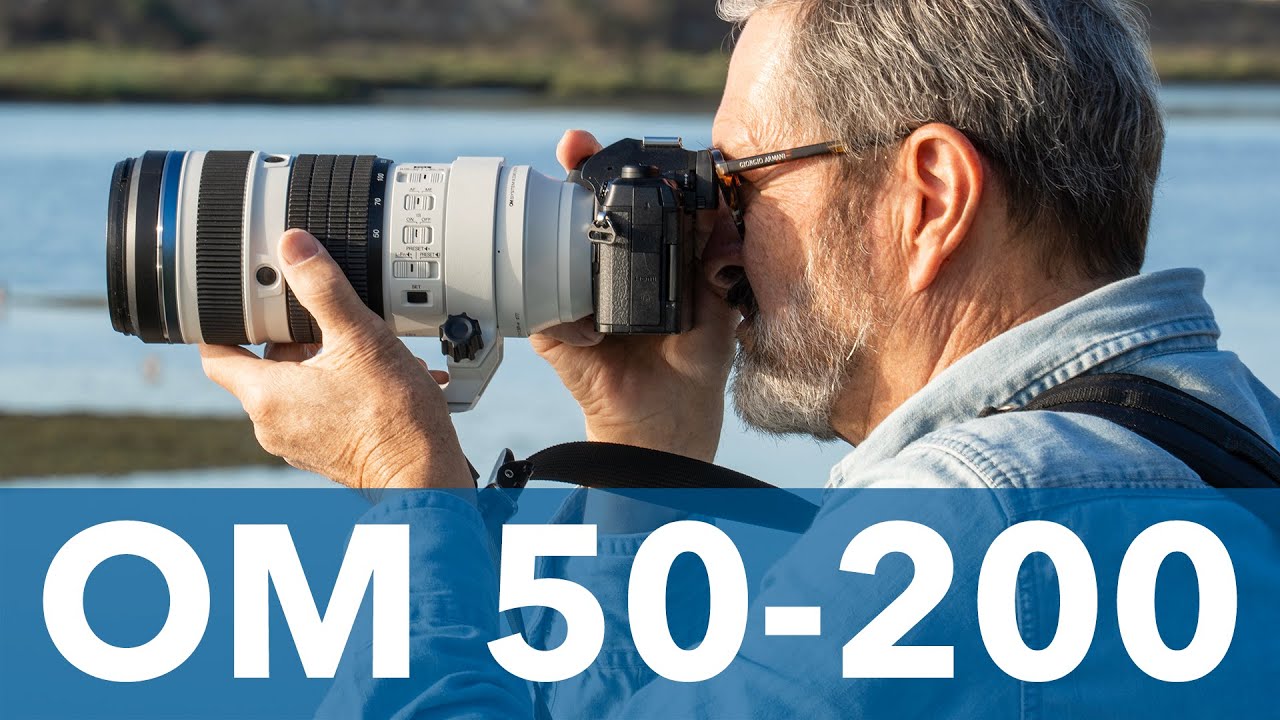
There’s a particular problem I’ve never fully solved with wildlife and wetland shooting: the gear that gives you reach doesn’t give you light, and the gear that gives you light doesn’t go near water. I’ve spent twenty years working around that trade-off, hauling separate kits for different conditions, babying lenses at the edge of marshes, making peace with the idea that a true fast telephoto was something you rented or didn’t own.