Night Sky Photography for Beginners

Night Sky Photography for Beginners

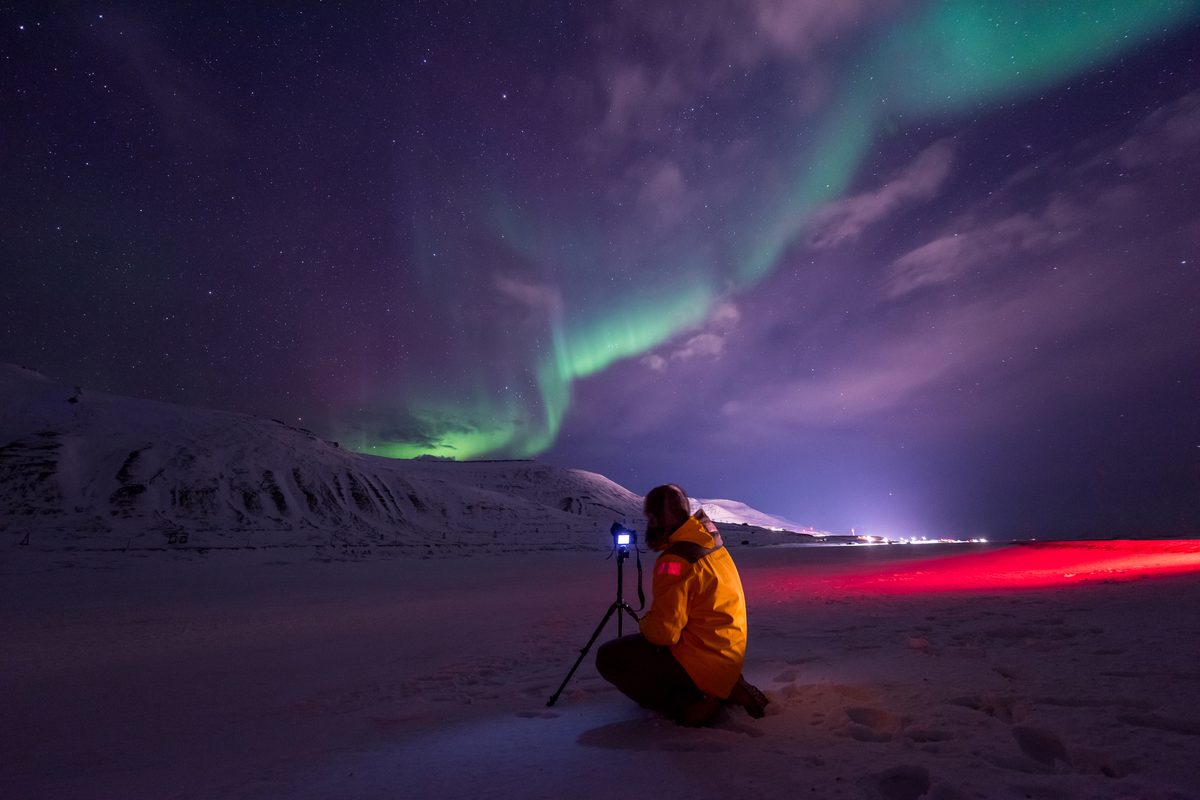
Photographing the night sky is one of the most rewarding experiences in landscape photography. Standing alone under a canopy of stars, watching a 25-second exposure reveal detail your eyes cannot see, connects you to the landscape in a way that daylight shooting rarely matches. The technical requirements are specific but learnable. Finding Dark Skies Light pollution is the primary obstacle. Even a moderately sized city washes out all but the brightest stars for miles in every direction.

How to Photograph the Milky Way: A Complete Guide for Landscape Photographers

How to Photograph the Milky Way: A Complete Guide for Landscape Photographers

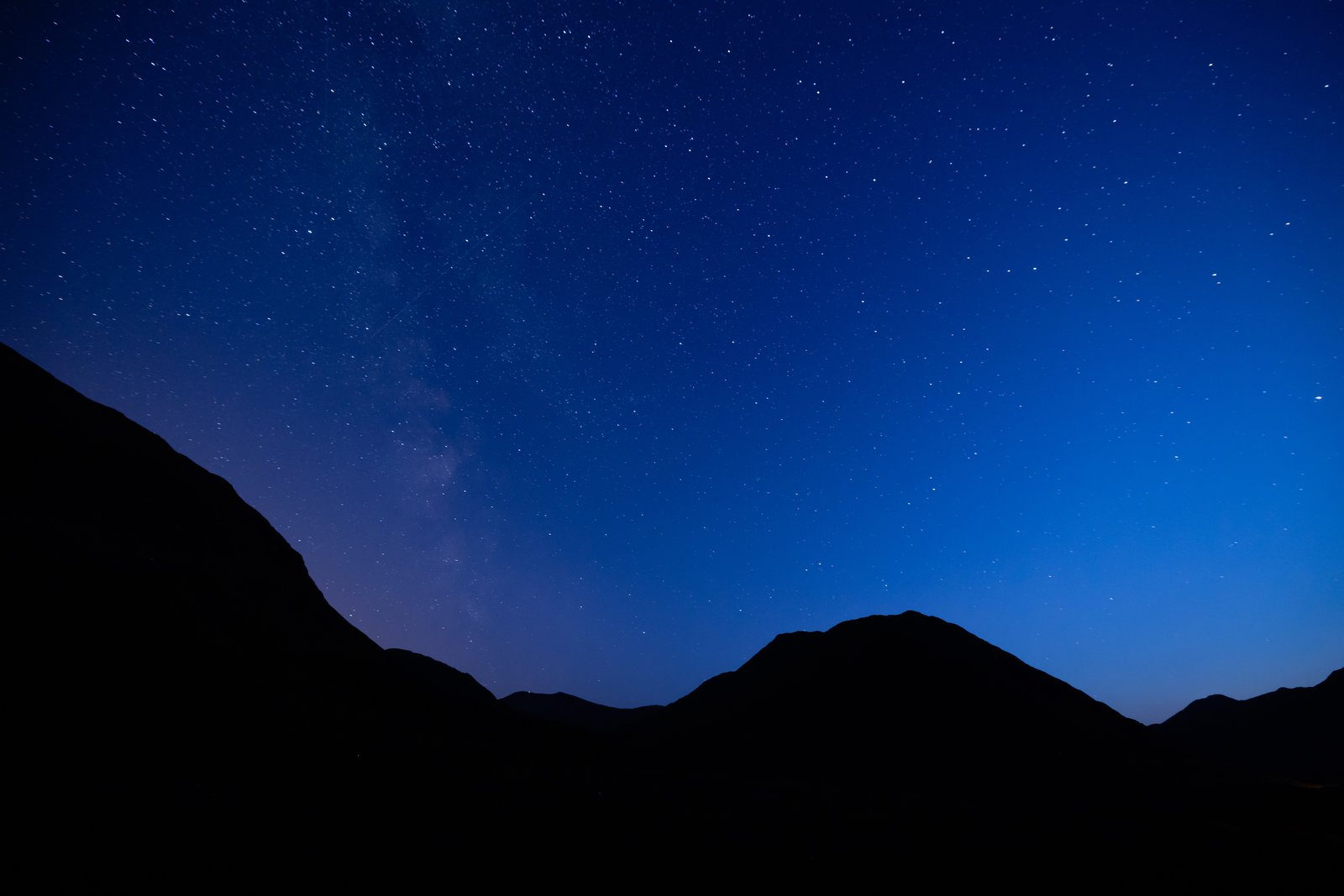
How to Photograph the Milky Way: A Complete Guide for Landscape Photographers There’s a moment that arrives around midnight when you’re standing alone in the darkness, your eyes finally adjusted to the starlight above, when the Milky Way reveals itself in all its glory. The first time I witnessed this—really witnessed it—was in the high desert of Utah, where the light pollution felt like a distant memory and the galaxy stretched across the entire sky like spilled milk.

Chasing Stars: The Art and Science of Night Sky Photography

Chasing Stars: The Art and Science of Night Sky Photography

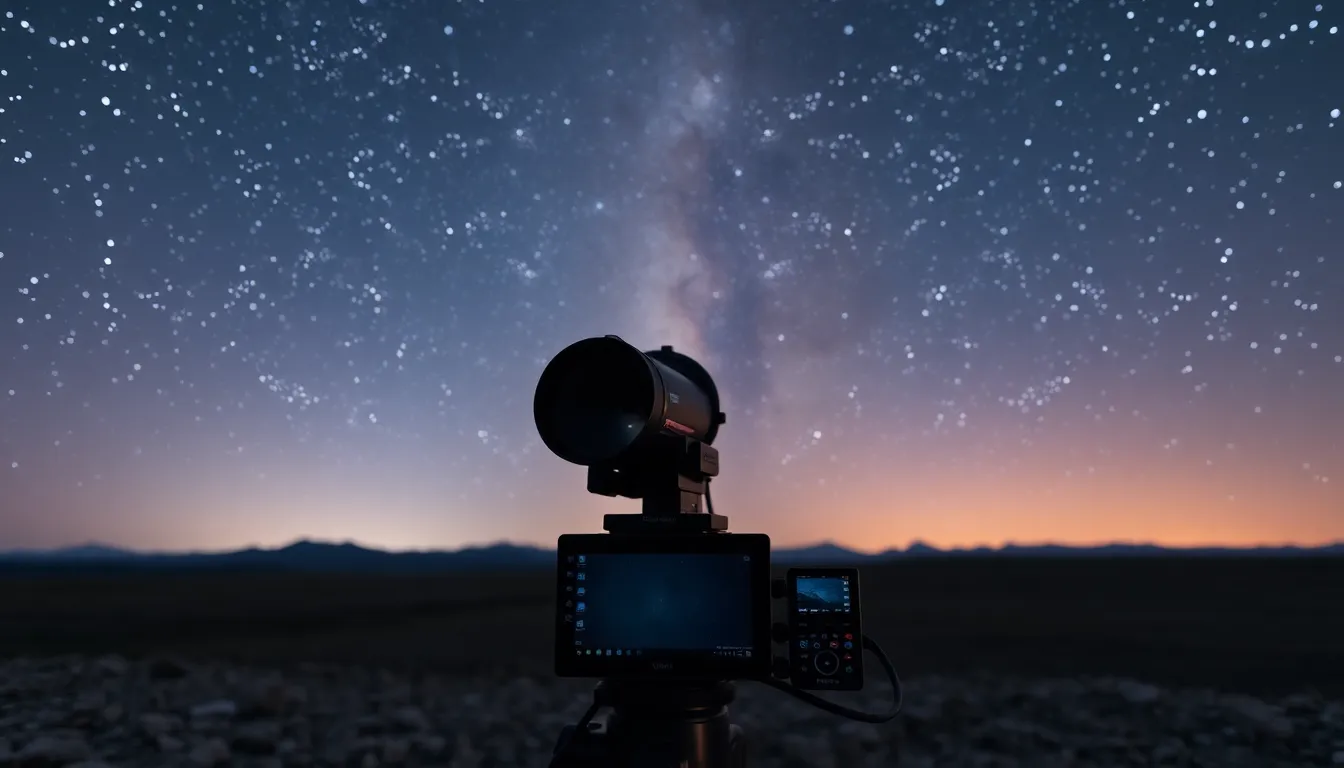
The Call of Darkness There’s a moment just after twilight fades when the landscape disappears entirely, and you’re left standing in absolute darkness with nothing but your camera and the weight of the universe above. That’s when night sky photography truly begins. I’ve spent countless nights perched on remote hillsides and desert flats, watching the Milky Way emerge as my eyes adjusted and the light pollution fell away. It’s a humbling experience—one that demands patience, preparation, and a willingness to embrace the unknown.