Chasing Light in the High Country: The Art and Craft of Mountain Photography

Chasing Light in the High Country: The Art and Craft of Mountain Photography

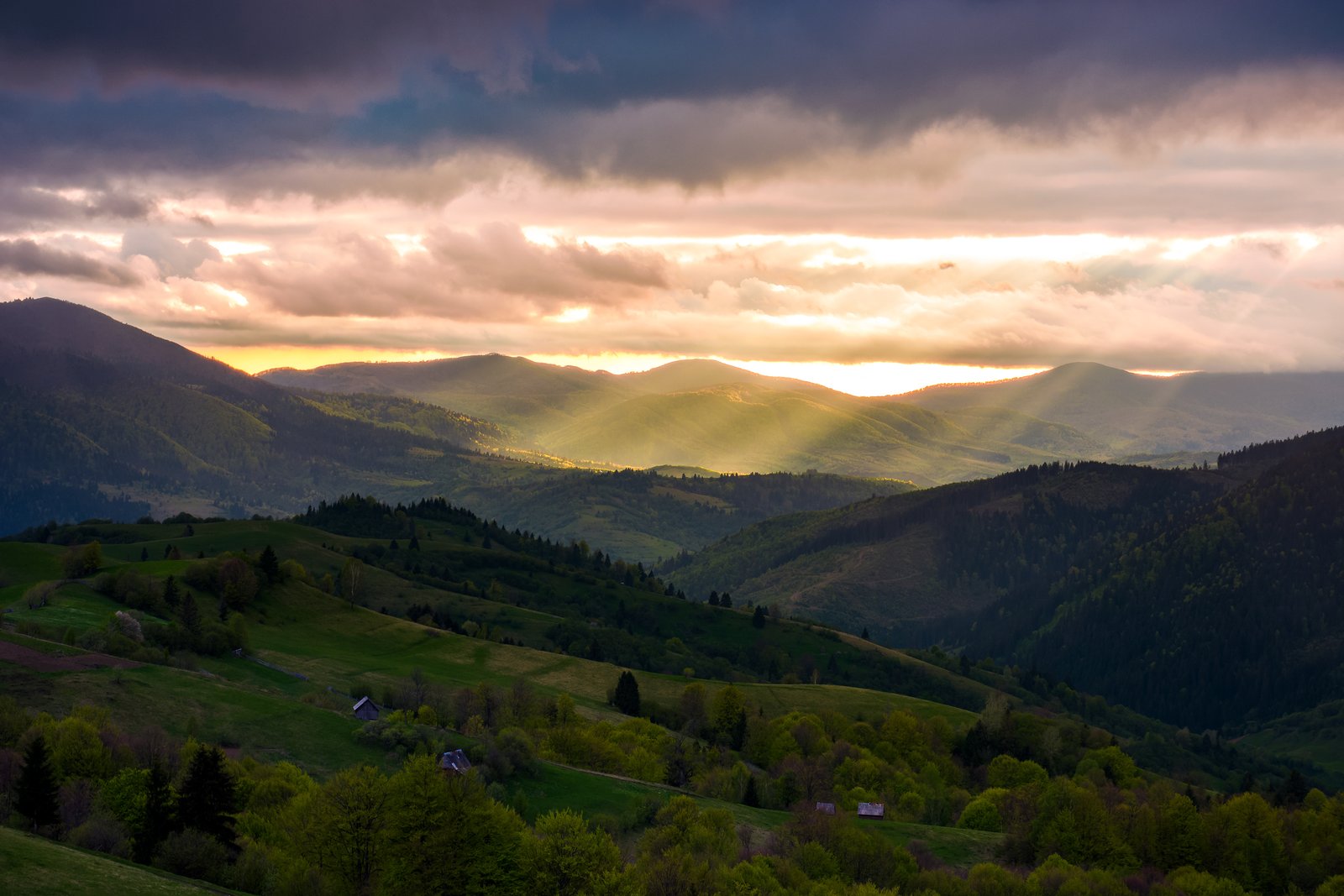
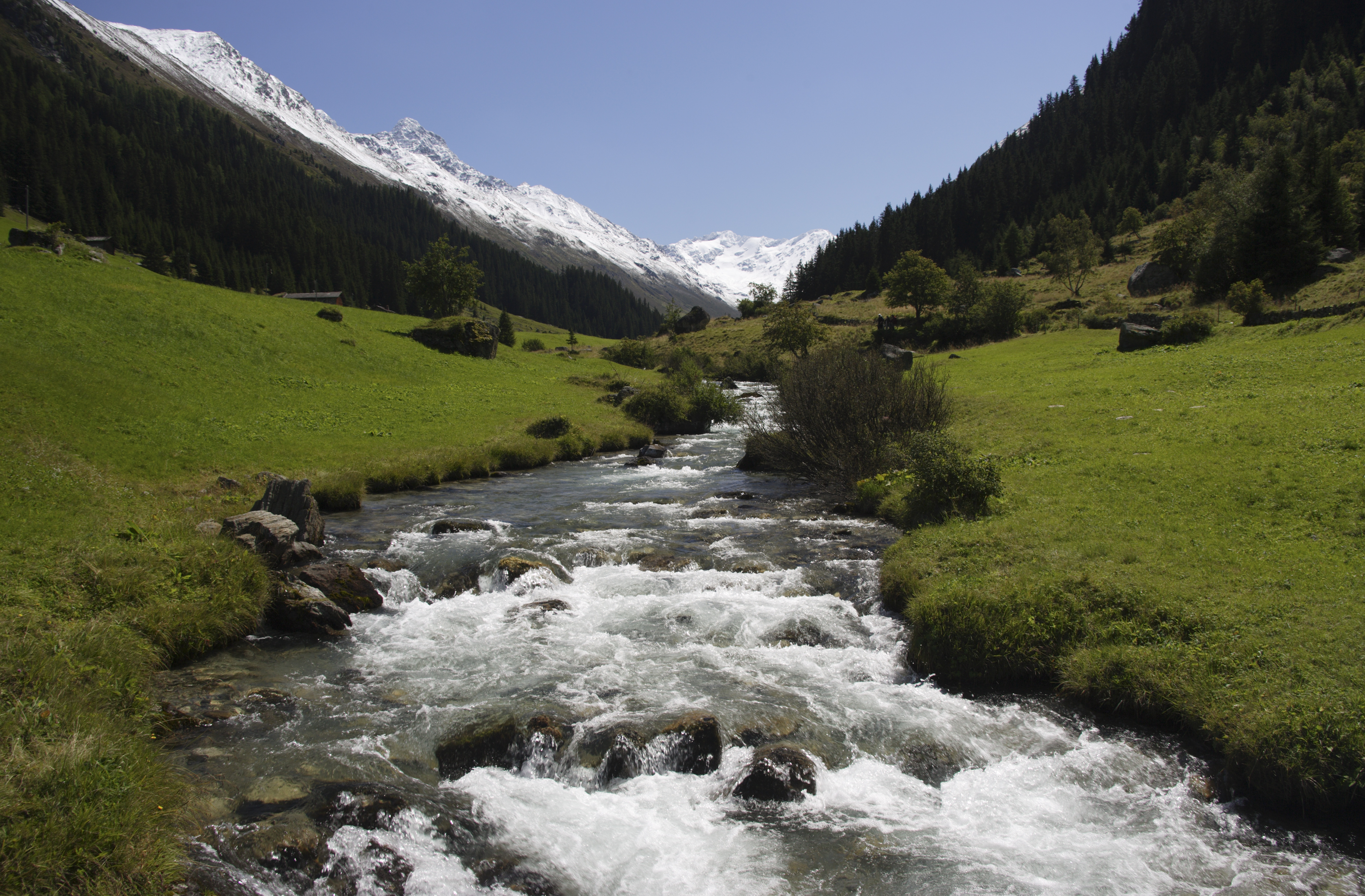
Chasing Light in the High Country: The Art and Craft of Mountain Photography There’s a particular silence you encounter above treeline—a silence that sharpens your senses and makes you acutely aware of every shadow, every shift in color across a distant peak. This is where mountain photography begins, not with camera settings or lens choice, but with patience and presence. After years spent in alpine terrain, I’ve learned that the technical mastery matters far less than understanding how light moves across those distant ridges.

Chasing Light in the Mountains: A Photographer's Guide to Alpine Landscapes

Chasing Light in the Mountains: A Photographer's Guide to Alpine Landscapes

The Mountain’s Demand for Patience I’ve stood on countless ridgelines at dawn, waiting for the first light to spill across a valley I’d hiked to in darkness. There’s something humbling about mountain photography—the landscape won’t bend to your schedule, and the weather won’t cooperate simply because you drove six hours to be there. This is precisely why I love it. Mountains demand something different from us than other landscape subjects. They’re three-dimensional puzzles where light, shadow, and scale interact in ways that a photograph must somehow translate onto a flat plane.

Using Graduated ND Filters in the Field

Using Graduated ND Filters in the Field

The fundamental challenge of landscape photography is dynamic range. The sky is often several stops brighter than the foreground, especially at sunrise and sunset. Your eyes handle this effortlessly. Your camera does not. Graduated neutral density filters solve this problem at the point of capture. What They Do A graduated ND filter is dark on one half and clear on the other, with a transition zone between them. You position the dark portion over the bright sky and the clear portion over the darker foreground.

The Art of Patience: Mastering Mountain Light and Composition

The Art of Patience: Mastering Mountain Light and Composition

The Art of Patience: Mastering Mountain Light and Composition I’ve spent countless dawns shivering in alpine meadows, watching the world transform from grey to gold. Mountain photography rewards patience more than any other genre I’ve encountered. The difference between a forgettable snapshot and a truly moving image often comes down to waiting for the right light and understanding how to compose within those vast, unforgiving landscapes. Start with Light, Not Location Before you pack your gear, understand that location matters far less than light.

Photographing Snow Scenes Without Grey Mush

Photographing Snow Scenes Without Grey Mush

Snow confuses cameras. That clean white blanket that your eyes see as pure and bright shows up as dull, dingy gray in photographs. Every photographer encounters this, and many assume their camera isn’t performing well. The camera is working exactly as designed — the problem is that camera meters are designed around a specific assumption that snow violates. Why Snow Turns Gray Camera light meters assume that every scene averages to a medium tone — roughly 18% gray.

Chasing Light and Shadow: The Art of Mountain Photography

Chasing Light and Shadow: The Art of Mountain Photography

There’s a particular silence that settles over you at 4,000 meters—not the absence of sound, but a quality of stillness that makes you hold your breath. I’m standing on a ridge as dawn breaks, watching the first light creep across a valley, and I realize this moment is exactly why I’ve been climbing mountains with a camera for the past fifteen years. Mountain photography isn’t about reaching the highest peak or capturing the most dramatic vista.

Chasing Golden Hour: How to Master the Light That Transforms Landscapes

Chasing Golden Hour: How to Master the Light That Transforms Landscapes

Chasing Golden Hour: How to Master the Light That Transforms Landscapes There’s a moment each day when the world stops feeling like itself. The light turns honey-colored, the shadows grow long and forgiving, and every texture on the land seems to tell a story. I’ve learned to live for these thirty to sixty minutes—what we call golden hour—and I’ve structured entire photography seasons around anticipating them. Golden hour isn’t magic, though it feels that way when you’re standing in it.