Shade Is Half the Shot: Field Lessons From a William Patino Tutorial

Shade Is Half the Shot: Field Lessons From a William Patino Tutorial

There’s a version of me that wasted years chasing light. Not the wrong kind of chasing. I mean the obsessive, tunnel-vision pursuit of golden hour glow while ignoring everything around it. I’d stand in a meadow fixated on one warm patch of light and wonder why my images felt flat, directionless. The shadow areas around that light felt like problems to solve, not tools to use. It took a long time in the field to understand that shade isn’t the absence of something good.

What Landscape Photographers Can Steal From Outdoor Portrait Technique

What Landscape Photographers Can Steal From Outdoor Portrait Technique

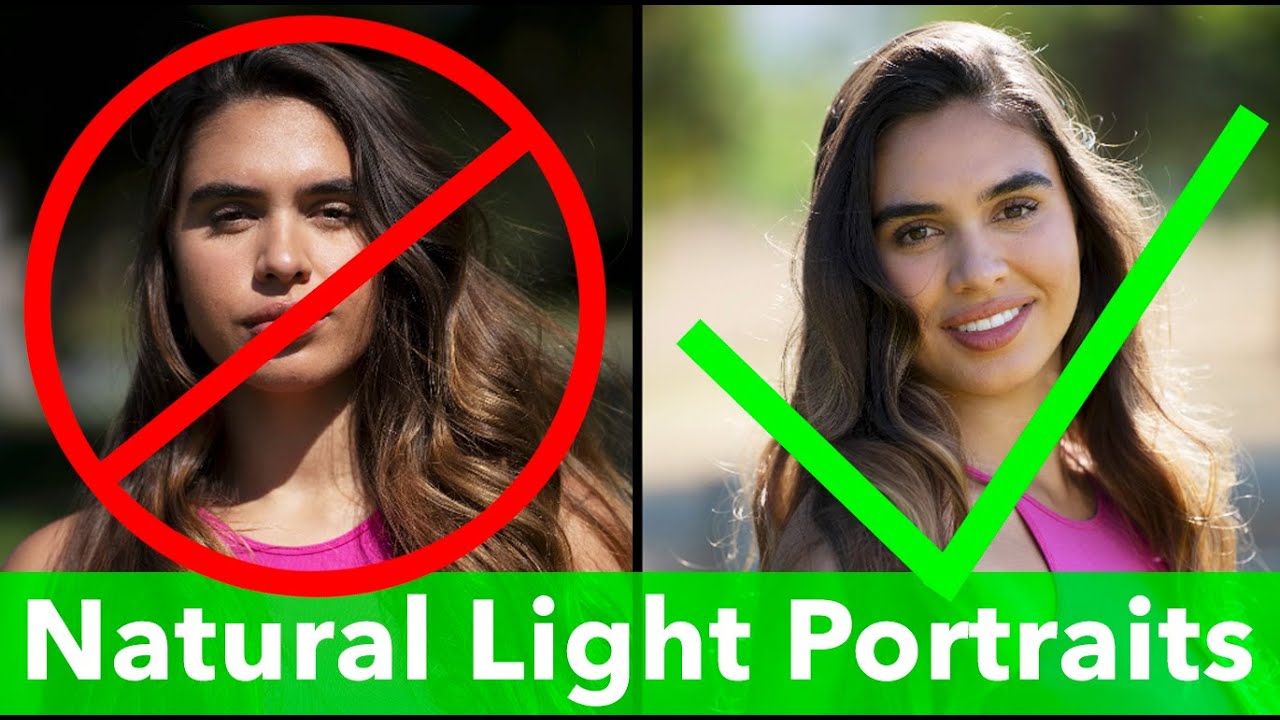
Most of my work involves waiting. Waiting for light, waiting for clouds to shift, waiting for the river to settle after a gust. I’ve stood in freezing water at dawn more times than I can count, and my kids think I’ve lost my mind for it. But a few months back I found myself watching portrait tutorials at midnight, not because I photograph people, but because portrait photographers work with natural light in real time, under pressure, with a subject who can’t be asked to hold still for two hours while the sun moves.

Why Mountain Light Breaks Your Meter — And How to Shoot in It Anyway

Why Mountain Light Breaks Your Meter — And How to Shoot in It Anyway

The Exposure Problem Nobody Warns You About I was standing on a ridgeline in the Three Sisters Wilderness at 5:47 a.m., watching first light hit a snow-covered summit above me. The sky behind it was a deep, bruised violet. The snow itself was picking up a pink cast that I knew would last maybe four minutes. I had everything set up the night before. I knew my composition. And my meter was still lying to me.

What Landscape Photographers Get Wrong When They Add a Human Element (And How to Fix It Fast)

What Landscape Photographers Get Wrong When They Add a Human Element (And How to Fix It Fast)

Most of my working life is spent without a person in the frame. The mountain, the river, the pre-dawn sky — that’s my subject, and I’ve spent twenty years learning how to read those things. But landscapes with a human figure are some of my best-selling prints, and workshops I run in central Oregon almost always include a session where participants photograph each other in the field. That’s where I started noticing a consistent problem: photographers who can perfectly compose a ridgeline have no idea what to do the moment a person walks into the shot.

When the Light Fails You: What Nigel Danson Taught Me About Finding Compositions That Don't Need It

When the Light Fails You: What Nigel Danson Taught Me About Finding Compositions That Don't Need It

There’s a particular kind of afternoon I know too well. You’ve driven out, the gear is on your back, and the light that looked promising on the horizon has gone flat and grey. Most photographers pack up. The ones who keep shooting tend to learn something more durable than “wait for golden hour.” That’s the quiet lesson buried inside this Nigel Danson tutorial from the fells of the Lake District, and it’s one I wish someone had handed me twenty years ago when I was still convinced that good photography required perfect conditions.

How to Find and Photograph Forest Scenes When the Light Refuses to Cooperate

How to Find and Photograph Forest Scenes When the Light Refuses to Cooperate

There’s a kind of shoot I’ve done hundreds of times: I show up somewhere dramatic, the sky is flat blue, the light is harsh, and everything that made the location worth the drive looks completely dead on a sensor. For years, my instinct was to pack up and wait for better conditions. What I’ve learned since then, slowly and sometimes painfully, is that a flat-light day isn’t a failed shoot day.

Why Your Forest Photos Look Flat (And What the Light Is Actually Doing)

Why Your Forest Photos Look Flat (And What the Light Is Actually Doing)

The Forest Doesn’t Owe You Good Light I pulled into a trailhead outside of Sisters, Oregon at 4:45 in the morning last October, thermos in hand, headlamp cutting through fog that had settled thick between the ponderosas. I’d scouted this spot two weeks earlier on a clear afternoon and built a whole mental image around a shaft of low light hitting a particular grove of aspens. The fog had other ideas.

The Quiet Intensity of Mountain Photography: Finding Light in High Places

The Quiet Intensity of Mountain Photography: Finding Light in High Places

The Quiet Intensity of Mountain Photography: Finding Light in High Places There’s a peculiar silence that settles over you when you’re standing at elevation, camera in hand, waiting for the light to change. The wind might be howling. Clouds might be racing across the ridgeline. But internally, there’s a stillness—a focus that only comes when you’re genuinely uncertain whether the next hour will yield anything worth capturing. Mountain photography isn’t about the destination.

The Light That Transforms Everything: Mastering Landscape Photography's Most Critical Element

The Light That Transforms Everything: Mastering Landscape Photography's Most Critical Element

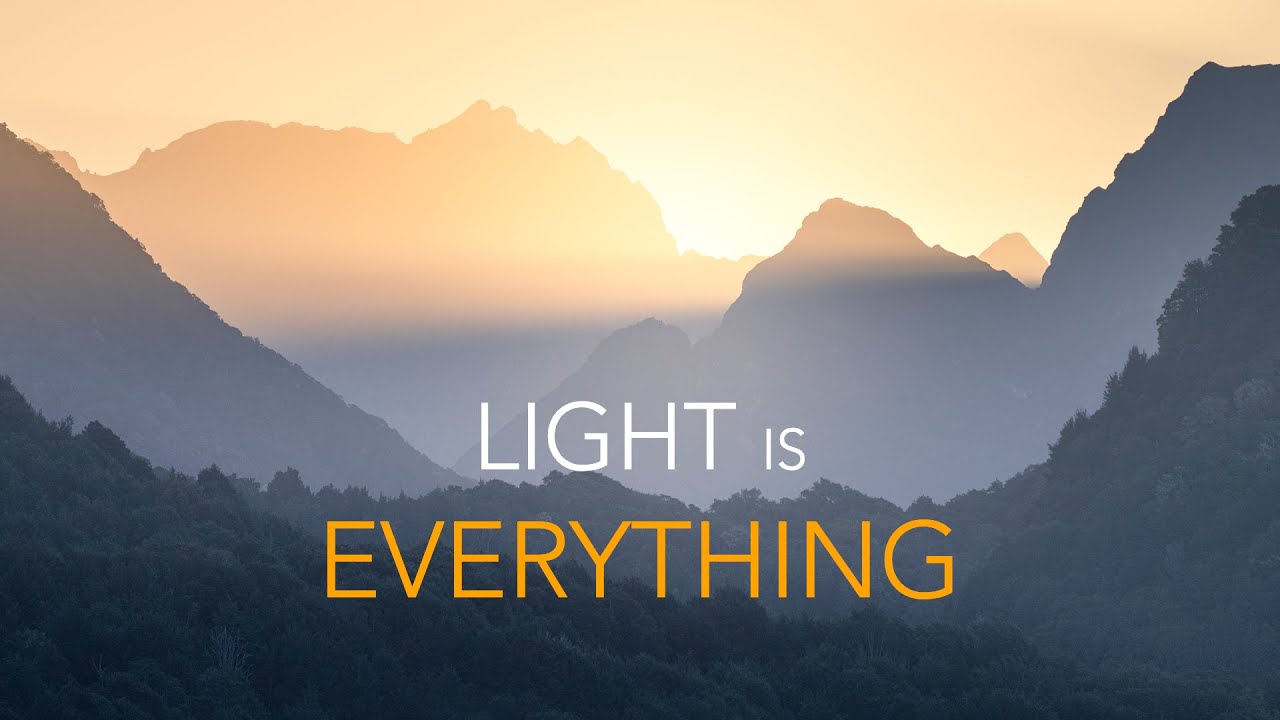
The Invisible Architect of Every Great Landscape Photo I’ve spent countless hours standing in front of breathtaking vistas only to return home disappointed by my images. The scene was magnificent—towering peaks, pristine valleys, golden meadows stretching to the horizon. Yet something felt hollow in my photographs. It wasn’t until I shifted my focus from what I was photographing to how the light was sculpting it that everything changed. Light is the true subject of landscape photography.

The Art of Forest Photography: Finding Light in the Shadows

The Art of Forest Photography: Finding Light in the Shadows

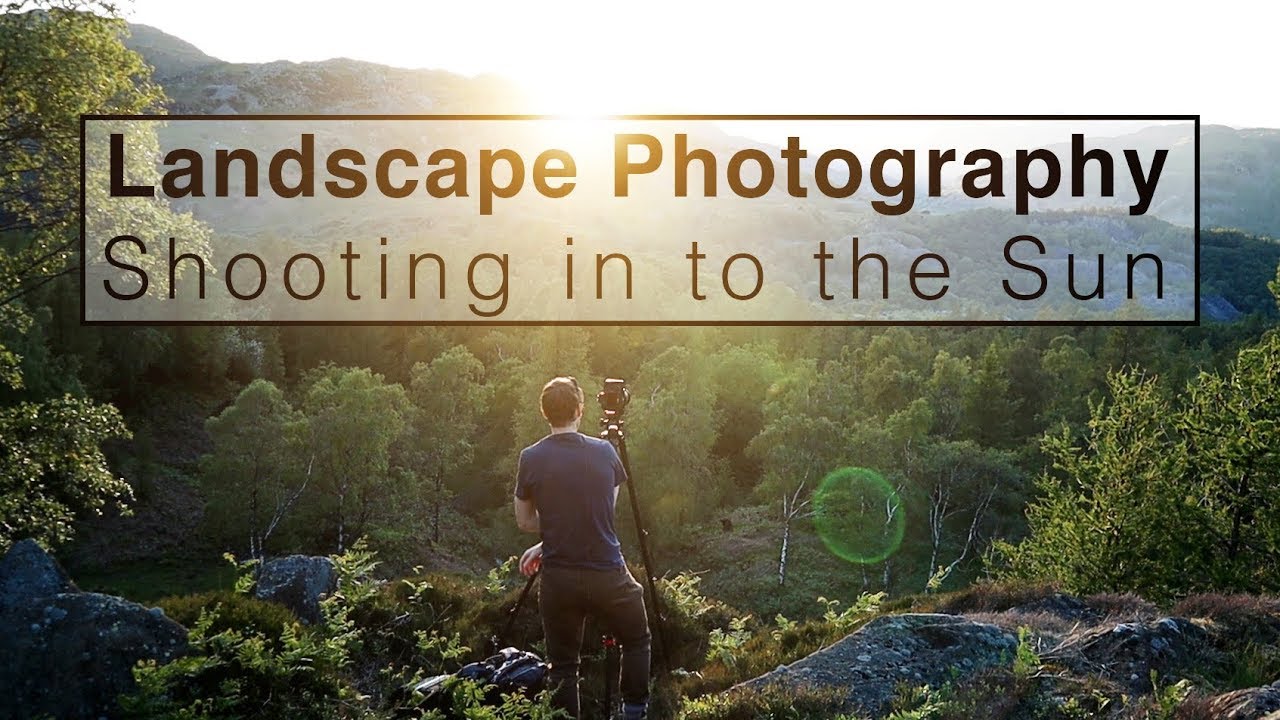
The Art of Forest Photography: Finding Light in the Shadows I’ve spent countless mornings standing in dense woodland, tripod sinking slightly into damp earth, waiting for that precise moment when golden light pierces through the canopy. Forest photography demands patience in ways that open landscape work simply doesn’t. You’re not working with the light—you’re hunting for it, creating geometry from shadow and illumination. Understanding Forest Light The forest is a study in contrast and subtlety.

Flash in Harsh Sunlight: Mastering Fill Light for Outdoor Portraits

Flash in Harsh Sunlight: Mastering Fill Light for Outdoor Portraits

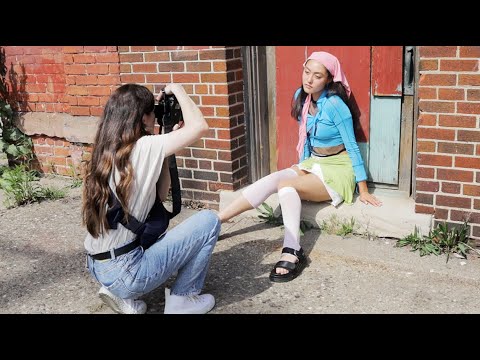
Most of my work doesn’t involve people. I spend the bulk of my shooting life waiting on light, reading weather apps with the grim focus of a farmer, and hauling a tripod into places no reasonable person would go before sunrise. But clients want portraits in the landscape sometimes, and when they do, the lighting problem gets genuinely hard. You’re dealing with a scene built for a wide dynamic range, and a human face that needs to look good within it.

Finding Light in the Woods: The Art and Craft of Forest Photography

Finding Light in the Woods: The Art and Craft of Forest Photography

Finding Light in the Woods: The Art and Craft of Forest Photography There’s a peculiar silence that settles over me when I’m deep in a forest with my camera. The light filters through the canopy in ways that seem impossible to translate to a sensor, and yet that impossibility is exactly why I keep returning to these places. Forest photography demands something different from us than open landscape work. You’re not capturing expansive vistas or dramatic skies—you’re hunting for relationships between layers, textures, and the elusive moments when light finds its way through dense vegetation.