Honesty in the Frame: What Landscape Photographers Owe Their Audience (and Themselves)

Honesty in the Frame: What Landscape Photographers Owe Their Audience (and Themselves)

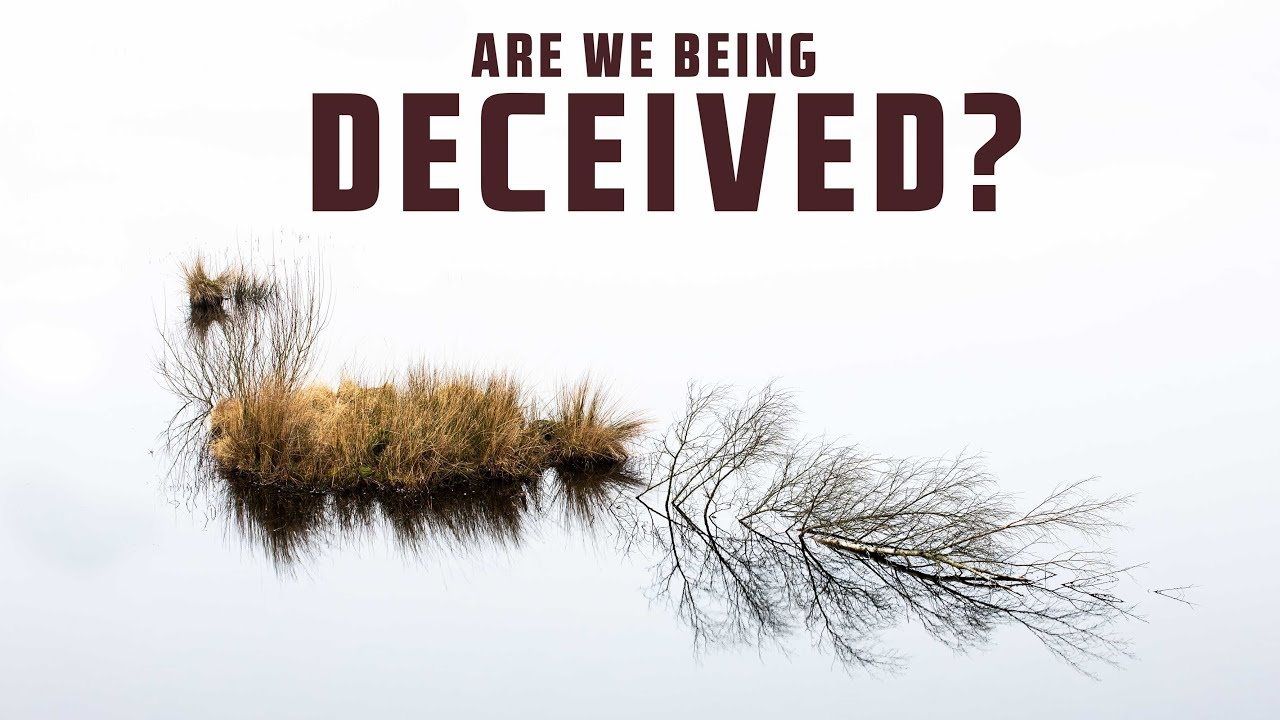
I’ve been making photographs in the field for two decades, and the question I get more than almost any other isn’t about gear or locations. It’s about editing. Specifically, people want to know how much is too much. When does a processed image stop being a photograph and start being something else entirely? I’ve wrestled with that question on cold mornings standing in the Deschutes River and in front of a monitor at midnight, and I still don’t have a clean answer.
Why Your Waterfall Photos Look Muddy (And How to Fix Them in the Field)

Why Your Waterfall Photos Look Muddy (And How to Fix Them in the Field)

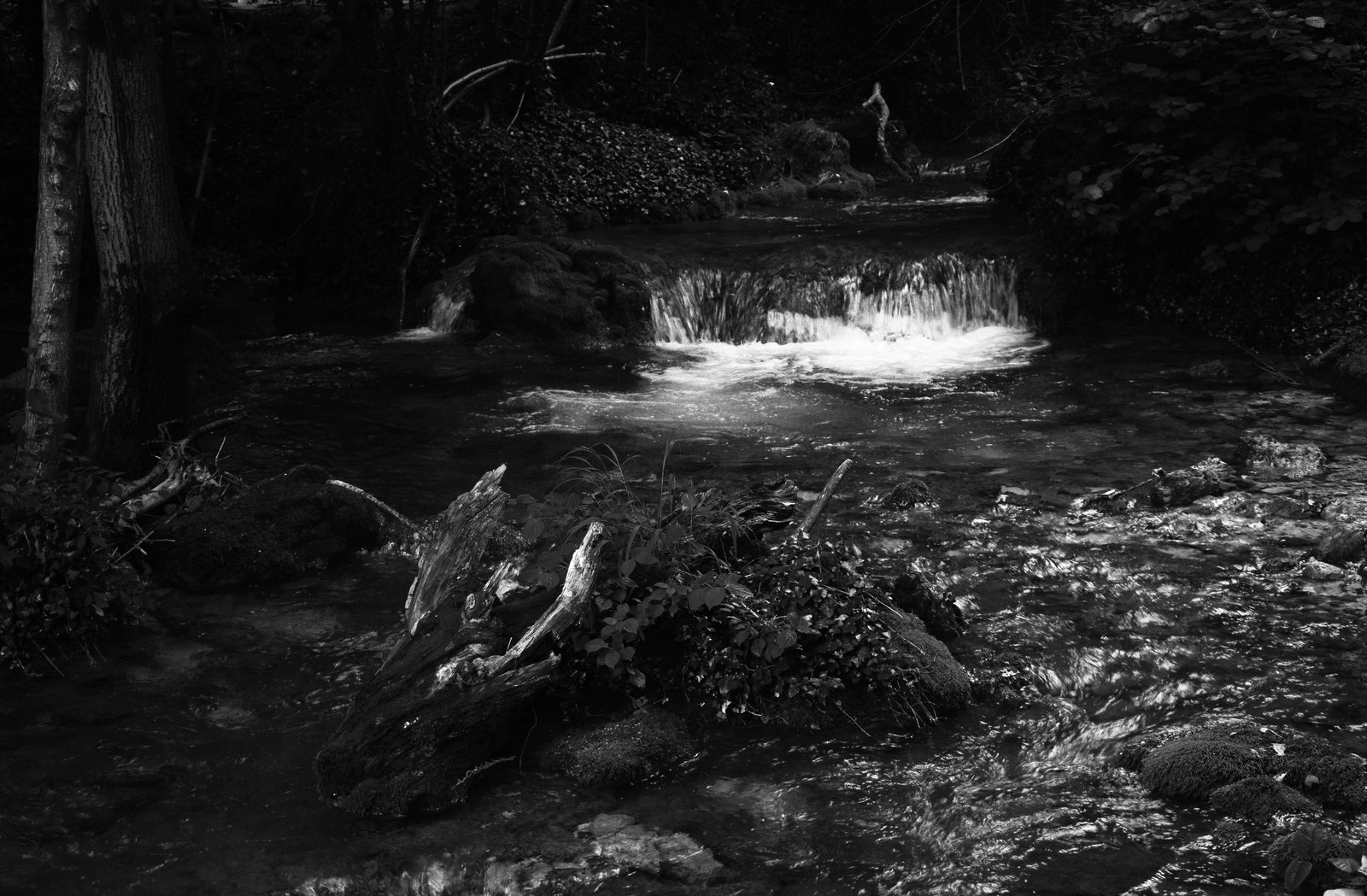
There’s a particular kind of frustration that comes from hiking forty-five minutes to a waterfall, setting up in the golden light, and coming home with images that look like a gray smear on a dark rock. The water is blown out. The shadows under the canopy are impenetrable. The whole thing looks like a snapshot, not a photograph. I see this constantly in the workshops I run out of Bend, and I’ve watched it discourage people who have genuinely good instincts and solid gear.

Workshop Secrets Worth Keeping: What Adam's Landscape Q&A Taught Me About Printing and Practical Priorities

Workshop Secrets Worth Keeping: What Adam's Landscape Q&A Taught Me About Printing and Practical Priorities

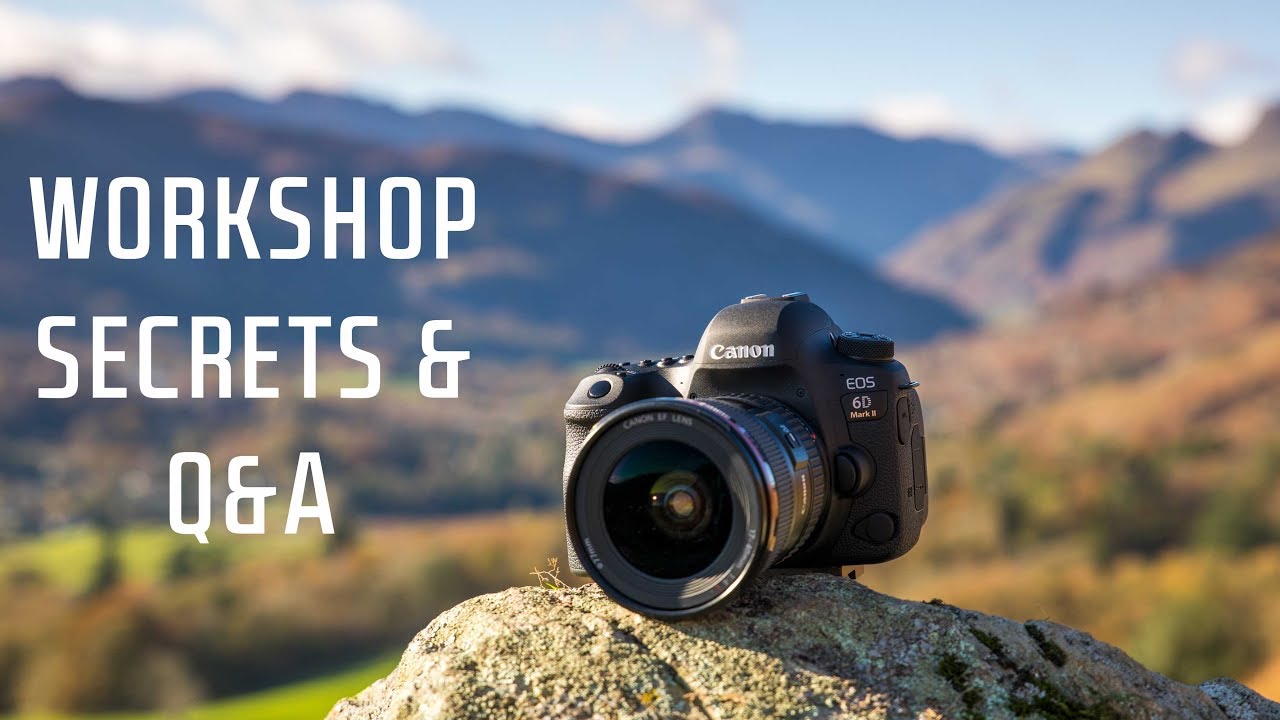
There’s a particular kind of video I find myself returning to more than the polished, location-specific gear reviews: the honest Q&A. The ones where a photographer sits down, scraps the original plan, and just answers the questions people are actually asking. Those tend to contain the real information. In this First Man Photography tutorial, Adam does exactly that. Watch the full tutorial on YouTube — he covers printing decisions, specialty photography techniques, and the kind of practical workshop knowledge that usually stays in the room.

Quality Over Everything: 5 Lessons From Thomas Heaton That Changed How I Approach Landscape Photography

Quality Over Everything: 5 Lessons From Thomas Heaton That Changed How I Approach Landscape Photography

There’s a question I get asked at almost every workshop I run: “How do I actually make it as a landscape photographer?” Not just take better photos, but build something real out of it. A career, a reputation, a body of work worth pointing to. I’ve been at this for two decades and I still find it hard to answer cleanly, mostly because the answer isn’t one thing. It’s a collection of habits and decisions that compound over time.

Why Landscape Photography? The Question That Changes How You Work

Why Landscape Photography? The Question That Changes How You Work

There’s a question I’ve been asked maybe twice in twenty years of doing this professionally, and both times it stopped me cold. Not “how do you make money at it” or “what camera do you use,” but the simpler, harder one: why landscapes? Most people who learn what I do for a living nod politely and move on. The ones who ask that follow-up question are the ones who make me think for days.

When the Location Breaks Your Heart: What Drone Landscape Photography Taught Me About Showing Up Anyway

When the Location Breaks Your Heart: What Drone Landscape Photography Taught Me About Showing Up Anyway

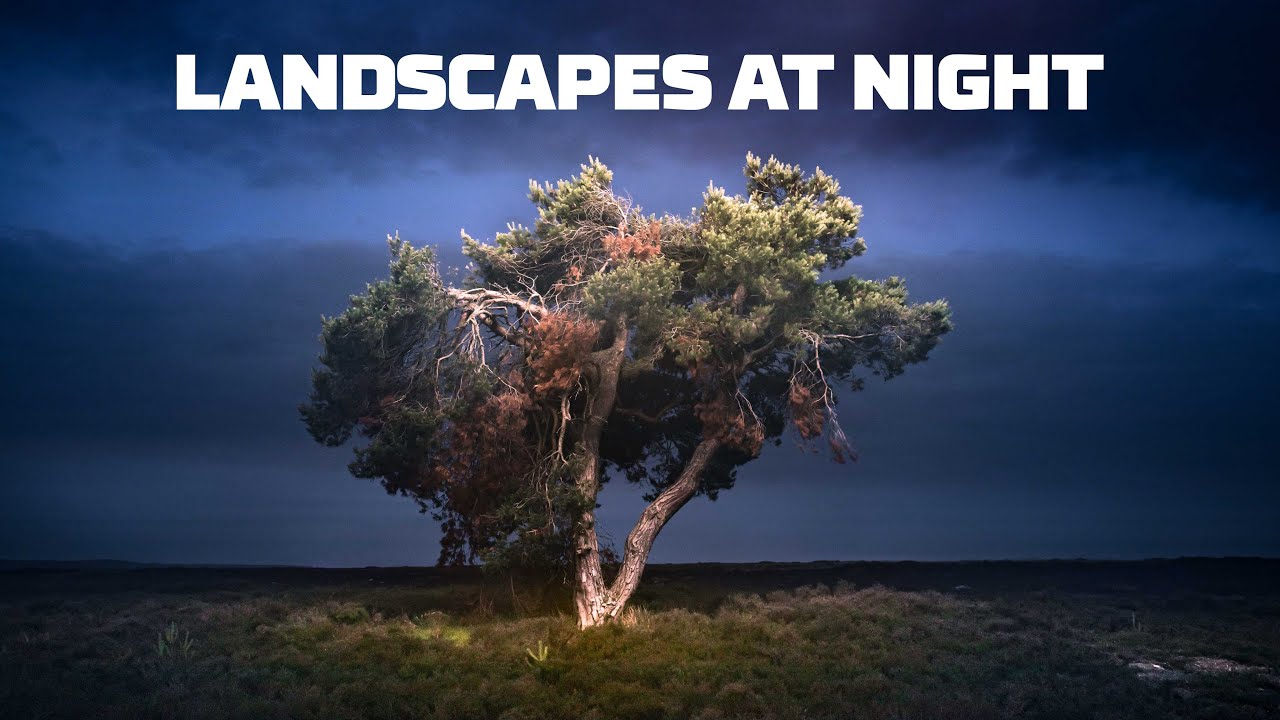
There’s a particular kind of grief that hits when you arrive at a location you love and find it changed for the worse. I’ve felt it standing at the edge of a meadow in the Cascades that had been partially cleared, and I felt it again watching this tutorial. In this First Man Photography video, Adam arrives at a lone tree he’s photographed before on the North York Moors, only to find branches snapped off, the heather thinning around it, and eventually a discarded smoke bomb near the base.

What Aerial Photography Over the Australian Outback Taught Me About Shooting in Chaos

What Aerial Photography Over the Australian Outback Taught Me About Shooting in Chaos

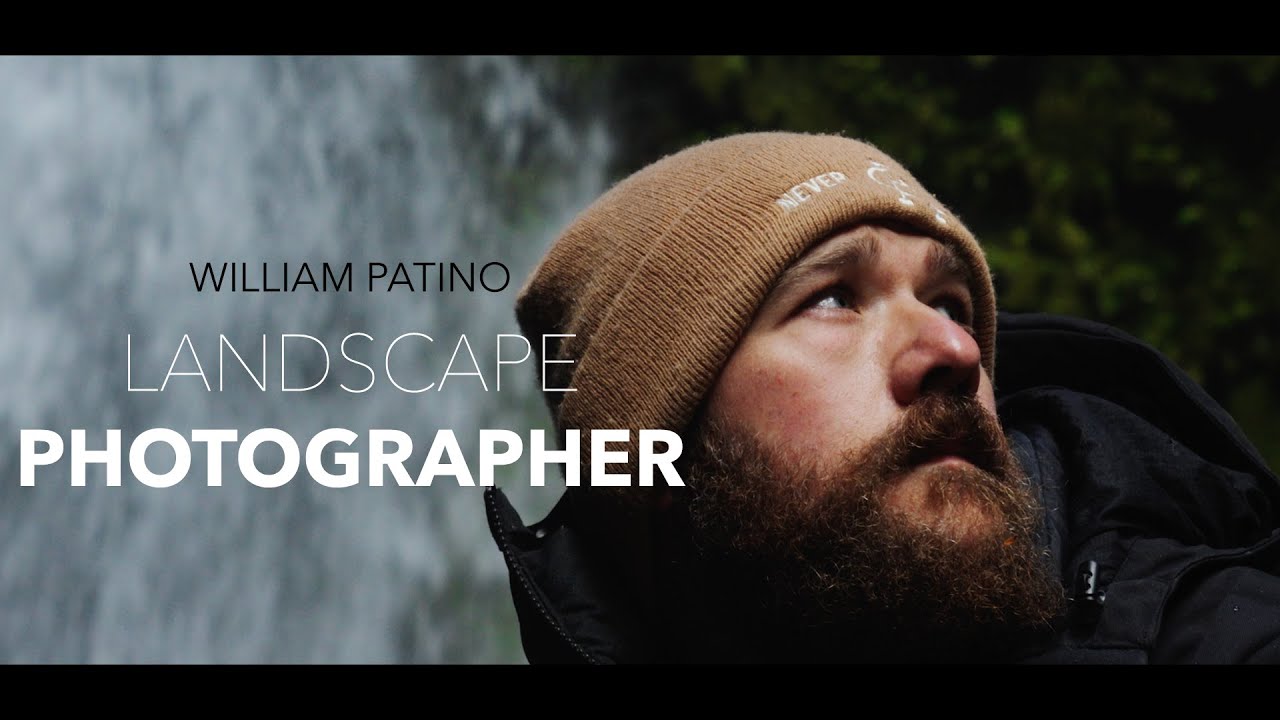
There are landscapes that genuinely resist you. Not because the light is wrong or the season is off, but because the sheer scale and strangeness of the place makes your usual toolkit feel inadequate. I’ve stood in the Columbia River Gorge at first light thinking I had everything figured out, only to realize the scene demanded something I hadn’t practiced. That’s the feeling I got watching William Patino’s aerial photography session over the Western Australian desert.

Finding the Shot in Flat Country: How Foreground Transforms Ordinary Landscapes

Finding the Shot in Flat Country: How Foreground Transforms Ordinary Landscapes

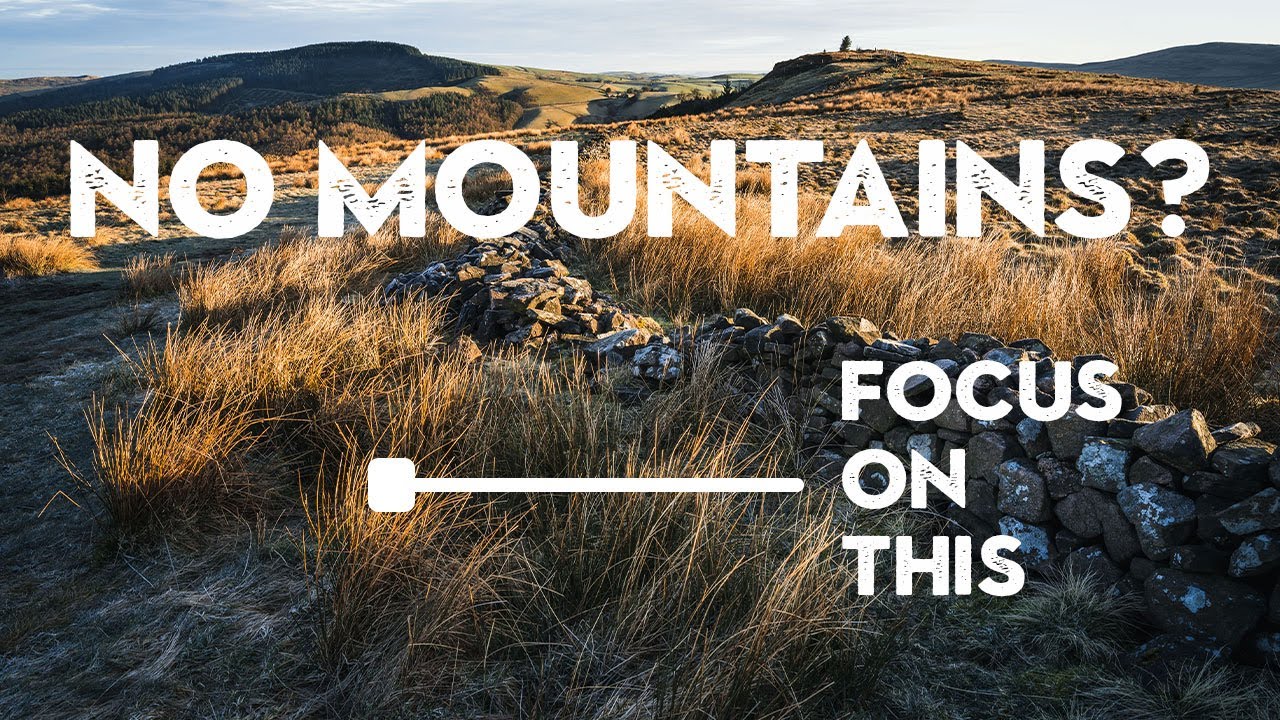
There’s a particular kind of despair that sets in when you pull up to a flat location and realize the horizon isn’t going to save you. No dramatic peaks, no crashing water, nothing to anchor the eye. I’ve been there more times than I’d like to admit, standing at the edge of some wide, unremarkable plain in central Oregon at 4:45 in the morning, wondering why I got out of bed.

The Tiny Light That Changed How I Shoot in Dark and Flat Conditions

The Tiny Light That Changed How I Shoot in Dark and Flat Conditions

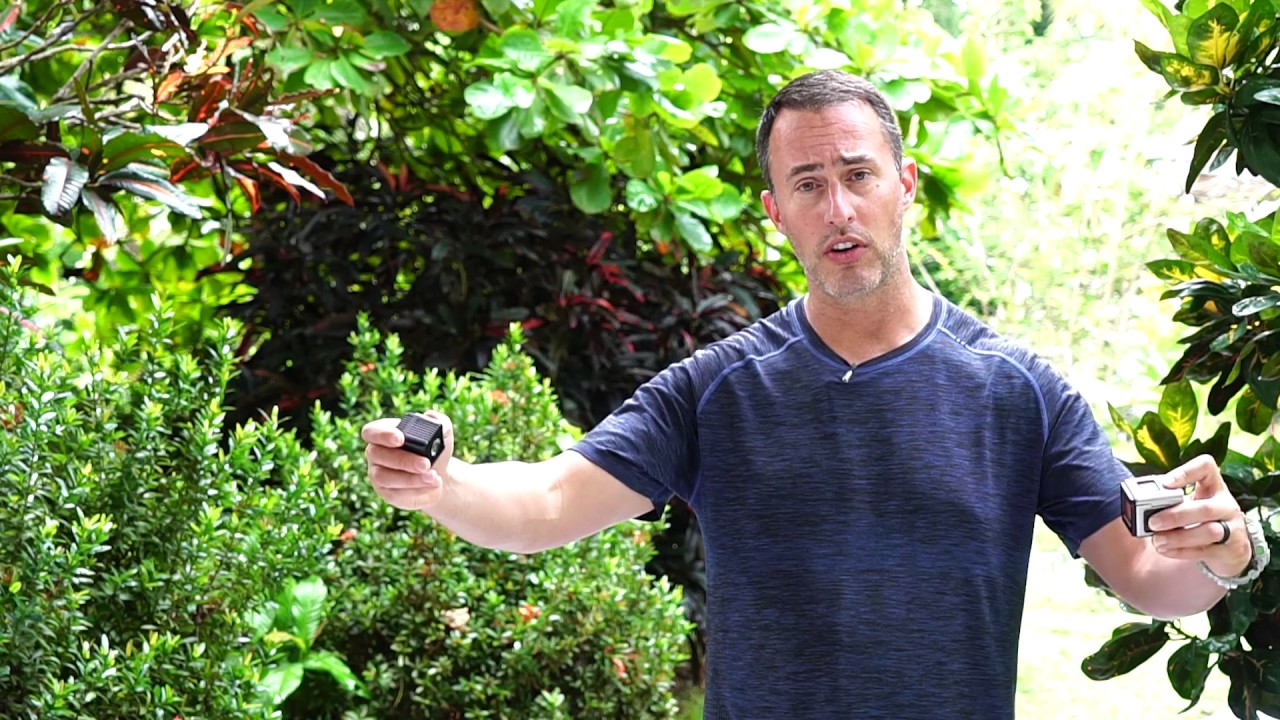
I’ve spent twenty years chasing light as a landscape photographer, which means I’ve also spent twenty years cursing the absence of it. Flat, overcast mornings that turn a fern into a gray smudge. Primary forest so dense the canopy swallows every photon before it reaches the forest floor. The desperate, slightly embarrassing move of holding my phone flashlight up to a subject with one hand while trying to fire the shutter with the other.

Why Removing Expectations Might Be the Most Important Photography Skill You'll Ever Develop

Why Removing Expectations Might Be the Most Important Photography Skill You'll Ever Develop

There’s a particular kind of paralysis that creeps in after you’ve been doing this long enough. You’ve shot enough sunrises that you know, more or less, what a good one looks like. You’ve hiked to enough overlooks that the mental checklist runs automatically: light direction, foreground interest, horizon placement. And somewhere in all that accumulated competence, the wonder starts to quietly drain out. I’ve been shooting landscapes full-time for twenty years, and I still fight this.

What Fall Light Actually Does to Leaves (And How to Use That Against It)

What Fall Light Actually Does to Leaves (And How to Use That Against It)

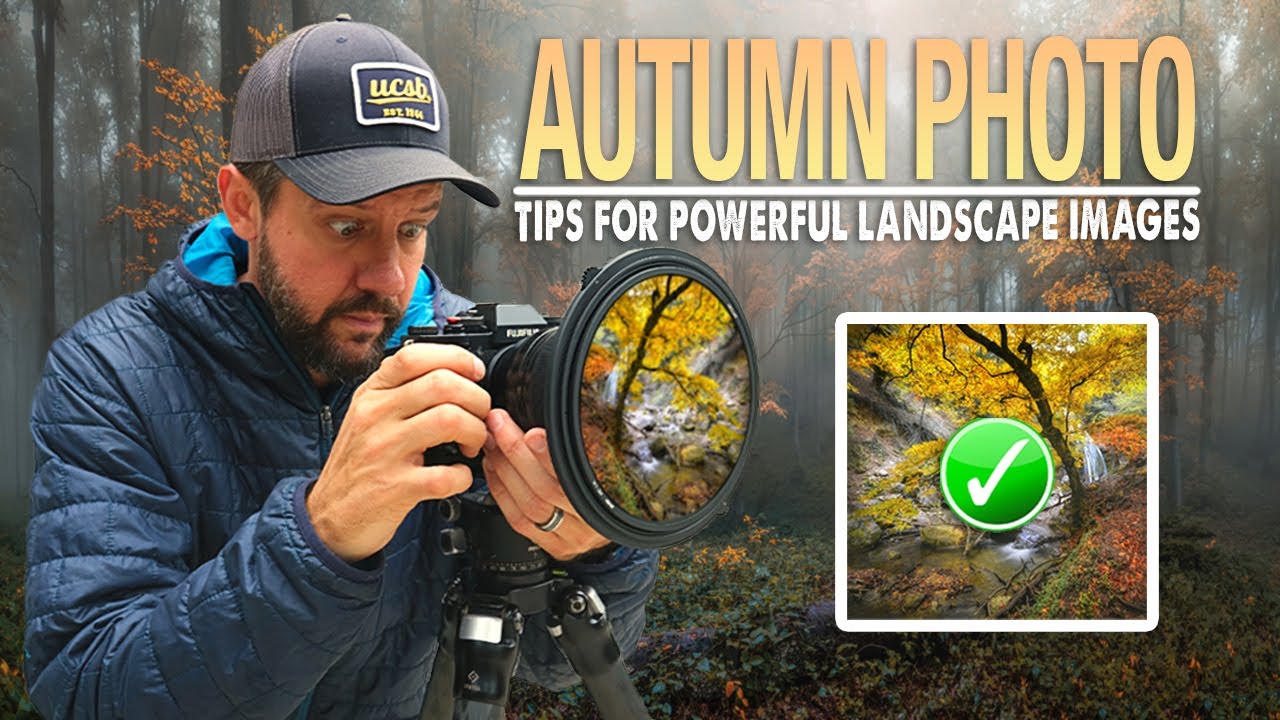
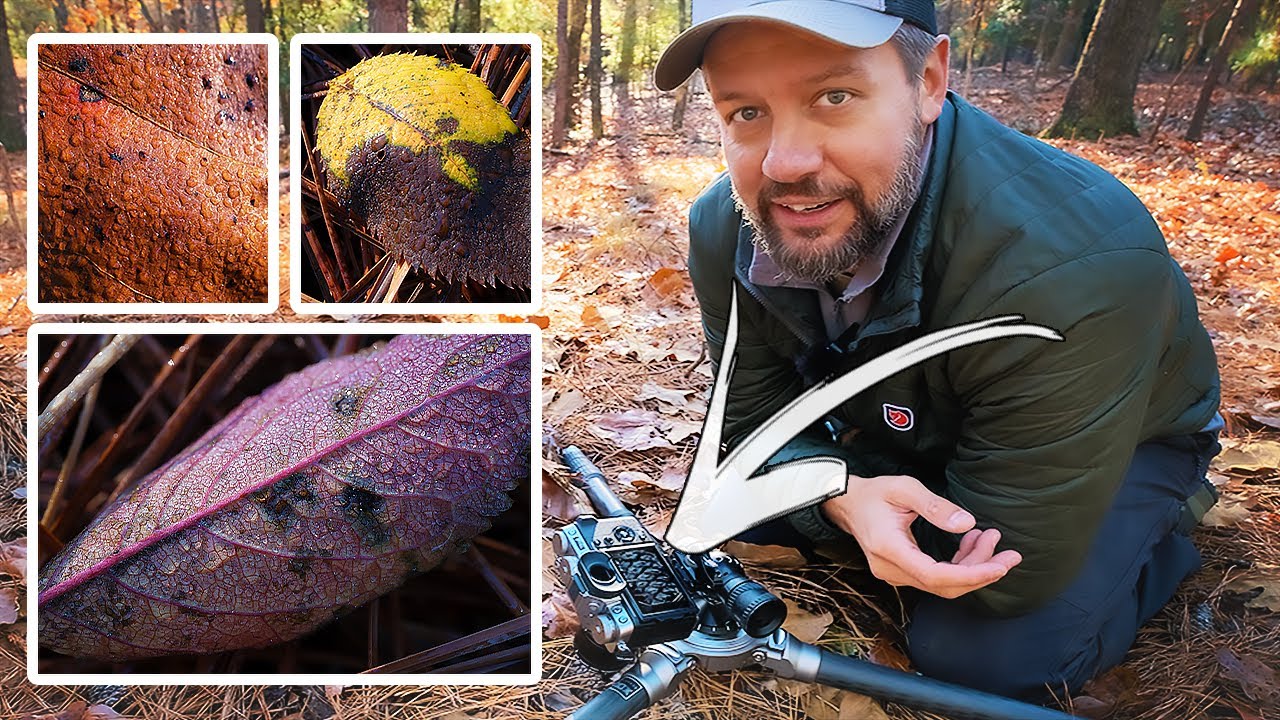
Autumn is the season that exposes every weakness in your field process. The light shifts fast, the color window is brutally short, and if you show up on the wrong day with the wrong instincts, you come home with a memory card full of blown-out, washed-out, reflective mush. I’ve been chasing fall color for two decades and I still catch myself making the same fundamental mistake: treating autumn like summer, assuming bright sun equals better photographs.

Macro Landscape Photography: What Happens When You Pair a 40MP Sensor With Your First Real Macro Lens

Macro Landscape Photography: What Happens When You Pair a 40MP Sensor With Your First Real Macro Lens

There’s a particular kind of restlessness that sets in when you’ve been shooting the same way for a long time. I know it well. After two decades of waking before dawn and hauling gear through the dark outside Bend, Oregon, I still hit patches where everything I produce feels like a variation on something I’ve already made. The cure, almost every time, is to pick up a tool or technique I’ve never used and let the learning process drag me out of my own habits.