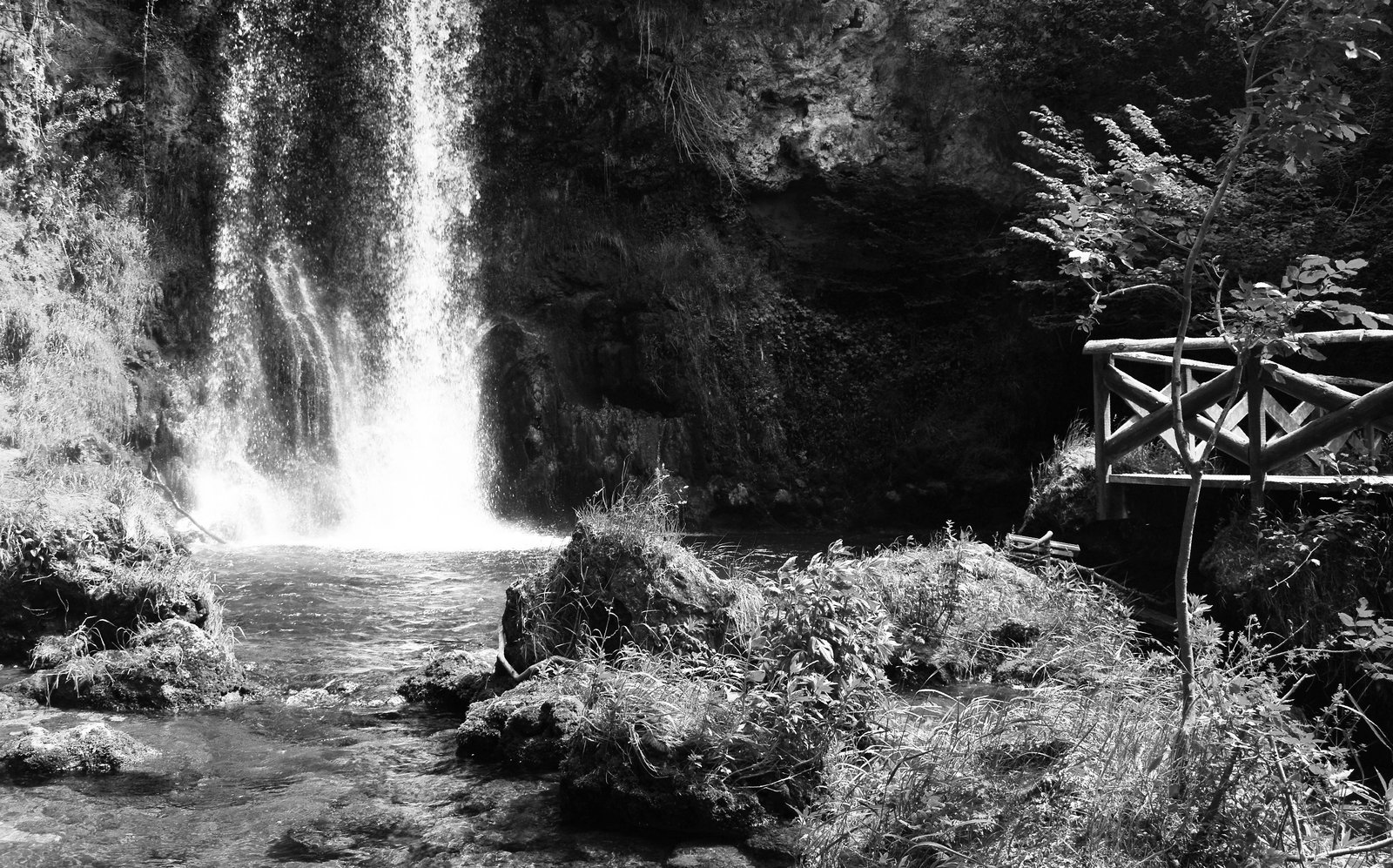
Why Your Waterfall Photos Look Flat (And What to Fix Before You Leave the House)

Why Your Waterfall Photos Look Flat (And What to Fix Before You Leave the House)

There’s a particular kind of frustration that comes from standing in front of a beautiful waterfall and knowing, even as you press the shutter, that the image isn’t going to work. The water looks right to your eye. The light feels soft. But something is off, and you can’t name it yet. I’ve stood in that exact spot more times than I’d like to admit, boots soaked, hat dripping, watching the histogram on my LCD tell me the truth my gut already suspected.
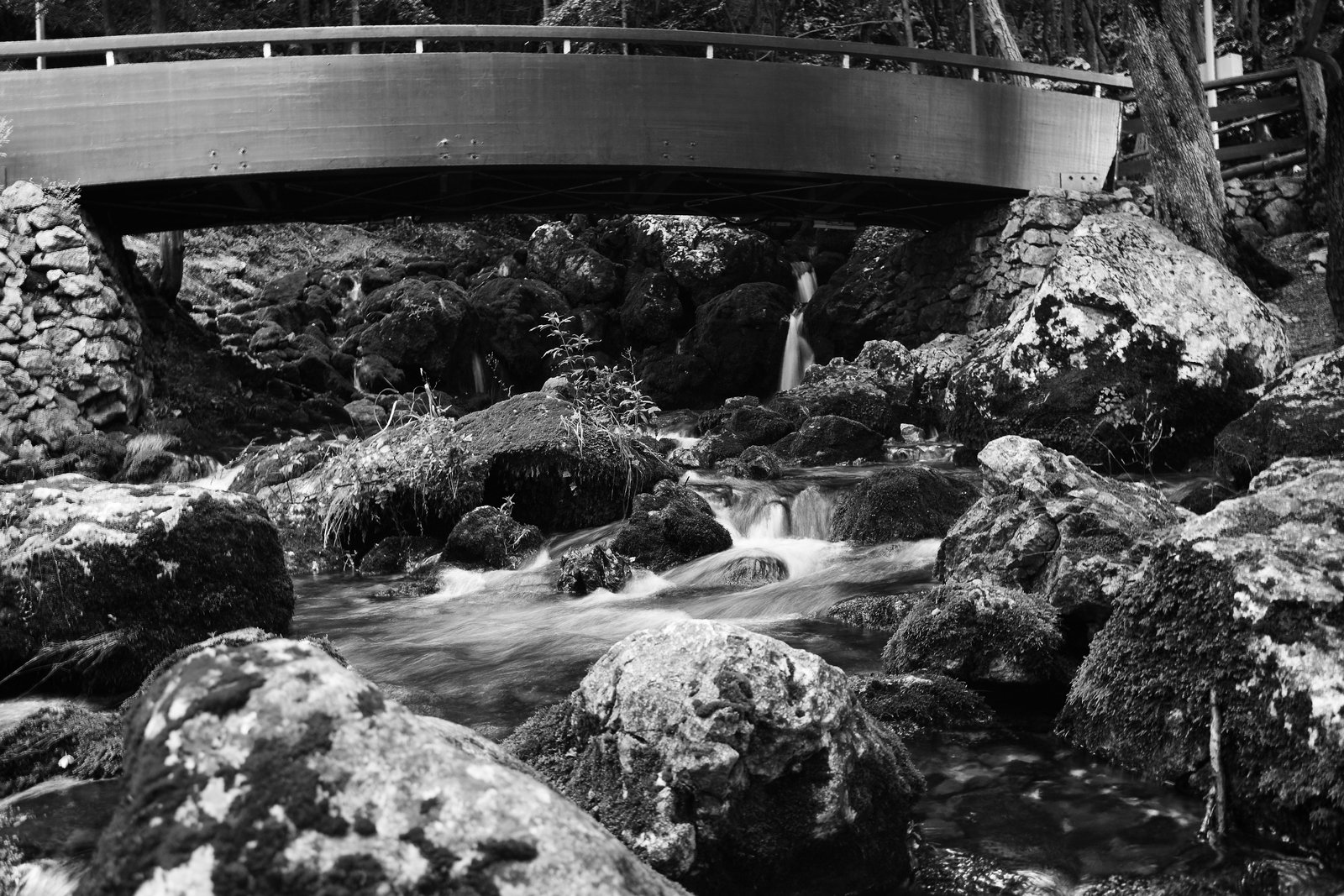

Why Your Waterfall Photos Look Wrong (And What the Water Is Actually Telling You)

Why Your Waterfall Photos Look Wrong (And What the Water Is Actually Telling You)

There’s a particular kind of quiet that settles over a waterfall at first light, before anyone else has made it down the trail. I’ve been standing in that quiet for twenty years, and I still get it wrong sometimes. Not catastrophically wrong, but wrong in the way that matters: technically competent, emotionally flat. The water rendered as a smooth, silky ribbon, the kind of image you’ve seen a thousand times, pleasantly executed and completely forgettable.

Why Your Waterfall Photos Look Flat (And What I Do Differently in the Field)

Why Your Waterfall Photos Look Flat (And What I Do Differently in the Field)

The first thing I notice when I arrive at a waterfall is the sound. Before the camera bag comes off my shoulder, before I’ve even thought about composition, I’m listening. The volume and rhythm of moving water tells me something useful: how much flow there is, whether there’s been recent rain, how the light will likely behave once it hits the mist. After two decades of doing this, that listening has become instinct.