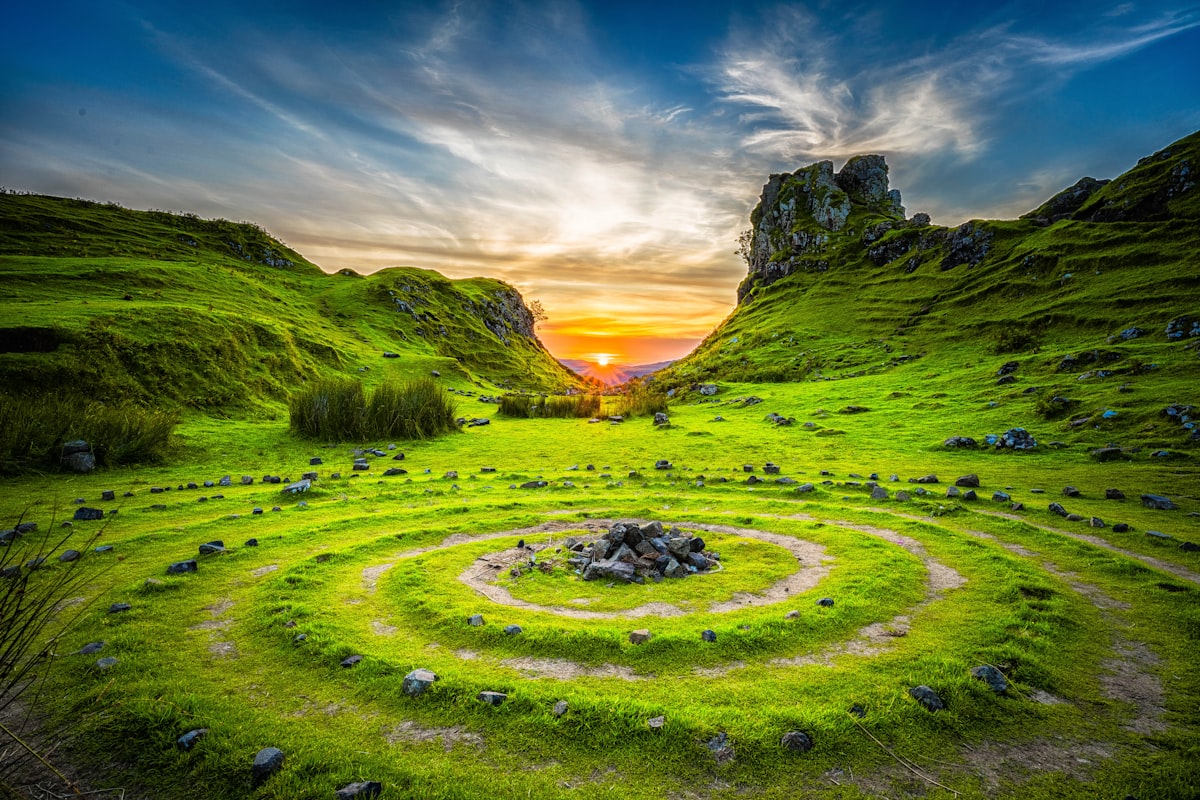
Chasing the Golden Hour: Mastering Nature's Most Forgiving Light

Chasing the Golden Hour: Mastering Nature's Most Forgiving Light

The Magic Window That Changes Everything There’s a moment each day when the world stops feeling like itself. The light turns honey-thick, the shadows grow long and purposeful, and suddenly a mundane hillside becomes something you need to photograph. This is golden hour—and once you understand it deeply, your landscape work will never be the same. I’ve spent hundreds of mornings and evenings chasing this light, and I can tell you it’s not romantic myth.

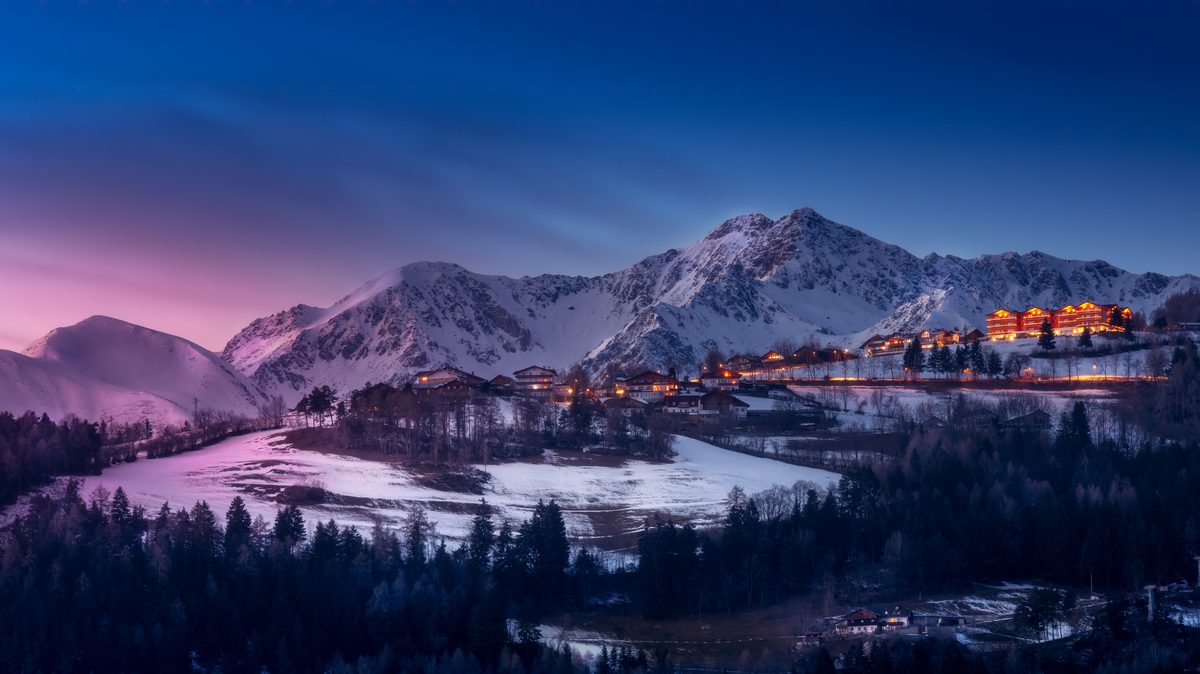
Chasing Golden Hour: How to Master the Light That Transforms Landscapes

Chasing Golden Hour: How to Master the Light That Transforms Landscapes

Chasing Golden Hour: How to Master the Light That Transforms Landscapes There’s a moment each day when the world stops feeling like itself. The light turns honey-colored, the shadows grow long and forgiving, and every texture on the land seems to tell a story. I’ve learned to live for these thirty to sixty minutes—what we call golden hour—and I’ve structured entire photography seasons around anticipating them. Golden hour isn’t magic, though it feels that way when you’re standing in it.

The Best Time of Day for Landscape Photography

The Best Time of Day for Landscape Photography

Ask any experienced landscape photographer what single factor matters most, and most will say the same thing: light. The quality of natural light changes dramatically throughout the day, and understanding these shifts is fundamental to making images that feel alive. Golden Hour The period roughly 30 to 60 minutes after sunrise and before sunset produces the warm, directional light that defines classic landscape photography. The sun sits low on the horizon, casting long shadows that reveal texture in terrain.