Why Your Wildlife Camera's Comfort Matters More Than You Think

Why Your Wildlife Camera's Comfort Matters More Than You Think

Why Your Wildlife Camera’s Comfort Matters More Than You Think I’ve spent enough mornings hunched behind a camera in awkward positions to know this truth: the best camera is the one you’ll actually use comfortably, not the one with the fastest autofocus or the highest megapixel count. We’re living in an age of obsession with specs. When wildlife photographers gather to discuss their craft, the conversation inevitably turns to burst rates, autofocus tracking systems, and sensor resolution.

How to Photograph Mule Deer and Pronghorn in the Field: Settings, Patience, and Reading Animal Behavior

How to Photograph Mule Deer and Pronghorn in the Field: Settings, Patience, and Reading Animal Behavior

There’s a particular kind of frustration that comes from standing fifty yards from a beautiful mule deer buck and walking away with nothing usable. The light was wrong, or the background was a mess of competing branches, or the animal’s ears were pinned back and it looked like it was bracing for a fight. I’ve had that experience more times than I care to count, and most of those failures came down to not knowing what to look for or how to respond quickly when a scene started coming together.

What Blind Photo Critiques Taught Me About the Mistakes I Stop Seeing

What Blind Photo Critiques Taught Me About the Mistakes I Stop Seeing

I’ve been shooting landscapes full-time for twenty years, and somewhere in that time I stopped seeing certain problems in my own work. Not because I got better at everything, but because I got comfortable. Comfortable with my compositions, comfortable with my processing habits, comfortable with the story I tell myself about why an image works. That comfort is dangerous. A few weeks ago I was going through a folder of shots from a high desert shoot outside Bend and I kept approving images that, in the back of my mind, I knew weren’t quite right.

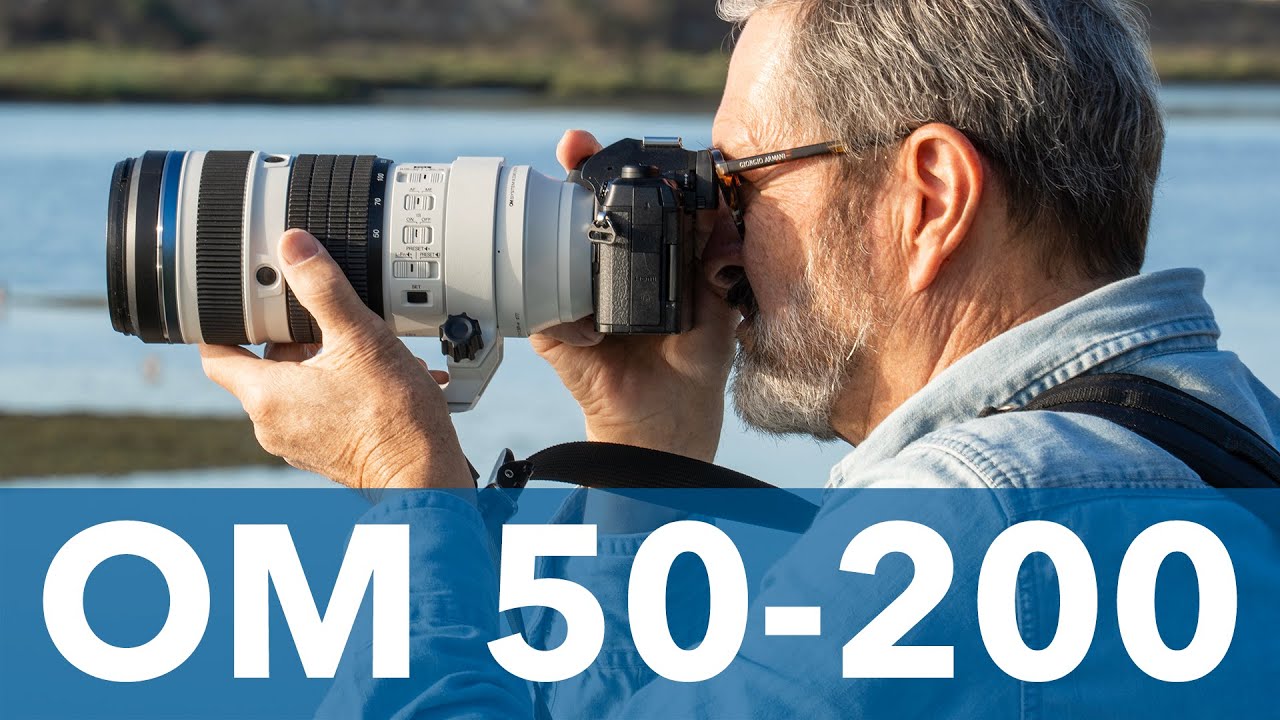
The 100-400mm f/2.8 That Actually Goes Outside: Field Notes on OM's 50-200mm Lens

The 100-400mm f/2.8 That Actually Goes Outside: Field Notes on OM's 50-200mm Lens

There’s a particular problem I’ve never fully solved with wildlife and wetland shooting: the gear that gives you reach doesn’t give you light, and the gear that gives you light doesn’t go near water. I’ve spent twenty years working around that trade-off, hauling separate kits for different conditions, babying lenses at the edge of marshes, making peace with the idea that a true fast telephoto was something you rented or didn’t own.

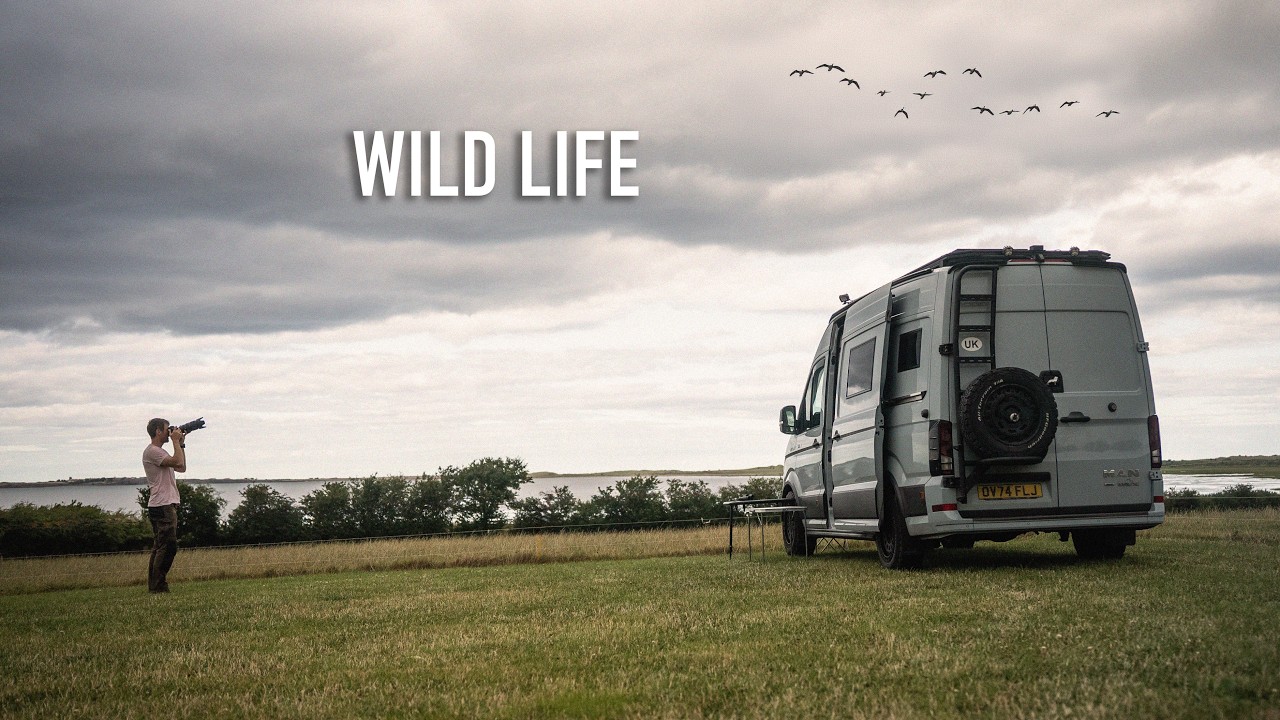
When the Location Fights Back: Wildlife and Landscape Photography on a Coastal Nature Reserve

When the Location Fights Back: Wildlife and Landscape Photography on a Coastal Nature Reserve

There’s a particular kind of shoot I’ve done dozens of times over twenty years: the one where everything you planned evaporates within the first hour. Wrong season, wrong access, wrong light. You either pack up and sulk, or you adapt and find something better than what you came for. The photographers who last in this work are the ones who’ve made peace with that second path. That’s why I keep coming back to Thomas Heaton’s work.

Beyond the Carrion: Capturing Vultures Through the Lens of Conservation

Beyond the Carrion: Capturing Vultures Through the Lens of Conservation

The Vulture’s Image Problem When I first heard about International Vulture Awareness Day’s recent photography competition, I found myself confronting my own biases. Like most people, I’d grown up viewing vultures as little more than scavengers—those dark silhouettes circling overhead that seemed to signal something ominous. But stepping into the field with this project changed my perspective entirely. The truth is, vultures are among nature’s most critical janitors, and yet they remain perhaps our most underappreciated wildlife subjects.

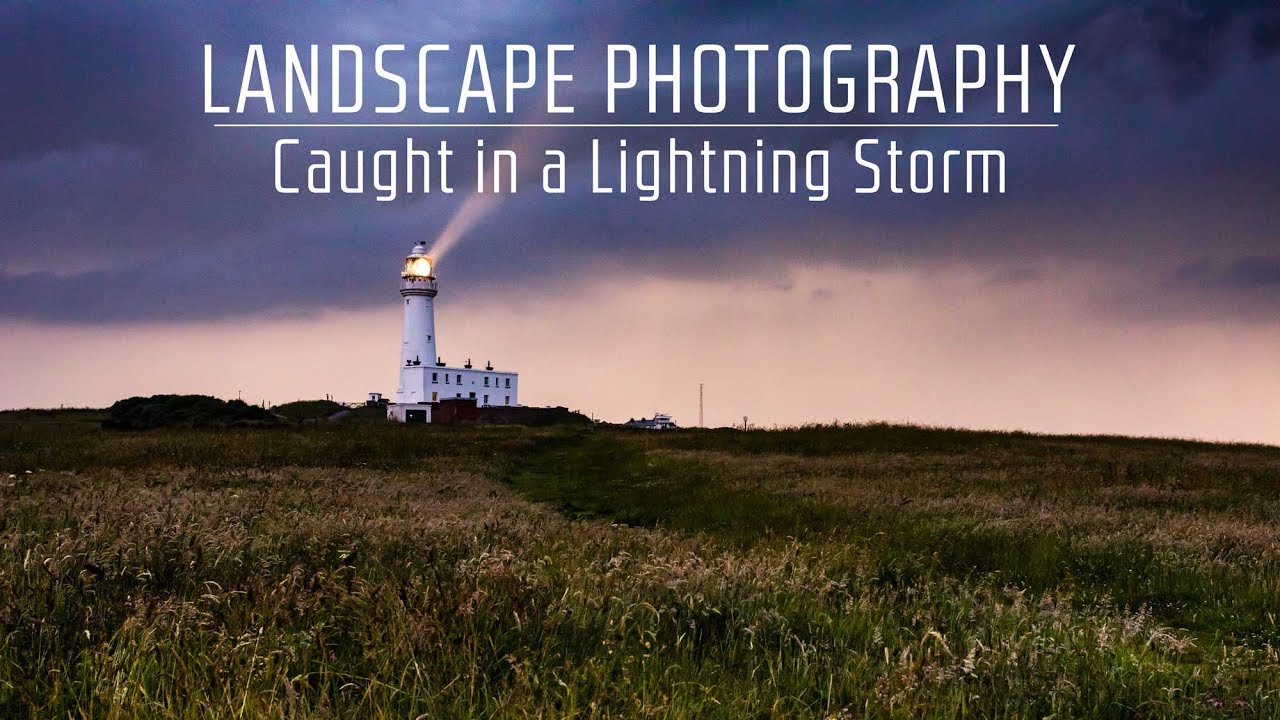
Chasing Light and Lightning: Field Lessons from a Day of Seabird and Coastal Landscape Photography

Chasing Light and Lightning: Field Lessons from a Day of Seabird and Coastal Landscape Photography

There’s a particular kind of day in field photography that teaches you more than any workshop ever could. It’s the day where you start with a plan, the weather dismantles it piece by piece, and you either adapt or you go home empty. I’ve had hundreds of those days over the past twenty years. They’re the ones I remember most. In this First Man Photography tutorial, Watch the full tutorial on YouTube, the photographer sets out for a full day along the Yorkshire coast, starting with seabird photography at Bempton Cliffs and ending with a coastal sunset attempt at Flamborough Head that gets interrupted by a full-on lightning storm.

What a Landscape Photographer Learns When They Stop Controlling the Frame

What a Landscape Photographer Learns When They Stop Controlling the Frame

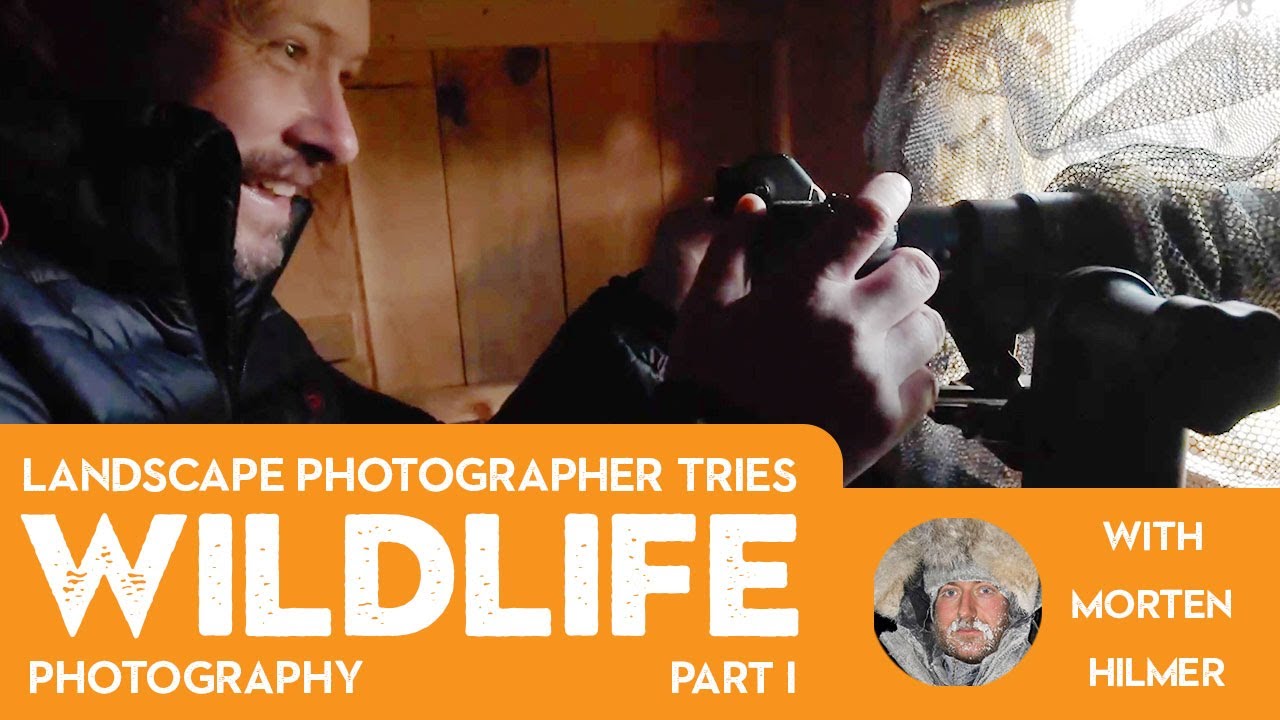
There’s a particular kind of humility that comes from stepping outside your own genre. I’ve spent two decades composing landscapes, reading light, waiting for clouds to cooperate. I know my tools cold, and I know my instincts. But every so often something pulls me sideways into unfamiliar territory, and that’s usually where the real learning happens. In this Nigel Danson tutorial, the British landscape photographer trades his wide-angle compositions for a telephoto lens and spends a morning in a photography blind in a Danish forest with wildlife photographer Morten Hilmer.

Four Decades of Devotion: What Tom Murphy's Yellowstone Bison Photography Teaches Us About Deep Work

Four Decades of Devotion: What Tom Murphy's Yellowstone Bison Photography Teaches Us About Deep Work

The Power of Staying Put There’s a quiet revolution happening in nature photography, one that contradicts the Instagram-driven impulse to chase every location, every season, every trending landscape. Tom Murphy embodies this countermovement. Over four decades, Murphy has made Yellowstone National Park not just a destination, but a permanent studio—a place where intimacy with subject matter has yielded work that transcends typical wildlife documentation. Having established roots in the Greater Yellowstone Ecosystem over five decades ago, Murphy transformed what could have been a passing interest into a lifelong artistic investigation.

The Pre-Dawn Ritual: Why Your Camera Settings Matter More Than You Think

The Pre-Dawn Ritual: Why Your Camera Settings Matter More Than You Think

The Power of Preparation There’s something almost meditative about the moments before dawn breaks over a landscape. You’re standing in the dark, coffee in hand, checking your gear one final time. Your camera feels heavy with possibility. But here’s what separates the photographers who capture magic from those who miss it: preparation. I’ve spent enough mornings in the field to understand that the best shot often comes without warning. A bird takes flight.

When Nature Photography Meets the Digital Age: A Cautionary Tale

When Nature Photography Meets the Digital Age: A Cautionary Tale

The Question That Won’t Go Away I’ve been photographing wildlife for nearly two decades, and I’ve watched the landscape of our craft transform dramatically. But recently, I witnessed something that crystallized a tension I’ve felt building in our community for years: the growing uncertainty about what constitutes a legitimate nature photograph in an age of AI and advanced compositing. The National Wildlife Federation’s recent Garden for Wildlife Photo Contest became ground zero for this debate when their winning owl image was stripped of its prize following widespread community scrutiny.

When Wildlife Photography Captures the Perfectly Imperfect Moment

When Wildlife Photography Captures the Perfectly Imperfect Moment

The Beauty of Unscripted Wildlife Moments I’ve spent countless hours in the field chasing the “perfect” shot—the golden-hour light, the ideal composition, the subject in full majesty. But there’s something profoundly refreshing about Alison Tuck’s winning entry in the 2025 Sterna People’s Choice Award: a gannet with its dignified composure completely undone by a face full of grass and weeds. This image reminds us why I fell in love with nature photography in the first place.