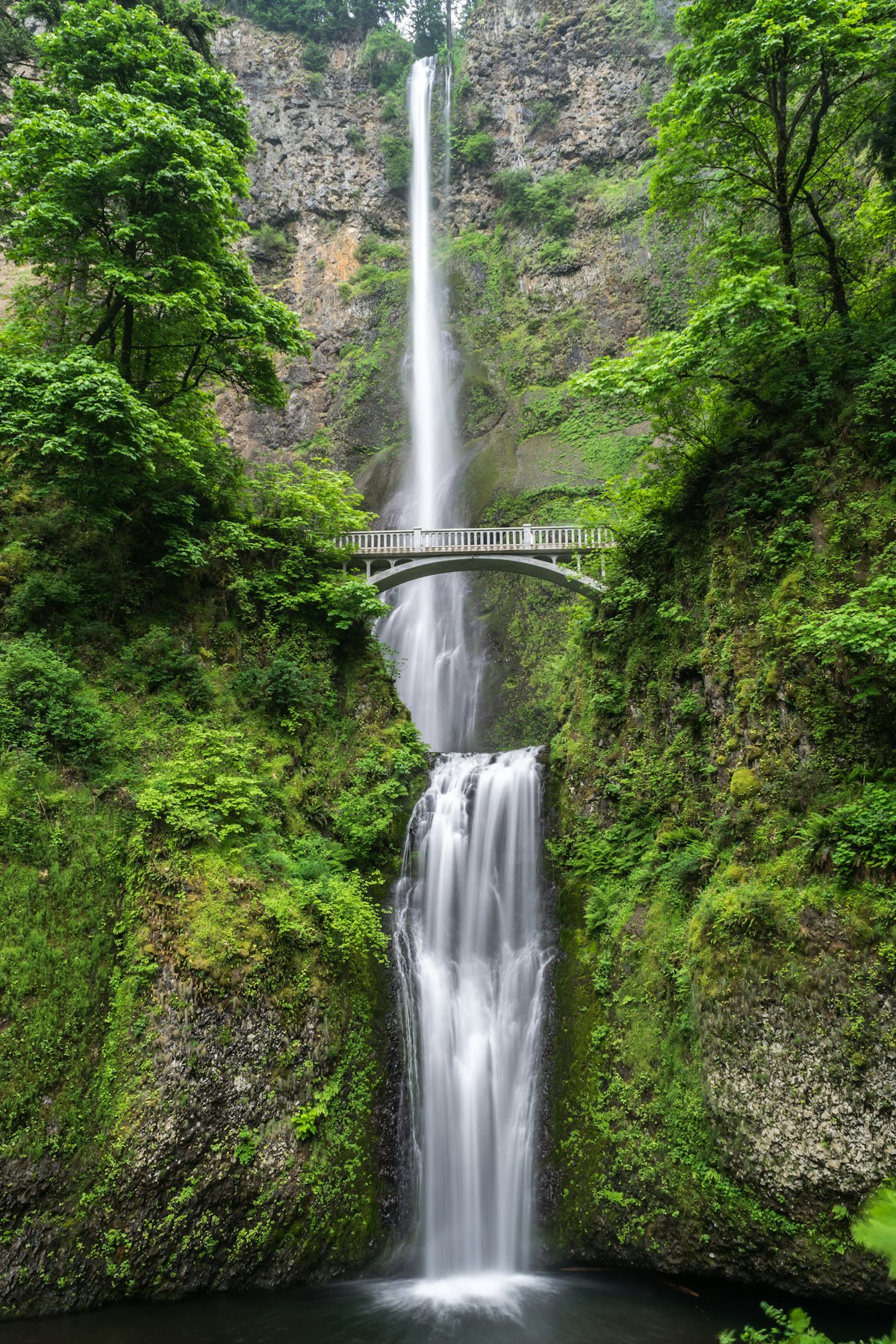
The Art of Waterfall Photography: Capturing Motion in Still Frames
There’s a particular kind of silence that falls over you when you’re standing before a waterfall at dawn, tripod planted firmly in the riverbed, waiting for the light to shift. The roar of the water fills everything—your ears, your chest, your mind—and yet there’s a quietness to the moment. This is where waterfall photography lives, in that strange intersection between chaos and stillness.
I’ve spent countless mornings chasing waterfalls across different regions, and I’ve learned that photographing moving water isn’t just about technical settings. It’s about understanding what you want to say about the water itself. Do you want to freeze its power, or reveal its grace?
Understanding Long Exposure as Your Primary Tool
The most transformative moment in my waterfall work came when I stopped fighting the water’s motion and started embracing it. Long exposure photography—typically 1-4 seconds or longer—turns turbulent cascades into silky, ethereal flows. This technique requires three things working in concert: a tripod that won’t budge, a neutral density (ND) filter to reduce light, and patience.
Without an ND filter, even in low light, you’ll struggle to achieve shutter speeds longer than a fraction of a second. I use a 6-stop ND filter as my baseline, and a 10-stop for bright conditions. These allow you to push your shutter speed into that 2-4 second range where the magic happens.
Start with these settings: ISO 100, f/16, and a 2-second exposure. Adjust from there based on what you see in your histogram. The goal isn’t a predetermined look—it’s intentional softness that conveys movement rather than obscures detail.
Location Scouting Changes Everything
The difference between a forgettable waterfall image and a compelling one rarely comes down to the waterfall itself. It comes down to your vantage point. I’ve returned to the same waterfall a dozen times, each season showing me a new angle.
Scout your location in daylight without your camera. Look for foreground elements—moss-covered rocks, fallen trees, interesting stone formations—that can anchor the composition. A waterfall alone is just a picture of water falling. A waterfall framed by the landscape around it becomes a story.
When I arrive for the actual shoot, I position myself low, often wading into the water itself (with secure footing). This lets me use foreground elements to create depth and draw the viewer’s eye toward the cascade rather than simply at it.
Managing Your Exposure in Difficult Light
Waterfalls rarely exist in ideal lighting conditions. They’re often surrounded by dense forest canopy, creating extreme contrast between bright sky and dark foreground. This is where metering becomes critical.
I use spot metering and aim at the water itself, not the sky. This prevents the sky from blowing out while allowing the surrounding rocks and vegetation to fall slightly darker. You can always recover shadow detail in post-processing, but blown highlights are unforgiving.
Bracket your exposures—take one at your metered setting, one stop under, and one stop over. This safety net has rescued more than a few images when the forest’s shadows proved deeper than I anticipated.
The Value of Returning Seasons Later
My best waterfall work has never come on a first visit. I return in different seasons—after heavy rains when the flow is dramatic, or in autumn when the surrounding trees offer color. Spring brings different light angles through the canopy. Winter, with its harsh shadows and occasional ice formations, reveals aspects of the landscape I’d never noticed.
The waterfall doesn’t change fundamentally, but your relationship to it does. Your eye sharpens. You notice the small details—how moss catches the spray, where light penetrates the mist.
This patience, this willingness to return and look deeper, is what separates passing through beautiful places from truly seeing them. That’s where compelling waterfall photography begins.
Comments
Leave a Comment