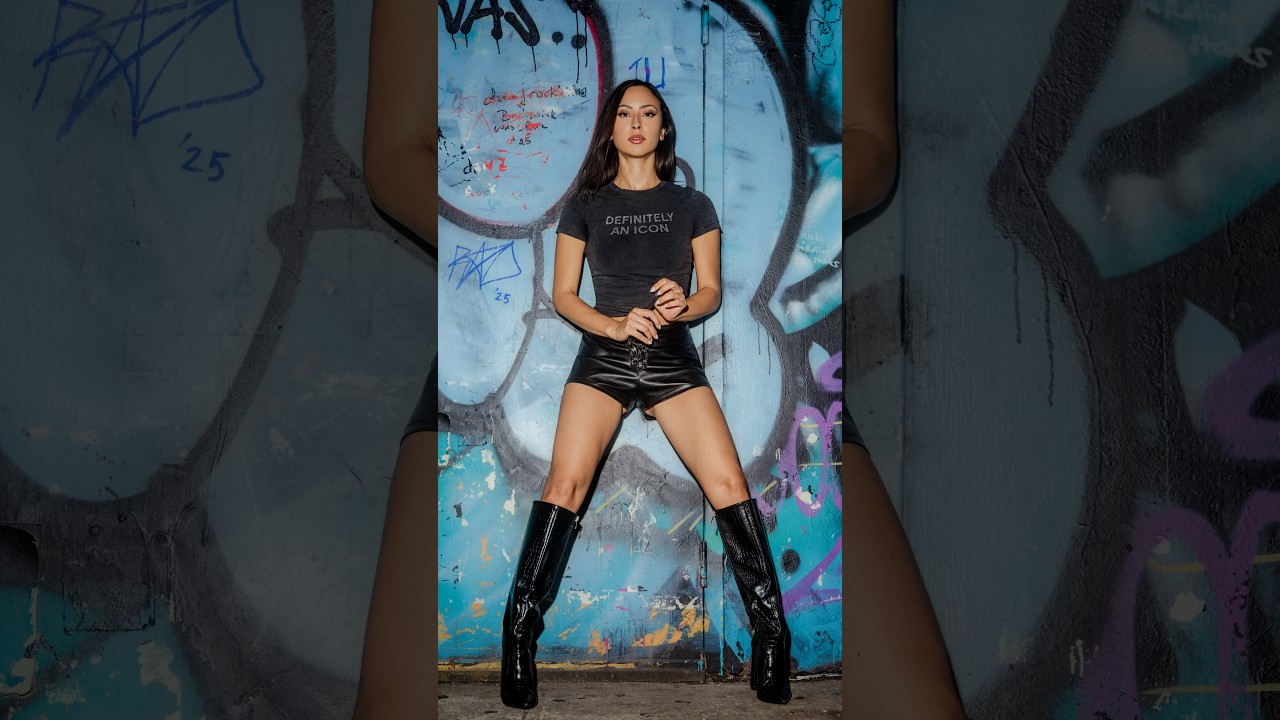
Golden Hour or Blue Hour for Portraits? What a NYC Workshop Taught Me About Shooting Both in the Same Evening

Golden Hour or Blue Hour for Portraits? What a NYC Workshop Taught Me About Shooting Both in the Same Evening

I’ve spent two decades chasing light across high desert, alpine tundra, and volcanic coastline. Portraits aren’t my primary work. But light is, and lately I’ve been asking myself a harder version of a question I thought I’d already answered: not just when to shoot, but how differently I should be working when the same location shifts from golden to blue. I kept defaulting to golden hour out of habit, packing up before blue hour ever fully arrived.
Blue Hour Photography: The Overlooked Golden Time

Blue Hour Photography: The Overlooked Golden Time

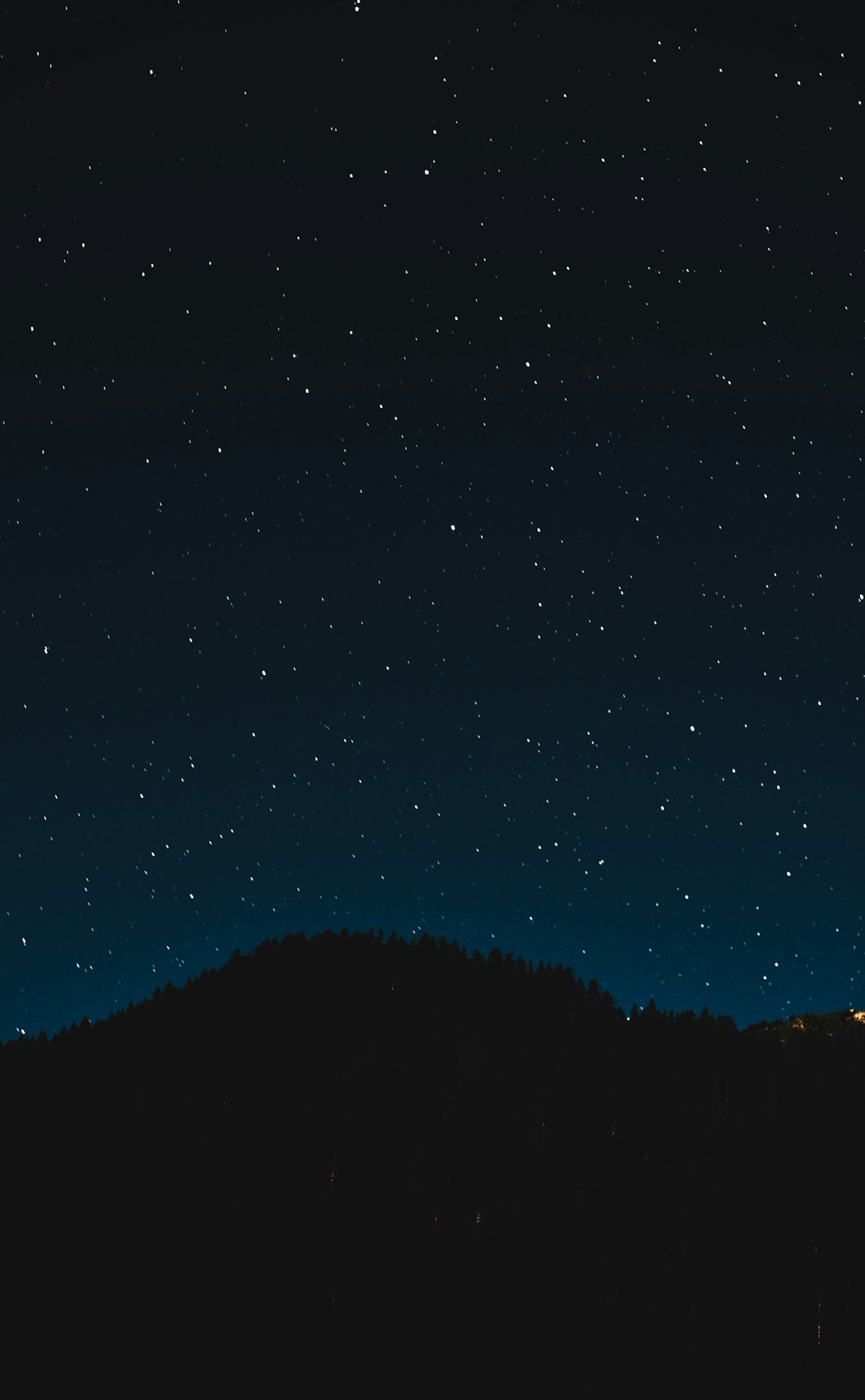
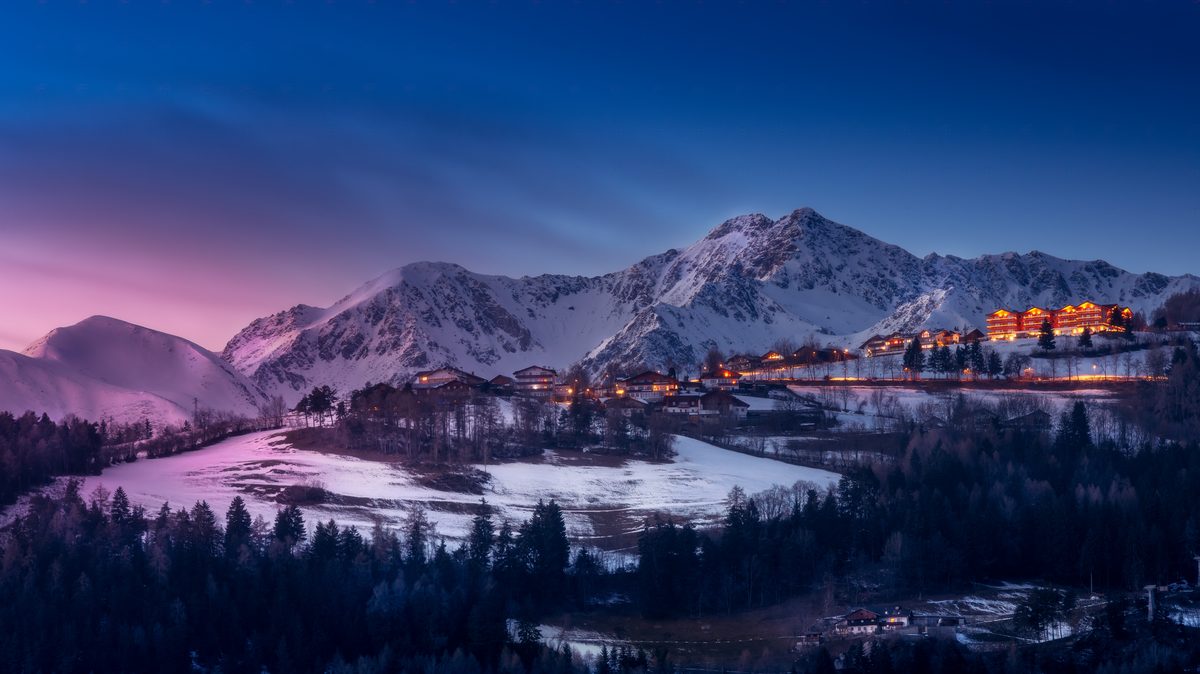
Every photographer knows golden hour. Far fewer make deliberate use of blue hour — the period of deep twilight before sunrise and after sunset when the sky turns a rich, saturated blue. This overlooked window produces some of the most atmospheric landscape images possible, with a color palette and mood that no other time of day can match. When Blue Hour Happens Blue hour occurs when the sun is between 4 and 8 degrees below the horizon.

The Best Time of Day for Landscape Photography

The Best Time of Day for Landscape Photography

Ask any experienced landscape photographer what single factor matters most, and most will say the same thing: light. The quality of natural light changes dramatically throughout the day, and understanding these shifts is fundamental to making images that feel alive. Golden Hour The period roughly 30 to 60 minutes after sunrise and before sunset produces the warm, directional light that defines classic landscape photography. The sun sits low on the horizon, casting long shadows that reveal texture in terrain.