Four Reasons Your Landscape Shots Aren't Sharp (And How to Fix Every One)

Four Reasons Your Landscape Shots Aren't Sharp (And How to Fix Every One)

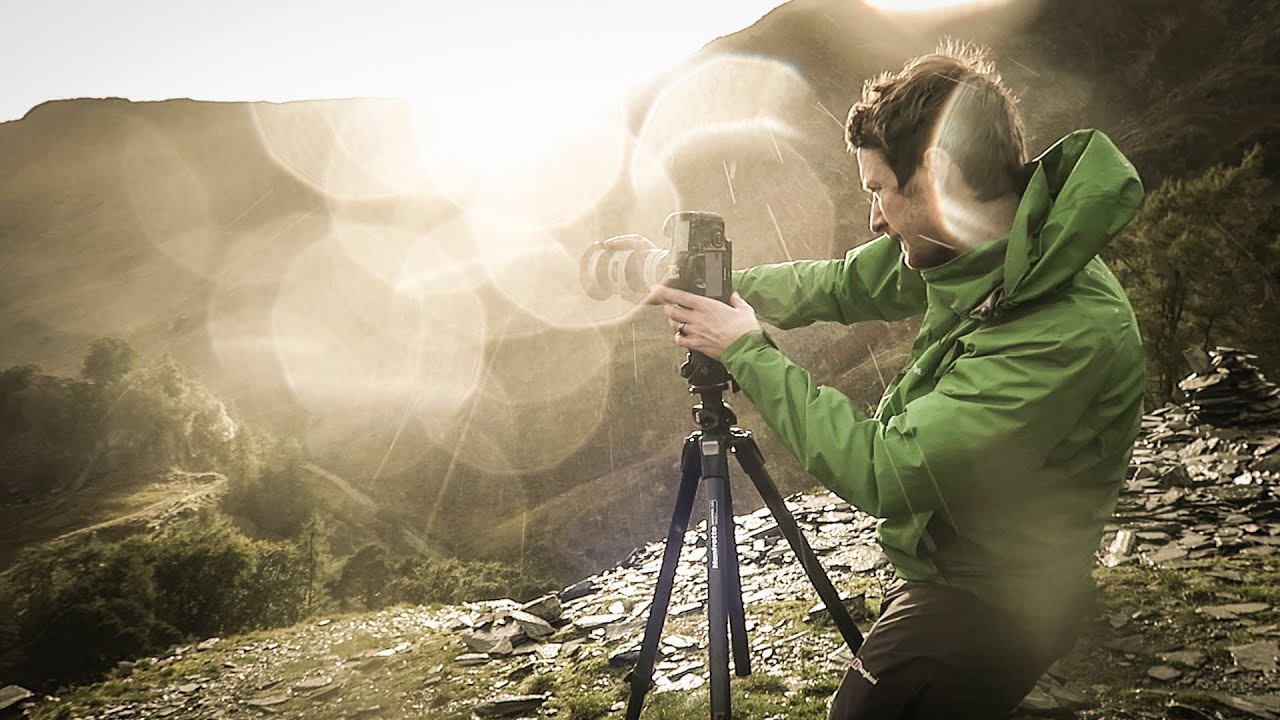
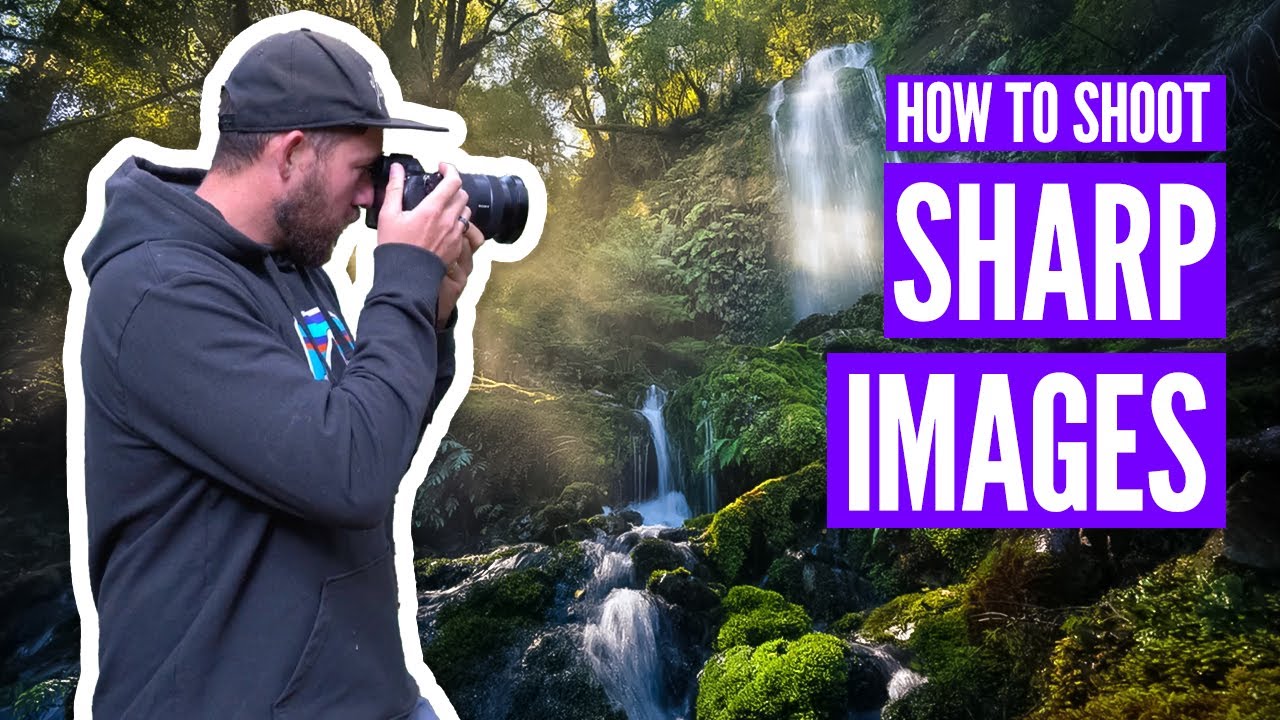
There’s a particular kind of frustration that comes from hiking two miles before sunrise, nailing the light, composing exactly what you envisioned, and then pulling the image up on your monitor to find it soft. Not blurry in an obvious way. Just… not sharp. After twenty years of doing this for a living, I still think that’s one of the most deflating moments in photography. The variables are stacked: shutter speed, aperture, ISO, focus distance.

When the Location Fights Back: Wildlife and Landscape Photography on a Coastal Nature Reserve

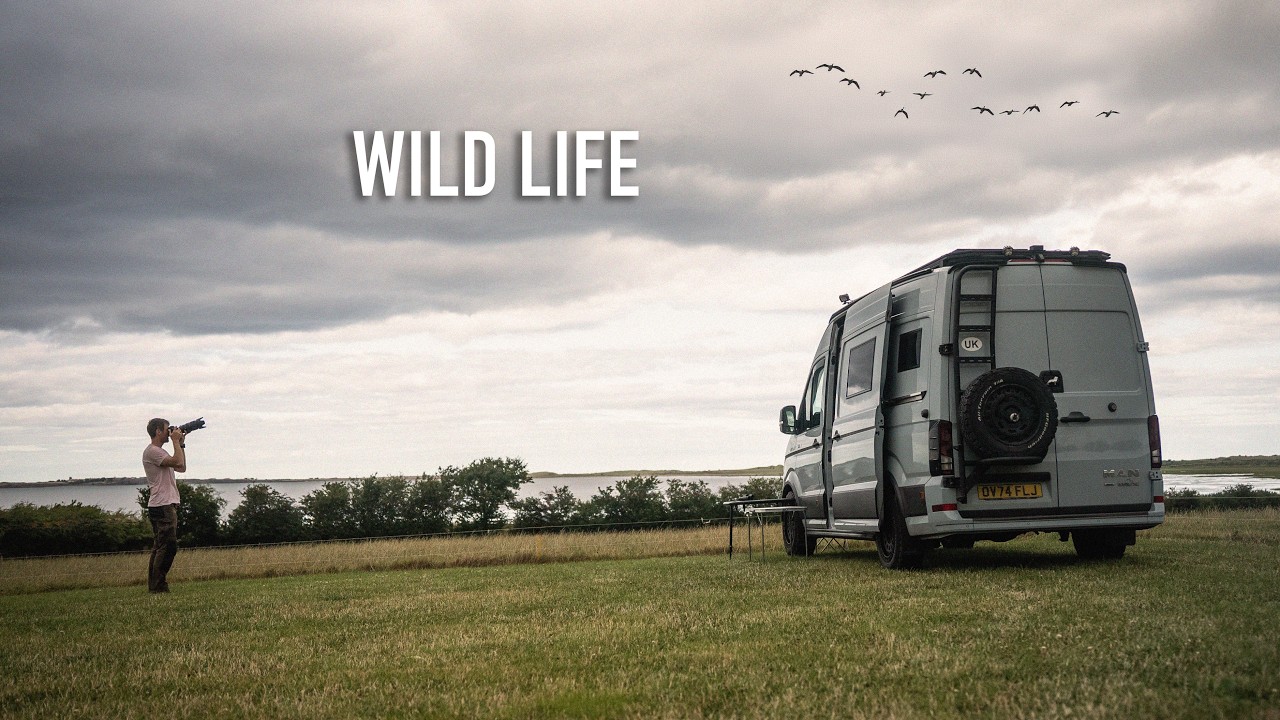
When the Location Fights Back: Wildlife and Landscape Photography on a Coastal Nature Reserve

There’s a particular kind of shoot I’ve done dozens of times over twenty years: the one where everything you planned evaporates within the first hour. Wrong season, wrong access, wrong light. You either pack up and sulk, or you adapt and find something better than what you came for. The photographers who last in this work are the ones who’ve made peace with that second path. That’s why I keep coming back to Thomas Heaton’s work.

Chasing Light and Lightning: Field Lessons from a Day of Seabird and Coastal Landscape Photography

Chasing Light and Lightning: Field Lessons from a Day of Seabird and Coastal Landscape Photography

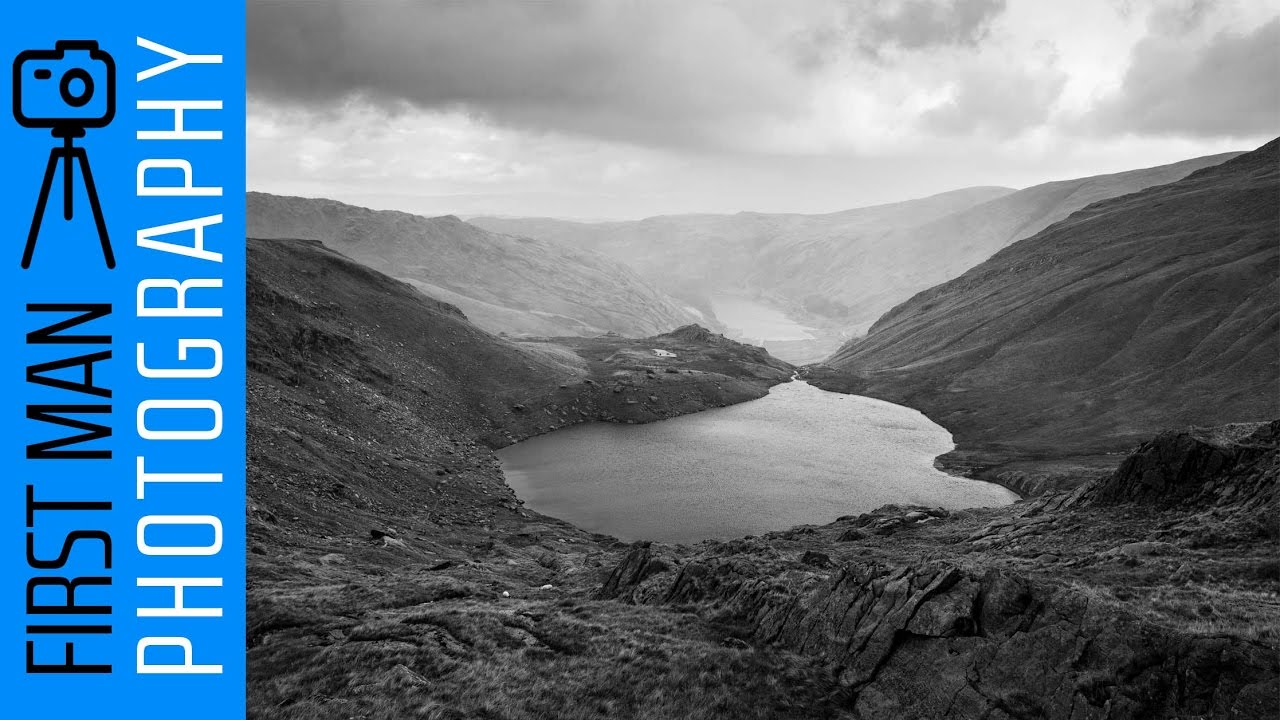
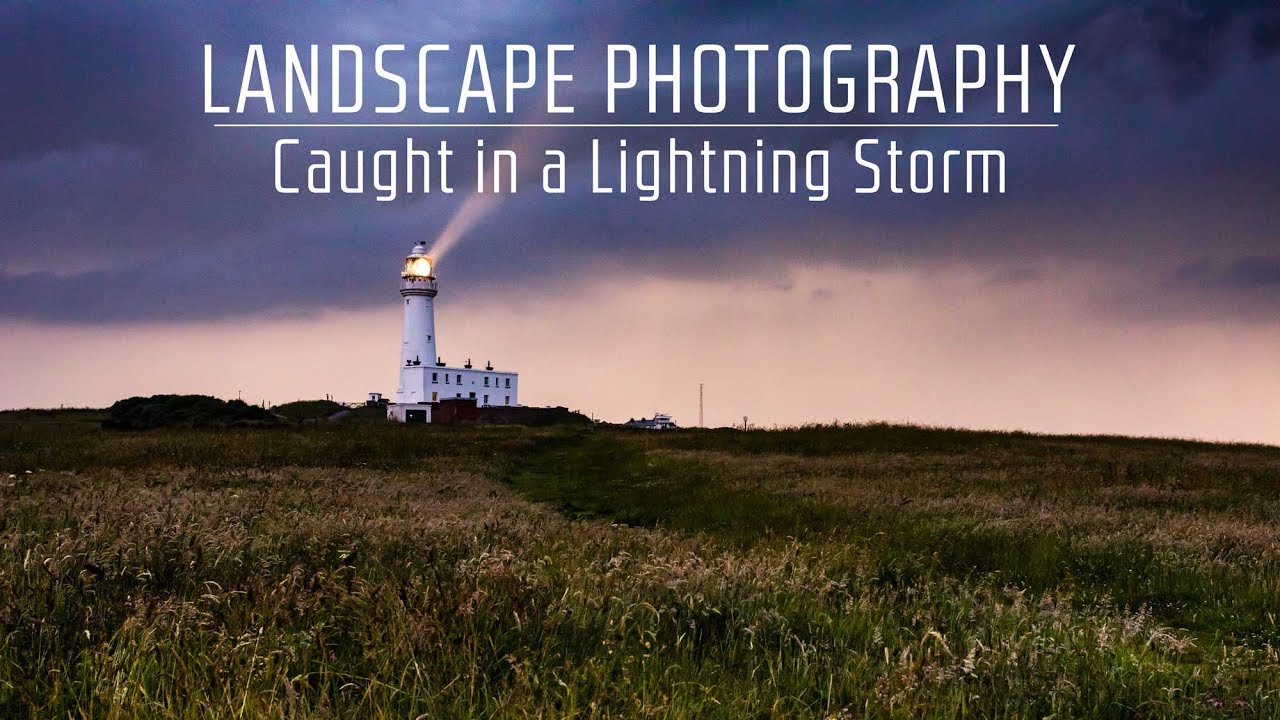
There’s a particular kind of day in field photography that teaches you more than any workshop ever could. It’s the day where you start with a plan, the weather dismantles it piece by piece, and you either adapt or you go home empty. I’ve had hundreds of those days over the past twenty years. They’re the ones I remember most. In this First Man Photography tutorial, Watch the full tutorial on YouTube, the photographer sets out for a full day along the Yorkshire coast, starting with seabird photography at Bempton Cliffs and ending with a coastal sunset attempt at Flamborough Head that gets interrupted by a full-on lightning storm.

Stop Guessing Your Exposure: A Field Guide to Reading the Histogram at Golden Hour

Stop Guessing Your Exposure: A Field Guide to Reading the Histogram at Golden Hour

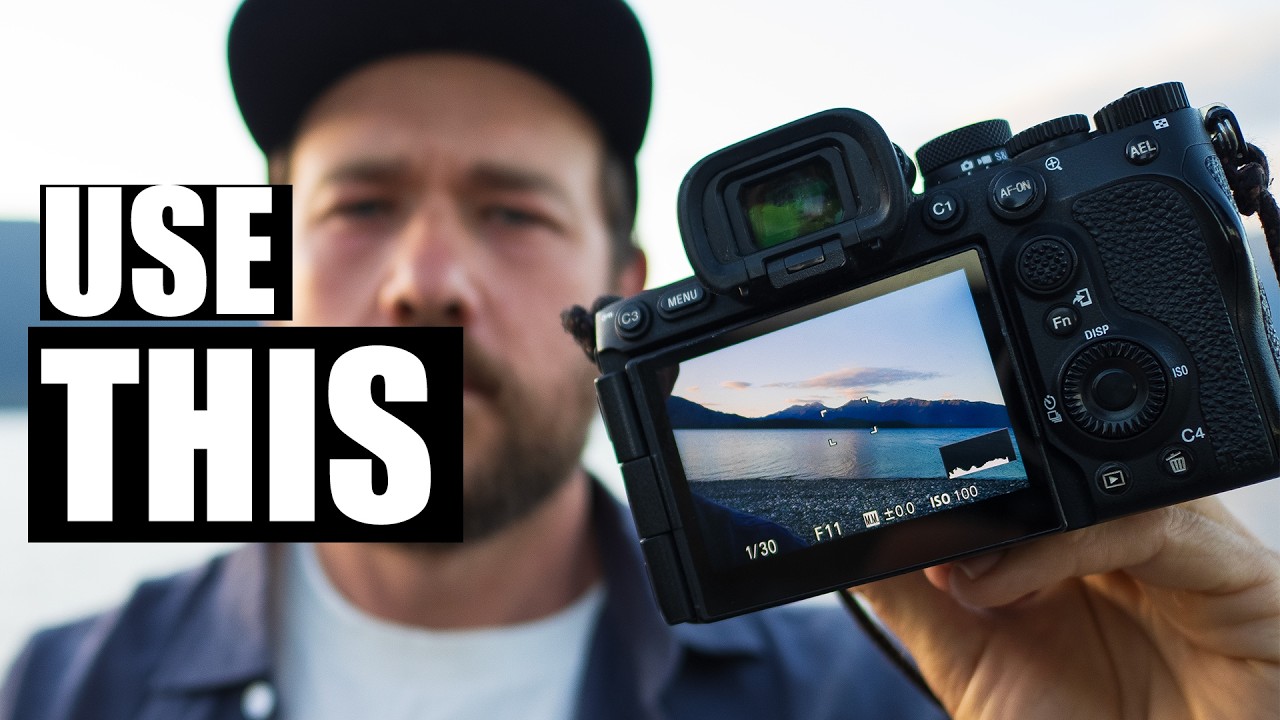
There is a particular kind of frustration that comes from standing at the edge of a lake at 5am, the sky doing something extraordinary, and blowing the shot because you trusted your eyes instead of your data. I’ve done it more times than I care to admit. The sky looked balanced through the viewfinder, the image felt right, and then I got home and found a washed-out sun with no detail to recover.

How to Work a City at Sunrise: Field Techniques from the Banks of the Seine

How to Work a City at Sunrise: Field Techniques from the Banks of the Seine

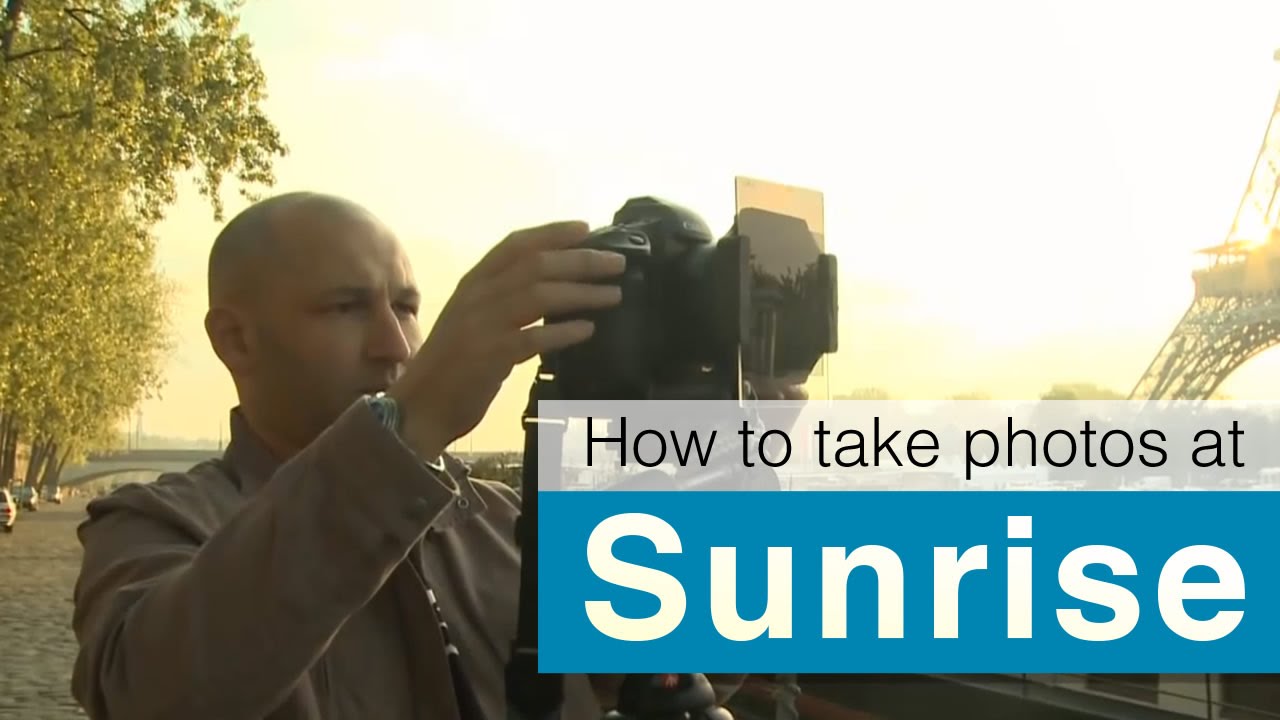
There’s a particular kind of pressure that comes with shooting in a famous location. Paris, the Eiffel Tower, the Seine at sunrise. Every angle has been photographed ten thousand times, and the temptation is to either give up on originality entirely or freeze up trying to find it. I’ve felt that same pressure standing on the rim of Crater Lake or at the base of Smith Rock right here in Oregon.

Why I Stopped Treating ISO Like a Four-Letter Word (And You Should Too)

Why I Stopped Treating ISO Like a Four-Letter Word (And You Should Too)

There’s a rule I carried around for years like a stone in my pack: keep ISO at 100, always. I learned it early, repeated it in workshops, and held onto it even when the light was failing and I knew, somewhere in the back of my mind, that I was making compromises that hurt my images. I’d drag my shutter speed to half a second, a full second, longer, trying to hold the exposure together without touching that dial.

Landscape vs. Portrait: The Camera Settings That Actually Matter in the Field

Landscape vs. Portrait: The Camera Settings That Actually Matter in the Field

There’s a particular kind of frustration that comes from standing in front of a stunning scene, knowing the light is right, and fumbling with your camera settings while the moment slips away. After twenty years of pre-dawn drives and frozen fingers, I still think the fastest path to consistent images is having a clear, repeatable settings framework before you ever raise the camera to your eye. Not because creativity should be mechanical, but because when the technical side is locked in, your mind is free to actually see.

How to Shoot a Landscape Panorama That Actually Holds Together: Lessons from the Field

How to Shoot a Landscape Panorama That Actually Holds Together: Lessons from the Field

Panoramas have cost me more shots than almost any other technique. Not because the stitching is hard, or because the compositions don’t work, but because of the small, fixable mistakes that only show up later on a monitor back at the hotel. Mismatched exposures. Focus drift between frames. A white balance shift mid-sequence that makes the left side of the image a different color temperature than the right. I’ve been shooting landscapes for twenty years and I still have to remind myself of the fundamentals when conditions are moving fast and the light is doing something worth chasing.

Bad Weather, Small Scenes, and the Quiet Art of Working With What You've Got

Bad Weather, Small Scenes, and the Quiet Art of Working With What You've Got

There’s a particular kind of afternoon I know well. The light is flat, your energy is low, and every instinct tells you to stay in the van. I’ve been making photographs for twenty years and I still have to talk myself out of the parking lot on days like that. What I’ve learned, slowly and sometimes expensively, is that those low-stakes sessions, the ones where nothing feels epic, are often where you build the sharpest eye.

Camera Settings I Actually Use in the Field (And Why They Work): A Breakdown of William Patino's Beginner Landscape Guide

Camera Settings I Actually Use in the Field (And Why They Work): A Breakdown of William Patino's Beginner Landscape Guide

I’ve been waking up before dawn for twenty years, hauling gear into the dark, and the question I get most often at my workshops isn’t about composition or light. It’s this: “What settings should I be using?” People show up with good cameras and genuinely sharp eyes for a scene, and they’re losing the shot because their camera is fighting them instead of working with them. That gap, between owning a capable camera and actually controlling it, is what keeps a lot of beginners stuck.

Why Your Panoramas Look Wrong (And How to Fix Them Before You Leave the Trailhead)

Why Your Panoramas Look Wrong (And How to Fix Them Before You Leave the Trailhead)

There’s a ridge I return to every autumn outside Bend, where the Cascades stack up in layers from west to east. The scene is roughly 180 degrees of usable sky, volcanic peaks, and high desert. My camera’s widest lens can’t touch it. Neither can a single frame at any focal length without introducing so much foreground distortion that the mountains look like they’re leaning away from the viewer. The only honest way to render that place is to stitch it, and I spent an embarrassing amount of time doing it wrong before I understood what was actually happening between the frames.

The Pre-Dawn Ritual: Why Your Camera Settings Matter More Than You Think

The Pre-Dawn Ritual: Why Your Camera Settings Matter More Than You Think

The Power of Preparation There’s something almost meditative about the moments before dawn breaks over a landscape. You’re standing in the dark, coffee in hand, checking your gear one final time. Your camera feels heavy with possibility. But here’s what separates the photographers who capture magic from those who miss it: preparation. I’ve spent enough mornings in the field to understand that the best shot often comes without warning. A bird takes flight.