Shooting the Fine Details: What Sand Dune Sunset Photography in Western Australia Taught Me About Slowing Down

Shooting the Fine Details: What Sand Dune Sunset Photography in Western Australia Taught Me About Slowing Down

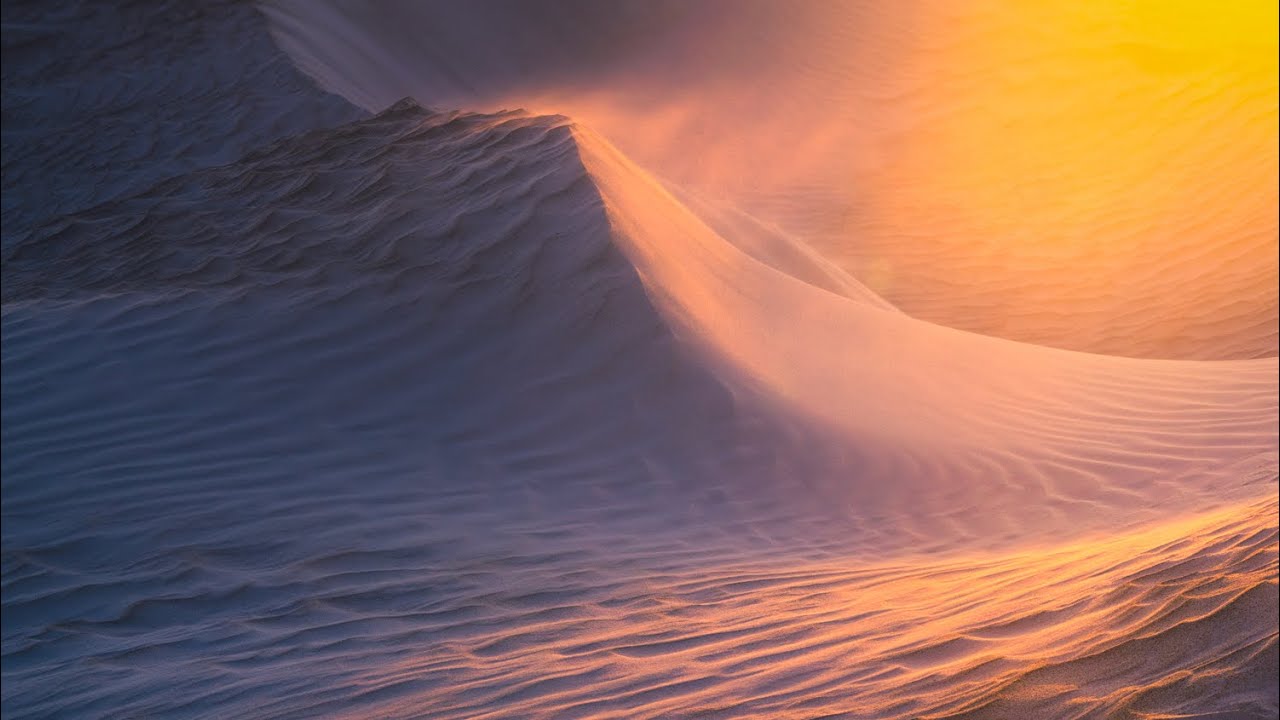
There’s a trap I’ve fallen into more times than I’d like to admit over twenty years of doing this professionally. You arrive at a location expecting something grand, something with obvious layers and drama and a clear foreground-to-sky story, and instead the landscape hands you something quieter and more intricate. The instinct is to feel cheated. The better move, as I’ve learned slowly and sometimes expensively, is to put the wide angle away and look closer.
Camping in the Mountains for Landscape Photography: What Thomas Heaton Gets Right About Chasing Light

Camping in the Mountains for Landscape Photography: What Thomas Heaton Gets Right About Chasing Light

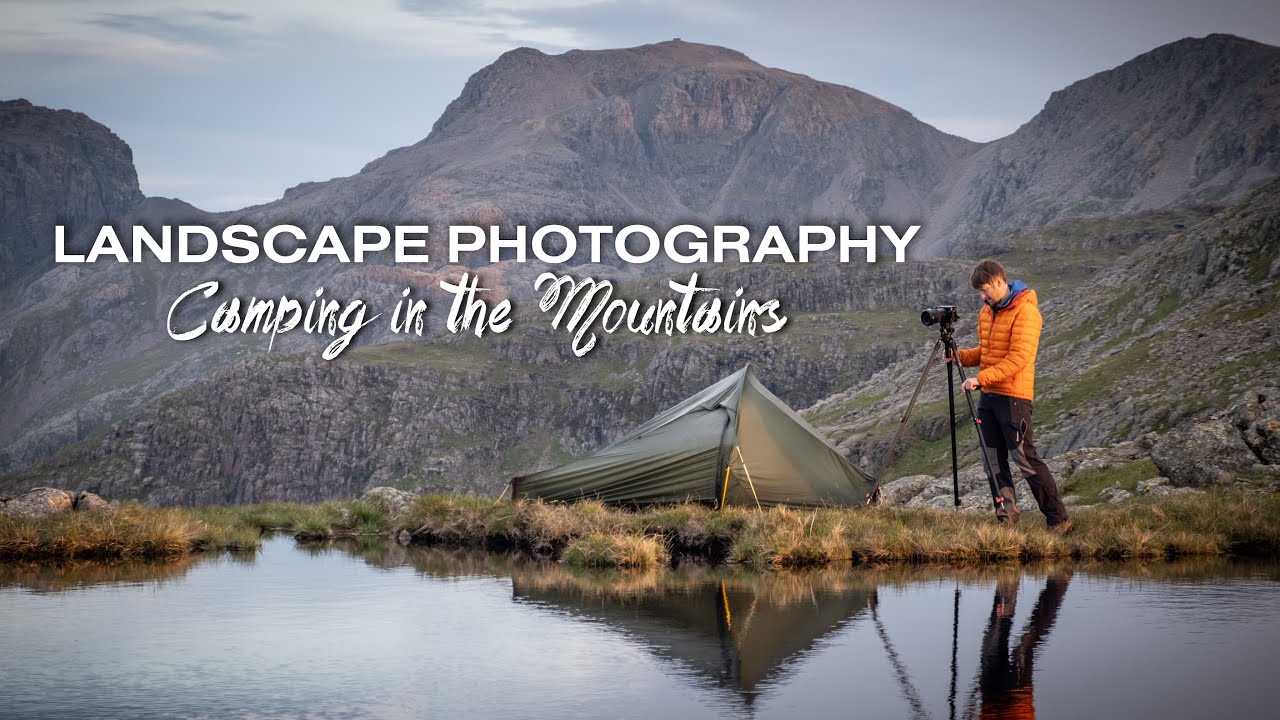
There’s a specific kind of suffering that comes with hauling too much gear up a mountain. I’ve done it more times than I care to admit. The extra filter system, the backup body, the “just in case” lens that adds two pounds and never leaves the bag. You tell yourself you’ll need it. You usually won’t. But every now and then, you pull out that polarizer at exactly the right moment, and the whole scene transforms in front of you.

How to Read a Sunset Before It Happens: Field Notes from a William Patino Tutorial

How to Read a Sunset Before It Happens: Field Notes from a William Patino Tutorial

I’ve been waking up before sunrise for twenty years, and I still occasionally drive to a location, read the sky wrong, and come home with nothing worth keeping. That’s not a confession of failure. It’s just the reality of working with light you don’t control. What separates a productive sunset shoot from an expensive parking lot meditation session is largely about what you observe before you even lift the camera. That’s exactly why I spent time with this tutorial from William Patino, a landscape photographer who has a genuine gift for articulating things most of us feel intuitively but struggle to explain.

Mistakes I Still Catch Myself Making (And What a Sharp Tutorial Finally Put Into Words)

Mistakes I Still Catch Myself Making (And What a Sharp Tutorial Finally Put Into Words)

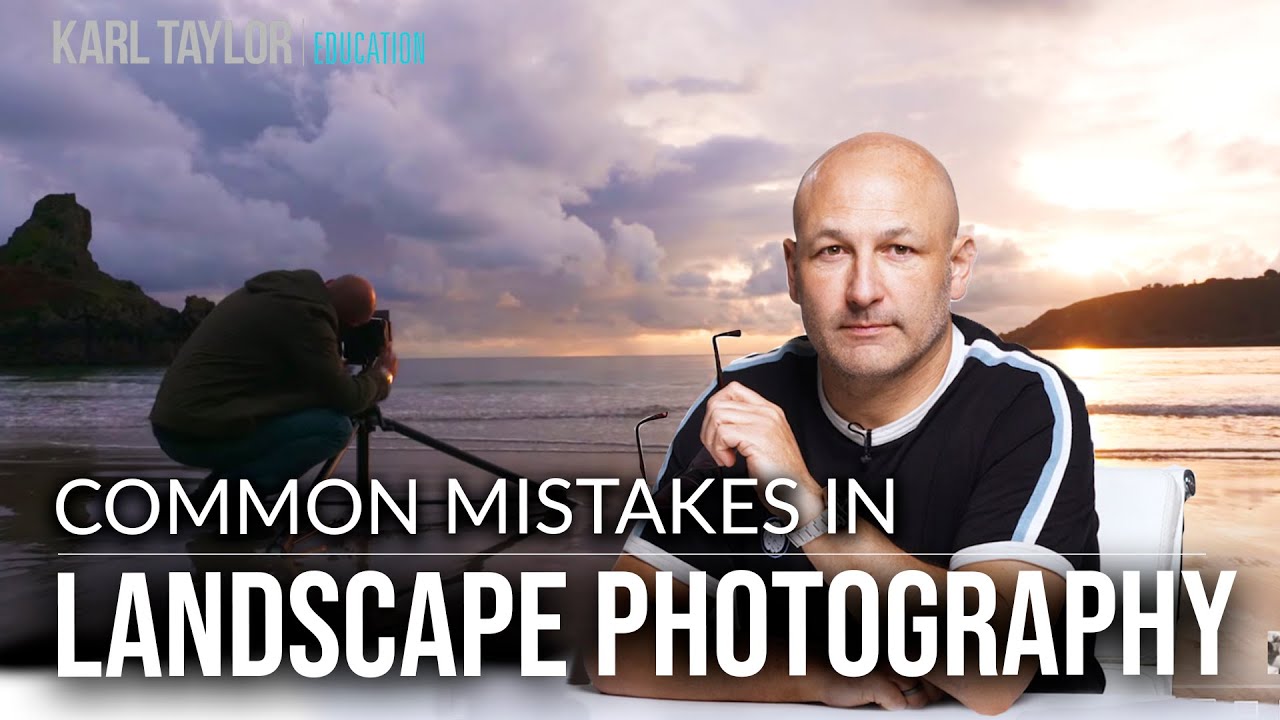
There’s a particular kind of humility that comes with twenty years of waking before dawn and standing in cold water with a camera. You’d think by now I’d have ironed out every bad habit. And mostly, I have. But watching this Visual Education tutorial on common landscape photography mistakes last week, I found myself nodding along at things I still catch myself doing when I’m tired, rushed, or just too eager to shoot.

Pre-Dawn Panoramics and Chasing Winter Light: Lessons from a Day in Glencoe

Pre-Dawn Panoramics and Chasing Winter Light: Lessons from a Day in Glencoe

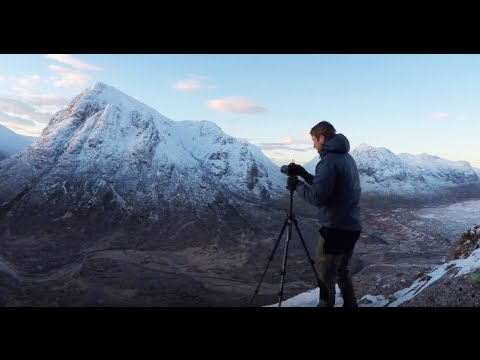
There’s a particular kind of tiredness that only other landscape photographers understand. It’s not the tired you feel after a bad night’s sleep. It’s the good tired, the kind that comes from hauling gear up a hill in the dark, hands too cold to zip your jacket properly, and still choosing to be exactly there at exactly that moment. I’ve felt it hundreds of times in twenty years of doing this work full-time, and it never gets old.

When the Light Lies: What Thomas Heaton's Iceland Mistake Taught Me About Reading a Scene

When the Light Lies: What Thomas Heaton's Iceland Mistake Taught Me About Reading a Scene

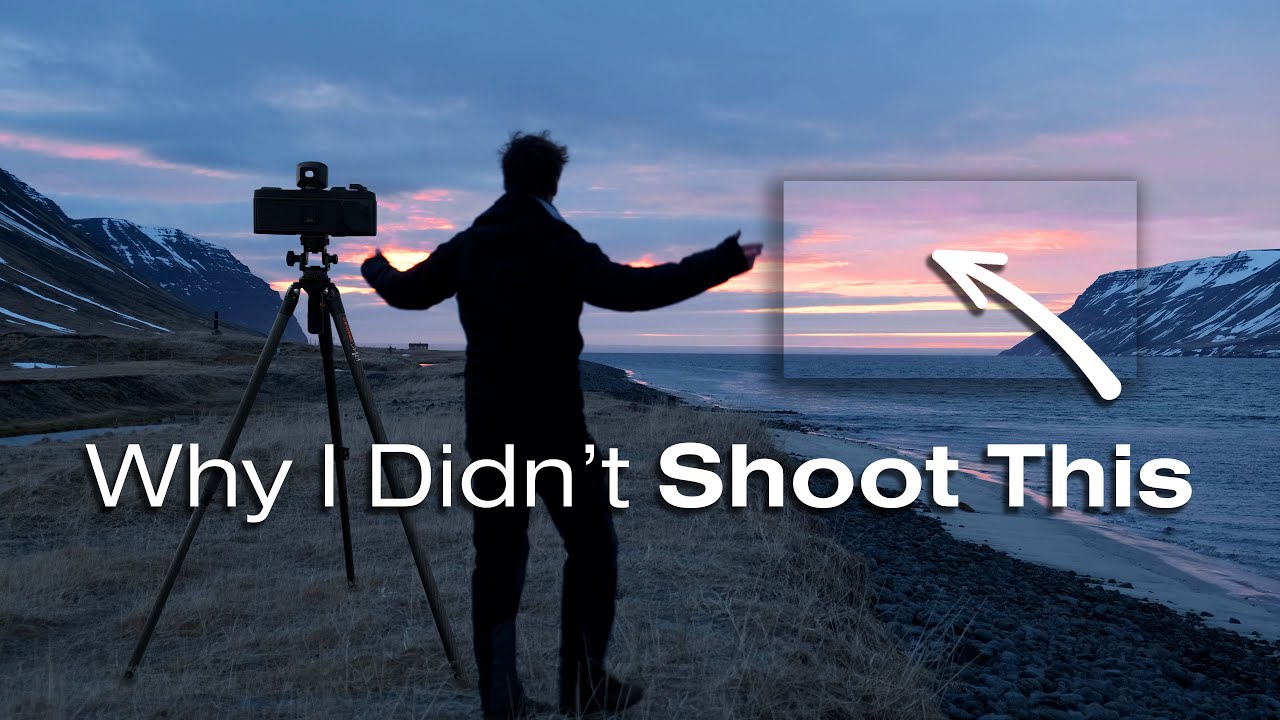
There’s a particular kind of hurt that comes from watching the sky explode in the wrong direction. You’ve read the clouds, done the math, committed to a composition — and then the light does exactly what it wants, which is nothing like what you wanted. I’ve been there more times than I can count, standing on a cold shore with my camera pointed at a wall of grey while something spectacular unfolds behind me.

Why the Best Mountain Light Lasts Three Minutes (And How to Be Ready When It Hits)

Why the Best Mountain Light Lasts Three Minutes (And How to Be Ready When It Hits)

I had been watching that ridgeline for two hours before anything happened. My thermos was empty, my fingers were stiff inside my gloves, and the alpenglow I had driven four hours to catch was looking like a no-show. Then, in about the time it takes to pour a cup of coffee, the clouds parted, the light hit the snow, and the whole face of the mountain turned a color I can only describe as burning copper.

How to Photograph a Sunstar: The Two Things That Actually Matter

How to Photograph a Sunstar: The Two Things That Actually Matter

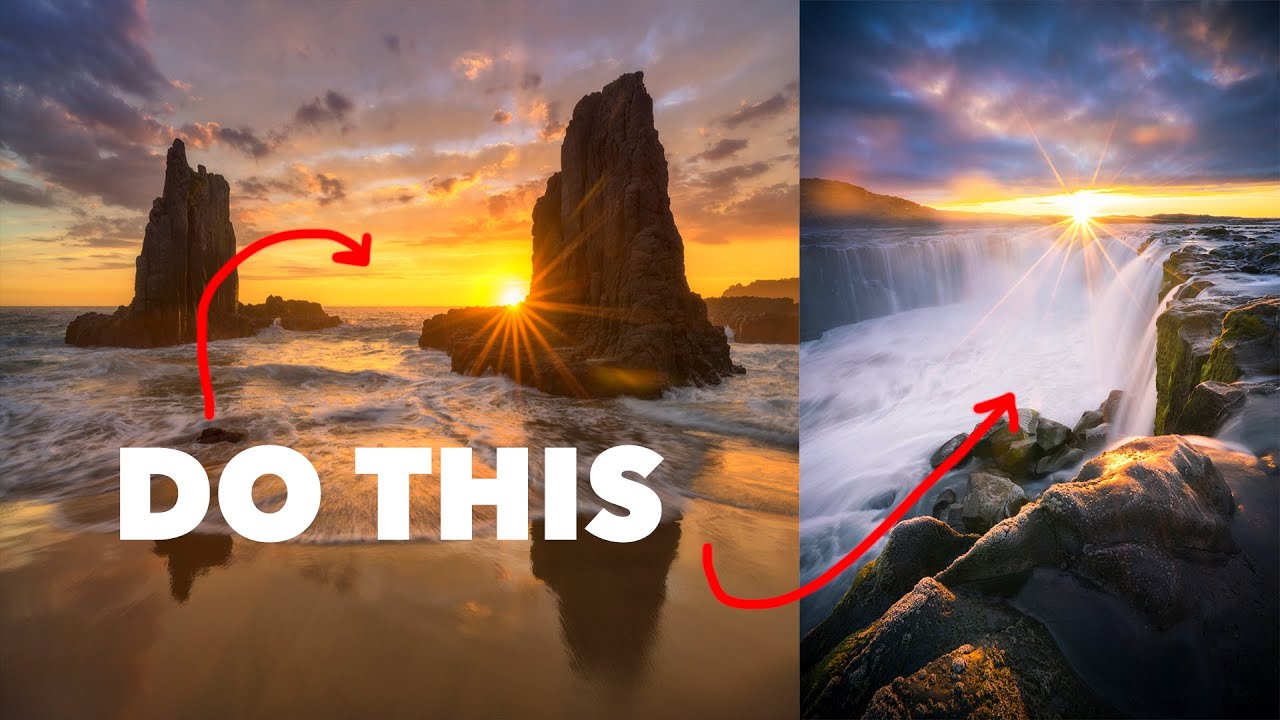
There is a particular kind of shot that stops people mid-scroll. The sun sits just behind a rock, a tree, or the edge of a cliff, and light rays spray outward in perfect symmetry like a starburst drawn by hand. I spent an embarrassing amount of time in my early years chasing that look without fully understanding what was creating it. I knew aperture was involved, but I kept blowing out the highlights or getting a smear of lens flare instead of crisp rays.

iPhone Landscape Photography: 5 Field-Tested Tips That Actually Hold Up

iPhone Landscape Photography: 5 Field-Tested Tips That Actually Hold Up

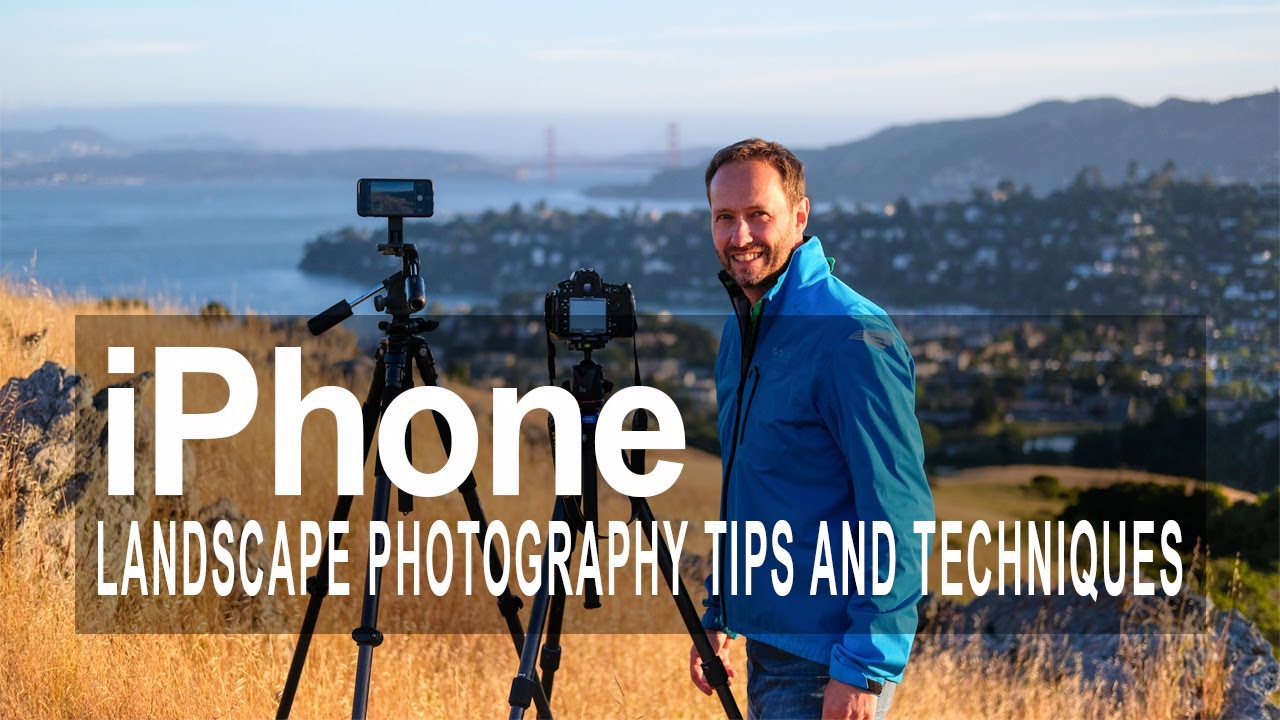
I’ll be honest with you. For a long time, I left my iPhone in my bag when I was out shooting. Twenty years of hauling full-frame gear up ridgelines before dawn will do that to you. The phone felt like a compromise, and I don’t compromise easily. Then one morning in the eastern Cascades, I’d left my Nikon in the truck and the light broke open in a way that made my chest hurt.

Why the Mountain Wins Every Time (And How to Stop Fighting It)

Why the Mountain Wins Every Time (And How to Stop Fighting It)

There’s a quote I’ve carried with me for twenty years. Early in my career, I was complaining to a mentor about a shoot that had gone sideways. Bad weather, wrong light, three hours of driving for nothing. He looked at me and said, “The mountain doesn’t care about your schedule.” I laughed at the time. Now I think about it on almost every shoot I do. Mountains are the most humbling subject in landscape photography.

The Art of Capturing Mountain Light: Lessons from the High Country

The Art of Capturing Mountain Light: Lessons from the High Country

I’ve spent countless mornings standing in alpine meadows, watching light pour over distant peaks, and I’ve learned that mountain photography isn’t about chasing dramatic vistas—it’s about understanding the light that defines them. The Golden Window: Timing Your Ascent Mountains demand respect for time. When I plan a shoot, I work backward from my desired location. If I want to photograph a peak during golden hour, I calculate sunrise time, add 45 minutes (when light becomes truly directional), then subtract my hiking duration and a 20-minute buffer for setup.

Chasing Light in the High Country: Mastering Mountain Photography

Chasing Light in the High Country: Mastering Mountain Photography

There’s a particular silence that settles over a mountain before dawn—a stillness that makes you acutely aware of why you’ve dragged yourself out of bed at 3 a.m. You’re standing at 10,000 feet, fingers numb despite your gloves, watching the sky transition from absolute black to deep indigo. This is when mountain photography truly begins, long before the light touches the peaks. Timing Is Everything I’ve learned that mountain photography is fundamentally about light, and mountain light is unforgiving.