The Art of Capturing Mountain Light: Lessons from the High Country

The Art of Capturing Mountain Light: Lessons from the High Country

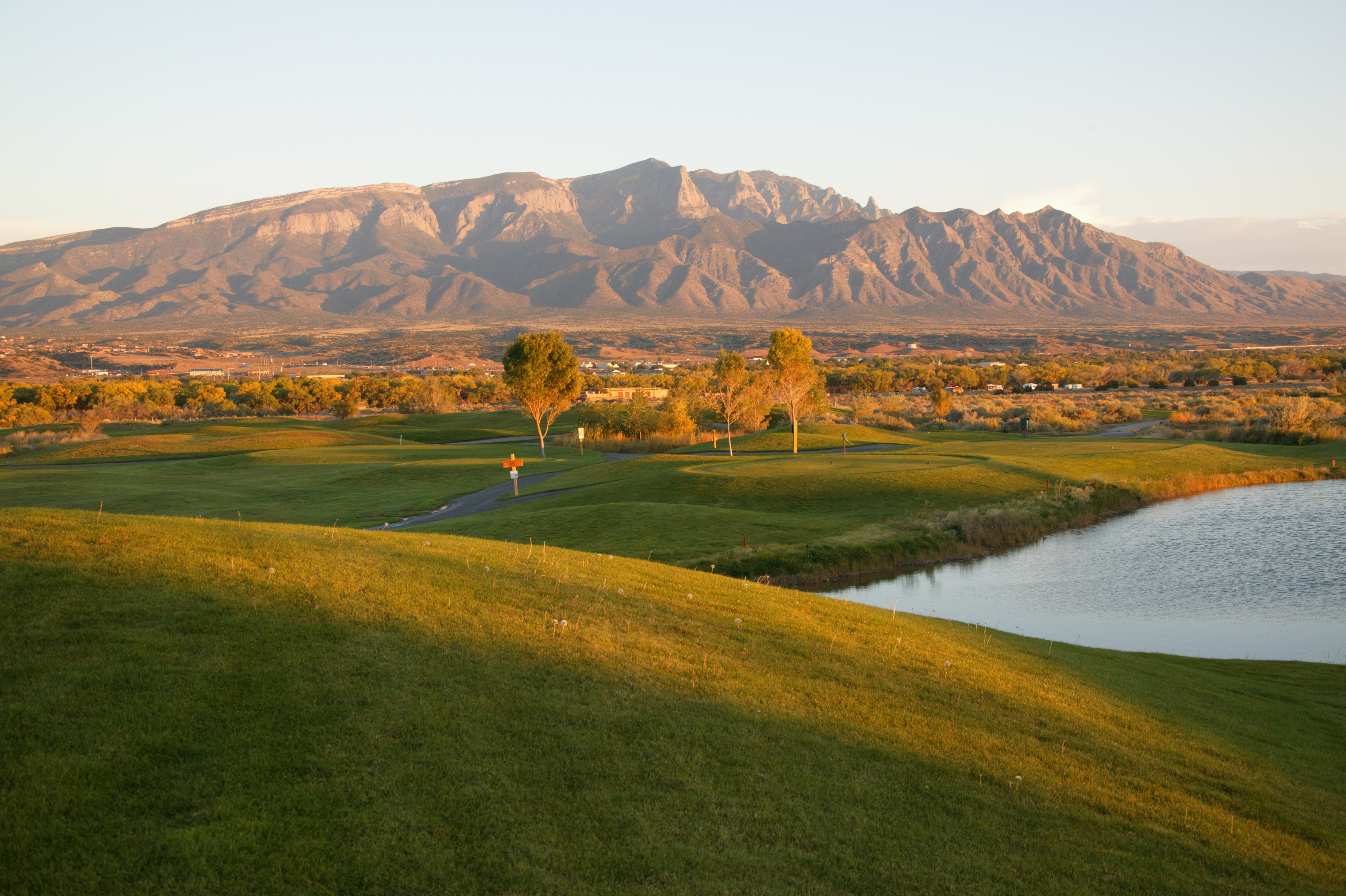
I’ve spent countless mornings standing in alpine meadows, watching light pour over distant peaks, and I’ve learned that mountain photography isn’t about chasing dramatic vistas—it’s about understanding the light that defines them. The Golden Window: Timing Your Ascent Mountains demand respect for time. When I plan a shoot, I work backward from my desired location. If I want to photograph a peak during golden hour, I calculate sunrise time, add 45 minutes (when light becomes truly directional), then subtract my hiking duration and a 20-minute buffer for setup.
Chasing Light in the High Country: Mastering Mountain Photography

Chasing Light in the High Country: Mastering Mountain Photography

There’s a particular silence that settles over a mountain before dawn—a stillness that makes you acutely aware of why you’ve dragged yourself out of bed at 3 a.m. You’re standing at 10,000 feet, fingers numb despite your gloves, watching the sky transition from absolute black to deep indigo. This is when mountain photography truly begins, long before the light touches the peaks. Timing Is Everything I’ve learned that mountain photography is fundamentally about light, and mountain light is unforgiving.

The Silent Language of Landscape Composition: Finding Balance in the Wild

The Silent Language of Landscape Composition: Finding Balance in the Wild

The Silent Language of Landscape Composition: Finding Balance in the Wild I remember standing on a ridge in the Cairngorms at dawn, camera in hand, utterly overwhelmed. The light was extraordinary—golden, directional, perfect. Yet when I reviewed my shots later, most felt flat and listless. The problem wasn’t the light or the location. It was that I hadn’t learned to read the landscape. Composition isn’t about following rules. It’s about understanding how your eye naturally moves through a frame, and then orchestrating that movement intentionally.

The Quiet Intensity of Mountain Photography: Finding Light in High Places

The Quiet Intensity of Mountain Photography: Finding Light in High Places

The Quiet Intensity of Mountain Photography: Finding Light in High Places There’s a peculiar silence that settles over you when you’re standing at elevation, camera in hand, waiting for the light to change. The wind might be howling. Clouds might be racing across the ridgeline. But internally, there’s a stillness—a focus that only comes when you’re genuinely uncertain whether the next hour will yield anything worth capturing. Mountain photography isn’t about the destination.

Finding Light in the High Country: A Mountain Photographer's Field Guide

Finding Light in the High Country: A Mountain Photographer's Field Guide

Finding Light in the High Country: A Mountain Photographer’s Field Guide I’ve spent enough mornings shivering in the pre-dawn darkness at 10,000 feet to know that mountain photography demands more than just showing up with a good camera. It requires patience, preparation, and an honest understanding of how light behaves in thin air. The mountains have taught me that the best shots aren’t about luck—they’re about reading the landscape like a map and positioning yourself where intention meets opportunity.

Chasing Light and Storms: The Art of Weather Photography

Chasing Light and Storms: The Art of Weather Photography

The Moment Before the Storm There’s a particular quality to light that appears just before a storm rolls in—a heavy, metallic grayness mixed with unexpected golden rays breaking through the clouds. I’ve learned to recognize this moment, and when it arrives, I drop everything to get into position. It’s not reckless; it’s the culmination of years spent studying weather patterns, understanding my camera’s capabilities, and accepting the calculated risks that come with this pursuit.

Chasing Light and Shadow: The Art of Mountain Photography

Chasing Light and Shadow: The Art of Mountain Photography

There’s a particular silence that settles over you at 4,000 meters—not the absence of sound, but a quality of stillness that makes you hold your breath. I’m standing on a ridge as dawn breaks, watching the first light creep across a valley, and I realize this moment is exactly why I’ve been climbing mountains with a camera for the past fifteen years. Mountain photography isn’t about reaching the highest peak or capturing the most dramatic vista.