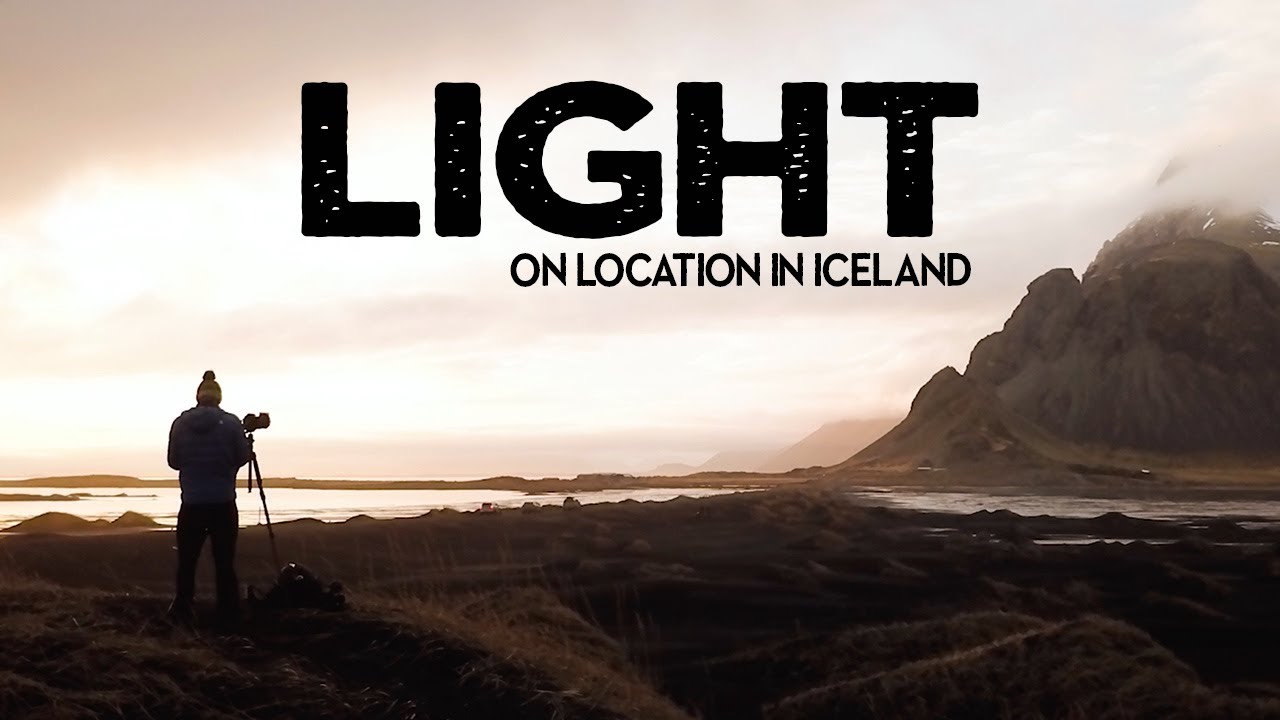
Why Light Makes or Breaks the Shot (And What Iceland Taught Me About Waiting for It)

Why Light Makes or Breaks the Shot (And What Iceland Taught Me About Waiting for It)

There’s a version of me from fifteen years ago who would have set up a tripod at that glacier, fired off a hundred frames in flat midday light, and driven home convinced I’d done the work. I know better now. The hardest skill in landscape photography isn’t composition or exposure. It’s reading the quality of light in front of you and making an honest call about whether it’s worth pressing the shutter at all.
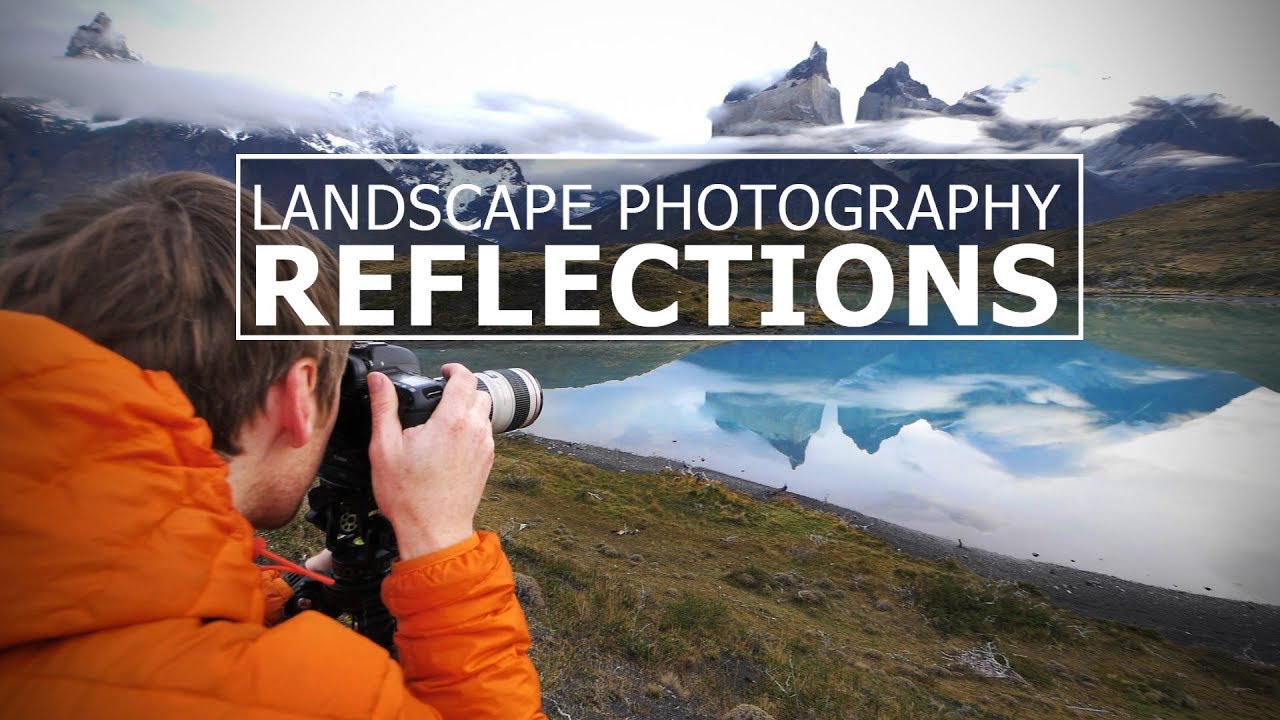
How to Photograph Perfect Reflections: Lessons from Patagonia's Rarest Conditions

How to Photograph Perfect Reflections: Lessons from Patagonia's Rarest Conditions

There is a particular kind of morning that every landscape photographer chases but rarely catches. Wind at zero. Water like poured glass. The world holding its breath. I have stood at the edge of alpine lakes in the Cascades at 4am more times than I can count, hoping for that stillness, and walked away more often than not with rippled water and a good story. That is exactly why I keep coming back to Thomas Heaton’s Patagonia reflection video.

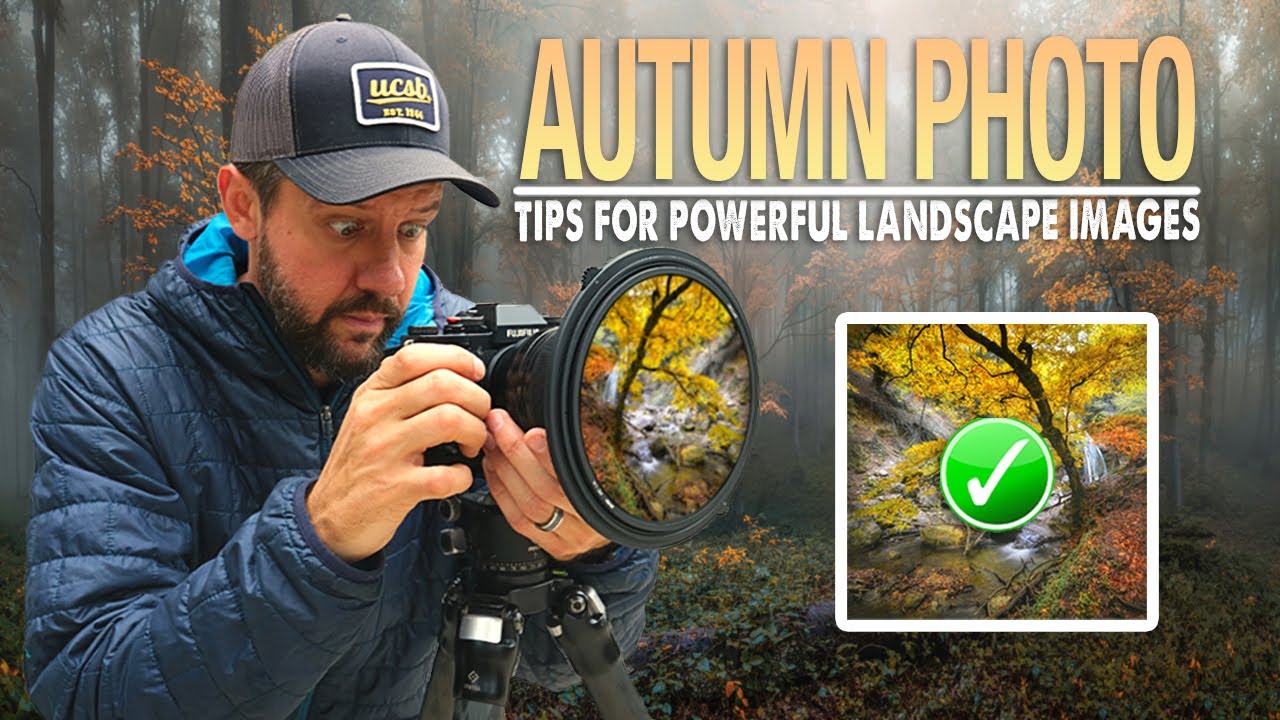
What Fall Light Actually Does to Leaves (And How to Use That Against It)

What Fall Light Actually Does to Leaves (And How to Use That Against It)

Autumn is the season that exposes every weakness in your field process. The light shifts fast, the color window is brutally short, and if you show up on the wrong day with the wrong instincts, you come home with a memory card full of blown-out, washed-out, reflective mush. I’ve been chasing fall color for two decades and I still catch myself making the same fundamental mistake: treating autumn like summer, assuming bright sun equals better photographs.

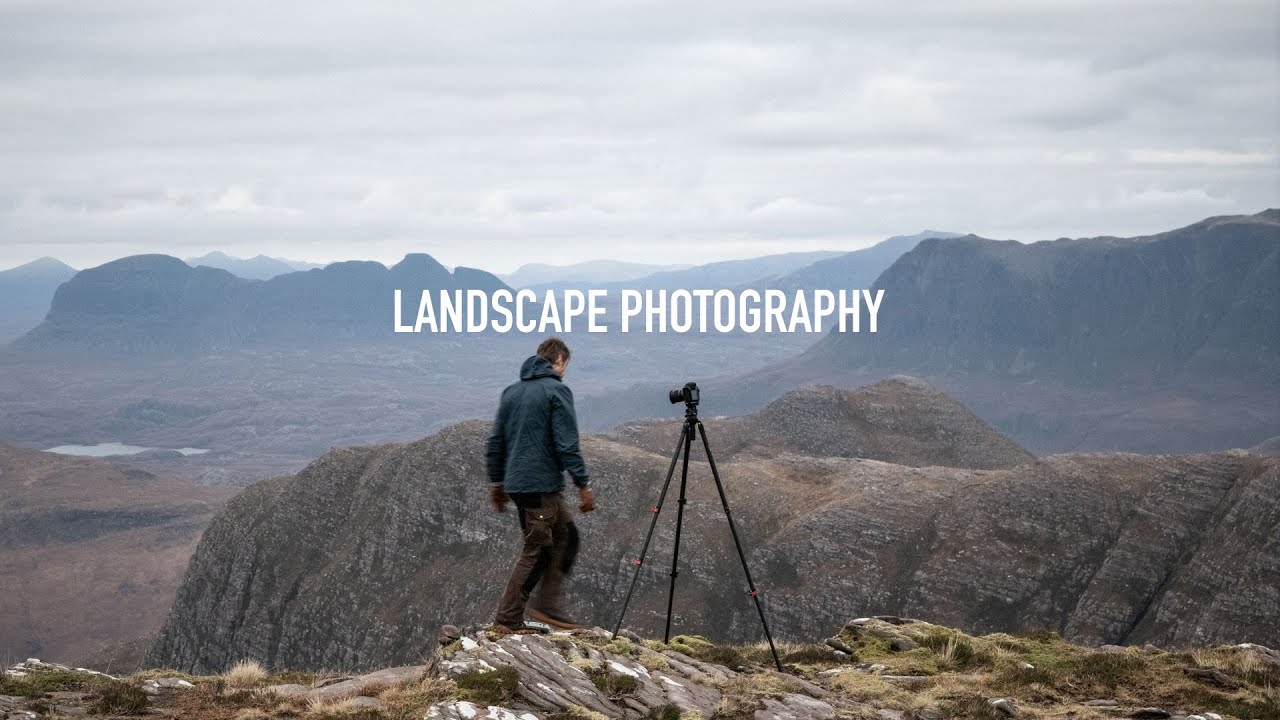
Reading the Mountain: What Thomas Heaton's Scottish Highlands Shoot Taught Me About Patience and Composition

Reading the Mountain: What Thomas Heaton's Scottish Highlands Shoot Taught Me About Patience and Composition

There’s a particular kind of suffering that comes from hauling a full kit up a steep trail in low cloud, not knowing whether the summit will reward you with a view or just more grey. I’ve done it more times than I can count, here in the Cascades and further afield, and the decision-making that happens during that climb, the constant reading of light and elevation and atmosphere, is where most of the real photographic work takes place.

Stop Undoing Your Field Work: A Landscape Photographer's Guide to Smarter Raw Editing

Stop Undoing Your Field Work: A Landscape Photographer's Guide to Smarter Raw Editing

There is a particular kind of defeat that every landscape photographer knows. You wake before the alarm, drive out in the dark, stand in cold water or on a frozen ridge, and you wait. The light does something extraordinary. You feel it in your chest. You drive home believing you’ve got something real. Then you open the raw file and it looks flat, murky, or blown out, and you start pushing sliders around hoping something sticks.

The 5 Apps I Actually Use Before Every Landscape Shoot (And Why I Ditched the Rest)

The 5 Apps I Actually Use Before Every Landscape Shoot (And Why I Ditched the Rest)

There’s a particular kind of frustration that comes from standing at a location you drove hours to reach, watching a flat gray sky do absolutely nothing. I’ve done it more times than I care to count. Over two decades of early mornings, I’ve learned that the difference between a transcendent shot and a wasted pre-dawn alarm isn’t just the location or the gear. It’s the preparation you do the night before on your phone.

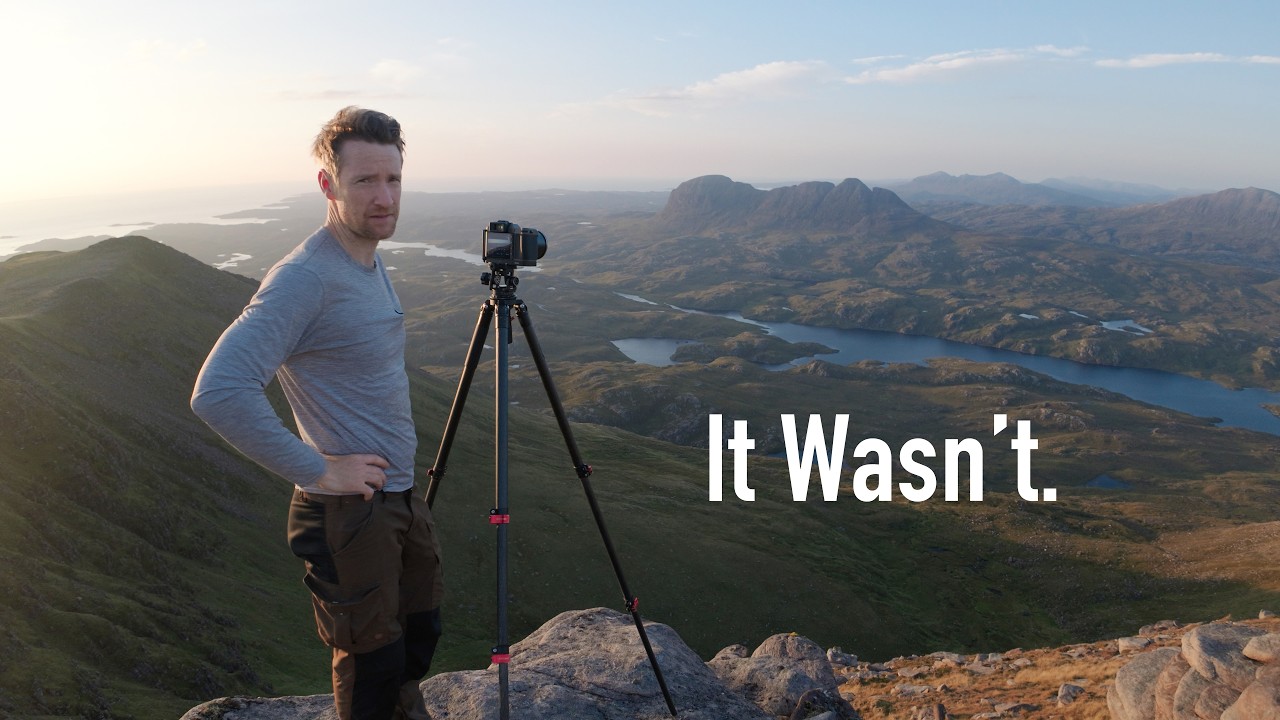
Chasing the Summit Shot: What Thomas Heaton's Cul Mor Hike Teaches Us About Showing Up Prepared

Chasing the Summit Shot: What Thomas Heaton's Cul Mor Hike Teaches Us About Showing Up Prepared

There’s a version of this job that looks effortless from the outside. Golden light, dramatic peaks, camera in hand. What the Instagram grid never shows is the van packed with gear you’re not sure you need, the trail that’s longer than it looked on the map, and the moment you realize the sun is dropping faster than your legs are moving. That tension — between preparation and spontaneity, between the shot you planned and the shot the mountain offers — is something I’ve lived a hundred times in twenty years behind the lens.

How Modern Outdoor Technology is Reshaping the Landscape Photographer's Workspace

How Modern Outdoor Technology is Reshaping the Landscape Photographer's Workspace

The Unexpected Intersection of Smart Home Tech and Nature Photography I’ve spent the last few years watching how technology quietly infiltrates our outdoor spaces. What started as simple motion sensors and weatherproof speakers has evolved into a genuine ecosystem of intelligent devices—and I’ve realized many of these tools have remarkable applications for those of us who work with cameras in the field. Creating Functional Base Camps When I’m scouting locations or setting up for extended shoots, my backyard has become something more than a relaxation space.

The Hard Work Happens Before You Press the Shutter: Lessons from Lac de Cheserys at Sunset

The Hard Work Happens Before You Press the Shutter: Lessons from Lac de Cheserys at Sunset

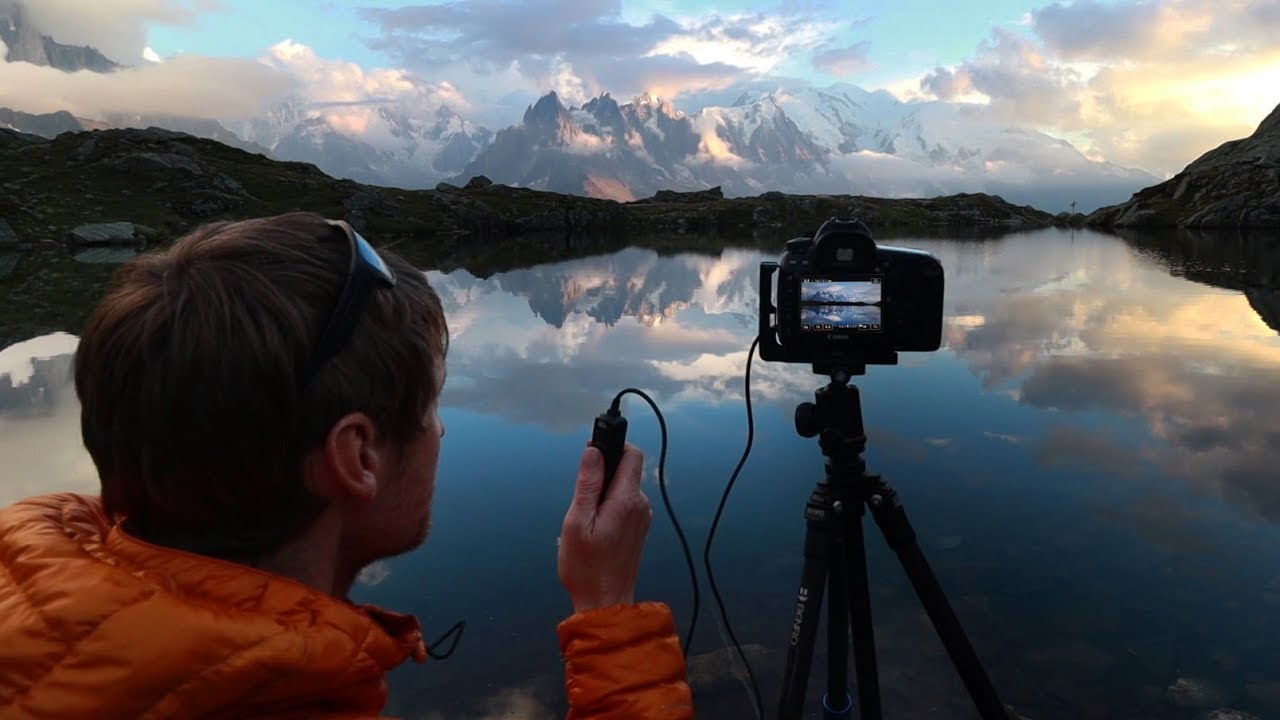
There’s a version of landscape photography that looks effortless in the final image. Still water. Perfect light. Mountains glowing like they were lit by a gaffer. What you don’t see is the three-hour climb to get there, the foreboding clouds that had everyone quietly preparing for disappointment, and the dinner eaten while mentally rehearsing a backup plan. That gap between what the photograph shows and what it cost is something I’ve been thinking about for twenty years, and it’s exactly what Thomas Heaton captures so honestly in this tutorial shot above the Chamonix Valley in France.

The Last 7 Things I Do to Every Landscape Photo (And Why They Matter)

The Last 7 Things I Do to Every Landscape Photo (And Why They Matter)

There’s a particular kind of frustration that comes from finishing an edit, stepping away, and coming back an hour later to find the photo still doesn’t feel done. The tones are right. The exposure is dialed. But something is missing — some quality that separates a processed file from a finished photograph. I spent years chalking that up to a problem in the field. Wrong light, wrong lens, wrong timing. It took a long time to understand it was almost always a problem at the end of my editing workflow, not the beginning.

Why Your Skies Keep Blowing Out (And What a Decade of Field Teaching Reveals About the Fix)

Why Your Skies Keep Blowing Out (And What a Decade of Field Teaching Reveals About the Fix)

I have stood in more blown-out sunsets than I care to count. Not my sunsets — the ones other photographers show me on the back of their cameras, faces fallen, asking why the sky looks like a white sheet when thirty seconds ago it was on fire. After twenty years shooting landscapes full-time, I’ve watched this exact moment of disappointment repeat itself on workshop hillsides from the Oregon coast to the high desert.

How Radial Filters Saved My Blue Hour Shot (And Why I Use Them on Almost Every Edit)

How Radial Filters Saved My Blue Hour Shot (And Why I Use Them on Almost Every Edit)

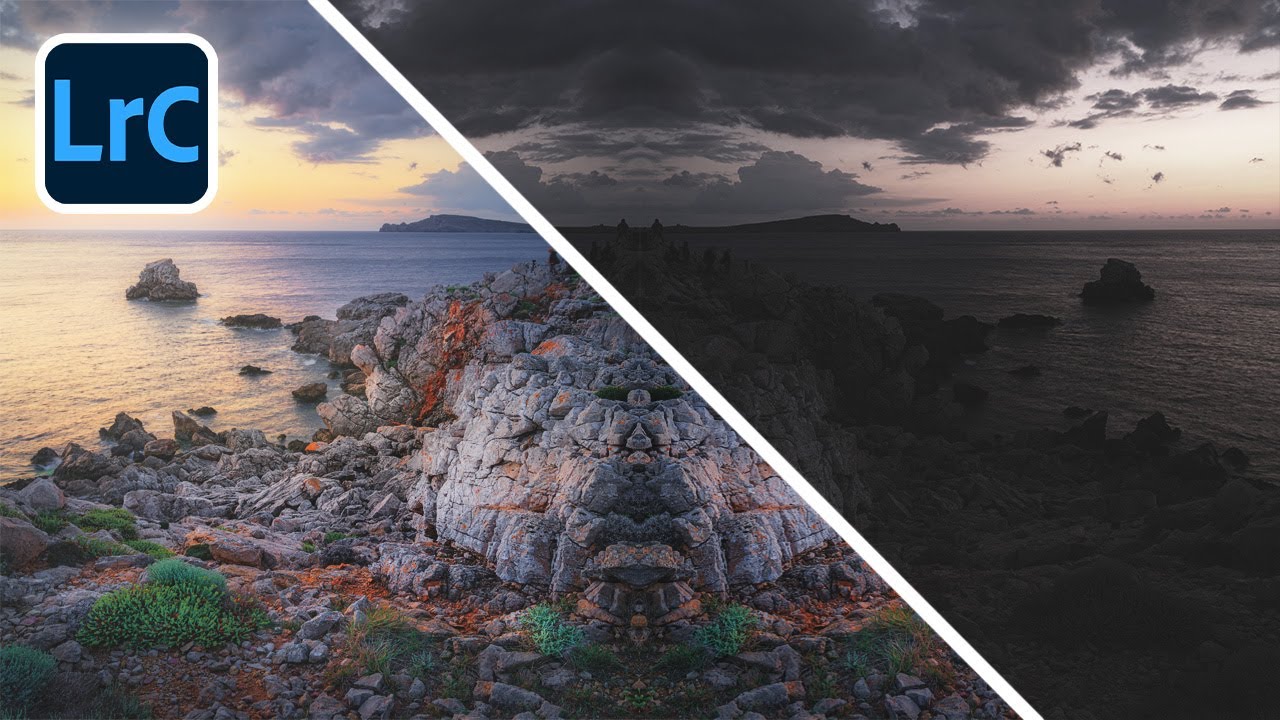
There’s a particular kind of frustration that comes with getting everything right in the field — the composition, the timing, the angle of first light skimming across the rocks — and then sitting down at your desk and watching the edit fall flat. The light that moved you when you were standing there just doesn’t translate. I’ve stood in enough pre-dawn darkness to know that the camera almost never captures directional light the way your eye reads it.