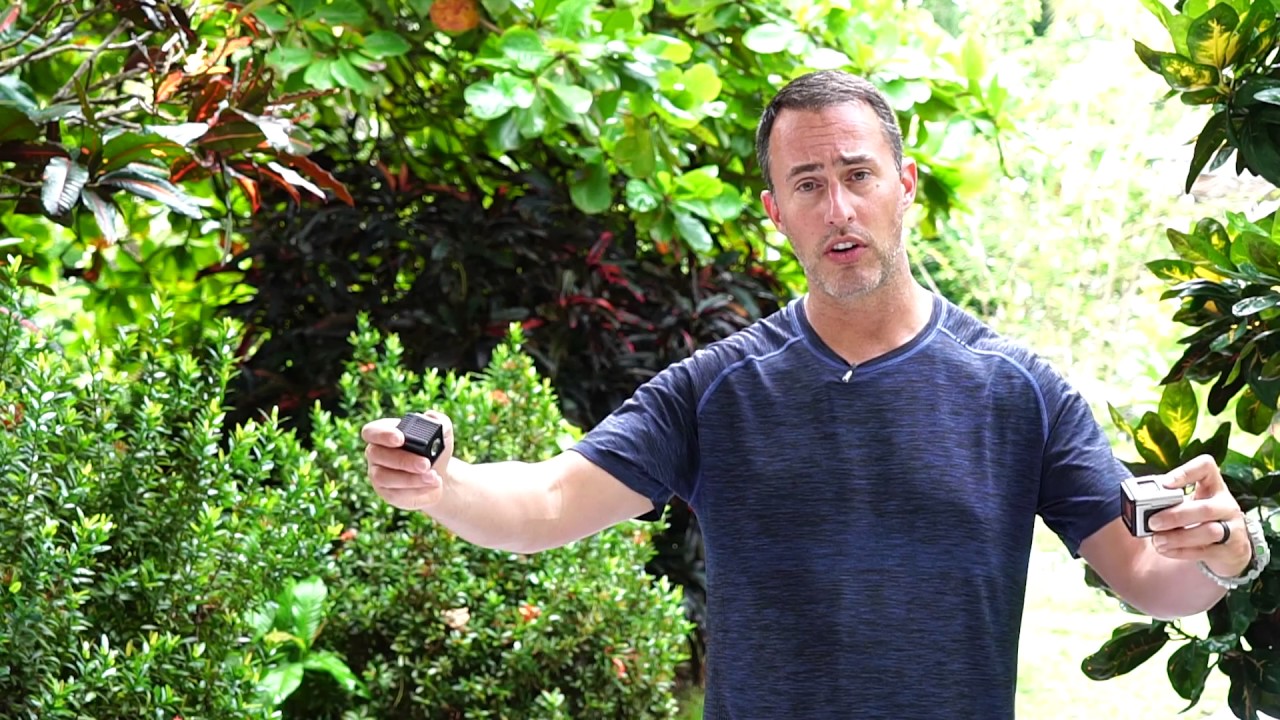
The Tiny Light That Changed How I Shoot in Dark and Flat Conditions

The Tiny Light That Changed How I Shoot in Dark and Flat Conditions

I’ve spent twenty years chasing light as a landscape photographer, which means I’ve also spent twenty years cursing the absence of it. Flat, overcast mornings that turn a fern into a gray smudge. Primary forest so dense the canopy swallows every photon before it reaches the forest floor. The desperate, slightly embarrassing move of holding my phone flashlight up to a subject with one hand while trying to fire the shutter with the other.
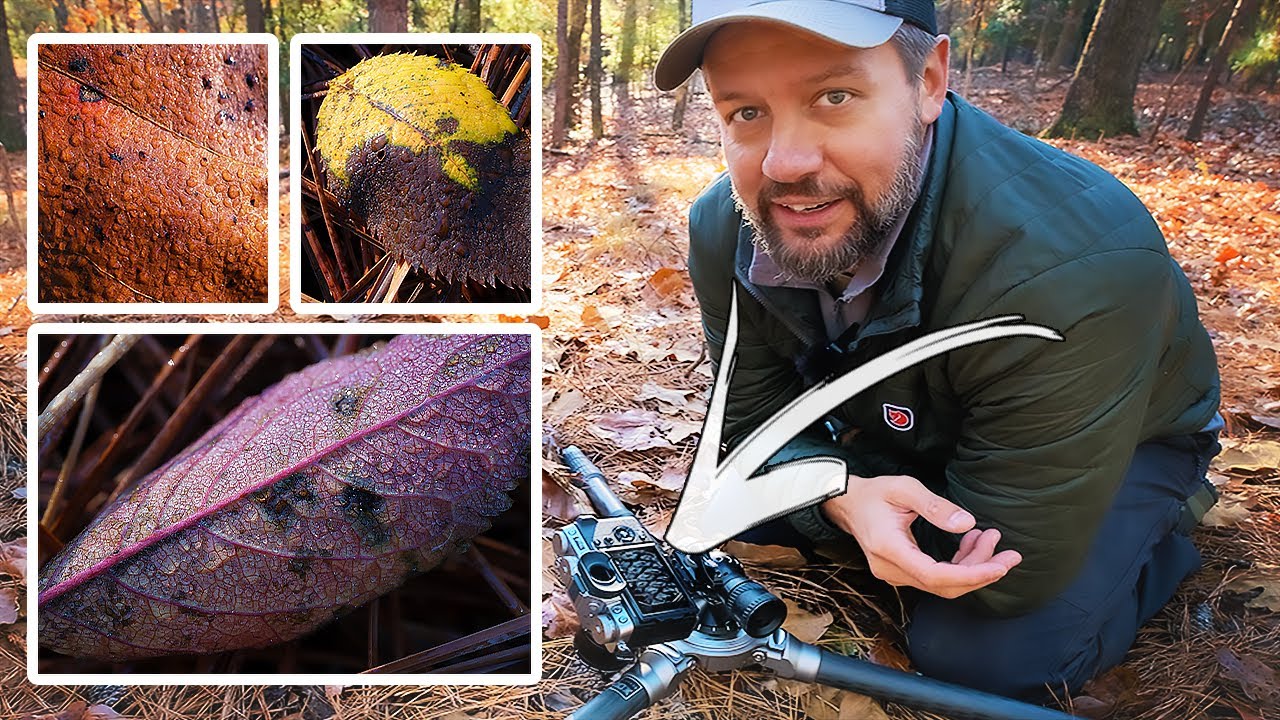
Macro Landscape Photography: What Happens When You Pair a 40MP Sensor With Your First Real Macro Lens

Macro Landscape Photography: What Happens When You Pair a 40MP Sensor With Your First Real Macro Lens

There’s a particular kind of restlessness that sets in when you’ve been shooting the same way for a long time. I know it well. After two decades of waking before dawn and hauling gear through the dark outside Bend, Oregon, I still hit patches where everything I produce feels like a variation on something I’ve already made. The cure, almost every time, is to pick up a tool or technique I’ve never used and let the learning process drag me out of my own habits.

What National Geographic's Bee Documentary Teaches Us About Macro Nature Photography

What National Geographic's Bee Documentary Teaches Us About Macro Nature Photography

A Window Into the Invisible World I recently watched National Geographic’s two-part series focused on bees, and I found myself captivated not just by the science, but by the sheer technical mastery on display. The filmmakers have achieved something I’ve spent years chasing in my own work: they’ve made the impossibly small feel monumental and accessible. The documentary presents bee photography in ways I’ve never seen before. These aren’t your typical nature shots—they’re intimate, almost otherworldly glimpses into a realm most of us never witness.