Reading the Mountain: What Thomas Heaton's Scottish Highlands Shoot Taught Me About Patience and Composition

Reading the Mountain: What Thomas Heaton's Scottish Highlands Shoot Taught Me About Patience and Composition

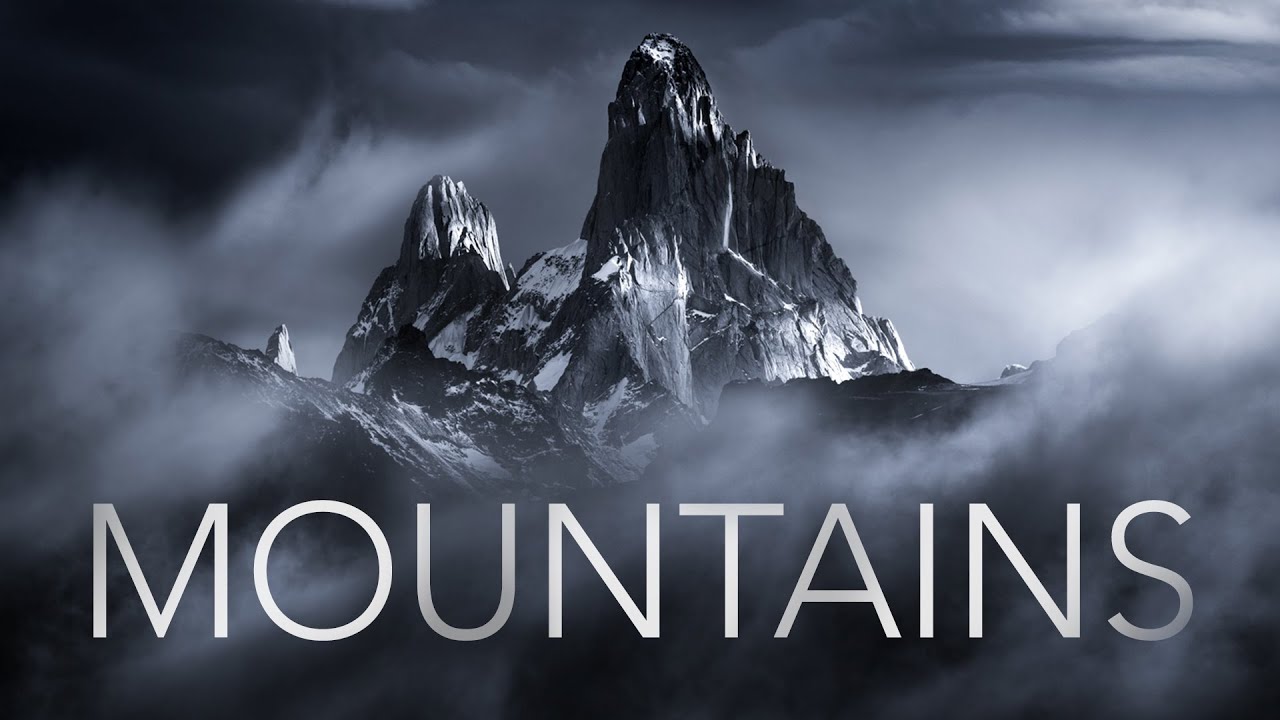
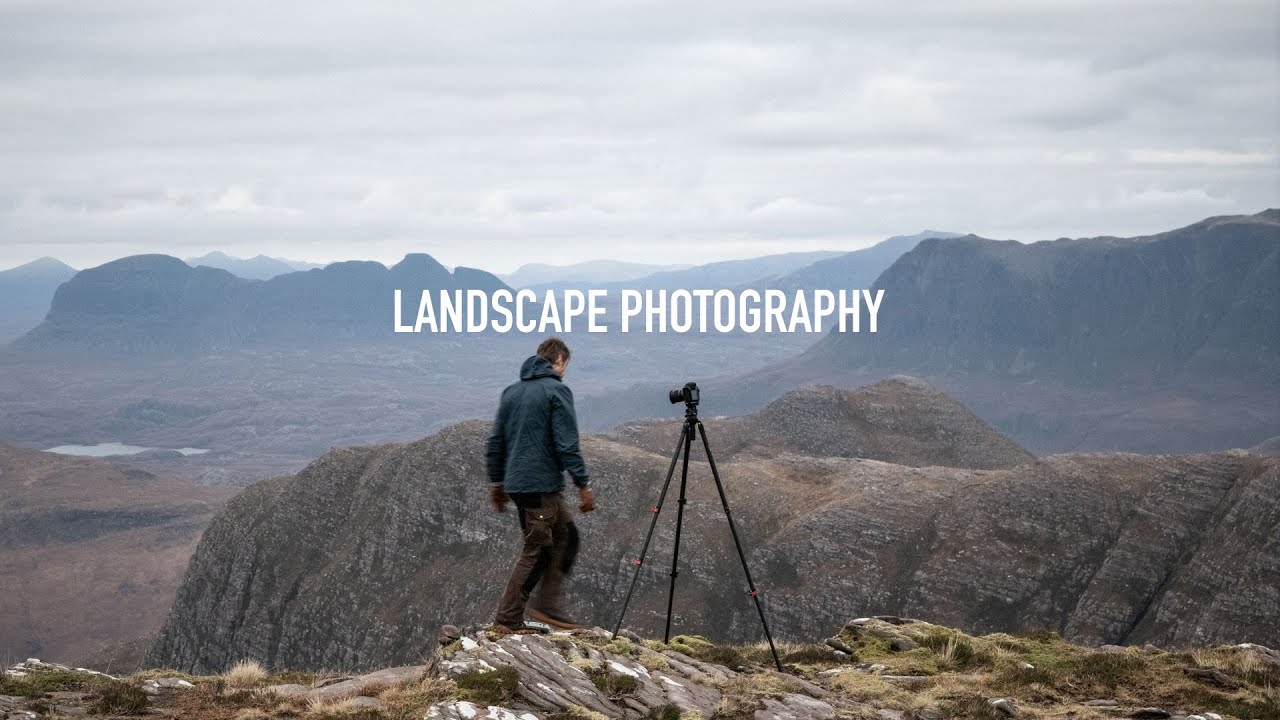
There’s a particular kind of suffering that comes from hauling a full kit up a steep trail in low cloud, not knowing whether the summit will reward you with a view or just more grey. I’ve done it more times than I can count, here in the Cascades and further afield, and the decision-making that happens during that climb, the constant reading of light and elevation and atmosphere, is where most of the real photographic work takes place.
Don't Find Your Composition Until the Light Gets Good — A Mountain Sunset Strategy

Don't Find Your Composition Until the Light Gets Good — A Mountain Sunset Strategy

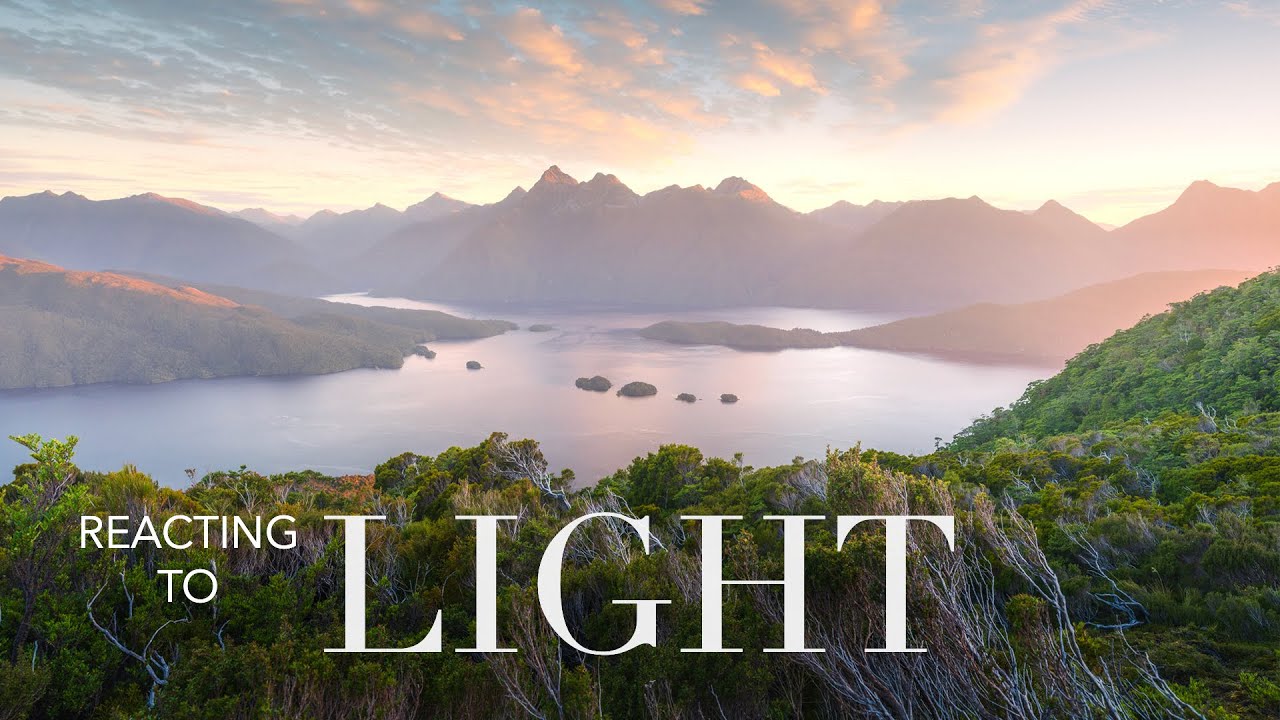
There’s a particular kind of panic that hits when you’re standing in front of something magnificent and you know the light is about to go. I’ve felt it hundreds of times over twenty years of doing this work. Your hands move faster than your brain, you grab a composition that feels safe, and you fire off fifty nearly identical frames. You drive home thinking you nailed it. You open the files and feel that slow deflation.

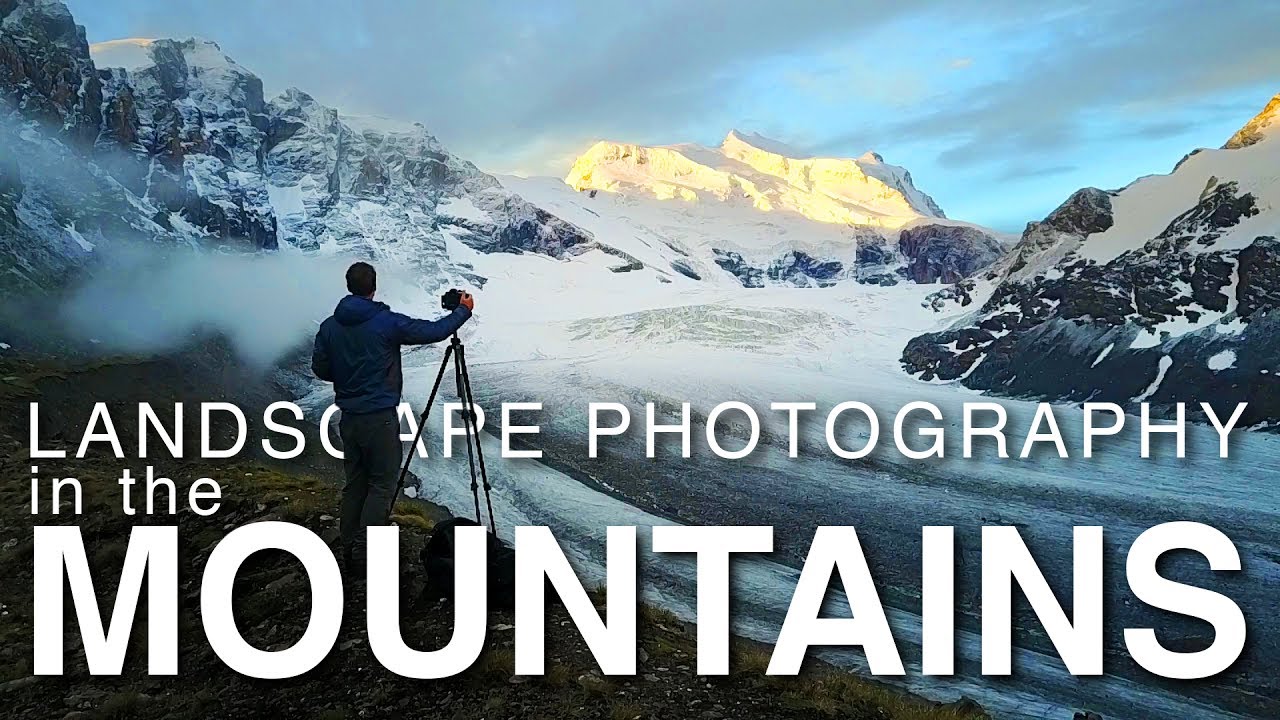
Camping in the Mountains for Landscape Photography: What Thomas Heaton Gets Right About Chasing Light

Camping in the Mountains for Landscape Photography: What Thomas Heaton Gets Right About Chasing Light

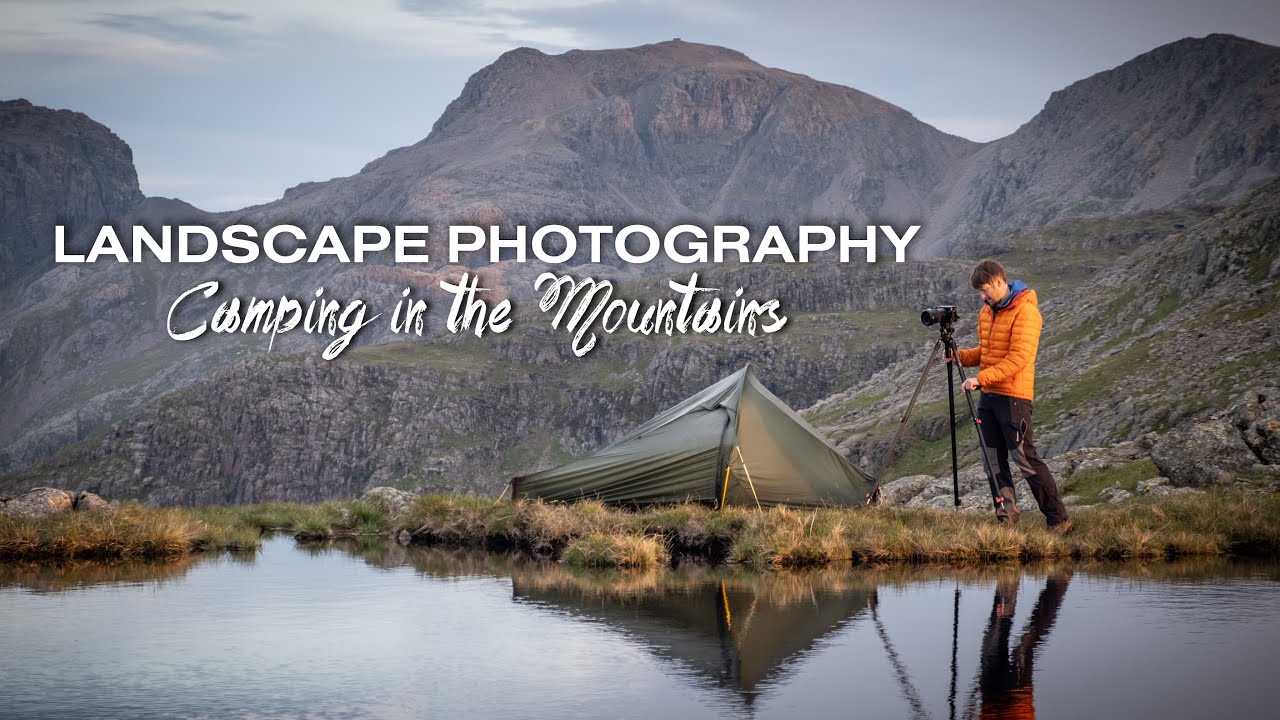
There’s a specific kind of suffering that comes with hauling too much gear up a mountain. I’ve done it more times than I care to admit. The extra filter system, the backup body, the “just in case” lens that adds two pounds and never leaves the bag. You tell yourself you’ll need it. You usually won’t. But every now and then, you pull out that polarizer at exactly the right moment, and the whole scene transforms in front of you.

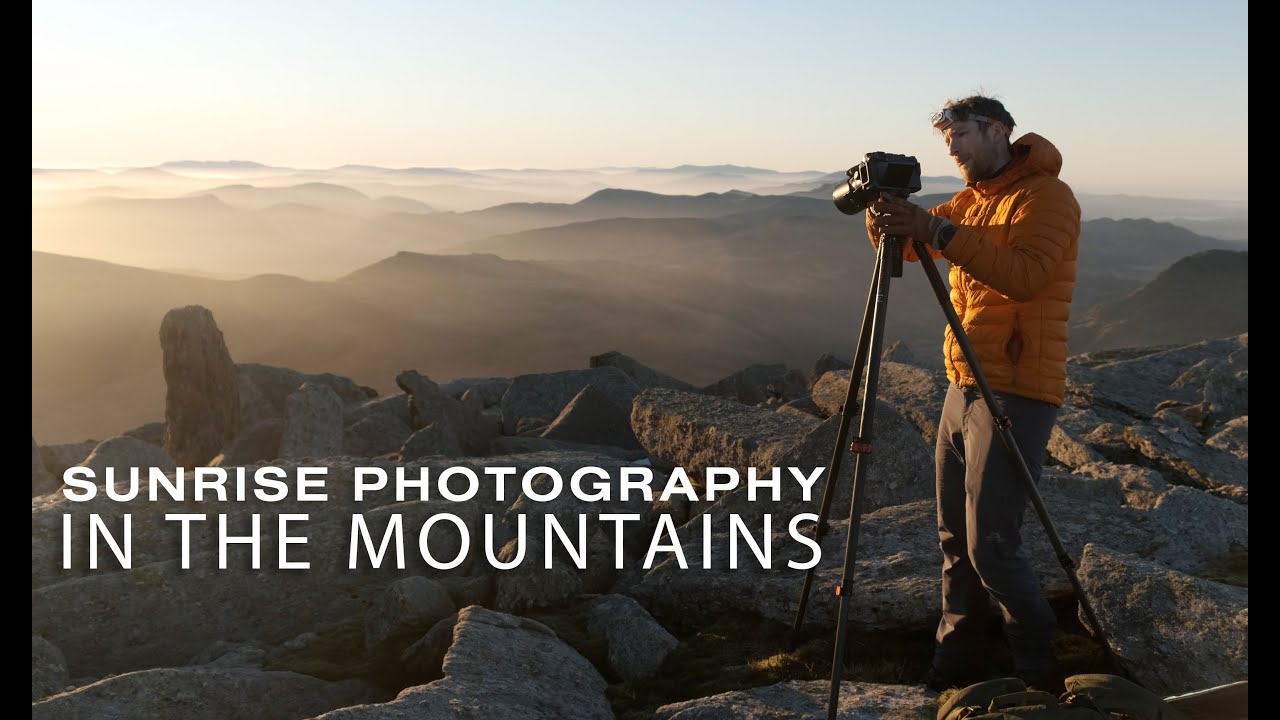
Chasing First Light at Nearly 1,000 Meters: Lessons from a Welsh Mountain Sunrise Shoot

Chasing First Light at Nearly 1,000 Meters: Lessons from a Welsh Mountain Sunrise Shoot

There is a particular kind of pressure that arrives in the dark, about halfway up a mountain, when you are racing an invisible clock. The light is coming whether you are ready or not. After two decades of pre-dawn starts, I still feel it every single time. What separates a good sunrise shoot from a forgettable one usually has nothing to do with gear. It comes down to planning, movement, and the ability to make fast compositional decisions when everything is changing at once.

Show Up Anyway: What Thomas Heaton's Mountain Morning Taught Me About Fleeting Light

Show Up Anyway: What Thomas Heaton's Mountain Morning Taught Me About Fleeting Light

There’s a particular kind of dread that every landscape photographer knows. You wake before dawn, check the window, and see nothing but a gray wall of mist. After six hours of hiking the day before, the warm sleeping bag makes a compelling argument. This is the moment that separates the frames you’ll sell from the ones you’ll never take. I’ve been dragging myself out of bed at four in the morning for two decades, and I still have to actively talk myself into it on mornings like that.

Why Mountain Light Breaks Your Meter — And How to Shoot in It Anyway

Why Mountain Light Breaks Your Meter — And How to Shoot in It Anyway

The Exposure Problem Nobody Warns You About I was standing on a ridgeline in the Three Sisters Wilderness at 5:47 a.m., watching first light hit a snow-covered summit above me. The sky behind it was a deep, bruised violet. The snow itself was picking up a pink cast that I knew would last maybe four minutes. I had everything set up the night before. I knew my composition. And my meter was still lying to me.

Why the Best Mountain Light Lasts Three Minutes (And How to Be Ready When It Hits)

Why the Best Mountain Light Lasts Three Minutes (And How to Be Ready When It Hits)

I had been watching that ridgeline for two hours before anything happened. My thermos was empty, my fingers were stiff inside my gloves, and the alpenglow I had driven four hours to catch was looking like a no-show. Then, in about the time it takes to pour a cup of coffee, the clouds parted, the light hit the snow, and the whole face of the mountain turned a color I can only describe as burning copper.

Three Lenses, One Mountain: A Composition Guide That Actually Works in the Field

Three Lenses, One Mountain: A Composition Guide That Actually Works in the Field

There’s a particular kind of frustration that comes from standing in front of a jaw-dropping mountain scene and knowing, somewhere in the back of your mind, that your images aren’t going to do it justice. I’ve been shooting landscapes full-time for two decades and I still wrestle with it. Mountains are humbling that way. The scale defies a single frame. The light moves faster than you expect. And the lens you grabbed first is usually the wrong one.

Why the Mountain Wins Every Time (And How to Stop Fighting It)

Why the Mountain Wins Every Time (And How to Stop Fighting It)

There’s a quote I’ve carried with me for twenty years. Early in my career, I was complaining to a mentor about a shoot that had gone sideways. Bad weather, wrong light, three hours of driving for nothing. He looked at me and said, “The mountain doesn’t care about your schedule.” I laughed at the time. Now I think about it on almost every shoot I do. Mountains are the most humbling subject in landscape photography.

Why Mountain Light Lies to Your Camera (And What to Do About It)

Why Mountain Light Lies to Your Camera (And What to Do About It)

The alarm doesn’t go off at 4am because I don’t set one. I’m already awake, already calculating whether the cloud cover from the night before has broken, already thinking about whether the light I drove toward is still worth chasing. Last October I was parked at a trailhead outside Sisters, Oregon, headlamp on, boots laced, staring at a sky that had gone completely wrong. The forecast had called for a clear sunrise window.

The Art of Capturing Mountain Light: Lessons from the High Country

The Art of Capturing Mountain Light: Lessons from the High Country

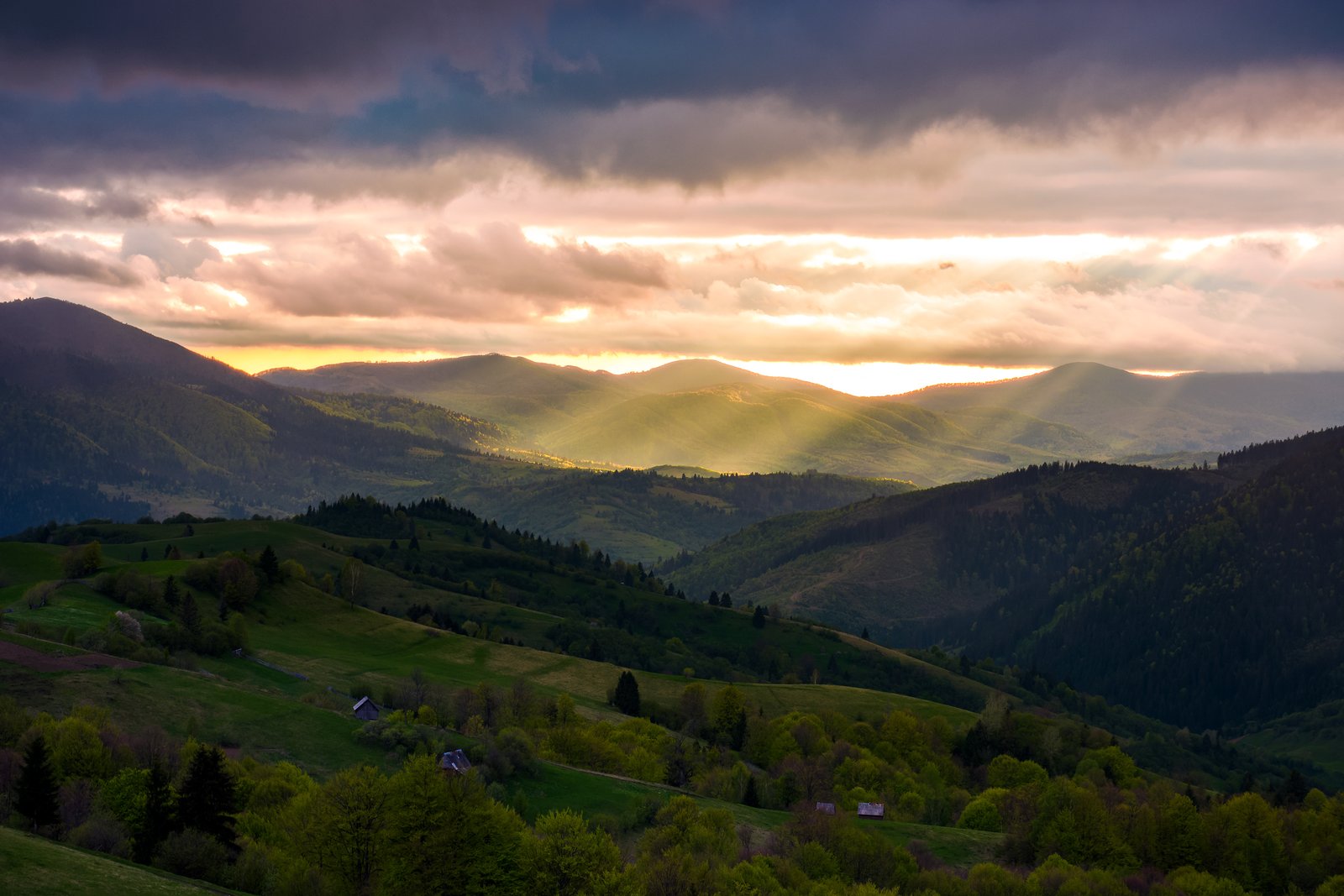
I’ve spent countless mornings standing in alpine meadows, watching light pour over distant peaks, and I’ve learned that mountain photography isn’t about chasing dramatic vistas—it’s about understanding the light that defines them. The Golden Window: Timing Your Ascent Mountains demand respect for time. When I plan a shoot, I work backward from my desired location. If I want to photograph a peak during golden hour, I calculate sunrise time, add 45 minutes (when light becomes truly directional), then subtract my hiking duration and a 20-minute buffer for setup.

Chasing Light in the High Country: The Art and Craft of Mountain Photography

Chasing Light in the High Country: The Art and Craft of Mountain Photography

Chasing Light in the High Country: The Art and Craft of Mountain Photography There’s a particular silence you encounter above treeline—a silence that sharpens your senses and makes you acutely aware of every shadow, every shift in color across a distant peak. This is where mountain photography begins, not with camera settings or lens choice, but with patience and presence. After years spent in alpine terrain, I’ve learned that the technical mastery matters far less than understanding how light moves across those distant ridges.