Why Your Panoramas Feel Flat (And the Overlap System That Fixed Mine)

Why Your Panoramas Feel Flat (And the Overlap System That Fixed Mine)

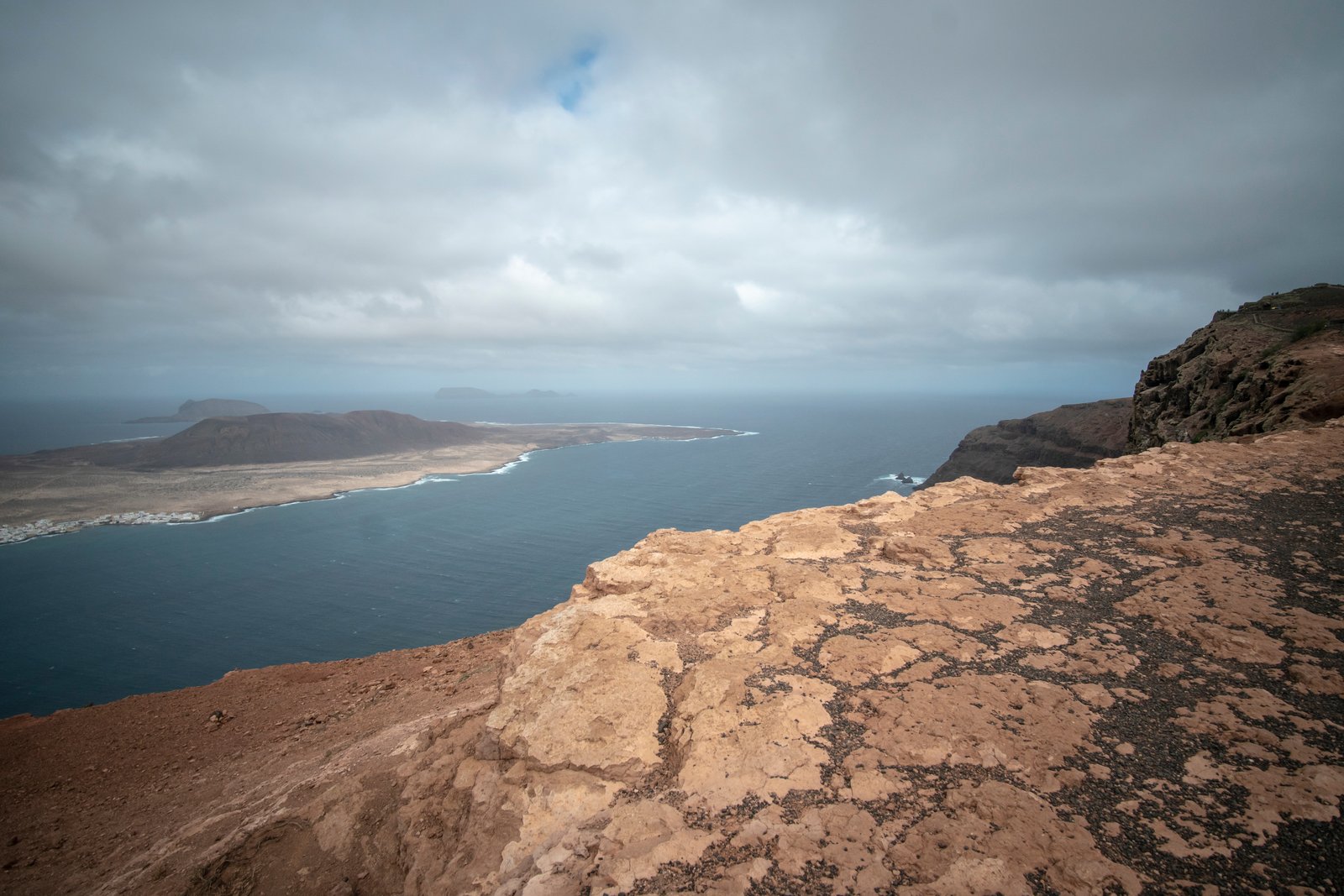
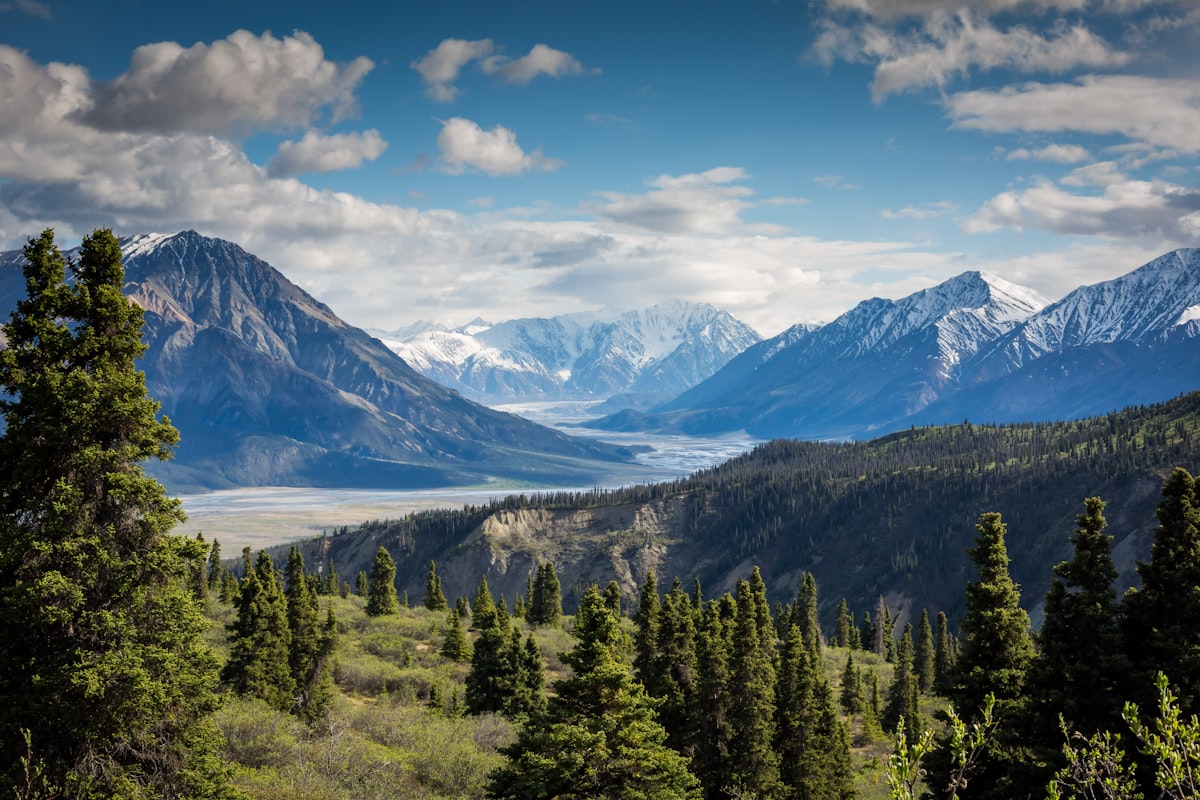
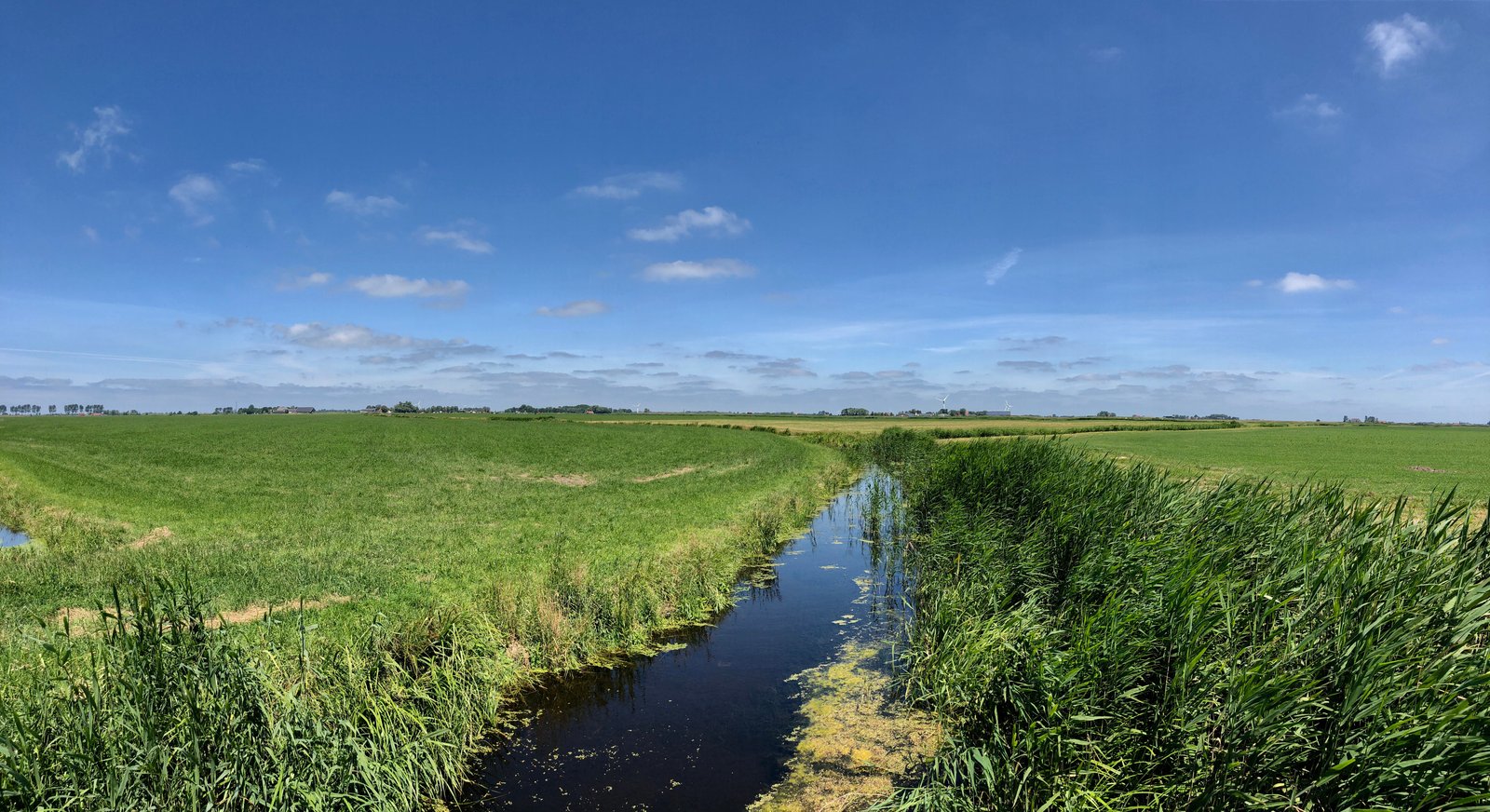
There’s a ridgeline outside Bend I’ve been shooting for years. On a clear morning in October, it catches the first alpenglow in a way that makes the whole sky feel like it’s been lit from underneath. The scene is about 180 degrees wide. A single frame, even with my widest rectilinear lens, kills it. The compression flattens the drama, shrinks the peaks, and turns something enormous into something merely pretty. The only answer is a panorama, and for most photographers, that’s where the frustration starts.

Panoramic Photography: Stitching Multi-Row Panoramas

Panoramic Photography: Stitching Multi-Row Panoramas

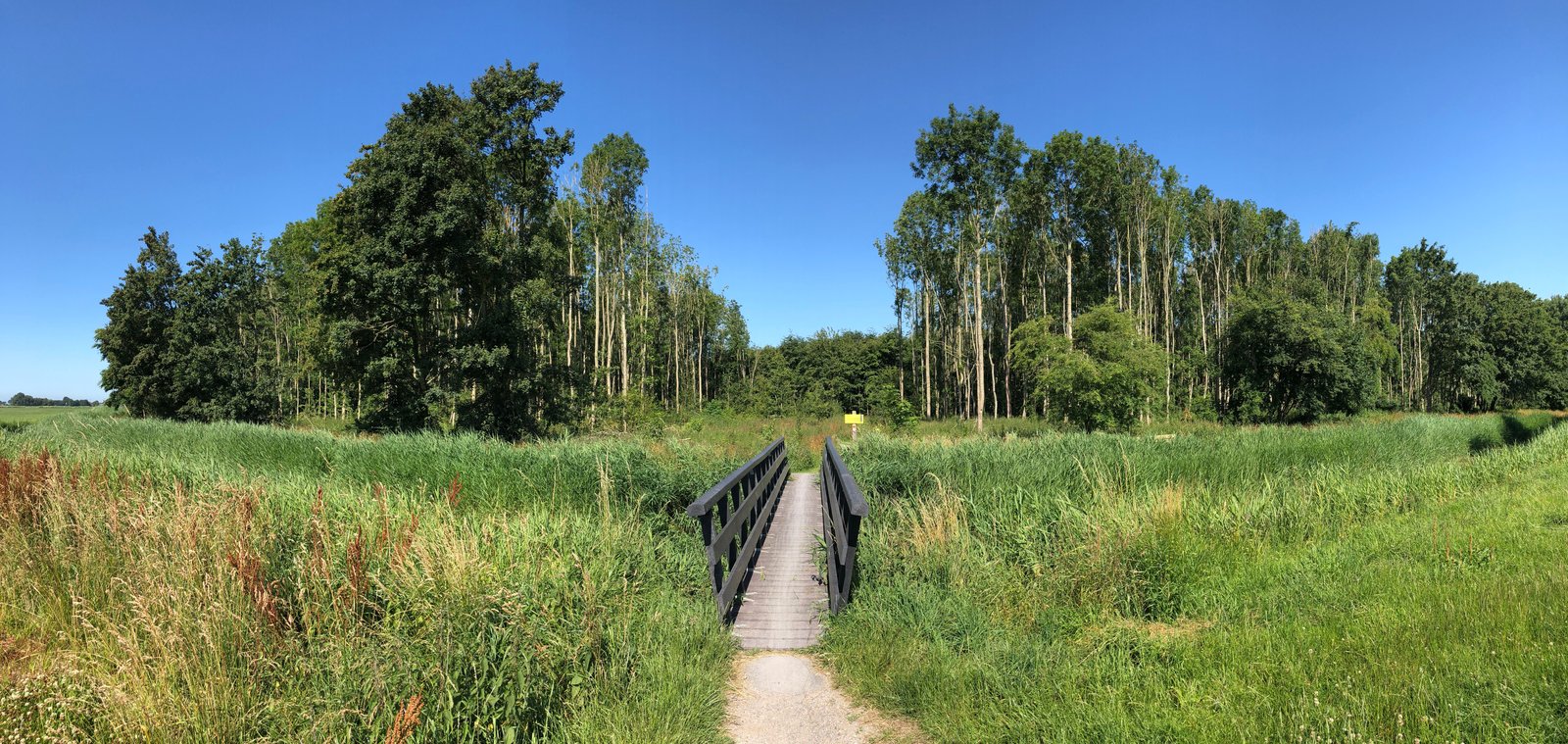
Single-row panoramas stitch a horizontal sweep into a wide image. Multi-row panoramas go further — stitching a grid of images that covers both horizontal and vertical space. The result is an image with massive resolution, full coverage of the scene, and creative possibilities that single exposures can’t match. Why Multi-Row Panoramas Resolution A single frame from a 45-megapixel camera gives you 45 megapixels. A 4x6 grid of overlapping frames from the same camera, stitched together, can produce an image exceeding 500 megapixels.