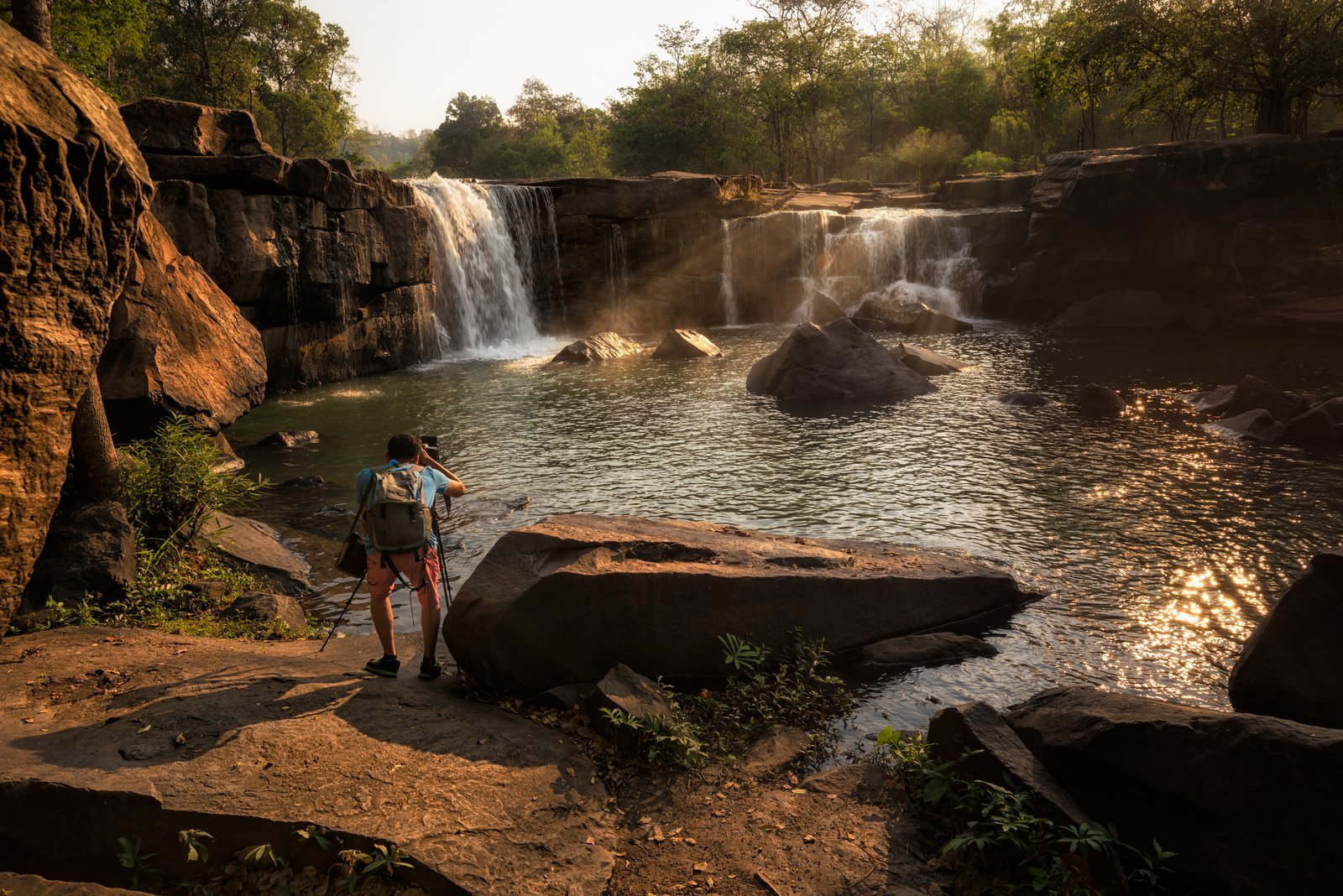
Why Your Waterfall Photos Look Flat (And What to Do Before You Even Raise the Camera)

Why Your Waterfall Photos Look Flat (And What to Do Before You Even Raise the Camera)

There’s a particular kind of disappointment that hits when you drive two hours into the Cascades, hike forty minutes to a waterfall, set up your tripod in the middle of a freezing creek, and come home with photographs that look exactly like every other waterfall photograph on the internet. Silky white water. Green moss. A little bit of mist. Technically fine. Completely forgettable. I’ve made thousands of those photographs. After twenty years shooting landscapes full-time, I can tell you that the problem almost never starts with the camera settings.

Long Exposure Photography: A Complete Guide to Silky Water and Cloud Trails

Long Exposure Photography: A Complete Guide to Silky Water and Cloud Trails

Long exposure photography transforms moving elements into something the eye cannot ordinarily see. Flowing water turns to silk. Clouds streak across the frame in dramatic arcs. The technique is straightforward once you understand the variables involved. The Fundamentals A long exposure is any shot where the shutter stays open long enough for moving elements to blur while stationary elements remain sharp. For landscape work, this typically means exposures between 1 second and several minutes.