Why Your Panoramas Look Wrong (And How to Fix Them Before You Leave the Tripod)

Why Your Panoramas Look Wrong (And How to Fix Them Before You Leave the Tripod)

There’s a particular kind of frustration that comes from driving three hours into the Oregon high desert before dawn, setting up in the dark with cold fingers, watching a perfect 180-degree scene unfold at golden hour, and then getting home to discover your panorama has a bowling-alley curve warping straight across the horizon. I’ve felt it enough times that I eventually stopped blaming the software. The problem almost always starts at the tripod, not the screen.
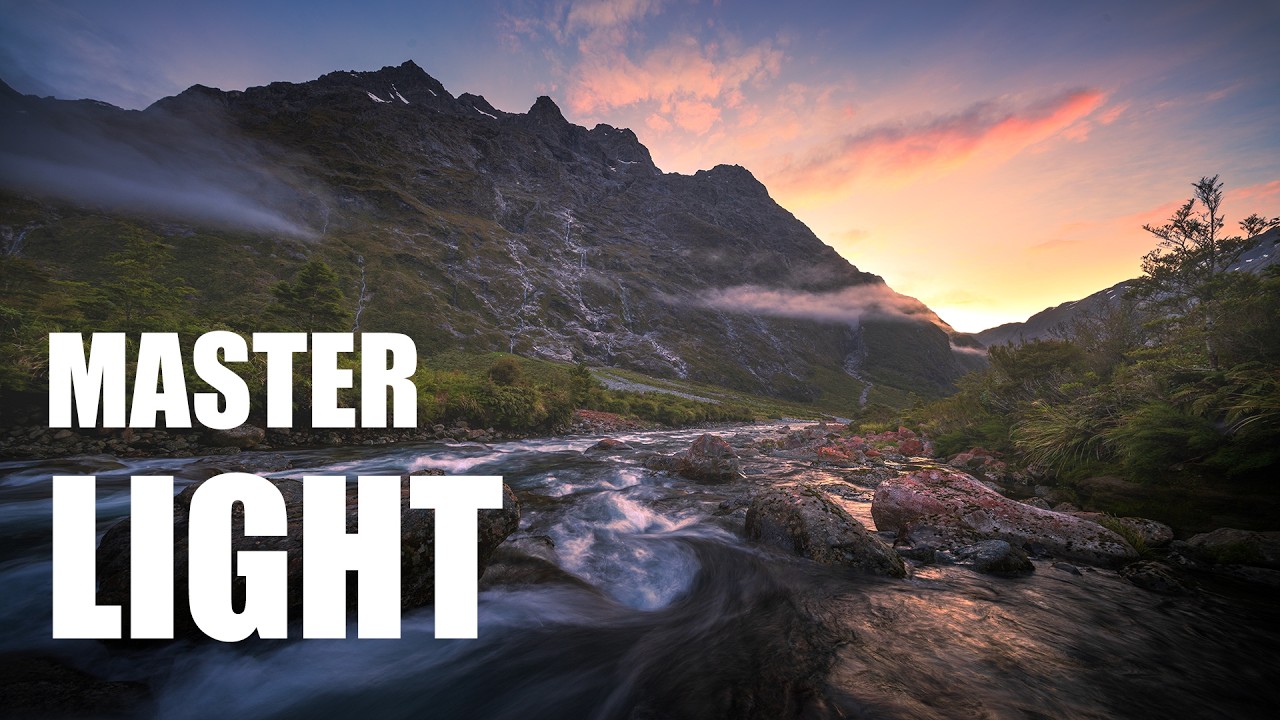
Reading the River First: Sunrise Composition Lessons from a Fiordland Mountain Valley

Reading the River First: Sunrise Composition Lessons from a Fiordland Mountain Valley

There’s a particular kind of creative paralysis that hits when you’re standing in a place almost too beautiful to photograph. Too many subjects. Light moving fast. You spin around trying to decide where to point the camera and end up shooting nothing well. I’ve been making landscape images for twenty years, and that feeling still shows up on big mornings. What cuts through it isn’t inspiration. It’s a working method.

Why Your Panoramas Look Wrong (And How to Fix Them Before You Leave the Location)

Why Your Panoramas Look Wrong (And How to Fix Them Before You Leave the Location)

There’s a ridgeline I return to every few years above the Three Sisters wilderness area. The scene demands a panorama. The peaks spread across roughly 180 degrees of sky, and no single frame, even at 16mm, does justice to the spatial weight of standing up there in early light. The first time I shot it, I came home with eight beautifully exposed frames that stitched into a warped, horizon-bending disaster. The peaks looked like they were melting toward each other.

Why Your Panoramas Look Wrong (And How I Fixed Mine After Years of Doing It Badly)

Why Your Panoramas Look Wrong (And How I Fixed Mine After Years of Doing It Badly)

There’s a ridgeline outside of Bend that faces east, and on clear mornings in October the light comes in so low and golden that the juniper trees throw shadows fifty feet long. The scene is too wide for any single frame. Even my 14mm lens can’t hold it. The first time I shot a panorama there, I came home, loaded the files into Lightroom, and watched the software choke on a set of images that almost, but not quite, lined up.

Getting Uncomfortably Close: How Ultra-Wide Lenses Unlock a Different Kind of Landscape Image

Getting Uncomfortably Close: How Ultra-Wide Lenses Unlock a Different Kind of Landscape Image

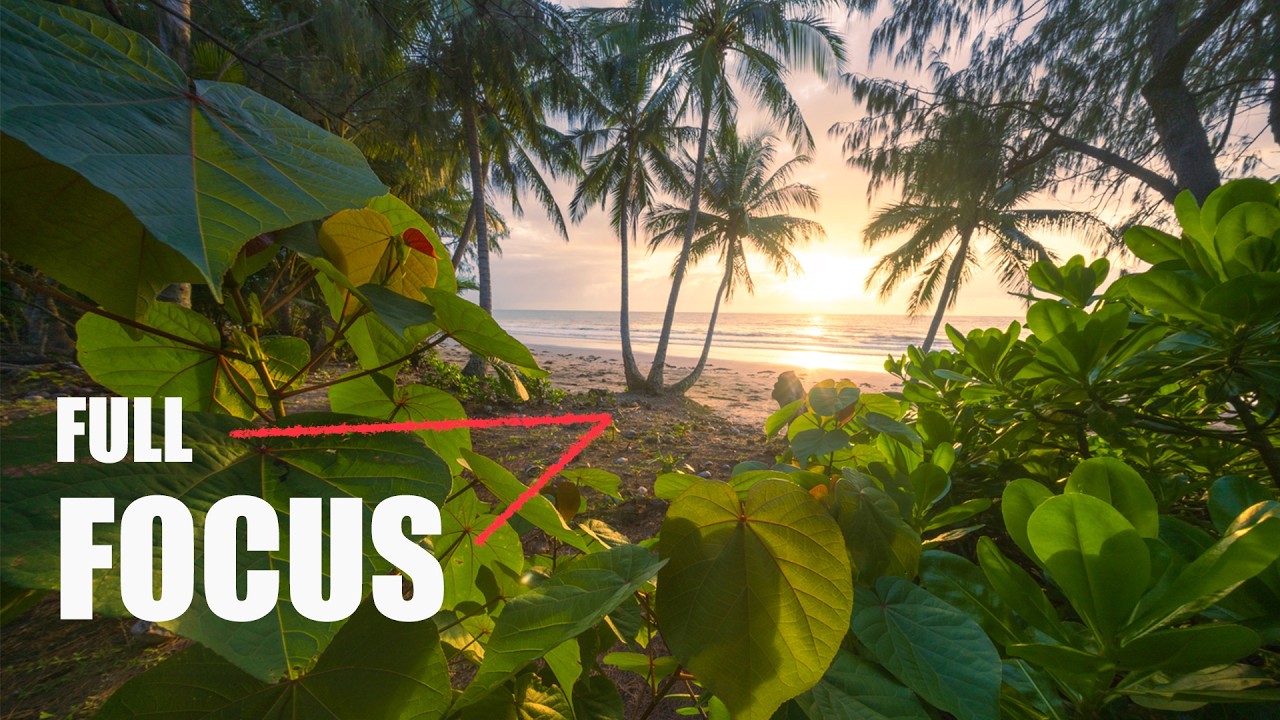
There is a version of me from fifteen years ago who bought a 10mm lens, slapped it on my camera, and wondered why everything looked like a novelty fisheye postcard. Wide angle lenses are deceptive. They look forgiving because they seem to pull everything in, but they punish lazy composition faster than any other focal length. The problem, specifically, is the foreground. With a longer lens you can ignore it. With an ultra wide, it is half your image whether you planned for it or not.

The Art of Panoramic Landscape Photography: Seeing Beyond the Frame

The Art of Panoramic Landscape Photography: Seeing Beyond the Frame

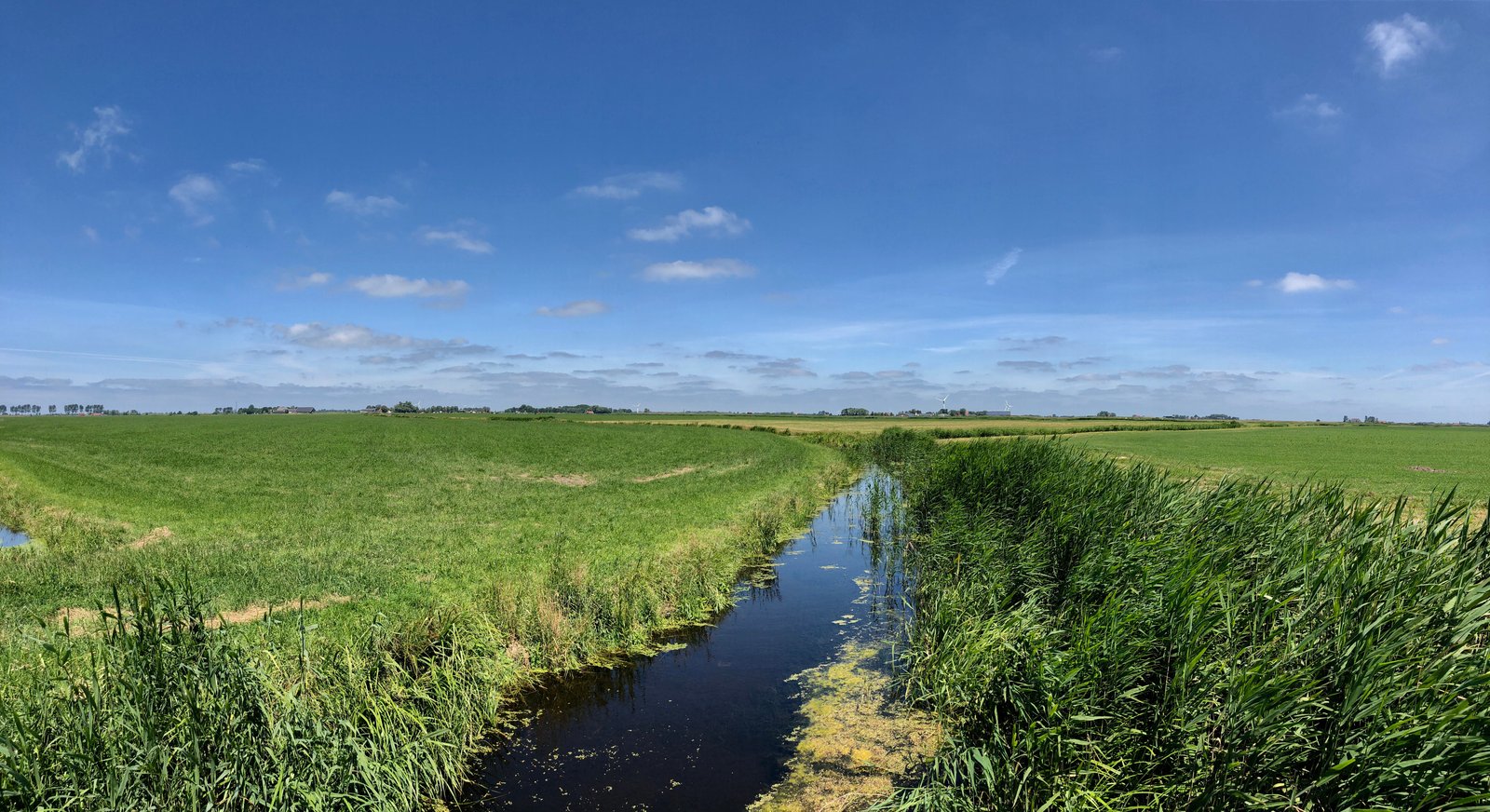
The Art of Panoramic Landscape Photography: Seeing Beyond the Frame Standing at the edge of a canyon at sunrise, I’ve often felt the limitations of a single frame. The light spreads across the entire horizon—soft amber fading to purple, stretching far beyond what my widest lens can capture in one shot. This is when I reach for panorama. It’s not a shortcut for composition; it’s an entirely different way of seeing.