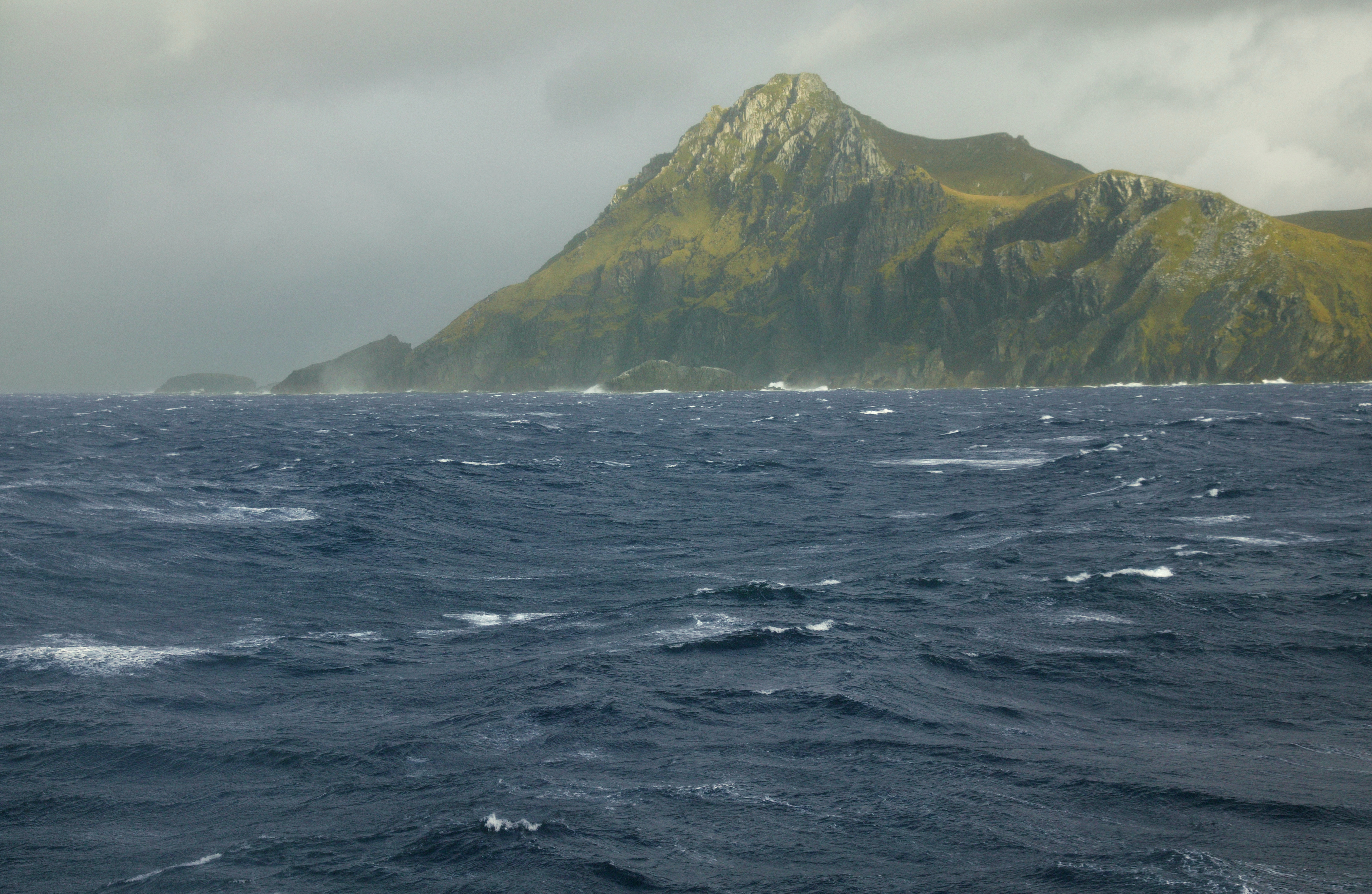
The Art of Panoramic Landscape Photography: Seeing Beyond the Frame
Standing at the edge of a canyon at sunrise, I’ve often felt the limitations of a single frame. The light spreads across the entire horizon—soft amber fading to purple, stretching far beyond what my widest lens can capture in one shot. This is when I reach for panorama. It’s not a shortcut for composition; it’s an entirely different way of seeing.
A panorama forces you to think sequentially about space rather than in single moments. You’re not trying to compress a grand vista into a static rectangle. Instead, you’re acknowledging that some landscapes demand to be experienced across a wider visual plane—the way your eye actually perceives them when you’re standing there, turning your head slowly from left to right.
Preparation Matters More Than You’d Think
Before I even raise my camera, I scout the location mentally. I’m looking for a composition that wants to be wide—a leading line like a river or ridge that flows horizontally across the landscape, or perhaps a dramatic sky that needs room to breathe. A panorama of a single tree against flat sky won’t be more compelling just because it’s wider; it’ll feel thin and aimless.
The time of day and lighting conditions are even more critical for panoramas than standard landscape work. Golden hour is ideal because that directional light remains consistent as you pan across the scene. Avoid harsh midday sun that creates uneven exposures across your sweep, or misty conditions where the atmosphere changes density from left to right.
The Technical Foundation
I shoot panoramas manually, never relying on my camera’s automatic panorama mode. Here’s why: that automation prioritizes speed over precision, which introduces parallax errors and stitching problems. Instead, I use these settings:
Exposure Mode: Aperture Priority (f/8 to f/16 for front-to-back sharpness) ISO: Fixed at the lowest value that maintains shutter speed above 1/focal length Focus: Manual focus, locked before I begin the sequence Metering: Spot meter on the midtones and lock it; exposure consistency matters more than perfection
I shoot in RAW. This gives me latitude later if the lighting shifts slightly across the panorama sequence—and it always shifts slightly.
The Capture Sequence
Standing still is essential. I’ll plant my feet firmly and use a tripod whenever possible, panning smoothly on a quality ball head rather than hand-holding. Some photographers use specialized panorama heads with calculated rotation points, but I’ve found that careful manual panning works perfectly if you overlap each frame by 30-40 percent.
That overlap is crucial. I’m not talking about 10-15 percent; real panoramas need substantial overlap for stitching software to find matching points. I frame my shots so the right edge of frame one aligns roughly with the left-third of frame two. This redundancy is your insurance against stitching errors.
I capture frames in a smooth, continuous sequence without pausing between shots. Pausing introduces perspective shifts that software can’t reconcile. The entire panorama—typically 6 to 12 frames for a full landscape sweep—should feel like one continuous pan.
The Contemplative Reward
There’s something meditative about this process. As I pan from left to right, slowly capturing the landscape, I’m not hunting for a decisive moment. I’m honoring the vastness itself. When that sequence stitches together into a single, seamless image that actually resembles what I felt standing there—that moment of turning your head and taking in the entire vista—I remember why I chose this method over any standard frame.
The panorama isn’t a technical gimmick. It’s a honest acknowledgment that some landscapes refuse to fit inside ordinary boundaries.
Comments (4)
I tried this on a client project yesterday and the results were way better than expected.
Great article! I actually covered something related on my site — the retouching angle is really complementary to this.
I've watched a dozen tutorials on this and yours is the clearest by far.
I keep coming back to this article. It's that useful.
Leave a Comment