The Art of Landscape Composition: Creating Depth in Wild Places

The Art of Landscape Composition: Creating Depth in Wild Places

The Art of Landscape Composition: Creating Depth in Wild Places I’ve stood in front of countless breathtaking vistas—jagged peaks piercing morning fog, golden light flooding across endless prairies, storms gathering over distant ridges. Yet some of my best photographs come not from the most dramatic locations, but from understanding how to arrange what I see into a cohesive image. Composition is the difference between documenting a beautiful place and creating a photograph that makes someone feel something.

The Silent Language of Lines: Mastering Landscape Composition in the Field

The Silent Language of Lines: Mastering Landscape Composition in the Field

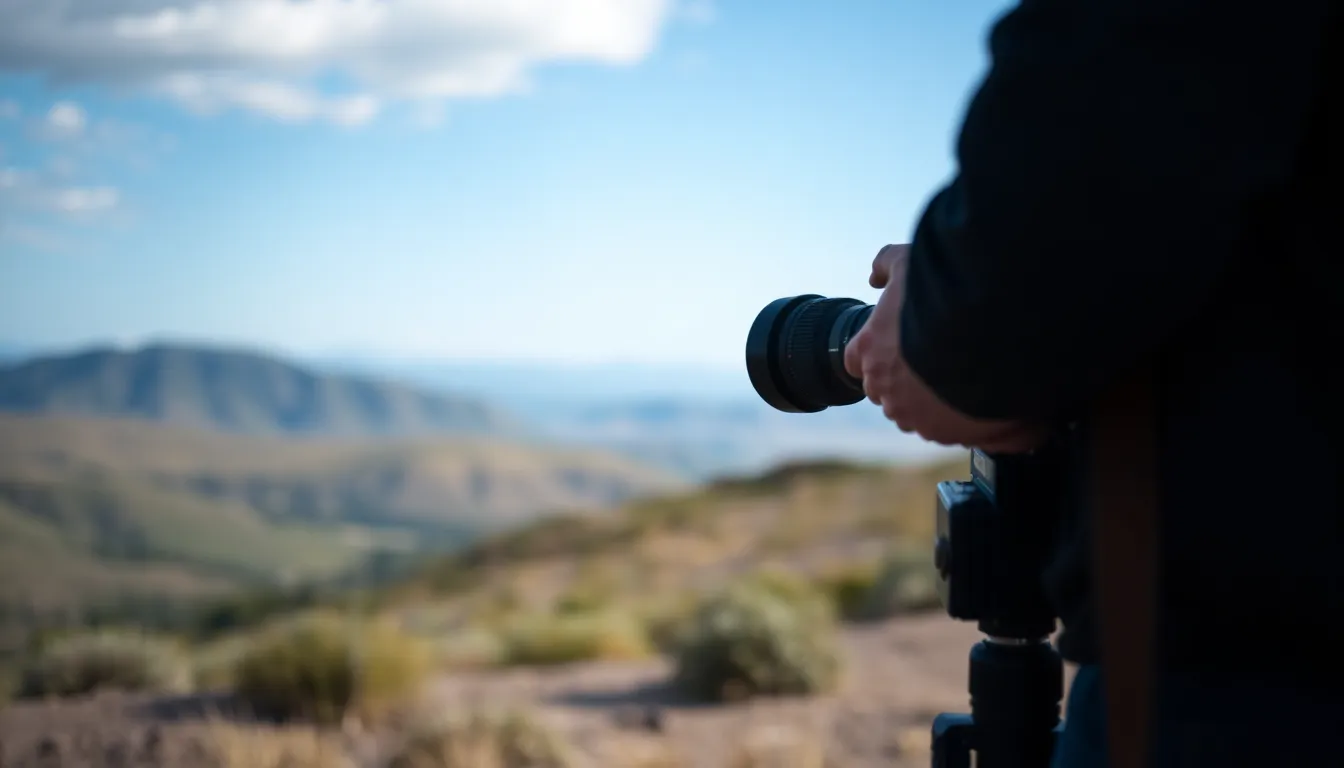
Standing Before the Moment There’s a particular kind of silence that comes when you’re alone in a landscape with your camera. The light is changing. Your feet are sore. And you’re staring at a vista that your eyes find beautiful, but your viewfinder won’t quite capture it—at least, not yet. This is where composition matters most. Not as a rule book, but as a conversation between what you see and how you translate it into an image that others can feel.

The Silent Language of Landscape Composition: Finding Balance in the Wild

The Silent Language of Landscape Composition: Finding Balance in the Wild

The Silent Language of Landscape Composition: Finding Balance in the Wild I remember standing on a ridge in the Cairngorms at dawn, camera in hand, utterly overwhelmed. The light was extraordinary—golden, directional, perfect. Yet when I reviewed my shots later, most felt flat and listless. The problem wasn’t the light or the location. It was that I hadn’t learned to read the landscape. Composition isn’t about following rules. It’s about understanding how your eye naturally moves through a frame, and then orchestrating that movement intentionally.

The Language of Lines: Mastering Landscape Composition in the Field

The Language of Lines: Mastering Landscape Composition in the Field

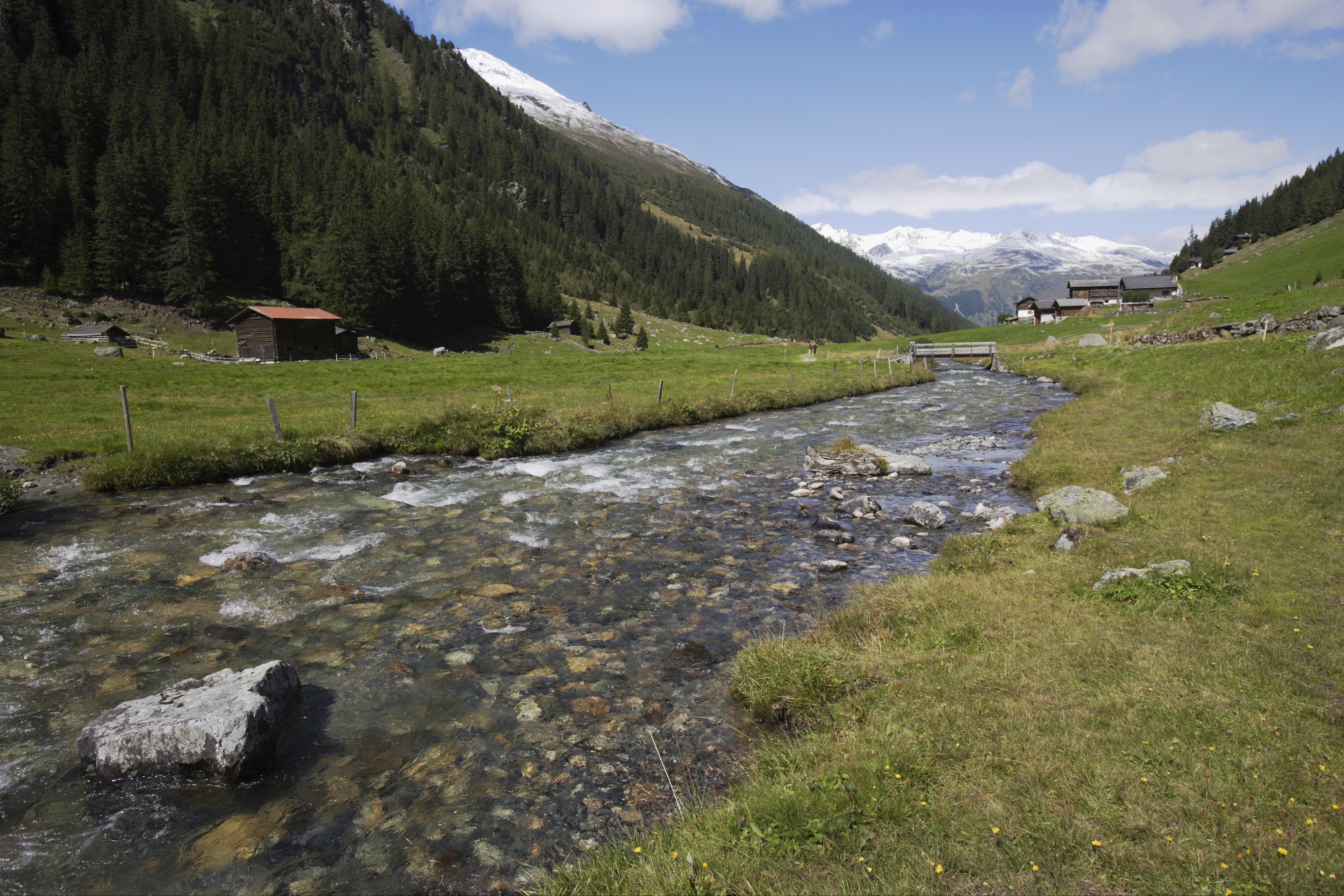
The Language of Lines: Mastering Landscape Composition in the Field I’m standing knee-deep in cold stream water at dawn, camera raised, and I realize I’ve been staring at the same scene for ten minutes without taking a single frame. The light is perfect. The mountains are there. The wildflowers are blooming. Yet something feels incomplete, unsettled. This is the moment composition becomes real—not theory, but the physical act of arranging visual elements until they sing together.

The Art of Visual Hierarchy: Composing Landscapes That Draw the Eye

The Art of Visual Hierarchy: Composing Landscapes That Draw the Eye

I’m standing on a rocky ridge at dawn, camera in hand, faced with an overwhelming vista. Mountains stretch endlessly. A river winds through the valley. Clouds billow overhead. Everything is beautiful. Everything demands attention. And that’s precisely the problem. The most common mistake I made in my early years was trying to capture everything—believing that more detail meant a stronger photograph. What I learned, through countless hours in the field, is that the strongest images aren’t the ones that show the most.

Finding Balance in the Frame: The Art of Landscape Composition

Finding Balance in the Frame: The Art of Landscape Composition

Finding Balance in the Frame: The Art of Landscape Composition I’ve spent countless mornings standing in frost-covered fields, watching light transform an ordinary hillside into something extraordinary. But I’ve learned that even the most beautiful light can’t save a poorly composed image. The strongest landscape photographs balance technical skill with intentional visual structure—and that structure begins long before you press the shutter. The Three-Layer Approach When I arrive at a location, I resist the urge to immediately frame a shot.

Composition in Landscape Photography: Beyond the Rule of Thirds

Composition in Landscape Photography: Beyond the Rule of Thirds

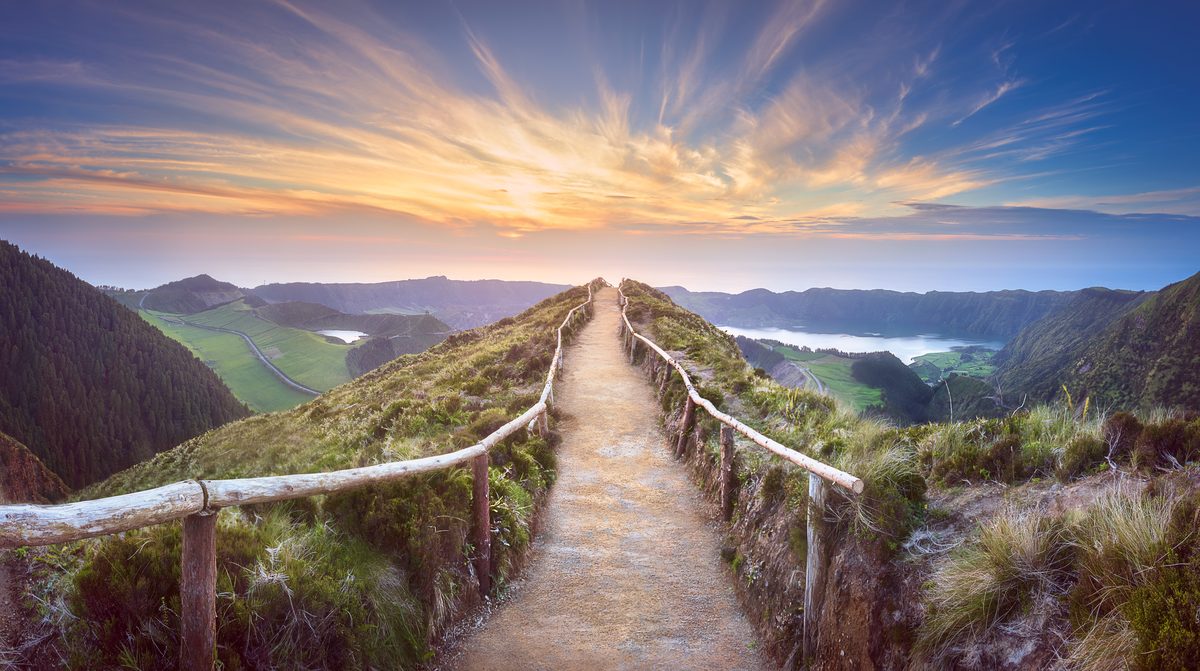
The rule of thirds is where most photographers start learning composition, and there is nothing wrong with it. Placing your horizon on the upper or lower third line and positioning key elements at intersection points produces balanced, readable images. But staying there forever limits what your photographs can communicate. Here are the composition tools I use most often in the field, and how they work together. Leading Lines Lines guide the viewer’s eye through the frame.