The Art of Landscape Composition: Building Frames That Tell Stories

The Art of Landscape Composition: Building Frames That Tell Stories

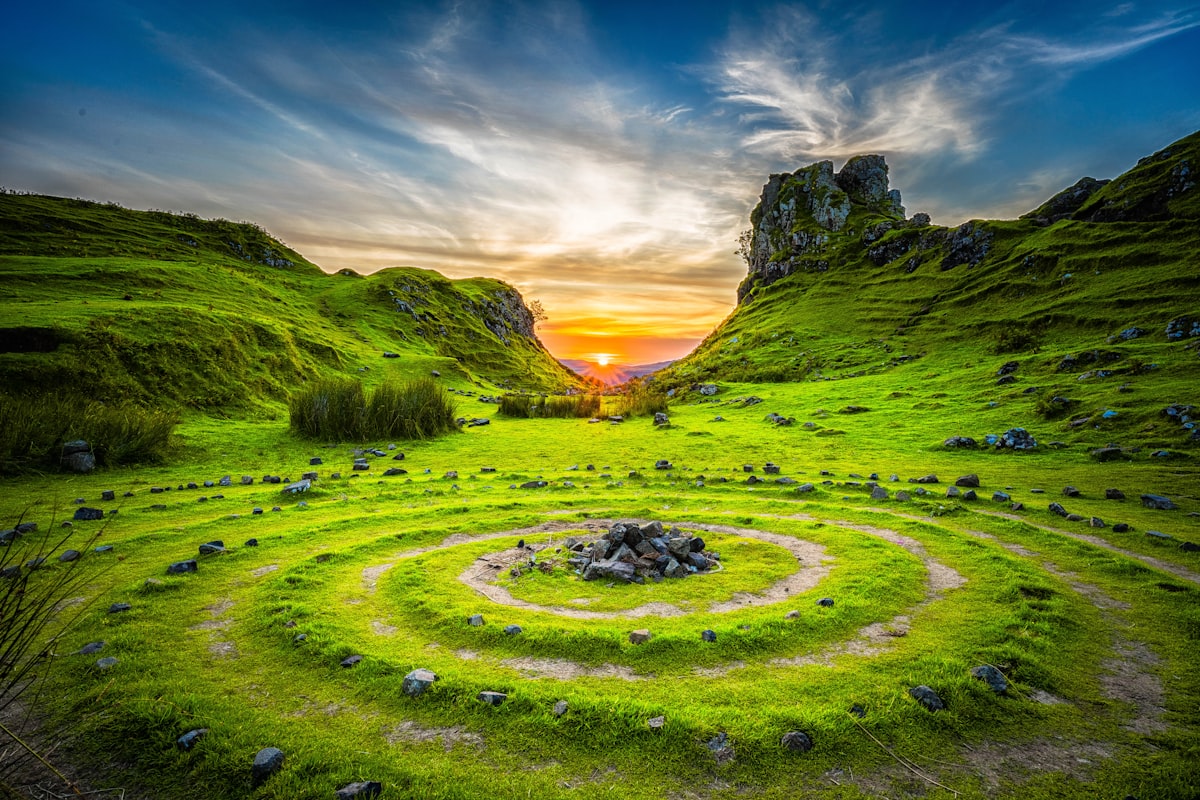
The Art of Landscape Composition: Building Frames That Tell Stories I’ve spent countless hours standing in meadows at dawn, watching mist curl through valleys while the light turns everything golden. In those moments, I’ve learned that composition isn’t something you impose on a landscape—it’s something you discover within it. The difference between a forgettable snapshot and a photograph that stops people in their tracks comes down to how deliberately you arrange what’s in front of you.
The Art of Forest Photography: Finding Light in the Shadows

The Art of Forest Photography: Finding Light in the Shadows

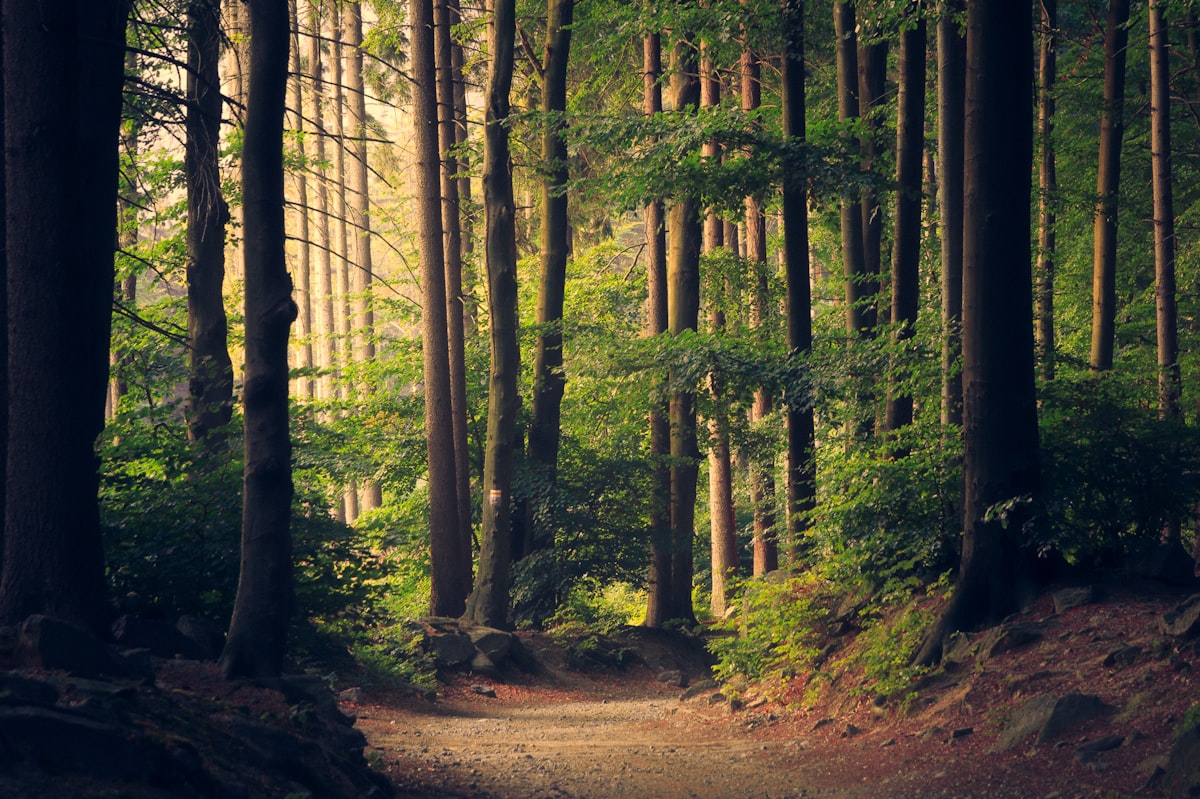
The Art of Forest Photography: Finding Light in the Shadows I’ve spent countless mornings standing in dense woodland, tripod sinking slightly into damp earth, waiting for that precise moment when golden light pierces through the canopy. Forest photography demands patience in ways that open landscape work simply doesn’t. You’re not working with the light—you’re hunting for it, creating geometry from shadow and illumination. Understanding Forest Light The forest is a study in contrast and subtlety.

The Art of Forest Photography: Capturing Light Among the Trees

The Art of Forest Photography: Capturing Light Among the Trees

I learned early that forest photography demands patience and surrender. You cannot force a forest to reveal itself—you must move through it with intention, waiting for the light to do what the light does best. Understanding Forest Light Forests are paradoxes of light. Dense canopies block direct sun while simultaneously filtering it into something magical. When I first attempted forest photography, I underexposed everything, frustrated that my camera couldn’t capture what my eyes perceived.

The Art of Capturing Water in Motion: Mastering Waterfall Photography

The Art of Capturing Water in Motion: Mastering Waterfall Photography

I’ve spent countless mornings standing before waterfalls with water misting my lens, learning through trial and error what separates a flat snapshot from an image that conveys the raw power and grace of moving water. Waterfall photography demands patience, technical precision, and an understanding of how light and motion interact. It’s not complicated, but it does require intention. Understanding Long Exposure The silky, ethereal quality you see in great waterfall images comes from one thing: time.

The Art of Capturing Water in Motion: A Guide to Waterfall Photography

The Art of Capturing Water in Motion: A Guide to Waterfall Photography

There’s a particular silence that settles over me when I’m standing before a waterfall with my camera ready. It’s not the absence of sound—the water roars around me—but rather a quieting of everything else. The world narrows to the cascade before me, and I’m left with a single question: how do I translate this feeling into an image? Waterfall photography has taught me that success lies not in chasing the most dramatic falls, but in understanding how water moves and how to render that movement intentionally.

Reading the Sky: Mastering Weather Photography in the Field

Reading the Sky: Mastering Weather Photography in the Field

Reading the Sky: Mastering Weather Photography in the Field I’ve spent countless hours standing in rain, wind, and fog waiting for light that most photographers would abandon their positions to escape. Weather photography isn’t about enduring discomfort—it’s about understanding that dramatic atmospheric conditions create the most compelling landscape images. Over years in the field, I’ve learned that the real skill lies not in owning specialized gear, but in reading conditions and positioning yourself for the decisive moment.

Finding Light in the Woods: The Art and Craft of Forest Photography

Finding Light in the Woods: The Art and Craft of Forest Photography

Finding Light in the Woods: The Art and Craft of Forest Photography There’s a peculiar silence that settles over me when I’m deep in a forest with my camera. The light filters through the canopy in ways that seem impossible to translate to a sensor, and yet that impossibility is exactly why I keep returning to these places. Forest photography demands something different from us than open landscape work. You’re not capturing expansive vistas or dramatic skies—you’re hunting for relationships between layers, textures, and the elusive moments when light finds its way through dense vegetation.

Finding Light in the High Country: A Mountain Photographer's Field Guide

Finding Light in the High Country: A Mountain Photographer's Field Guide

Finding Light in the High Country: A Mountain Photographer’s Field Guide I’ve spent enough mornings shivering in the pre-dawn darkness at 10,000 feet to know that mountain photography demands more than just showing up with a good camera. It requires patience, preparation, and an honest understanding of how light behaves in thin air. The mountains have taught me that the best shots aren’t about luck—they’re about reading the landscape like a map and positioning yourself where intention meets opportunity.

Chasing the Horizon: Mastering Panoramic Photography in the Field

Chasing the Horizon: Mastering Panoramic Photography in the Field

Chasing the Horizon: Mastering Panoramic Photography in the Field There’s a moment that happens on certain mornings when I’m standing before a vista too grand for any single frame to contain. The light is perfect. The composition is screaming at me. But the landscape—it refuses to fit. This is when panoramas save me. Not as a gimmick, but as an honest way to translate what my eyes actually see. Over the years, I’ve learned that panoramic photography isn’t about technology.

Chasing Light Through Storm: The Art of Weather Photography

Chasing Light Through Storm: The Art of Weather Photography

There’s a particular kind of silence that falls just before a storm breaks. I’ve learned to recognize it—that pause in the wind, the peculiar yellowing of the light filtering through towering clouds. It’s in these moments that I know I need to be ready, camera in hand, positioned where the drama will unfold. Weather photography demands patience and intention in equal measure. Unlike planned landscape shoots where you scout locations weeks in advance, weather work requires you to become attuned to atmospheric conditions, to read the sky like a text, and to position yourself in places where light and weather converge in meaningful ways.

Chasing Light and Storms: The Art of Weather Photography

Chasing Light and Storms: The Art of Weather Photography

The Moment Before the Storm There’s a particular quality to light that appears just before a storm rolls in—a heavy, metallic grayness mixed with unexpected golden rays breaking through the clouds. I’ve learned to recognize this moment, and when it arrives, I drop everything to get into position. It’s not reckless; it’s the culmination of years spent studying weather patterns, understanding my camera’s capabilities, and accepting the calculated risks that come with this pursuit.

Chasing Light and Storm: The Art of Weather Photography

Chasing Light and Storm: The Art of Weather Photography

Chasing Light and Storm: The Art of Weather Photography There’s a particular kind of silence that comes just before a storm rolls across open country. I’ve stood in that silence more times than I can count, tripod planted firmly in increasingly damp earth, watching the light transform from gold to silver to something altogether more ominous. Weather photography demands patience, technical skill, and a willingness to be uncomfortable. But the images it yields—those have changed how I see landscapes entirely.