The Art of Capturing Mountain Light: Lessons from the High Country

The Art of Capturing Mountain Light: Lessons from the High Country

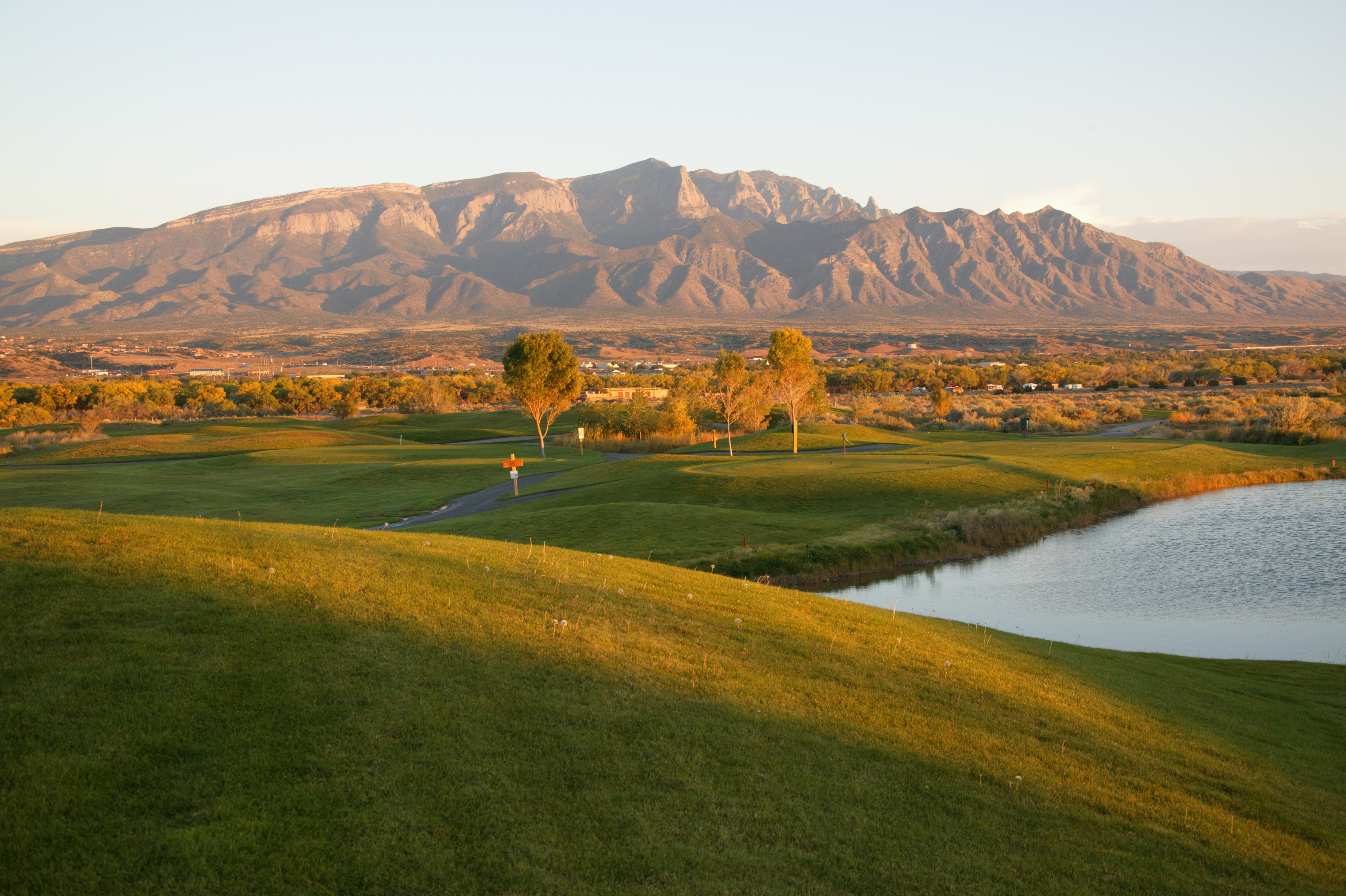
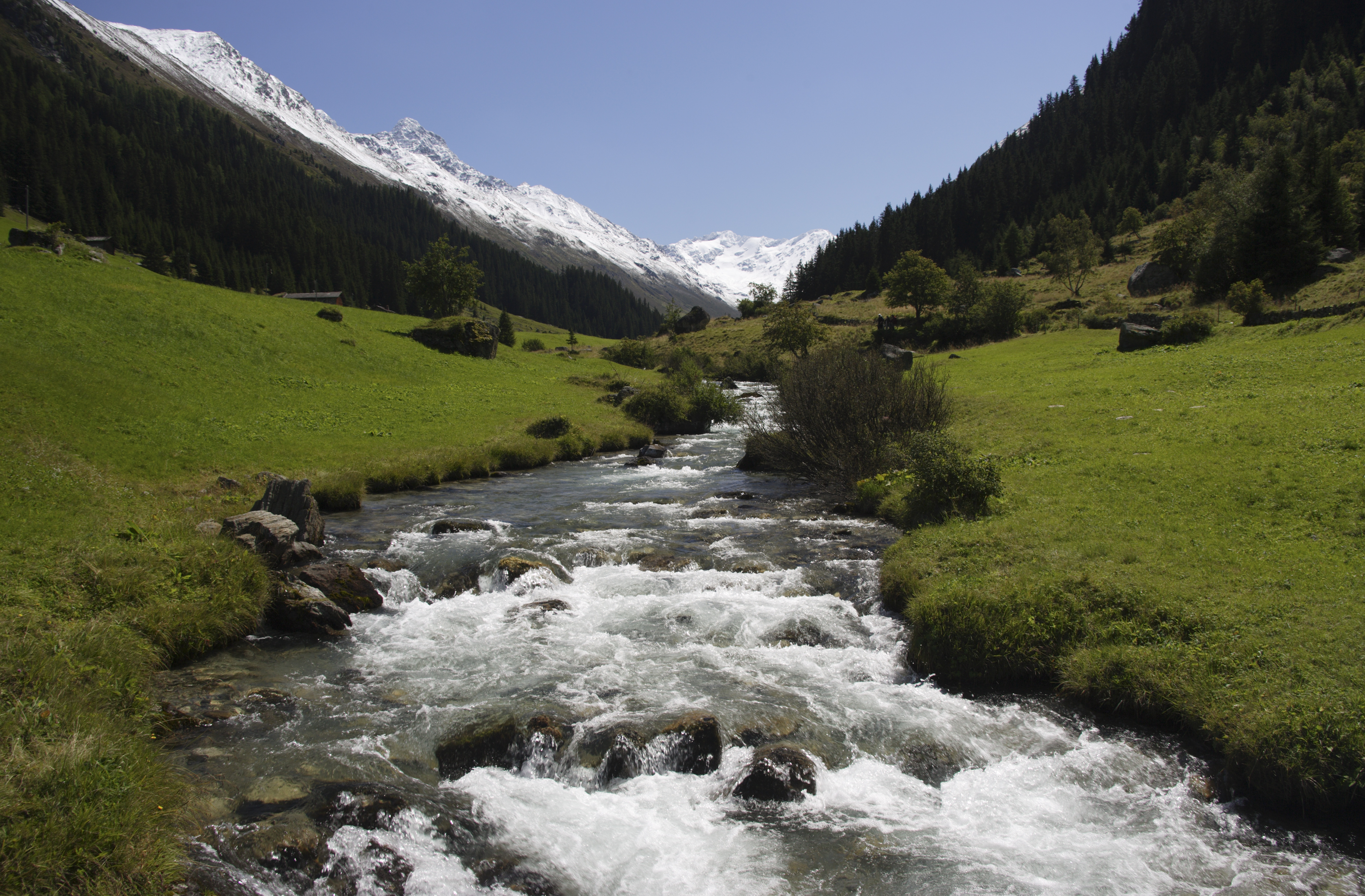
I’ve spent countless mornings standing in alpine meadows, watching light pour over distant peaks, and I’ve learned that mountain photography isn’t about chasing dramatic vistas—it’s about understanding the light that defines them. The Golden Window: Timing Your Ascent Mountains demand respect for time. When I plan a shoot, I work backward from my desired location. If I want to photograph a peak during golden hour, I calculate sunrise time, add 45 minutes (when light becomes truly directional), then subtract my hiking duration and a 20-minute buffer for setup.

Chasing Light in the High Country: The Art and Craft of Mountain Photography

Chasing Light in the High Country: The Art and Craft of Mountain Photography

Chasing Light in the High Country: The Art and Craft of Mountain Photography There’s a particular silence you encounter above treeline—a silence that sharpens your senses and makes you acutely aware of every shadow, every shift in color across a distant peak. This is where mountain photography begins, not with camera settings or lens choice, but with patience and presence. After years spent in alpine terrain, I’ve learned that the technical mastery matters far less than understanding how light moves across those distant ridges.

The Art of Capturing Waterfalls: Mastering Motion and Light in Flowing Water

The Art of Capturing Waterfalls: Mastering Motion and Light in Flowing Water

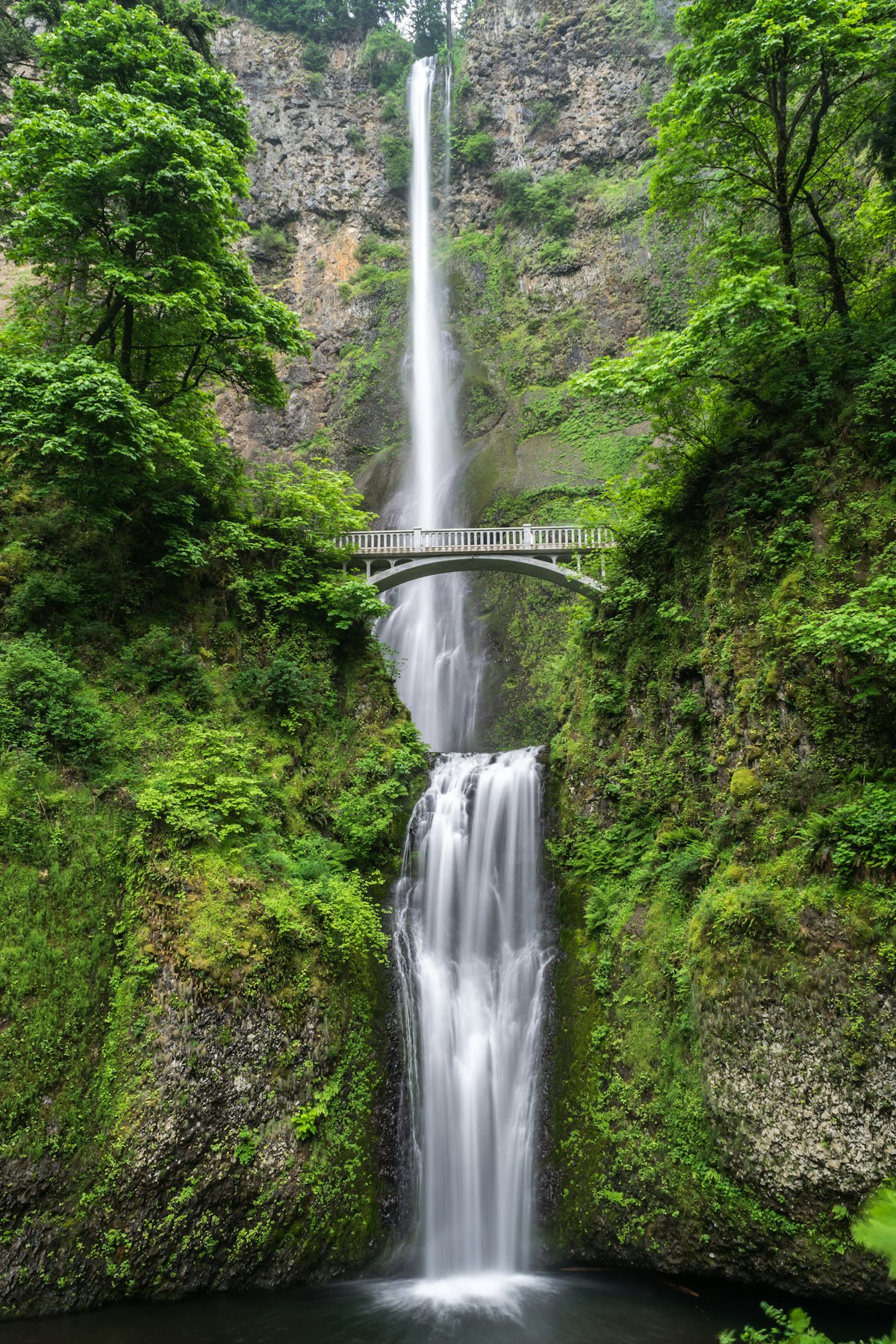
Finding the Right Light at the Falls I’ve learned that chasing waterfalls isn’t about arriving when the sun is brightest. In fact, some of my most compelling waterfall images were captured under overcast skies or in the diffused light of early morning mist. Harsh sunlight creates blown-out highlights in the water and harsh shadows that flatten the three-dimensional quality of the scene. Instead, I seek out cloudy days or arrive before sunrise.

Chasing Light in the Mountains: A Photographer's Guide to Alpine Landscapes

Chasing Light in the Mountains: A Photographer's Guide to Alpine Landscapes

The Mountain’s Demand for Patience I’ve stood on countless ridgelines at dawn, waiting for the first light to spill across a valley I’d hiked to in darkness. There’s something humbling about mountain photography—the landscape won’t bend to your schedule, and the weather won’t cooperate simply because you drove six hours to be there. This is precisely why I love it. Mountains demand something different from us than other landscape subjects. They’re three-dimensional puzzles where light, shadow, and scale interact in ways that a photograph must somehow translate onto a flat plane.

Chasing Light in the High Country: Mastering Mountain Photography

Chasing Light in the High Country: Mastering Mountain Photography

There’s a particular silence that settles over a mountain before dawn—a stillness that makes you acutely aware of why you’ve dragged yourself out of bed at 3 a.m. You’re standing at 10,000 feet, fingers numb despite your gloves, watching the sky transition from absolute black to deep indigo. This is when mountain photography truly begins, long before the light touches the peaks. Timing Is Everything I’ve learned that mountain photography is fundamentally about light, and mountain light is unforgiving.

The Quiet Intensity of Mountain Photography: Finding Light in High Places

The Quiet Intensity of Mountain Photography: Finding Light in High Places

The Quiet Intensity of Mountain Photography: Finding Light in High Places There’s a peculiar silence that settles over you when you’re standing at elevation, camera in hand, waiting for the light to change. The wind might be howling. Clouds might be racing across the ridgeline. But internally, there’s a stillness—a focus that only comes when you’re genuinely uncertain whether the next hour will yield anything worth capturing. Mountain photography isn’t about the destination.

The Art of Waterfall Photography: Chasing Light and Motion in Nature's Most Dynamic Landscapes

The Art of Waterfall Photography: Chasing Light and Motion in Nature's Most Dynamic Landscapes

The Art of Waterfall Photography: Chasing Light and Motion in Nature’s Most Dynamic Landscapes There’s a particular stillness I experience standing before a waterfall, tripod anchored into wet stone, waiting for the light to shift. The roar of falling water becomes almost meditative—a constant presence that forces you to slow down, to think deliberately about composition and timing. Waterfall photography isn’t about capturing a single decisive moment like street photography or wildlife work.

The Art of Waterfall Photography: Capturing Motion in Still Frames

The Art of Waterfall Photography: Capturing Motion in Still Frames

The Art of Waterfall Photography: Capturing Motion in Still Frames There’s a particular kind of silence that falls over you when you’re standing before a waterfall at dawn, tripod planted firmly in the riverbed, waiting for the light to shift. The roar of the water fills everything—your ears, your chest, your mind—and yet there’s a quietness to the moment. This is where waterfall photography lives, in that strange intersection between chaos and stillness.

The Art of Waterfall Photography: Capturing Flow and Light

The Art of Waterfall Photography: Capturing Flow and Light

The Art of Waterfall Photography: Capturing Flow and Light There’s a particular magic that happens when water meets rock and light. I discovered this years ago while standing in the mist of a modest cascade in Scotland, camera in hand, completely soaked and utterly mesmerized. Waterfall photography isn’t just about technical settings—it’s about understanding the conversation between water, time, and light. Why Waterfalls Demand Your Attention Waterfalls stop us. They’re dynamic subjects that refuse to hold still, which is precisely why photographing them requires intention.

The Art of Patience: Mastering Mountain Light and Composition

The Art of Patience: Mastering Mountain Light and Composition

The Art of Patience: Mastering Mountain Light and Composition I’ve spent countless dawns shivering in alpine meadows, watching the world transform from grey to gold. Mountain photography rewards patience more than any other genre I’ve encountered. The difference between a forgettable snapshot and a truly moving image often comes down to waiting for the right light and understanding how to compose within those vast, unforgiving landscapes. Start with Light, Not Location Before you pack your gear, understand that location matters far less than light.

The Art of Landscape Composition: Building Frames That Tell Stories

The Art of Landscape Composition: Building Frames That Tell Stories

The Art of Landscape Composition: Building Frames That Tell Stories I’ve spent countless hours standing in meadows at dawn, watching mist curl through valleys while the light turns everything golden. In those moments, I’ve learned that composition isn’t something you impose on a landscape—it’s something you discover within it. The difference between a forgettable snapshot and a photograph that stops people in their tracks comes down to how deliberately you arrange what’s in front of you.

The Art of Forest Photography: Finding Light in the Shadows

The Art of Forest Photography: Finding Light in the Shadows

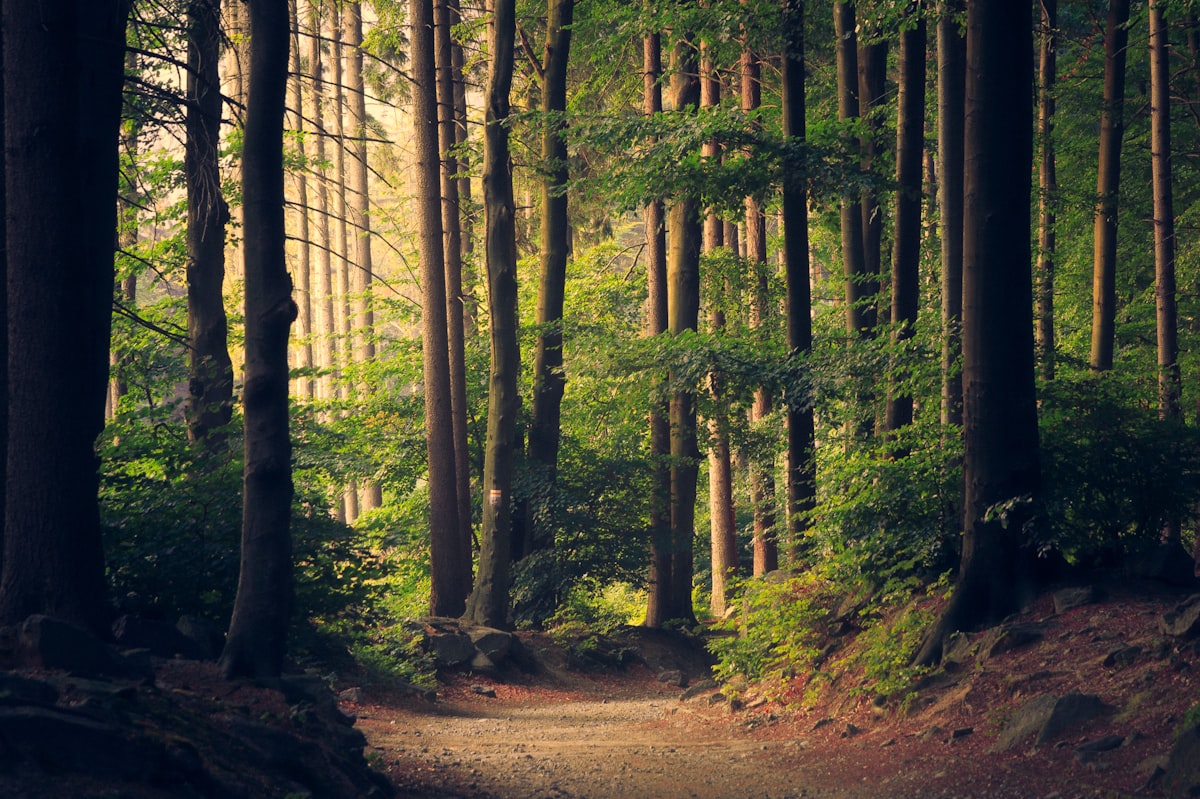
The Art of Forest Photography: Finding Light in the Shadows I’ve spent countless mornings standing in dense woodland, tripod sinking slightly into damp earth, waiting for that precise moment when golden light pierces through the canopy. Forest photography demands patience in ways that open landscape work simply doesn’t. You’re not working with the light—you’re hunting for it, creating geometry from shadow and illumination. Understanding Forest Light The forest is a study in contrast and subtlety.