Capturing the Soul of Moving Water: A Waterfall Photography Guide

Capturing the Soul of Moving Water: A Waterfall Photography Guide

Capturing the Soul of Moving Water: A Waterfall Photography Guide There’s something about standing before a waterfall that humbles you. The raw power of water cascading down stone, the mist rising up to meet your face, the sound that drowns out everything else—it draws photographers back again and again. Yet capturing that feeling in a still image remains one of the most rewarding challenges in landscape photography. I’ve spent countless hours at waterfalls, learning through trial and error what works and what doesn’t.

Capturing the Restless Edge: Mastering Coastal Photography

Capturing the Restless Edge: Mastering Coastal Photography

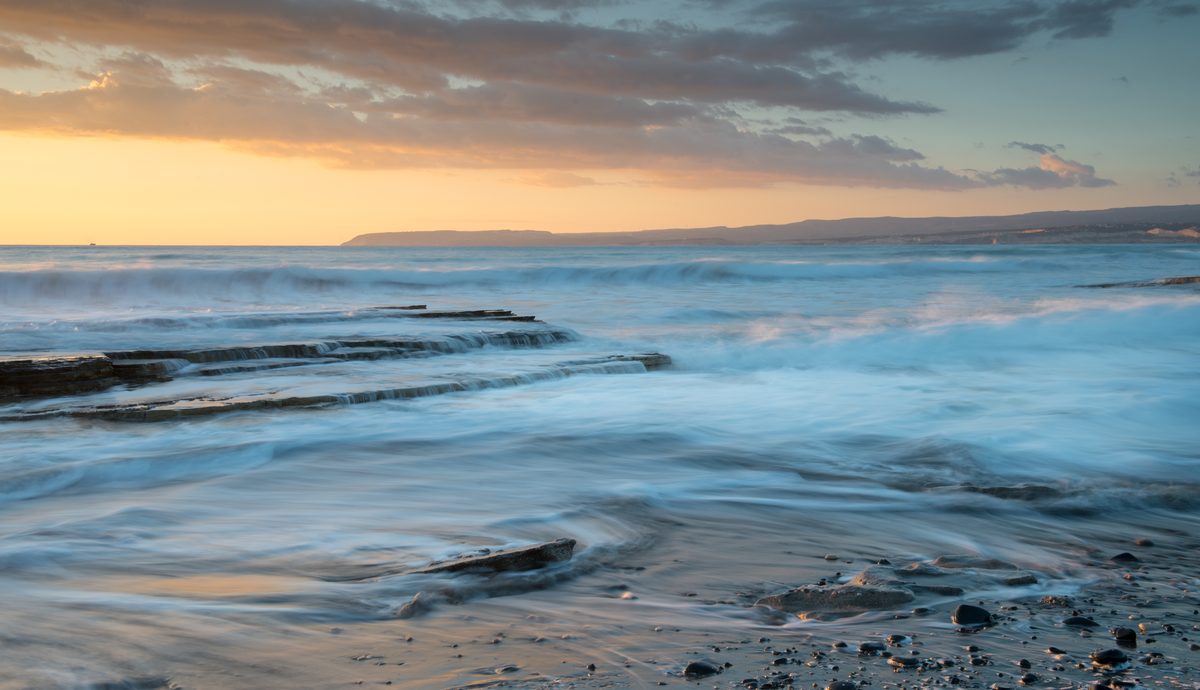
There’s something about standing at the edge of land and sea that shifts how you see light. After years of chasing golden hour along rocky shores and misty cliffs, I’ve learned that coastal photography demands a different kind of patience than inland work. The ocean won’t wait for your perfect moment—but if you understand its rhythms, you can anticipate them. Timing Around Tides and Light The coast is fundamentally about motion: waves, tides, and light changing by the minute.

Capturing the Endless Horizon: Master Coastal Photography in Dynamic Light

Capturing the Endless Horizon: Master Coastal Photography in Dynamic Light

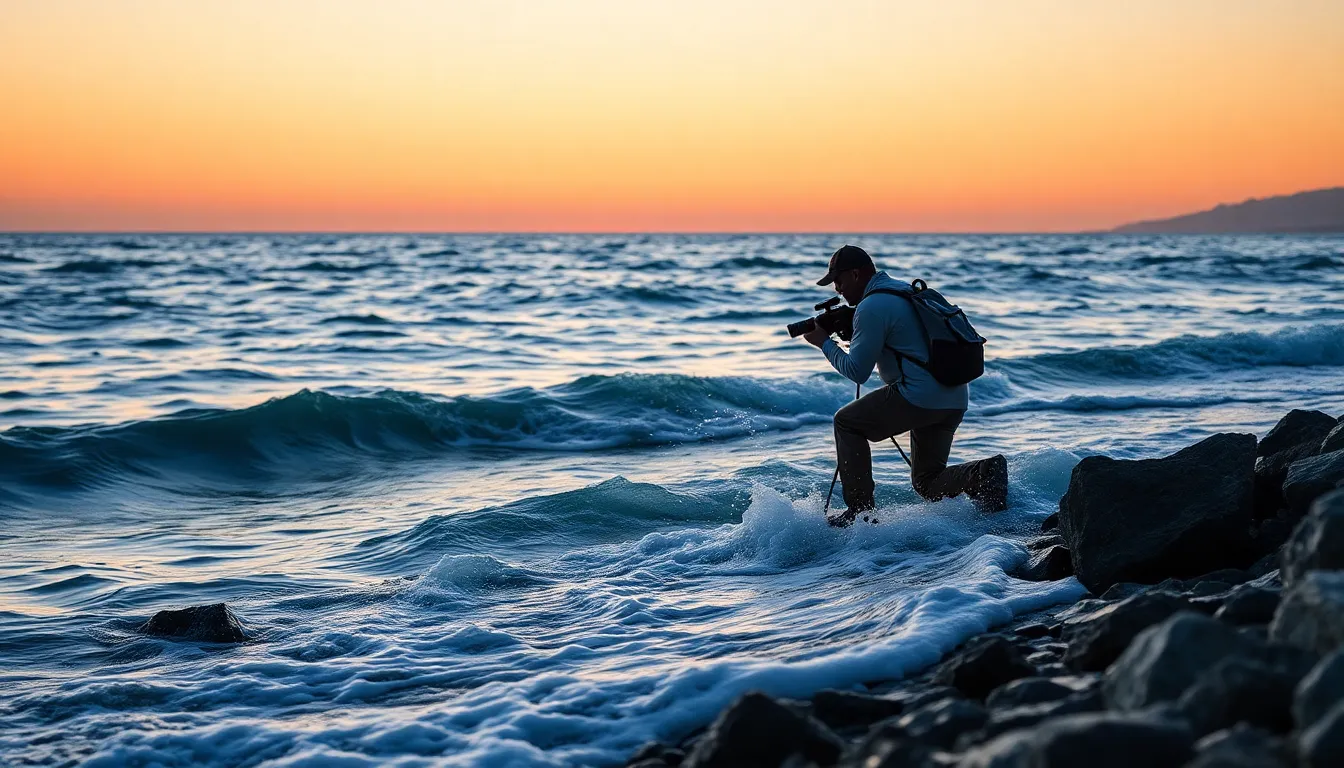
The Coast Demands Your Presence I learned early that photographing the coast requires you to be there—genuinely present, not just passing through. The ocean doesn’t perform on schedule, and the light changes so rapidly that watching it unfold in person teaches you more than any guide ever could. When I’m standing on a rocky shoreline at dawn, salt spray on my lens, I’m not thinking about composition rules. I’m observing how the light catches the water’s surface, where shadows pool between rocks, and how the sky shifts minute by minute.

Capturing the Coast: Reading Light and Timing at the Water's Edge

Capturing the Coast: Reading Light and Timing at the Water's Edge

Capturing the Coast: Reading Light and Timing at the Water’s Edge There’s something about standing at the edge of land and sea that shifts how I see light. The coast demands respect—wind, salt spray, unpredictable conditions—but it also offers some of the most dynamic lighting I’ve encountered in landscape photography. After years of chasing golden hour along rocky shores and sandy beaches, I’ve learned that successful coastal photography hinges on understanding how water reflects and bends light in ways inland scenes simply don’t.

Capturing the Coast: Light, Timing, and Technique for Coastal Photography

Capturing the Coast: Light, Timing, and Technique for Coastal Photography

Capturing the Coast: Light, Timing, and Technique for Coastal Photography There’s a particular kind of silence that settles over a coastline just before sunrise. I’ve learned to chase it—to arrive in darkness, set up my tripod on still-damp sand, and wait for that moment when the sky begins its transformation. This ritual has taught me more about coastal photography than any technical manual could. The coast is deceptive. It appears constant, unchanging, yet it’s perhaps the most dynamic landscape a photographer can work with.

Capturing the Coast: Finding Light and Moment in Shoreline Photography

Capturing the Coast: Finding Light and Moment in Shoreline Photography

The Complexity of Coastal Light Standing at the shoreline at dawn, I’ve learned that coastal light behaves differently than inland light. The ocean’s reflective surface bounces and scatters light unpredictably, creating zones of brightness that shift minute by minute. This sounds poetic, but it’s also a technical problem that catches photographers off guard. What I’ve found most useful is bracketing aggressively—I typically shoot three to five exposures separated by one full stop rather than the standard half-stop increments.