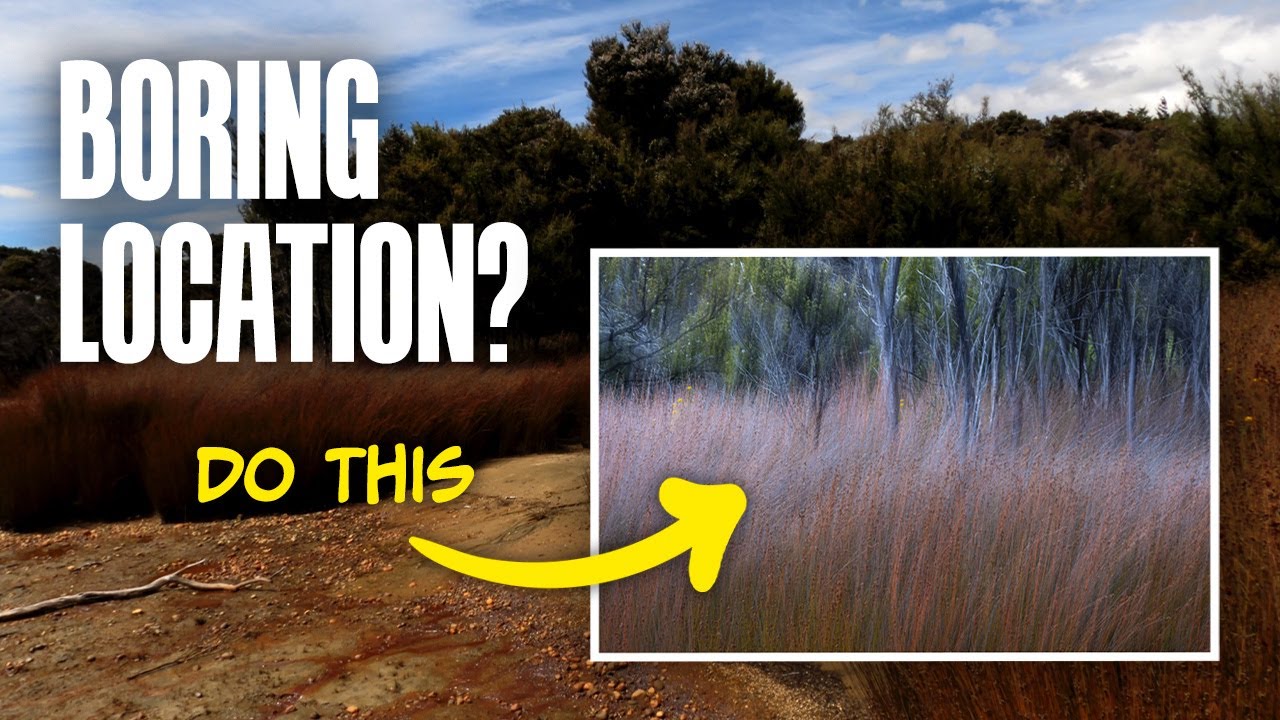
Most of my best work has happened in terrible conditions. Not terrible in the dramatic, stormy-sky sense - terrible in the flat, overhead, “why did I even drive here” sense. Harsh midday light is the condition that separates photographers who go home empty-handed from those who pivot and come back with something worth keeping. Over twenty years of working landscapes full-time, I’ve learned that the grand vista is only one tool in the kit. When the sky is washed out and the shadows are ugly, you stop looking up and start looking down.
That’s exactly what William Patino addresses in this tutorial, and it’s one of the more practical pieces of field advice I’ve seen in a while. Patino - a landscape photographer based in New Zealand with a clear eye for the dramatic - takes what could be a frustrating midday session and turns it into a masterclass in what he calls “intimate nature photography.” The core idea is deceptively simple: when you can’t photograph the grand landscape, photograph the scene within the scene. Watch the full tutorial on YouTube - it’s worth your time even if you shoot in a different environment entirely.
What struck me watching this is how transferable the approach is. Patino is working along a lakefront in the South Island of New Zealand, a place most of us will never visit. But the techniques he demonstrates - the way he reads texture, isolates detail, and chooses focal length - apply just as well to a dry creek bed in central Oregon as they do to a New Zealand shore. Here’s how to apply what he’s doing.
Step 1: Reframe What You’re There to Photograph
 Patino explaining intimate photography excludes the sky
Before you touch your camera, adjust your expectation for the session. Patino defines intimate nature photography as scenes that exclude the sky entirely - you’re not after the sweeping vista, you’re after the intricate details that make up the fabric of a landscape. This mental shift matters. When I head out for a grand landscape shoot and the light fails me, my worst mistake is spending two hours trying to force a shot that doesn’t exist. The better move is to commit fully to the intimate approach and treat it as its own discipline, not a consolation prize.
Patino explaining intimate photography excludes the sky
Before you touch your camera, adjust your expectation for the session. Patino defines intimate nature photography as scenes that exclude the sky entirely - you’re not after the sweeping vista, you’re after the intricate details that make up the fabric of a landscape. This mental shift matters. When I head out for a grand landscape shoot and the light fails me, my worst mistake is spending two hours trying to force a shot that doesn’t exist. The better move is to commit fully to the intimate approach and treat it as its own discipline, not a consolation prize.
Walk your location slowly before shooting. Patino spots iridescent sheens on the water’s surface, sand textures, patterns in the rushes, the branching structure of nearby shrubs - all before he lifts the camera. That pre-shoot inventory is a habit worth building. Train your eye first.
Step 2: Read the Light Differently
 Patino describing harsh midday conditions at the lakefront
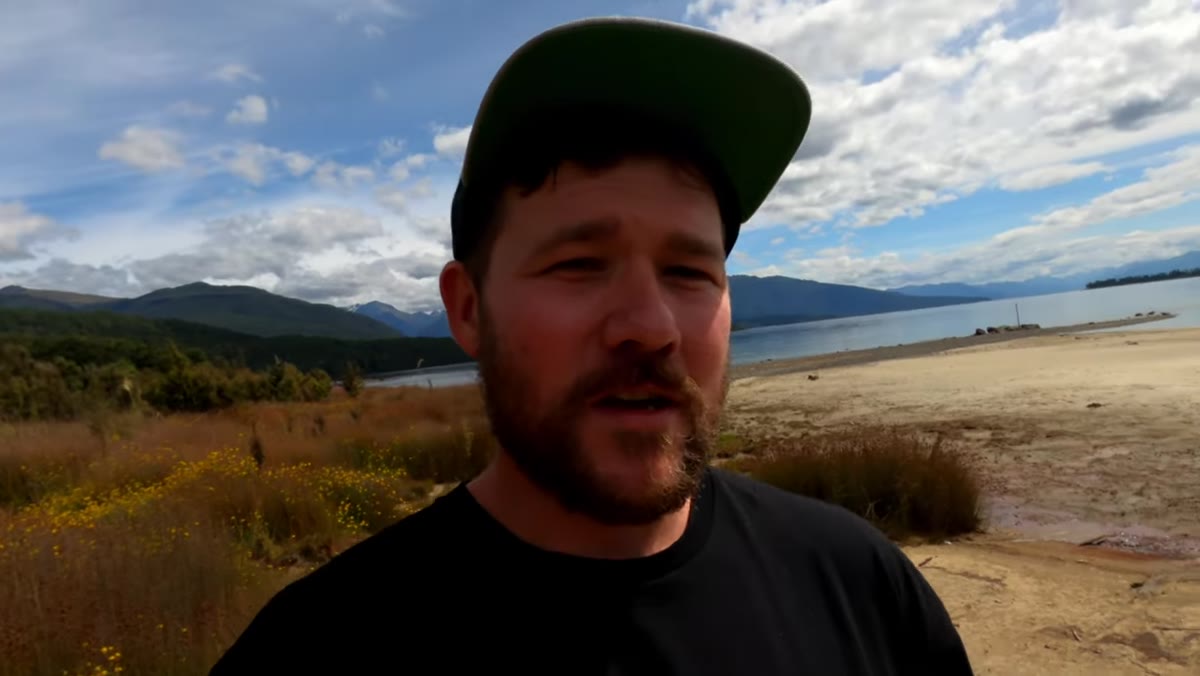
Harsh midday light is directional and high-contrast - it kills subtlety in a wide landscape but can actually reveal texture in close subjects. Sand patterns, bark, lichen, water ripples: these all benefit from a light source that rakes across their surface. Patino isn’t trying to work around the light so much as he’s selecting subjects that suit it. That’s a different posture than waiting for golden hour.
Patino describing harsh midday conditions at the lakefront
Harsh midday light is directional and high-contrast - it kills subtlety in a wide landscape but can actually reveal texture in close subjects. Sand patterns, bark, lichen, water ripples: these all benefit from a light source that rakes across their surface. Patino isn’t trying to work around the light so much as he’s selecting subjects that suit it. That’s a different posture than waiting for golden hour.
No polarizer, no filters - Patino keeps it simple here and I think that’s the right call when you’re working intimate scenes. Filters add complexity and slow you down during exploratory shooting. Get the camera in your hands and stay responsive.
Step 3: Choose the Right Focal Length for Isolation
 Patino choosing between 100-400mm and 28-75mm lenses
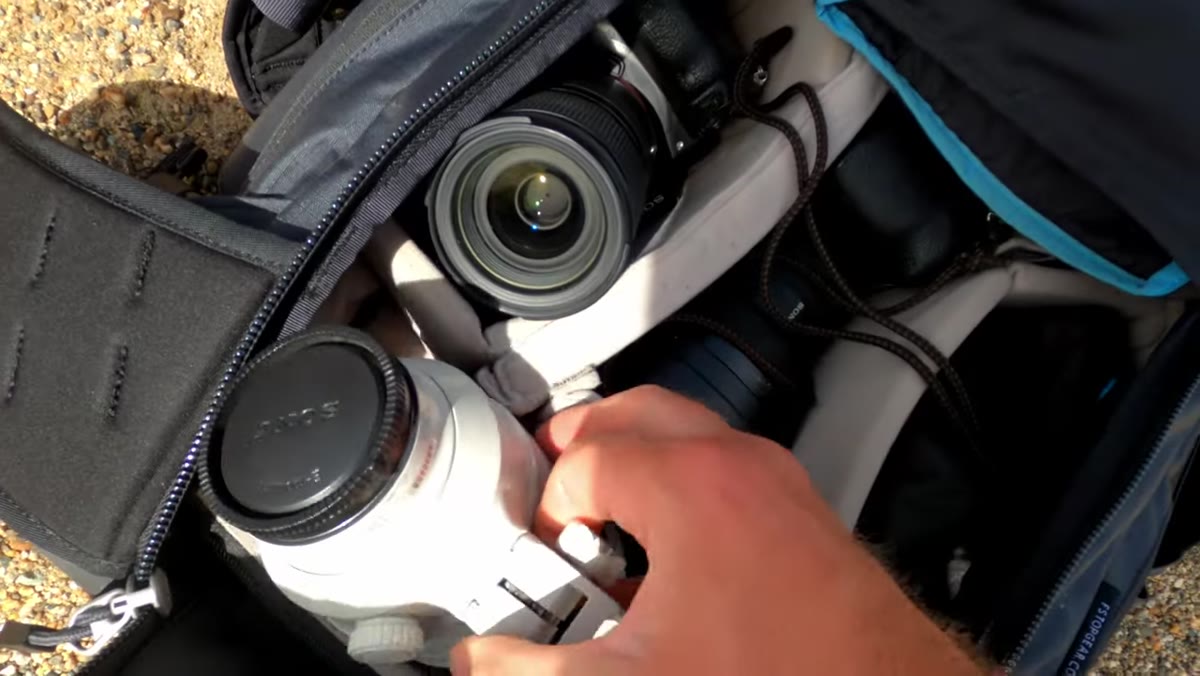
Wide angle lenses show relationships between things. Telephoto lenses eliminate them. For intimate landscape work, you almost always want compression and isolation, which means reaching for a mid-range to long zoom. Patino goes back and forth between a 28-75mm and a 100-400mm depending on how tightly he wants to isolate a subject.
Patino choosing between 100-400mm and 28-75mm lenses
Wide angle lenses show relationships between things. Telephoto lenses eliminate them. For intimate landscape work, you almost always want compression and isolation, which means reaching for a mid-range to long zoom. Patino goes back and forth between a 28-75mm and a 100-400mm depending on how tightly he wants to isolate a subject.
My own default for this kind of work is something in the 70-200mm range. It’s long enough to flatten depth and pull a detail away from a messy background, but not so long that you’re hunting for subjects from twenty meters back. If you only have a kit zoom, use the long end. 55mm or 85mm on an APS-C sensor will get you partway there.
Step 4: Get Low and Explore Inch by Inch
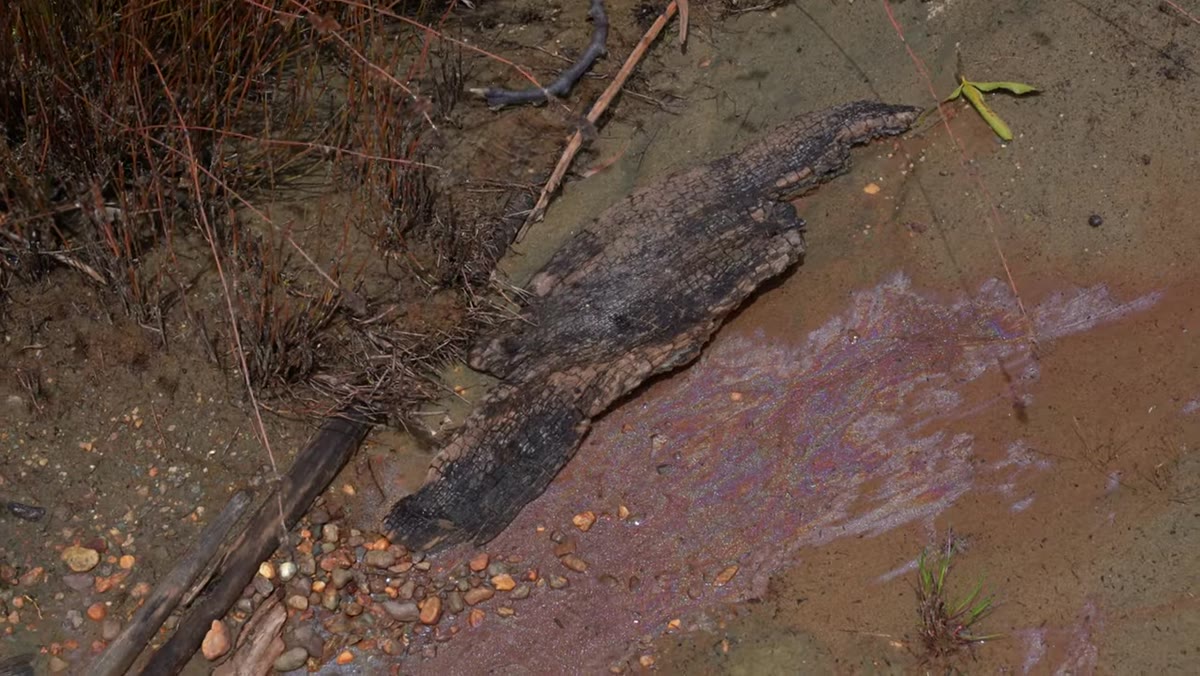 Patino looking down at sand textures and lake edge
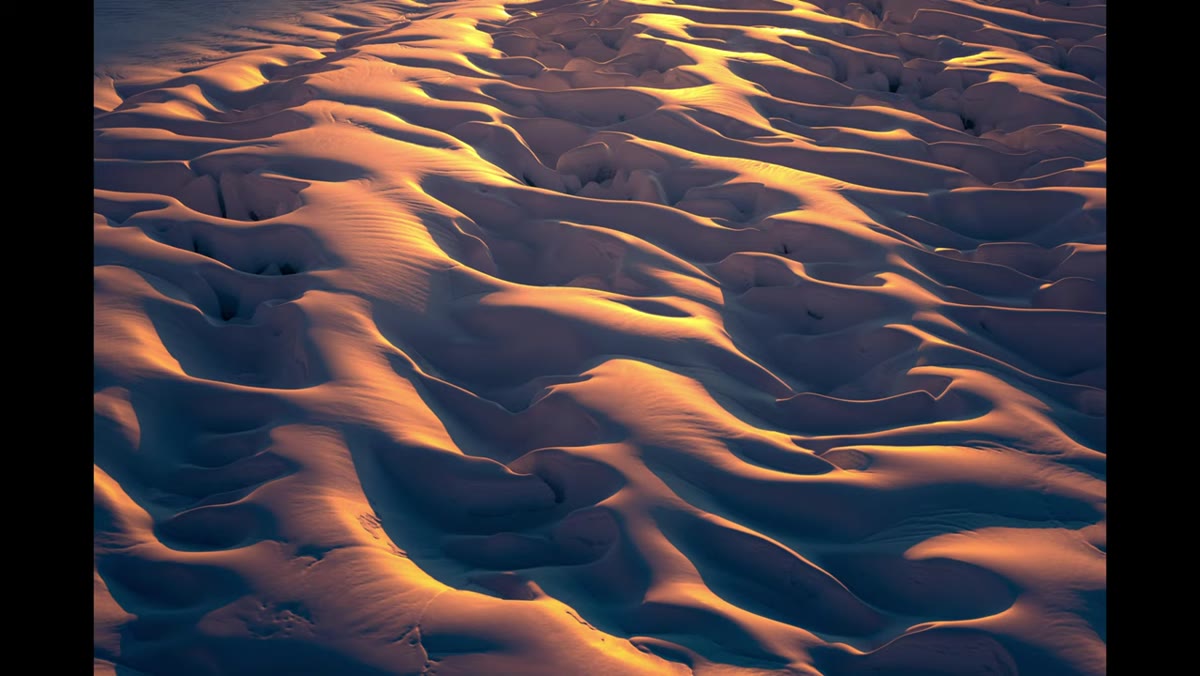
Patino’s phrase for the approach is “analyzing the landscape inch by inch” and that’s exactly right. Intimate nature photography rewards physical engagement with a location. Get your knees dirty. Change your angle. A patch of sand that looks unremarkable from standing height can have extraordinary ripple patterns when you get your lens down to six inches off the ground.
Patino looking down at sand textures and lake edge
Patino’s phrase for the approach is “analyzing the landscape inch by inch” and that’s exactly right. Intimate nature photography rewards physical engagement with a location. Get your knees dirty. Change your angle. A patch of sand that looks unremarkable from standing height can have extraordinary ripple patterns when you get your lens down to six inches off the ground.
Movement matters here. Don’t plant yourself and wait for something to happen - cover the ground systematically. Look for repeating patterns, leading lines within a small area, contrast between organic shapes and geometric ones. The subject is almost always something you have to find rather than something that announces itself.
Step 5: Isolate the Scene Within the Scene
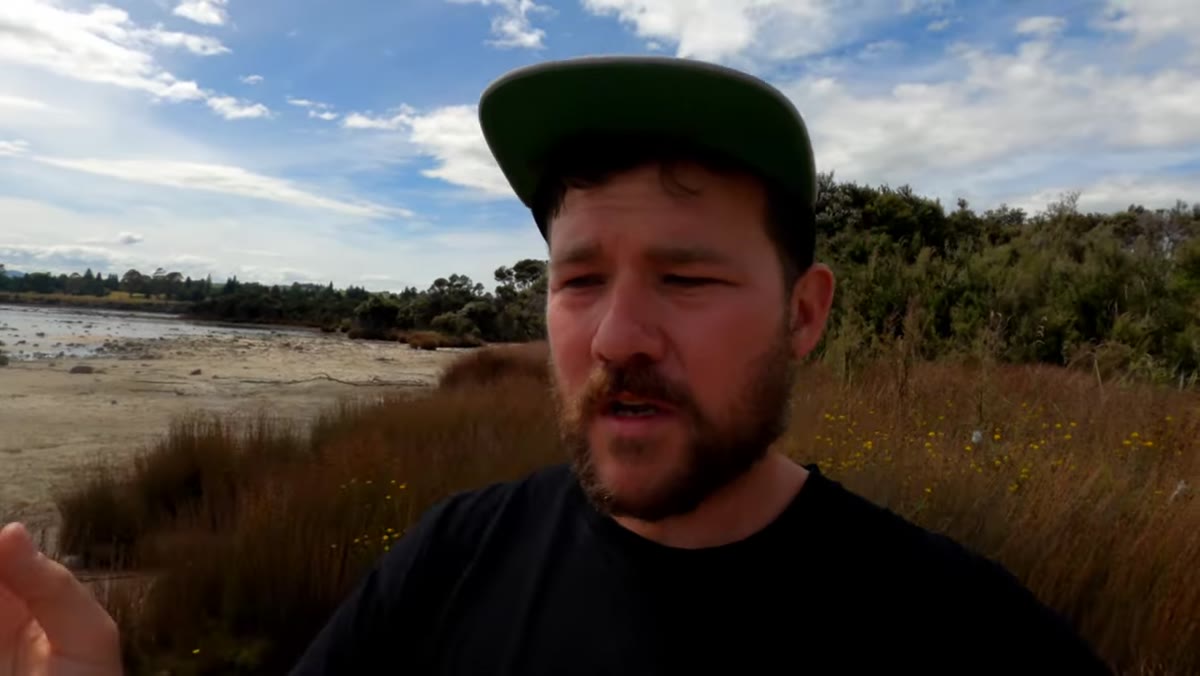 Patino framing detail shots within the larger lakefront location
Patino’s clearest piece of advice is this: you’re photographing the scene within the grand scene. The lakefront is the location. The iridescent sheen on six square feet of shoreline is the photograph. These are different things, and the ability to find the second inside the first is the actual skill being developed here.
Patino framing detail shots within the larger lakefront location
Patino’s clearest piece of advice is this: you’re photographing the scene within the grand scene. The lakefront is the location. The iridescent sheen on six square feet of shoreline is the photograph. These are different things, and the ability to find the second inside the first is the actual skill being developed here.
Composition rules still apply - look for a clear subject, a sense of depth if possible, and something that gives the frame a reason to exist beyond simple documentation. But because you’re working tight, the margin for error on framing is smaller. Take more frames than you think you need and review them critically before moving on.
A Note from Twenty Years of Doing This
I want to add one thing Patino doesn’t explicitly cover, which is the value of returning to the same intimate location across seasons. I have a small basalt outcrop near Bend that I’ve photographed in snow, in summer drought, and in the brief wet window after autumn rain. The same ten square feet yields completely different images depending on moisture, lichen growth, and light angle. Intimate photography isn’t just a fallback for bad weather - it builds a long-term relationship with a place that grand landscape work rarely allows. My mentor used to say that the mountain doesn’t care about your schedule, and he was right. But a patch of moss will show you something new every single time if you keep showing up.
The single most important shift this tutorial asks you to make is accepting that a productive photography session doesn’t require a dramatic location or perfect light. It requires curiosity and a willingness to look closely at what’s already in front of you. That’s the technique, and it’s available anywhere.
Watch the full tutorial on YouTube - Patino also offers raw files from the shoot in the video description, which makes it an especially useful reference for processing intimate landscape work.
Comments (1)
The tip about shooting intimate landscapes i was the missing piece for me. Thank you.
Leave a Comment