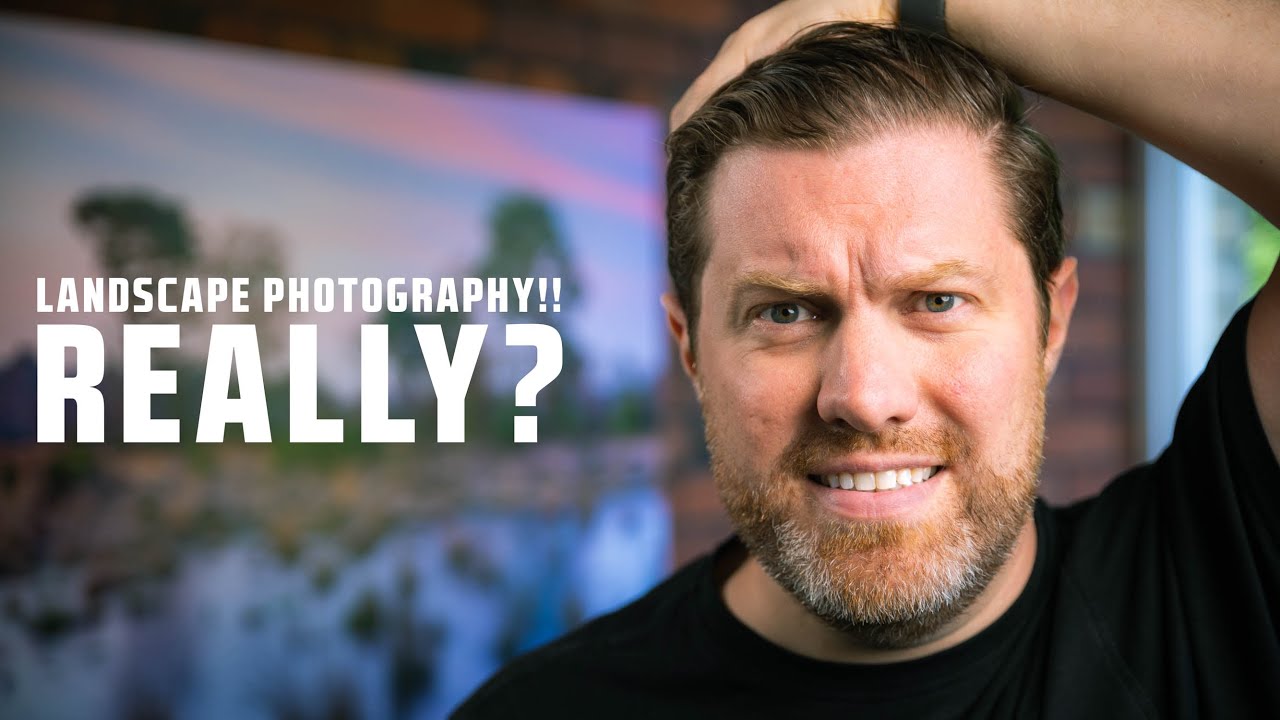
There are mornings when the alarm would go off at 3:45 and I’d already be awake, coffee in hand, checking wind speed for the third time in an hour. And then there are mornings when I sit on the tailgate of my truck in the dark, wondering why I keep doing this to myself. Twenty years of shooting landscapes in the American West has given me both kinds of mornings in roughly equal measure. That tension, between the pull of the land and the genuine grind of the work, is something most photographers don’t talk about honestly enough.
That’s why a recent video from First Man Photography landed so squarely for me. In this First Man Photography tutorial, the creator walks through five of the worst things about landscape photography alongside five of the best, and the result is one of the more honest conversations I’ve seen about why we keep showing up. What follows is my own expansion on that framework, filtered through two decades of pre-dawn drives, ruined forecasts, and a lucky hat I’ve never once left at home.
Step 1: Acknowledge the People Problem
 Photographer describing crowded car parks and busy locations
The first frustration the video names is people, and if you’ve ever arrived at a well-known overlook to find forty other photographers already set up, you know exactly what that deflation feels like. The issue isn’t that people are bad. It’s that landscape photography, at its core, is about making a quiet, personal connection with a place. A packed trail breaks that spell before you’ve even unpacked your tripod.
Photographer describing crowded car parks and busy locations
The first frustration the video names is people, and if you’ve ever arrived at a well-known overlook to find forty other photographers already set up, you know exactly what that deflation feels like. The issue isn’t that people are bad. It’s that landscape photography, at its core, is about making a quiet, personal connection with a place. A packed trail breaks that spell before you’ve even unpacked your tripod.
The practical fix I’ve landed on over the years is simple: go earlier or go further. Most casual visitors won’t hike more than a mile from the trailhead, and almost nobody is on location ninety minutes before civil twilight. If you’re still finding crowds at a genuinely iconic spot, start scouting less-photographed angles on apps like Gaia GPS or CalTopo. The composition nobody else is standing at is almost always more interesting anyway.
Step 2: Stop Fearing the Weather, Start Reading It
 Creator discussing weather obsession and wind as the real enemy
The video’s second frustration is weather, specifically the way serious landscape photographers become amateur meteorologists that nobody wants to sit next to at dinner. I’ve been guilty of this. My kids have heard more about orographic lift and the jet stream than any reasonable child should. But the deeper point the video makes is worth sitting with: most dramatic weather makes for dramatic images. Rain, snow, fog, mist, all of it is usable. Wind is the exception.
Creator discussing weather obsession and wind as the real enemy
The video’s second frustration is weather, specifically the way serious landscape photographers become amateur meteorologists that nobody wants to sit next to at dinner. I’ve been guilty of this. My kids have heard more about orographic lift and the jet stream than any reasonable child should. But the deeper point the video makes is worth sitting with: most dramatic weather makes for dramatic images. Rain, snow, fog, mist, all of it is usable. Wind is the exception.
Wind is the one weather element that actively fights you. It blurs long exposures through camera shake even on a solid tripod, it erases the glassy water reflections you drove three hours to capture, and at elevation it just wears you down physically. When I’m checking forecasts the night before a shoot, wind speed is the number I look at first. I use Windy.com for detailed elevation-specific forecasts, and I’ve learned to treat anything above 15 mph at location as a serious reconsideration. A mentor once told me the mountain doesn’t care about your schedule, and I’ve never found a better argument for staying home when the wind is up.
Step 3: Reframe Fatigue as a Filter
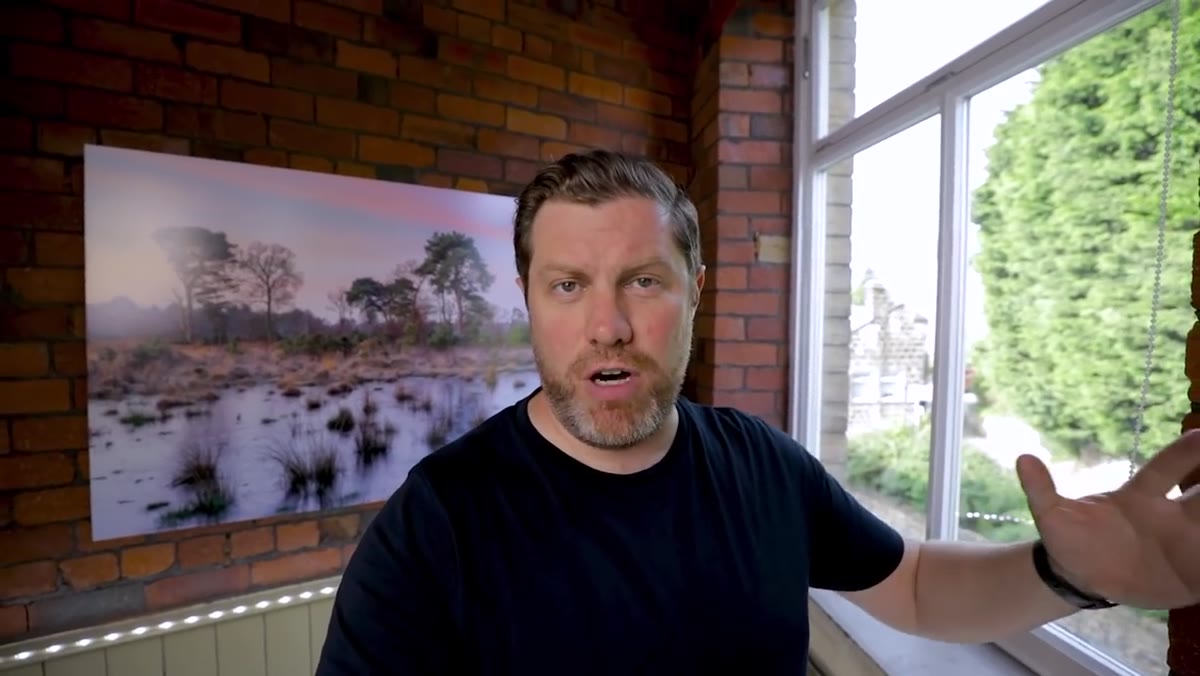 Creator describing photographer’s block and creative fatigue
The video opens with something most photographers quietly feel but rarely say out loud: creative block, frustration, and the sense that the inspiration other people see in your work is nowhere near what you actually feel making it. This is real, and pretending it isn’t doesn’t help.
Creator describing photographer’s block and creative fatigue
The video opens with something most photographers quietly feel but rarely say out loud: creative block, frustration, and the sense that the inspiration other people see in your work is nowhere near what you actually feel making it. This is real, and pretending it isn’t doesn’t help.
What I’ve come to understand is that fatigue usually means something specific needs to change, not that you’re done. Sometimes it’s a location you’ve visited too many times. Sometimes it’s a format problem, and I’ll go back to shooting film for a week just to force myself to think before pressing the shutter. When you have twelve frames on a roll instead of twelve hundred on a card, every decision slows down and sharpens up. The frustration doesn’t disappear, but it becomes productive.
Step 4: Lean Into the Best of It - Solitude and Presence
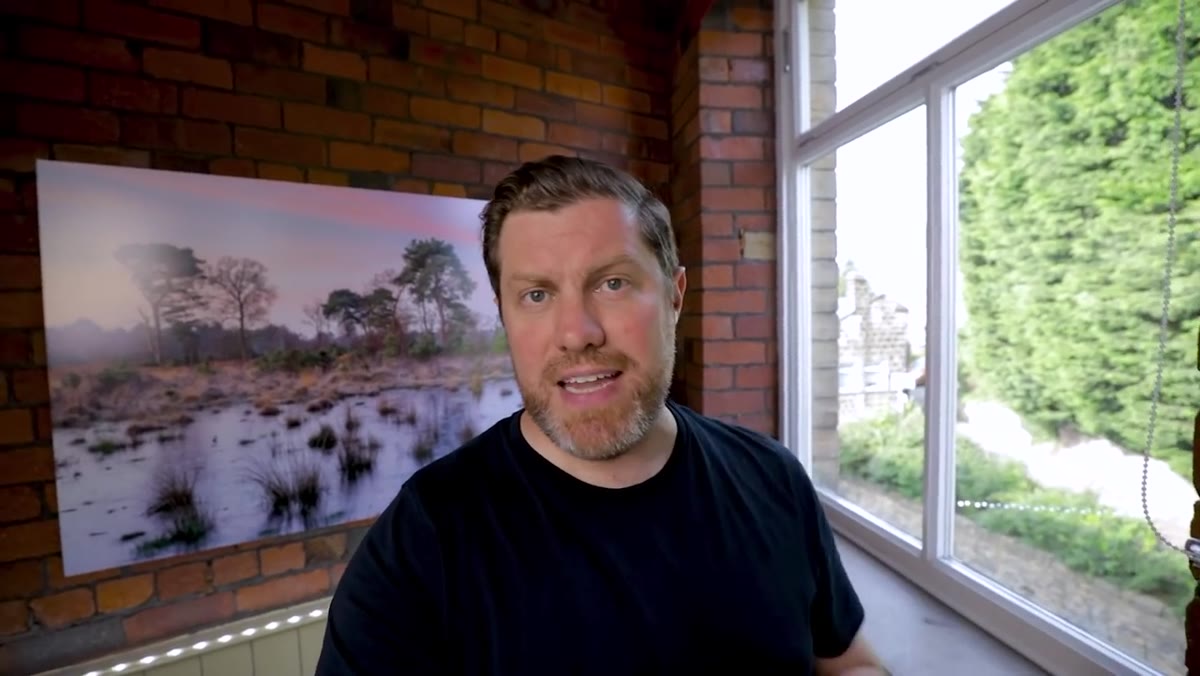 Creator reflecting on why he continues to do landscape photography
After laying out the frustrations, the video pivots to what keeps landscape photographers coming back, and the first thing is the quality of solitude and presence that the work demands. You cannot make good landscape images while distracted. The practice requires you to slow down, read light, feel a place, and wait. That enforced attention is increasingly rare in daily life, and it’s worth a lot.
Creator reflecting on why he continues to do landscape photography
After laying out the frustrations, the video pivots to what keeps landscape photographers coming back, and the first thing is the quality of solitude and presence that the work demands. You cannot make good landscape images while distracted. The practice requires you to slow down, read light, feel a place, and wait. That enforced attention is increasingly rare in daily life, and it’s worth a lot.
I’ve stood in a freezing river at first light in the Cascades and felt more awake than I do at any other point in my week. My kids think it’s crazy. Occasionally they come along, and they always end up staying longer than they planned. There’s something about being genuinely present in a landscape that resets something in a person. The photography is almost secondary to the being-there, and the best landscape photographers I know understand that distinction.
Step 5: Let the Hard Days Teach You
 Creator discussing times when landscape photography doesn’t go right
The video is honest that landscape photography doesn’t often go right. Conditions shift, forecasts lie, compositions that looked perfect on the map are blocked by new growth or erosion. The question is what you do with that.
Creator discussing times when landscape photography doesn’t go right
The video is honest that landscape photography doesn’t often go right. Conditions shift, forecasts lie, compositions that looked perfect on the map are blocked by new growth or erosion. The question is what you do with that.
I once drove six hours out to the Oregon coast expecting a specific swell pattern and a clearing storm front. What I got was two days of flat grey fog and nothing moving. I almost left after day one. On day two I walked the same stretch of beach I’d walked a dozen times and found one angle, one moment of diffuse light through the murk, and one exposure that somehow held together. That image is my best-selling print. The trip I nearly wrote off became the trip that mattered most. The difficult sessions are where your eye sharpens, because you can’t fall back on spectacular conditions doing the work for you.
What I’d Add From the Field
The video covers both sides of the ledger with real candor, but there’s one thing I’d layer on top: the relationship between expectation and experience is the actual thing you’re managing as a landscape photographer. Every frustration in the video, crowds, weather, fatigue, a bad day, traces back to a gap between what you expected and what you found. The photographers I’ve watched grow fastest are the ones who arrive with a plan but hold it loosely. They treat the location as a conversation, not a transaction.
That flexibility is a skill you build deliberately. I practice it by leaving the shot list in the truck sometimes and just walking for the first thirty minutes, no camera in hand. Let the place tell you what it has before you decide what you came for.
The single most important thing this video reminded me is that the frustrations and the rewards are inseparable. You don’t get the solitude without the crowds showing up occasionally to remind you why you seek it. You don’t get the dramatic light without the wind and the weather that produces it. The hard parts aren’t obstacles to landscape photography. They are landscape photography.
Watch the full tutorial on YouTube and hear the First Man Photography take on this directly. It’s a grounded, honest conversation worth your time.
Comments (1)
Love how you break down complex stuff into manageable steps.
Leave a Comment