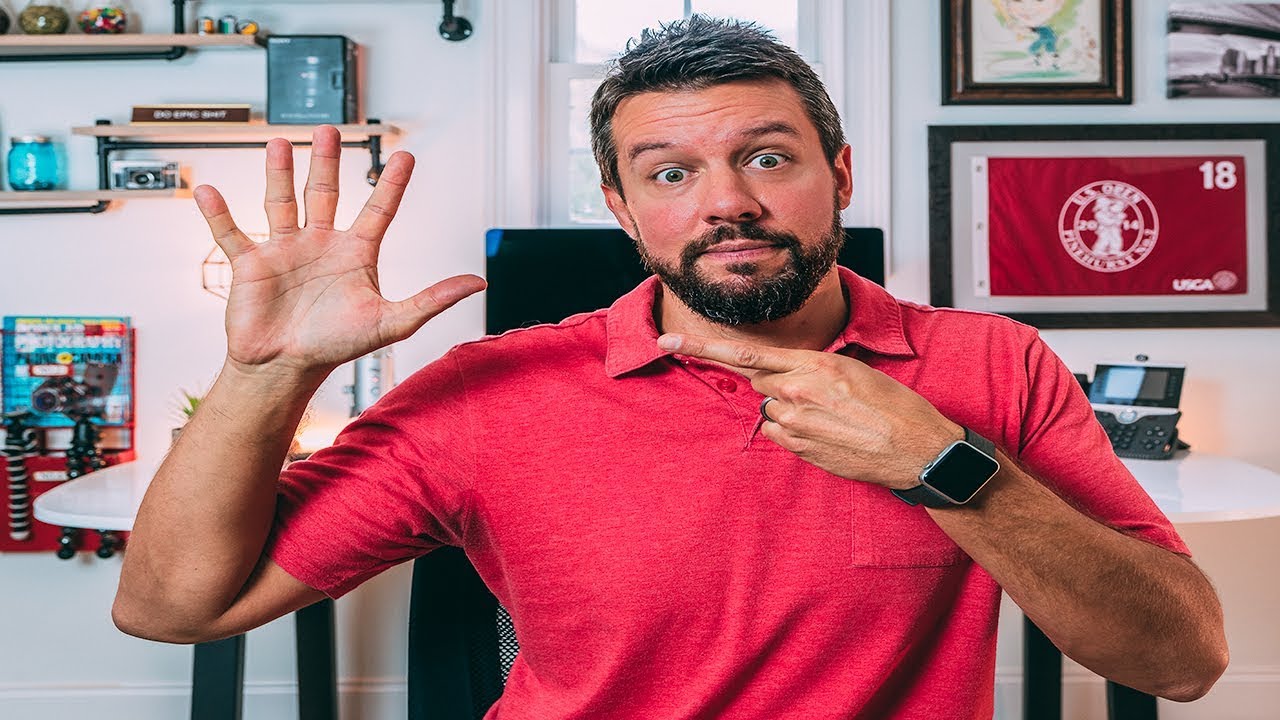
There’s a particular kind of rut that sneaks up on you quietly. You stop setting the alarm. You tell yourself the light won’t be good anyway. The camera sits on the shelf for two weeks, then a month. I’ve been shooting landscapes full-time for two decades, and I still fall into it. The antidote, more often than not, isn’t a new lens or a better editing preset. It’s other people who care as much as you do.
That’s the core argument in this Watch the full tutorial on YouTube from Mark Denney, who breaks down five concrete reasons to attend a landscape photography workshop after returning from the Out of Acadia Photography Conference in Maine. Denney shoots alongside some of the best in the field regularly, and rather than just share highlight images from the trip, he took the time to reflect on what actually changed in him because of it. That kind of honest reflection is worth paying attention to.
I want to walk through each of his five points, but I’m going to add the perspective of someone who also runs workshops out of Central Oregon. Some of what Denney says I’ve told my own participants for years. A couple of things he articulates better than I ever have.
Step 1: Use a Workshop to Reignite Your Passion
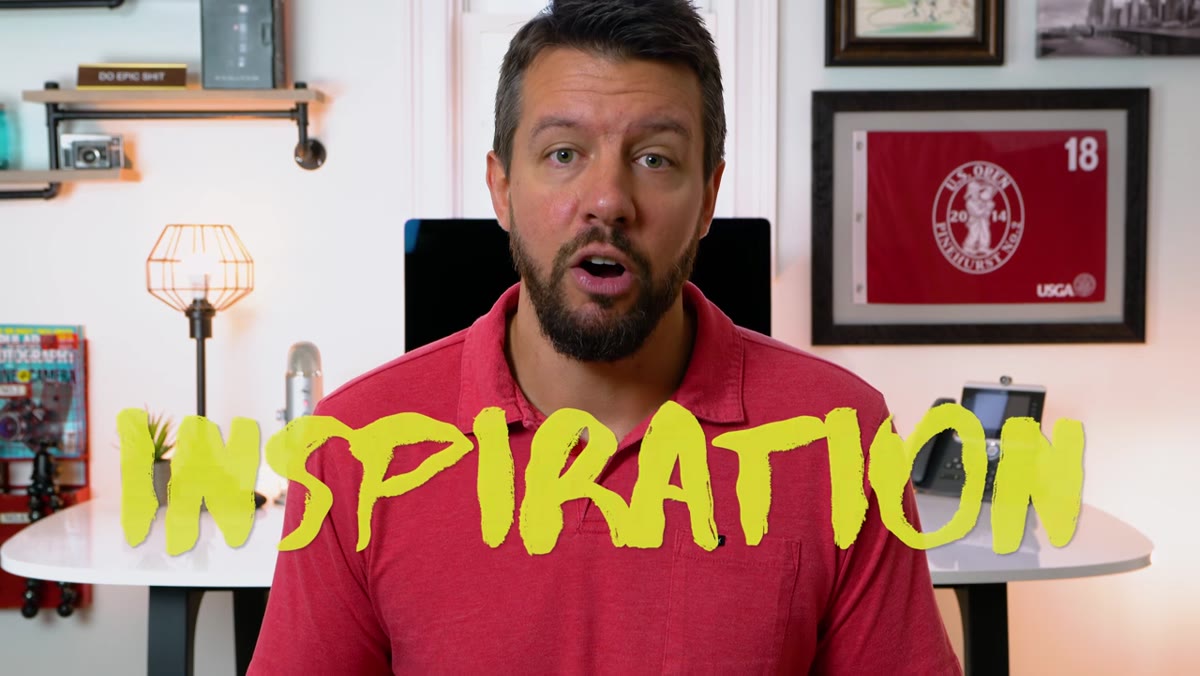 Mark Denney describing the feeling of creative burnout
Denney is refreshingly direct here. Photography gets stale sometimes. You go out, you come home, you look at the files, and nothing excites you. A few rounds of that and you stop going out altogether. It’s not laziness. It’s the natural result of working in isolation without enough creative friction or inspiration to push back against.
Mark Denney describing the feeling of creative burnout
Denney is refreshingly direct here. Photography gets stale sometimes. You go out, you come home, you look at the files, and nothing excites you. A few rounds of that and you stop going out altogether. It’s not laziness. It’s the natural result of working in isolation without enough creative friction or inspiration to push back against.
A workshop forces you into a new environment, usually a location you haven’t fully explored, with people who are genuinely fired up about the same thing you used to be fired up about. That energy is contagious in the best possible way. I’ve watched participants arrive on day one looking exhausted and leave four days later already planning their next solo trip.
Step 2: Embrace the Safety of a Group in Remote Locations
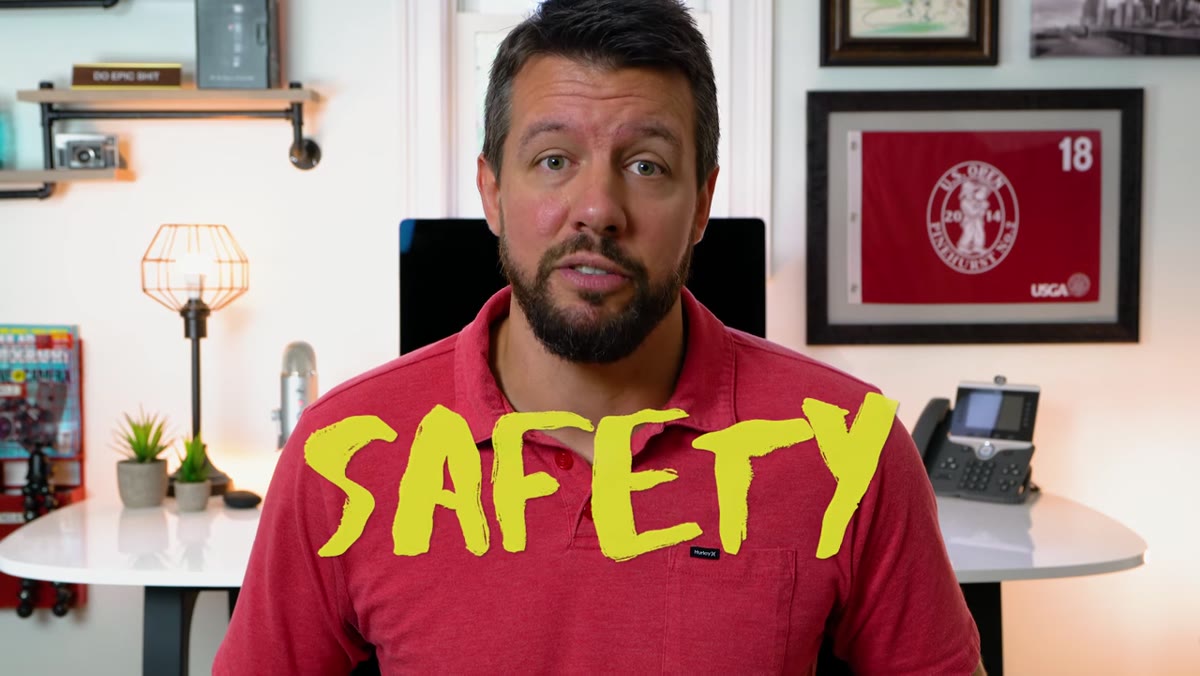 Discussing hiking to locations before sunrise in unfamiliar terrain
This one matters more than beginners expect. Landscape photography puts you in genuinely remote places at genuinely inconvenient hours. Pre-dawn hikes through unfamiliar trails, post-sunset walks back to the car in the dark with a tripod over your shoulder and mud on your boots. When you’re alone in those situations, a twisted ankle isn’t just uncomfortable. It’s a problem.
Discussing hiking to locations before sunrise in unfamiliar terrain
This one matters more than beginners expect. Landscape photography puts you in genuinely remote places at genuinely inconvenient hours. Pre-dawn hikes through unfamiliar trails, post-sunset walks back to the car in the dark with a tripod over your shoulder and mud on your boots. When you’re alone in those situations, a twisted ankle isn’t just uncomfortable. It’s a problem.
Denney mentions the low-level anxiety that comes with being the only person in the woods at 4:30 in the morning. I know that feeling well. Shooting with a group doesn’t eliminate the wilderness. It just means there’s someone else who knows where you are. Workshops normalize this kind of field access, and you’ll find yourself going to places solo afterward that you never would have attempted before.
Step 3: Build Friendships That Last Beyond the Trip
 Mark reflecting on the bonds formed during multi-day workshop experiences
The bonds that form when you’re waking at 3am together, sharing a cold thermos of coffee on a boulder, and watching the same light break across the same mountain, those don’t dissolve when you get home. Denney describes the relationships built on a single four-day trip as ones that will likely last a lifetime. I think he’s right.
Mark reflecting on the bonds formed during multi-day workshop experiences
The bonds that form when you’re waking at 3am together, sharing a cold thermos of coffee on a boulder, and watching the same light break across the same mountain, those don’t dissolve when you get home. Denney describes the relationships built on a single four-day trip as ones that will likely last a lifetime. I think he’s right.
Photography can be a solitary pursuit by nature, which is part of its appeal. But isolation compounds over time, and without other people to share the work with, critique it, and celebrate it, the motivation to keep pushing gets harder to sustain. The friendships you build at workshops become part of your ongoing support system as a photographer.
Step 4: Ask the Questions You Didn’t Know You Had
 Denney recounting a specific histogram question answered in the field
This is the one I’d highlight for anyone skeptical about whether a workshop is worth the cost. Denney describes standing on Boulder Beach with a question about his RGB histogram channels, a very specific technical issue that only surfaced because of the exact light and conditions in front of him in that moment. A working professional was right there to answer it.
Denney recounting a specific histogram question answered in the field
This is the one I’d highlight for anyone skeptical about whether a workshop is worth the cost. Denney describes standing on Boulder Beach with a question about his RGB histogram channels, a very specific technical issue that only surfaced because of the exact light and conditions in front of him in that moment. A working professional was right there to answer it.
You cannot replicate that in a forum post or a YouTube comment. The in-context, in-the-field feedback loop is the most efficient way to learn this craft because the problem and the solution exist simultaneously. I’ve seen this happen hundreds of times in my own workshops: someone asks a question they couldn’t have pre-written, and the answer changes how they shoot for the rest of their career. Write down those moments. They’re the ones that stick.
Step 5: Build the Confidence to Trust Your Own Vision
 Denney discussing confidence as the most important workshop takeaway
Denney lands on confidence as his final and most significant reason, and I’d put it first if I were restructuring the list. Lack of confidence is the root cause of most of the other problems. It’s why you stop setting the alarm. It’s why you don’t hike to the remote overlook alone. It’s why you second-guess every composition before you even press the shutter.
Denney discussing confidence as the most important workshop takeaway
Denney lands on confidence as his final and most significant reason, and I’d put it first if I were restructuring the list. Lack of confidence is the root cause of most of the other problems. It’s why you stop setting the alarm. It’s why you don’t hike to the remote overlook alone. It’s why you second-guess every composition before you even press the shutter.
Workshops build confidence through repetition, exposure to other people’s process, and the simple act of being encouraged by someone whose work you respect. You see that they also have bad mornings. You see that great photographers also delete most of their frames. The mystique dissolves, and what’s left is the work itself.
What I’d Add From Two Decades in the Field
The one thing Denney doesn’t mention, probably because the video stays focused on the participant’s experience, is how much instructors get out of workshops too. Every trip I lead teaches me something. Participants ask questions I’ve stopped asking myself because I’ve automated the answers. That forces me to examine my own assumptions.
If you’re considering attending a workshop as a participant, I’d suggest treating it less like a class and more like a field expedition with more experienced partners. Come with curiosity. Don’t perform expertise you don’t yet have. The photographers leading these things have seen every skill level, and the ones worth learning from respect the beginner’s honesty far more than the intermediate shooter’s bluffing.
One practical note: I still occasionally shoot a roll of film on workshop days when the digital work is going well. Not for the images themselves, but because it slows me down and forces me to think before pressing the shutter. That kind of deliberate pace is exactly what workshop environments encourage, even when everyone has a mirrorless body in hand.
The single most important thing Denney’s tutorial clarified for me is that workshops aren’t remedial. They’re not for photographers who are struggling. They’re for photographers who are serious. The people who attend are already committed. They just want to get better, faster, and in good company.
Watch the full tutorial on YouTube and hear Denney walk through all five reasons in his own words. His post-trip reflection is honest, specific, and worth 15 minutes of your afternoon.
Comments
Leave a Comment