The Art of Capturing Water in Motion: Mastering Waterfall Photography

The Art of Capturing Water in Motion: Mastering Waterfall Photography

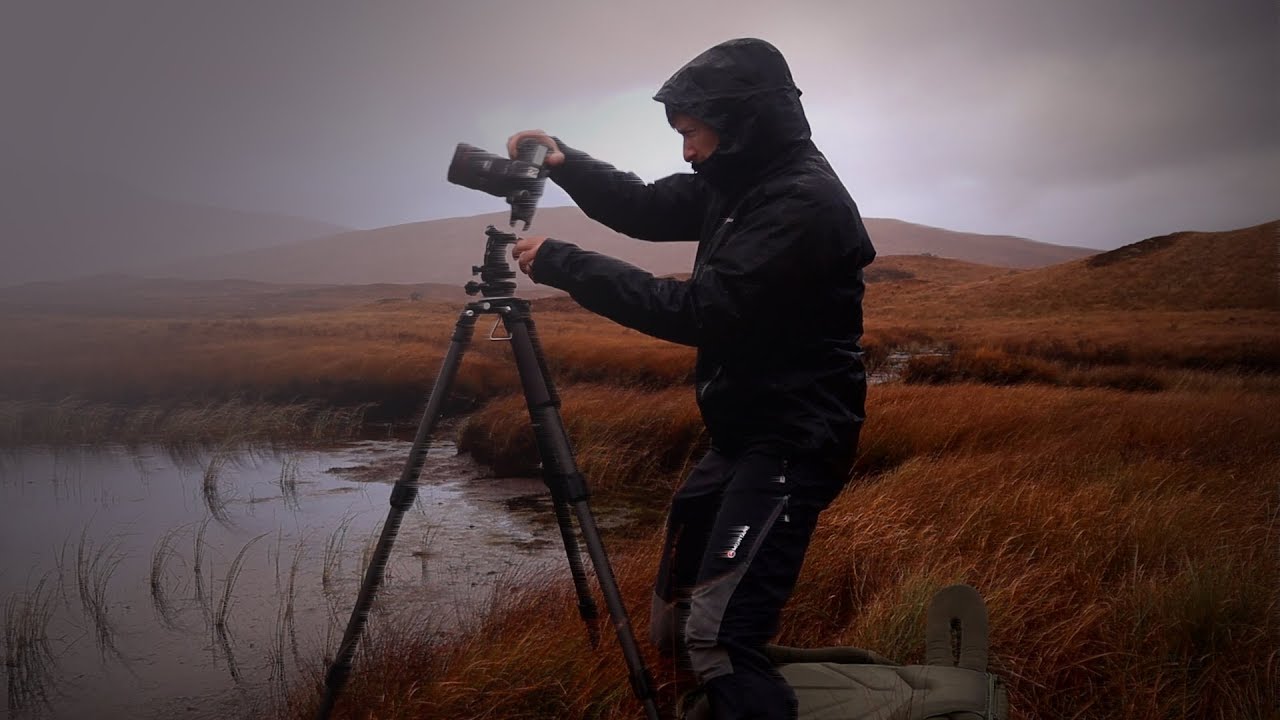
I’ve spent countless mornings standing before waterfalls with water misting my lens, learning through trial and error what separates a flat snapshot from an image that conveys the raw power and grace of moving water. Waterfall photography demands patience, technical precision, and an understanding of how light and motion interact. It’s not complicated, but it does require intention. Understanding Long Exposure The silky, ethereal quality you see in great waterfall images comes from one thing: time.

The Art and Craft of Landscape Panoramas: Creating Vistas That Transcend the Frame

The Art and Craft of Landscape Panoramas: Creating Vistas That Transcend the Frame

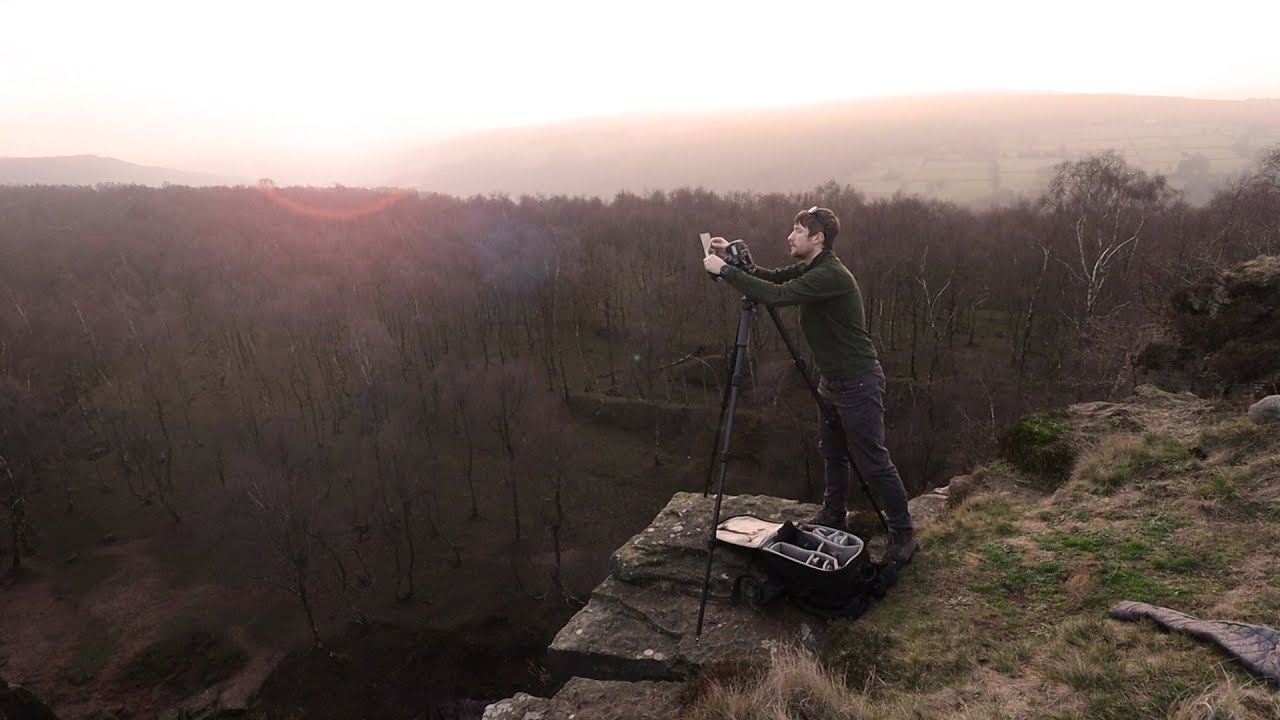
The Art and Craft of Landscape Panoramas: Creating Vistas That Transcend the Wild There’s a moment that arrives at certain locations—standing on a ridge at dawn, or at the edge of a canyon in that golden hour—when the view simply refuses to fit inside a single frame. The landscape demands to be seen in its full, sweeping grandeur. This is when I reach for the panorama technique, and I’ve learned that a successful pano isn’t about gadgetry or software tricks.

Nigel Danson's 5 Composition Techniques That Actually Work

Nigel Danson's 5 Composition Techniques That Actually Work

Composition advice is everywhere, and most of it says the same thing: rule of thirds, leading lines, put something interesting in the foreground. Nigel Danson’s latest video cuts through the noise by focusing on the five techniques that made the biggest measurable difference in his own work — not textbook theory, but field-tested approaches he returns to again and again. What I appreciate about Danson’s teaching style is the directness. He shows his own images, explains what compositional decision he made and why, and doesn’t dress it up with unnecessary jargon.

The Art of Minimalist Landscape Photography

The Art of Minimalist Landscape Photography

Minimalist landscape photography is the art of saying more with less. While traditional landscapes aim to capture the grandeur of a scene with as much detail as possible, minimalist landscapes reduce the scene to its essential elements — often just two or three visual components in a field of empty space. The Philosophy of Less Minimalism in photography isn’t about finding empty scenes. It’s about making compositional choices that eliminate everything non-essential.

Finding Light in the Woods: The Art and Craft of Forest Photography

Finding Light in the Woods: The Art and Craft of Forest Photography

Finding Light in the Woods: The Art and Craft of Forest Photography There’s a peculiar silence that settles over me when I’m deep in a forest with my camera. The light filters through the canopy in ways that seem impossible to translate to a sensor, and yet that impossibility is exactly why I keep returning to these places. Forest photography demands something different from us than open landscape work. You’re not capturing expansive vistas or dramatic skies—you’re hunting for relationships between layers, textures, and the elusive moments when light finds its way through dense vegetation.

Finding Balance: The Art of Landscape Composition

Finding Balance: The Art of Landscape Composition

Finding Balance: The Art of Landscape Composition I’ve spent countless mornings standing in damp grass, camera in hand, staring at a vista that moved me deeply—only to review the images later and feel disappointed. The scene was breathtaking in person, but something was missing from the frame. It took me years to understand that what I was struggling with wasn’t technical skill. It was composition. Composition is the invisible architecture of a photograph.

Finding Balance in the Frame: The Art of Landscape Composition

Finding Balance in the Frame: The Art of Landscape Composition

Finding Balance in the Frame: The Art of Landscape Composition I’ve spent countless mornings standing in frost-covered fields, watching light transform an ordinary hillside into something extraordinary. But I’ve learned that even the most beautiful light can’t save a poorly composed image. The strongest landscape photographs balance technical skill with intentional visual structure—and that structure begins long before you press the shutter. The Three-Layer Approach When I arrive at a location, I resist the urge to immediately frame a shot.

Composition in Landscape Photography: Beyond the Rule of Thirds

Composition in Landscape Photography: Beyond the Rule of Thirds

The rule of thirds is where most photographers start learning composition, and there is nothing wrong with it. Placing your horizon on the upper or lower third line and positioning key elements at intersection points produces balanced, readable images. But staying there forever limits what your photographs can communicate. Here are the composition tools I use most often in the field, and how they work together. Leading Lines Lines guide the viewer’s eye through the frame.

Chasing the Horizon: Mastering Panoramic Photography in the Field

Chasing the Horizon: Mastering Panoramic Photography in the Field

Chasing the Horizon: Mastering Panoramic Photography in the Field There’s a moment that happens on certain mornings when I’m standing before a vista too grand for any single frame to contain. The light is perfect. The composition is screaming at me. But the landscape—it refuses to fit. This is when panoramas save me. Not as a gimmick, but as an honest way to translate what my eyes actually see. Over the years, I’ve learned that panoramic photography isn’t about technology.

Capturing the Soul of the Coast: Light, Timing, and Composition at the Water's Edge

Capturing the Soul of the Coast: Light, Timing, and Composition at the Water's Edge

Capturing the Soul of the Coast: Light, Timing, and Composition at the Water’s Edge I’ve spent countless dawn and dusk hours on rocky shores and sandy beaches, watching light transform water and stone into something that makes you hold your breath. Coastal photography isn’t about stumbling upon perfection—it’s about understanding the specific conditions that create it, then positioning yourself to be ready when they arrive. Understanding Coastal Light The coast offers light like nowhere else on land.

Capturing the Restless Edge: Mastering Coastal Photography

Capturing the Restless Edge: Mastering Coastal Photography

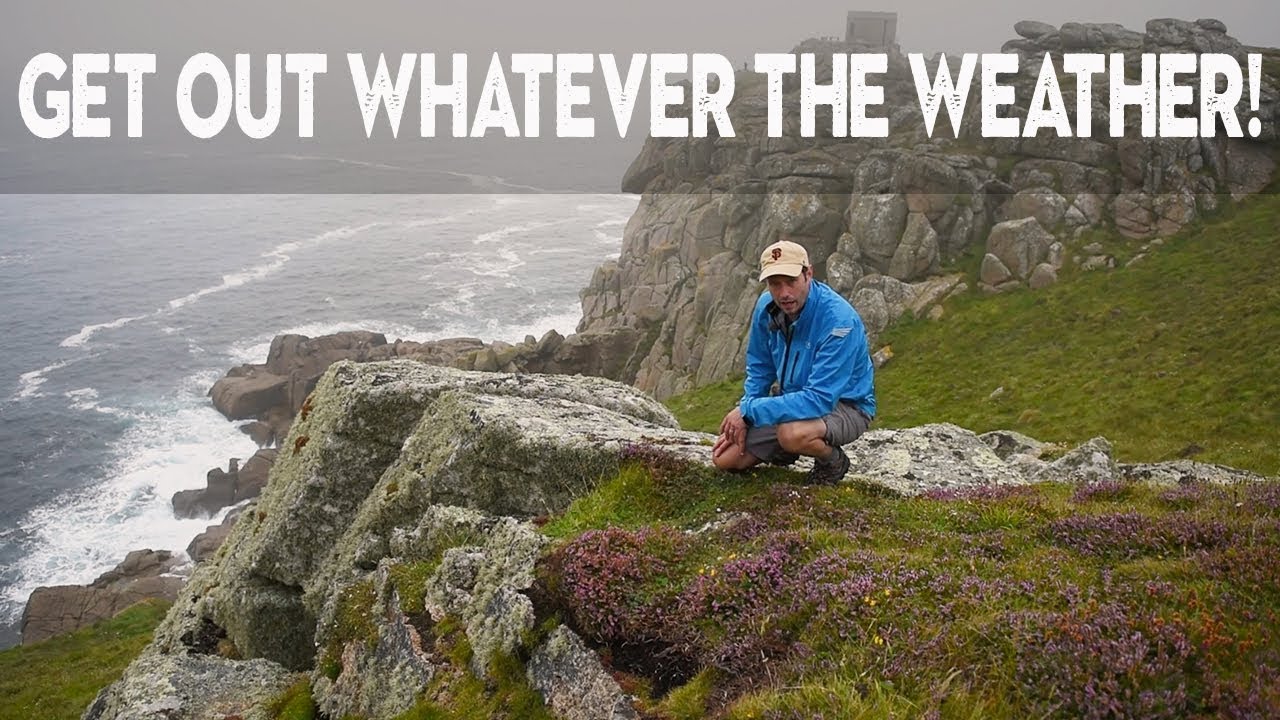
There’s something about standing at the edge of land and sea that shifts how you see light. After years of chasing golden hour along rocky shores and misty cliffs, I’ve learned that coastal photography demands a different kind of patience than inland work. The ocean won’t wait for your perfect moment—but if you understand its rhythms, you can anticipate them. Timing Around Tides and Light The coast is fundamentally about motion: waves, tides, and light changing by the minute.

Capturing the Coast: Light, Timing, and Technique for Coastal Photography

Capturing the Coast: Light, Timing, and Technique for Coastal Photography

Capturing the Coast: Light, Timing, and Technique for Coastal Photography There’s a particular kind of silence that settles over a coastline just before sunrise. I’ve learned to chase it—to arrive in darkness, set up my tripod on still-damp sand, and wait for that moment when the sky begins its transformation. This ritual has taught me more about coastal photography than any technical manual could. The coast is deceptive. It appears constant, unchanging, yet it’s perhaps the most dynamic landscape a photographer can work with.