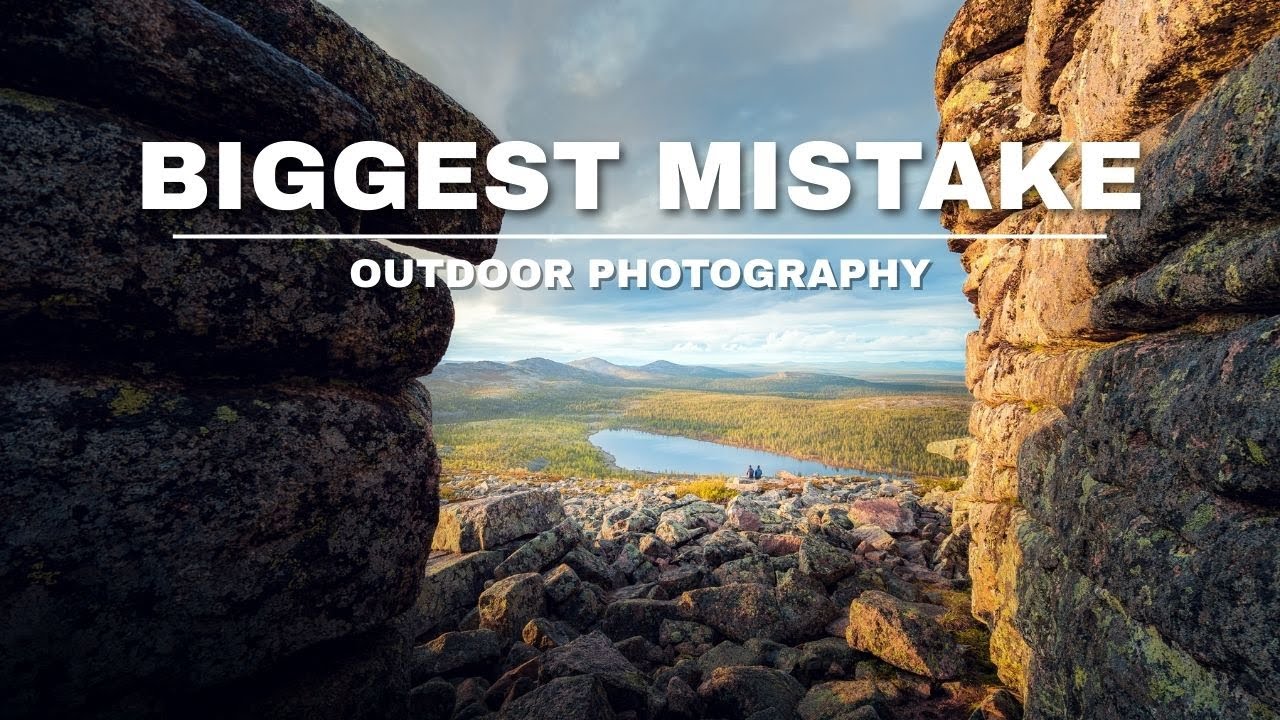
Why Your Landscape Photos Feel Cluttered (And the Simple Fix That Changes Everything)

Why Your Landscape Photos Feel Cluttered (And the Simple Fix That Changes Everything)

I’ve spent twenty years standing in cold rivers at first light, driving through the dark to catch a sunrise that may or may not show up, and staring at my own photos trying to figure out why some work and some simply don’t. After all that time in the field, I can tell you that the failure point for most outdoor images isn’t exposure or gear or even light. It’s something quieter and harder to name.
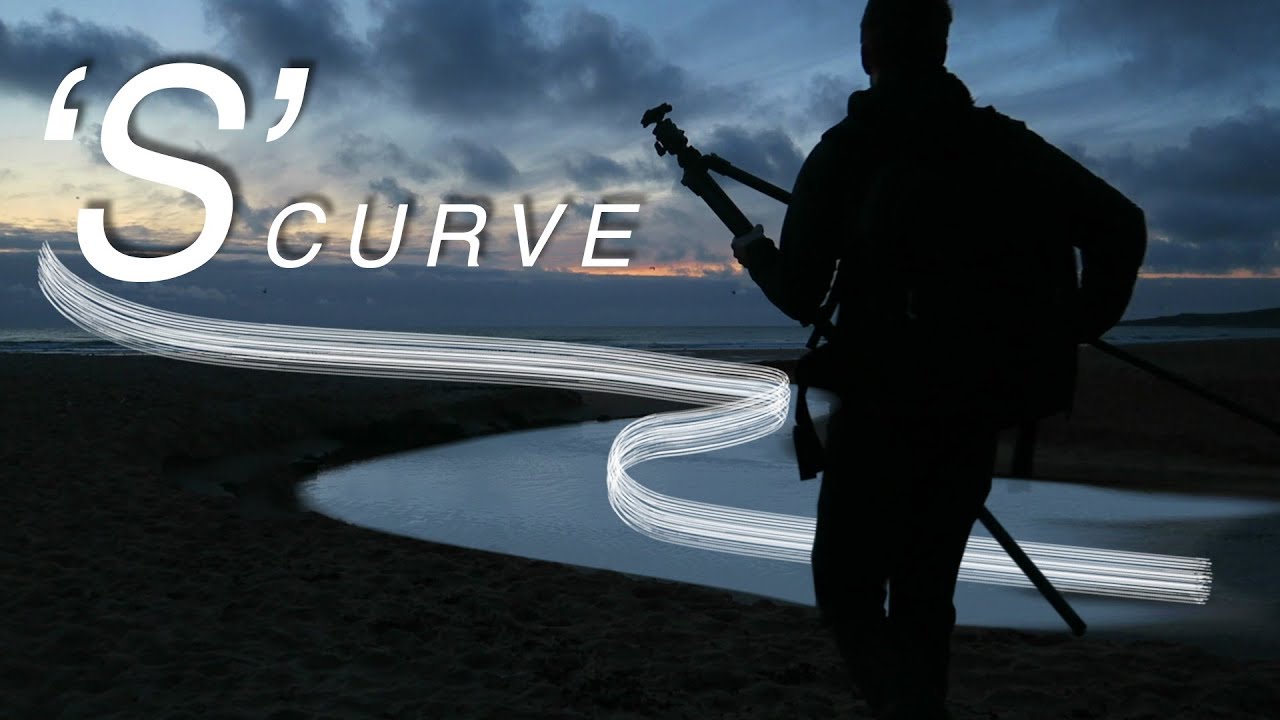
How to Find and Shoot an S-Curve Composition When the Light Fails You

How to Find and Shoot an S-Curve Composition When the Light Fails You

I’ve stood on enough beaches, ridgelines, and river banks at 4am to know that the light you planned for rarely shows up on time. Sometimes it doesn’t show up at all. After two decades of this, I’ve stopped treating a failed sunrise as a failed shoot. The question I ask now is: what does the scene still have? And more often than not, if I look at my feet instead of the sky, the answer is a strong lead-in line.

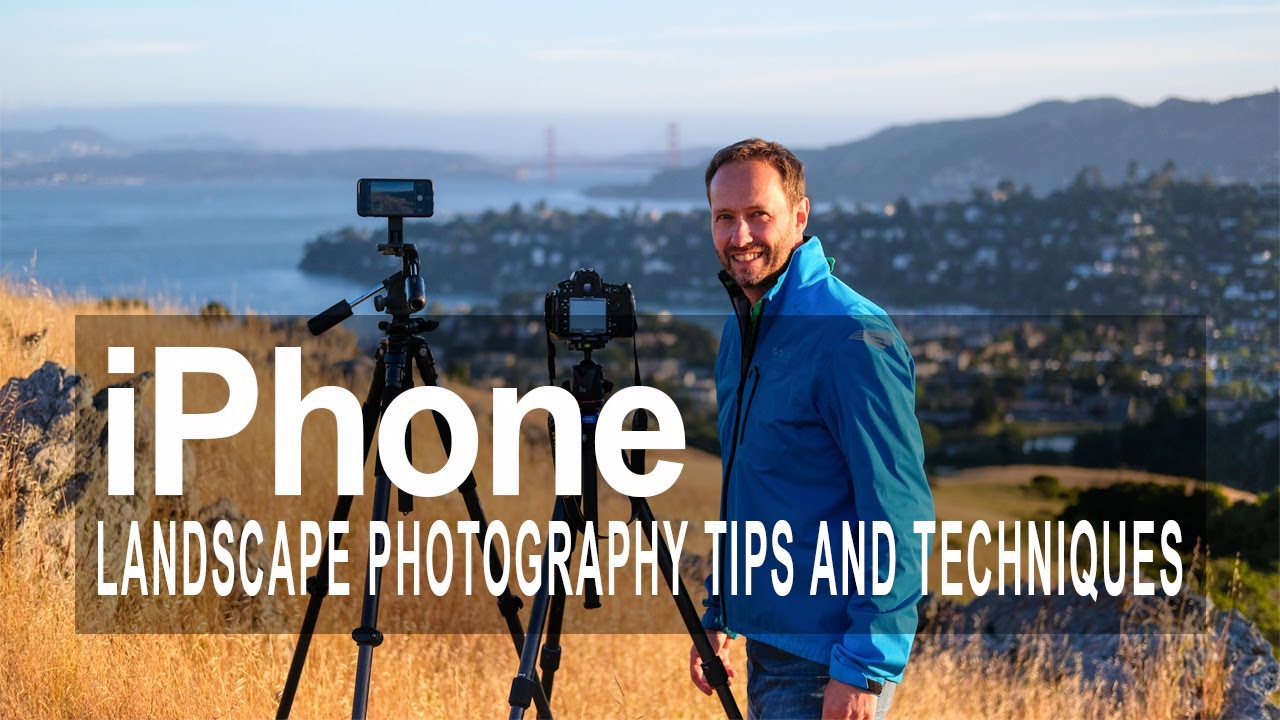
iPhone Landscape Photography: 5 Field-Tested Tips That Actually Hold Up

iPhone Landscape Photography: 5 Field-Tested Tips That Actually Hold Up

I’ll be honest with you. For a long time, I left my iPhone in my bag when I was out shooting. Twenty years of hauling full-frame gear up ridgelines before dawn will do that to you. The phone felt like a compromise, and I don’t compromise easily. Then one morning in the eastern Cascades, I’d left my Nikon in the truck and the light broke open in a way that made my chest hurt.

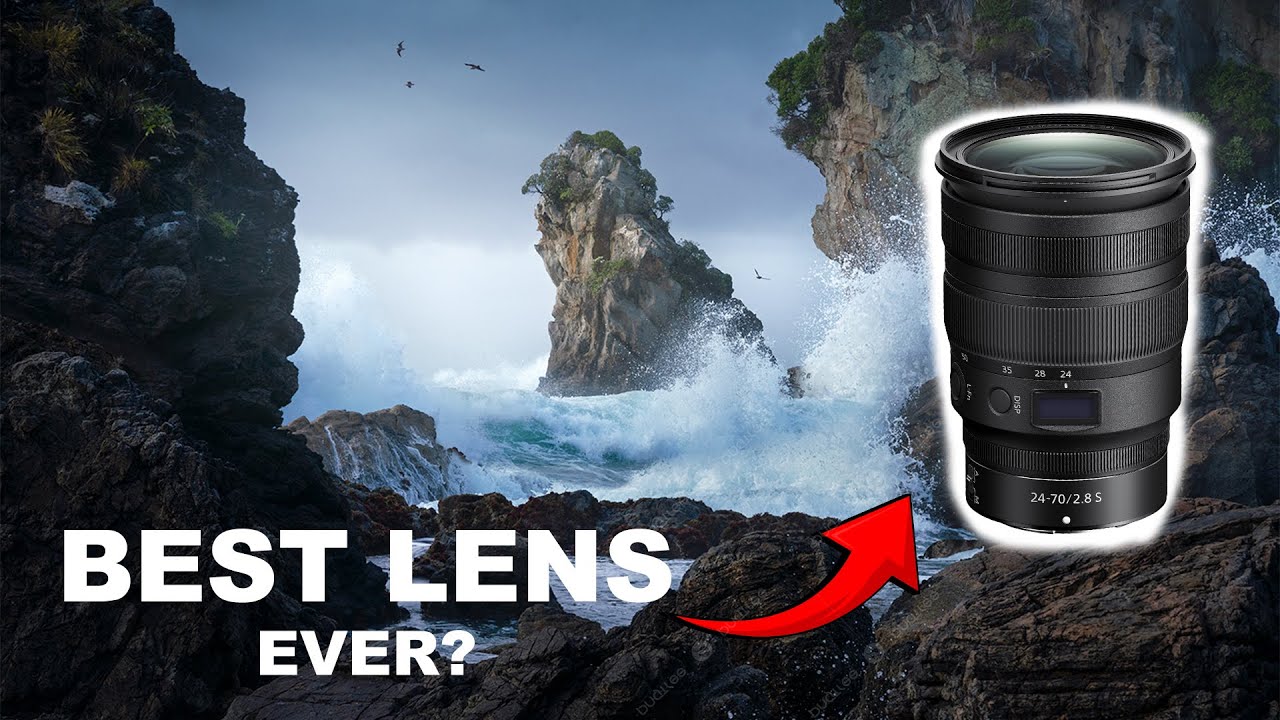
The Mid-Range Lens Is Quietly the Most Useful Thing in My Camera Bag

The Mid-Range Lens Is Quietly the Most Useful Thing in My Camera Bag

There’s a lens sitting in my bag that I probably reach for more than I’d care to admit, given how long I spent ignoring it. For years I worked almost exclusively between two extremes: the ultra-wide for sweeping foreground drama, and the telephoto for compression and isolation. The mid-range zoom felt like a compromise. Neither fish nor fowl. I was wrong, and it took me an embarrassingly long time to figure that out.

Chasing the Last Light: What Nigel Danson's Coastal Sunset Shoot Taught Me About Reading the Sky

Chasing the Last Light: What Nigel Danson's Coastal Sunset Shoot Taught Me About Reading the Sky

There is a particular kind of pressure that builds in the last thirty minutes before sunset. The light is changing by the minute, you still haven’t locked in a composition, and the clouds are doing something you didn’t plan for. After twenty years shooting landscapes full-time, I still feel it every single time. What separates a productive evening from a frustrating one is rarely luck. It’s a set of decisions made quickly and with intention.

Bad Weather, Small Scenes, and the Quiet Art of Working With What You've Got

Bad Weather, Small Scenes, and the Quiet Art of Working With What You've Got

There’s a particular kind of afternoon I know well. The light is flat, your energy is low, and every instinct tells you to stay in the van. I’ve been making photographs for twenty years and I still have to talk myself out of the parking lot on days like that. What I’ve learned, slowly and sometimes expensively, is that those low-stakes sessions, the ones where nothing feels epic, are often where you build the sharpest eye.

See What Others Miss: A Landscape Photographer's Guide to Intimate Landscape Photography

See What Others Miss: A Landscape Photographer's Guide to Intimate Landscape Photography

There’s a particular kind of creative rut that’s easy to fall into as a landscape photographer, and I say that as someone who’s been doing this full time for two decades. You drive to a famous location, you set up where everyone else sets up, and you come home with a perfectly competent image that looks almost identical to the top result on a Google image search. The shot is technically fine.

When the Light Fails You: What Nigel Danson Taught Me About Finding Compositions That Don't Need It

When the Light Fails You: What Nigel Danson Taught Me About Finding Compositions That Don't Need It

There’s a particular kind of afternoon I know too well. You’ve driven out, the gear is on your back, and the light that looked promising on the horizon has gone flat and grey. Most photographers pack up. The ones who keep shooting tend to learn something more durable than “wait for golden hour.” That’s the quiet lesson buried inside this Nigel Danson tutorial from the fells of the Lake District, and it’s one I wish someone had handed me twenty years ago when I was still convinced that good photography required perfect conditions.

The Two Minds You Need in the Field: Creative Instinct and Technical Discipline in Landscape Photography

The Two Minds You Need in the Field: Creative Instinct and Technical Discipline in Landscape Photography

There’s a particular kind of shoot I’ve done more times than I can count: no scouted location, no confirmed conditions, just a glimpse of something on a map or a distant ridgeline that says maybe. Those shoots terrify newer photographers. They don’t have a shot list, no reference images to reverse-engineer, no guarantee the light will cooperate. But after twenty years of doing this for a living, I’d argue that kind of uncertainty is where the best work gets made.

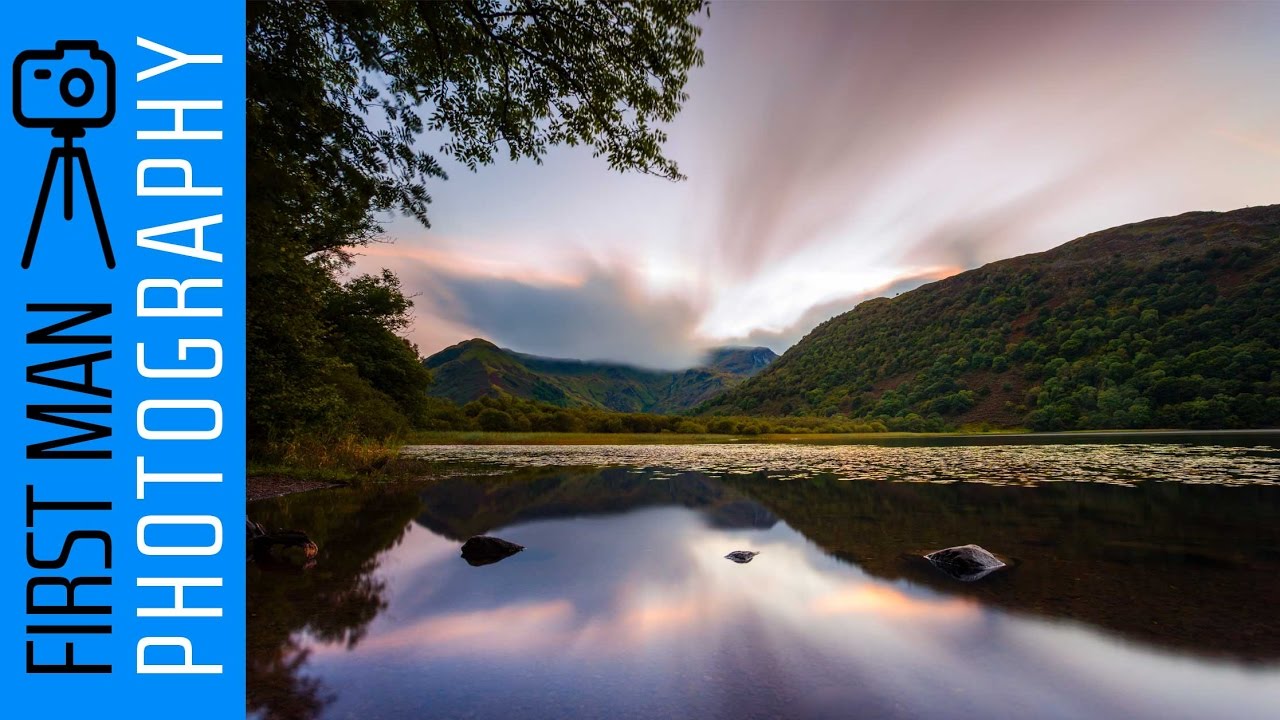
What Kirkstone Pass Taught Me About Planning Your Long Exposure Before You Leave the Car

What Kirkstone Pass Taught Me About Planning Your Long Exposure Before You Leave the Car

There is a particular kind of frustration that only landscape photographers know: you find the shot, you can see exactly what it needs to be, and then you realize the one piece of gear that would make it work is sitting back at the car. I have stood on hillsides in the dark, in the cold, doing that mental arithmetic, calculating whether the hike back is worth it. Sometimes it is.

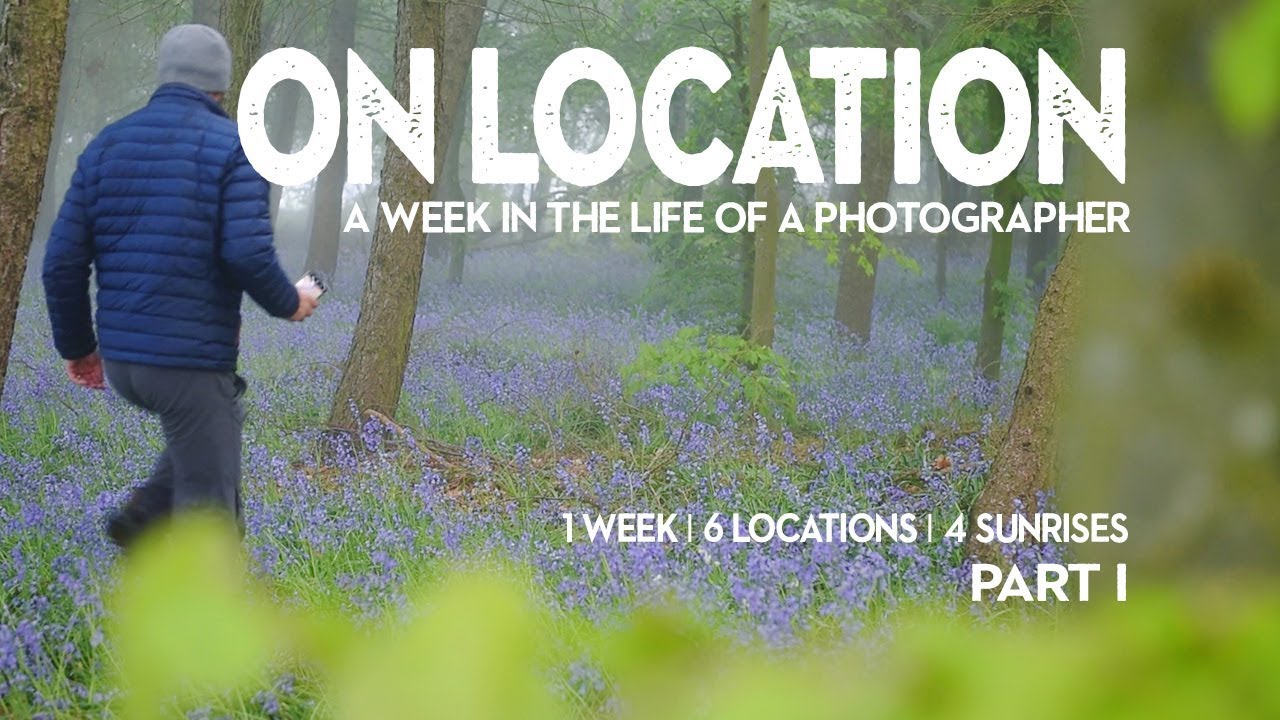
One Week, One Subject: What Bluebell Season Taught Me About Slowing Down

One Week, One Subject: What Bluebell Season Taught Me About Slowing Down

There’s a particular kind of humility that comes from showing up to a location and realizing the scene you planned for isn’t ready yet. I’ve stood in a lot of places at 4am waiting for the light or the subject or both to cooperate. Sometimes they do. Often they don’t. What separates a productive week of shooting from a frustrating one isn’t luck or even gear. It’s the discipline of working a subject methodically, returning, adjusting, and letting the location teach you something.

The Story Triangle: Why Your Landscape Photos Aren't Landing (And How to Fix It)

The Story Triangle: Why Your Landscape Photos Aren't Landing (And How to Fix It)

I’ve been waking up before 4am and driving to dark trailheads for twenty years. In that time I’ve made technically solid images that nobody remembers, and a handful of photographs that people still write to me about years later. For a long time I couldn’t fully articulate the difference. Sharp is sharp. Exposed is exposed. So why do some images stick and others evaporate the moment the viewer scrolls past?