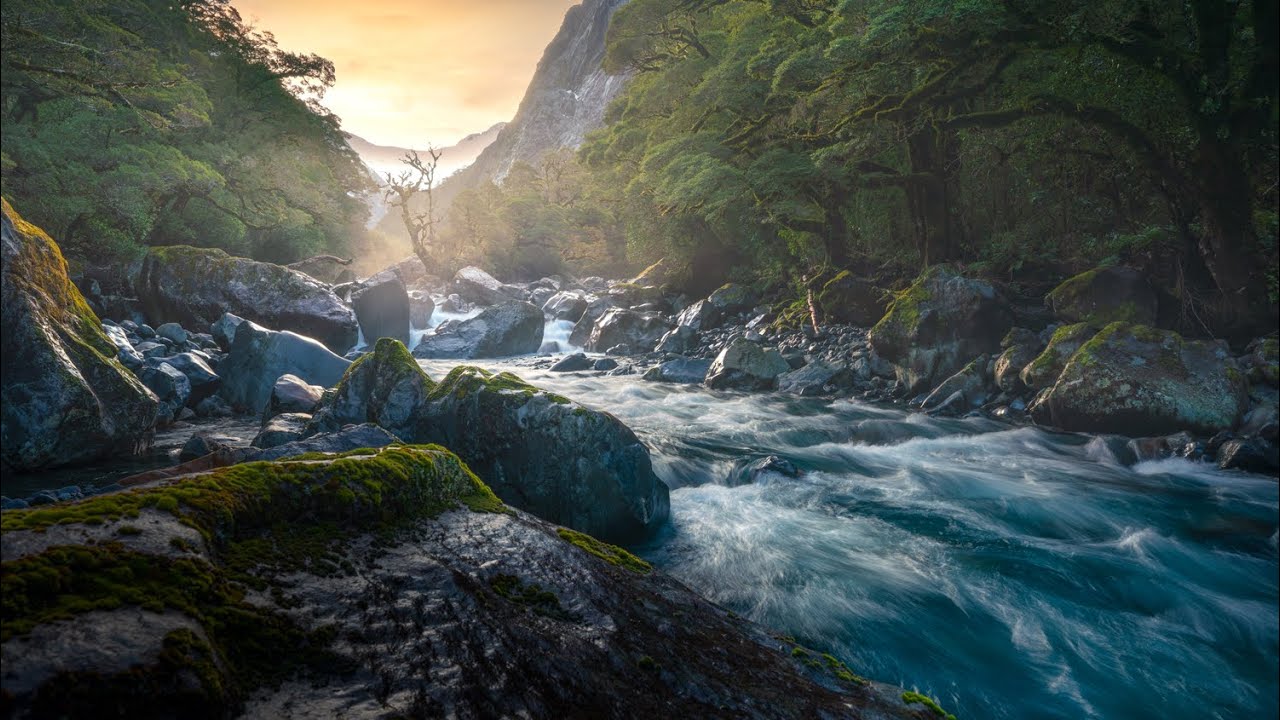
How to Shoot Dramatic Landscapes in Fiordland: Field Notes From William Patino's Approach

How to Shoot Dramatic Landscapes in Fiordland: Field Notes From William Patino's Approach

There’s a question I come back to every few years, usually when a season has gone flat and I’m grinding through shoots on autopilot. What actually excites me about this work? Not what I think I should be photographing, not what performs well in print sales, but what pulls me out of bed before the alarm even goes off. I’ve been doing this for twenty years, and I still need reminding.
Stop Planning So Much: What William Patino's Best Images Taught Me About Spontaneous Landscape Photography

Stop Planning So Much: What William Patino's Best Images Taught Me About Spontaneous Landscape Photography

There’s a particular kind of paralysis I know well. I’ll be standing at my kitchen counter in Bend at 5am, coffee going cold, scrolling through weather apps and satellite radar loops, telling myself the light won’t be worth it. I’ve been shooting landscapes full-time for twenty years, and I still fall into that trap. The forecast looks uncertain, the clouds look wrong, and I talk myself out of driving thirty minutes to the high desert before the sun clears the Cascades.

Why Your Landscape Photos Look Flat (And Three Field Fixes That Actually Work)

Why Your Landscape Photos Look Flat (And Three Field Fixes That Actually Work)

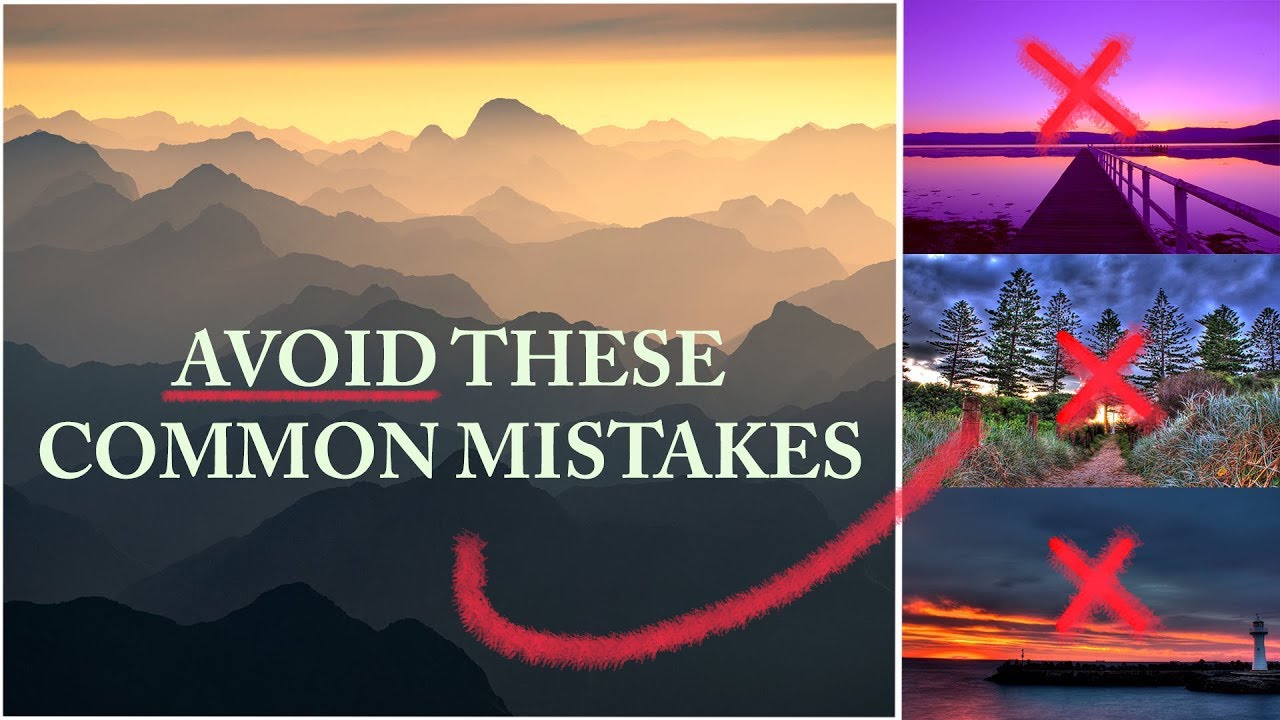
There’s a particular kind of learning that only happens when someone shows you their failures. Not polished, curated “before and after” content, but the real stuff, the photographs that made them wince years later. I’ve been shooting landscapes full-time for two decades, and I can still pull up folders from my early years that make me question my own taste. Which is exactly why this William Patino tutorial stopped me mid-scroll.

When Plans Fall Apart on the Hill: Adapting Your Landscape Photography in Real Time

When Plans Fall Apart on the Hill: Adapting Your Landscape Photography in Real Time

There’s a version of landscape photography that lives on spreadsheets and weather apps and pre-visualized compositions you’ve been planning since January. And then there’s what actually happens when you show up. After twenty years of dragging gear up ridgelines before dawn, I’ve learned that the gap between those two versions of events is where the real craft lives. The ability to read conditions on the fly, swap your plan without ego, and still produce meaningful work is what separates photographers who make images from photographers who collect hikes.

Why Your Landscape Photos Look Flat (And the Tonal Fixes That Actually Work)

Why Your Landscape Photos Look Flat (And the Tonal Fixes That Actually Work)

There is a particular kind of disappointment I know well. You were there. The light was extraordinary. You felt something standing in that landscape. Then you open the raw file and the image looks… compressed. Airless. Like everything is sitting on the same plane, equidistant from the viewer, none of it going anywhere. Flat. I have been shooting landscape photography full-time for two decades and I still encounter this problem regularly, especially when I push contrast or clarity too hard during processing.

How to Break Down a Grand Landscape Into a Photograph That Actually Feels Like Something

How to Break Down a Grand Landscape Into a Photograph That Actually Feels Like Something

There’s a particular kind of paralysis that hits you when the landscape is almost too big. You’ve hiked in, the light is doing something extraordinary, and you’re standing there rotating slowly with your camera raised, trying to stuff a 180-degree panorama into a single frame. I’ve been doing this for twenty years and it still gets me. The shot that usually comes out of that moment is technically fine and emotionally empty, because when a viewer doesn’t know where to look, they don’t feel anything.

The 3-Element Filter That Cuts Your Post-Trip Culling Time in Half

The 3-Element Filter That Cuts Your Post-Trip Culling Time in Half

Every time I come back from a long shoot, I face the same problem. Last autumn I drove out to the Alvord Desert and spent four days chasing light across the playa. I came home with just over 900 raw files. I sat down at my desk, opened Lightroom, and felt that familiar dread settle in. Not because editing is hard, but because I genuinely didn’t know where to start. Which images even deserved my attention?

How to Find and Photograph Forest Scenes When the Light Refuses to Cooperate

How to Find and Photograph Forest Scenes When the Light Refuses to Cooperate

There’s a kind of shoot I’ve done hundreds of times: I show up somewhere dramatic, the sky is flat blue, the light is harsh, and everything that made the location worth the drive looks completely dead on a sensor. For years, my instinct was to pack up and wait for better conditions. What I’ve learned since then, slowly and sometimes painfully, is that a flat-light day isn’t a failed shoot day.

Why Your Panoramas Look Wrong (And How to Fix Them Before You Leave the Trailhead)

Why Your Panoramas Look Wrong (And How to Fix Them Before You Leave the Trailhead)

There’s a ridge I return to every autumn outside Bend, where the Cascades stack up in layers from west to east. The scene is roughly 180 degrees of usable sky, volcanic peaks, and high desert. My camera’s widest lens can’t touch it. Neither can a single frame at any focal length without introducing so much foreground distortion that the mountains look like they’re leaning away from the viewer. The only honest way to render that place is to stitch it, and I spent an embarrassing amount of time doing it wrong before I understood what was actually happening between the frames.

Getting Uncomfortably Close: How Ultra-Wide Lenses Unlock a Different Kind of Landscape Image

Getting Uncomfortably Close: How Ultra-Wide Lenses Unlock a Different Kind of Landscape Image

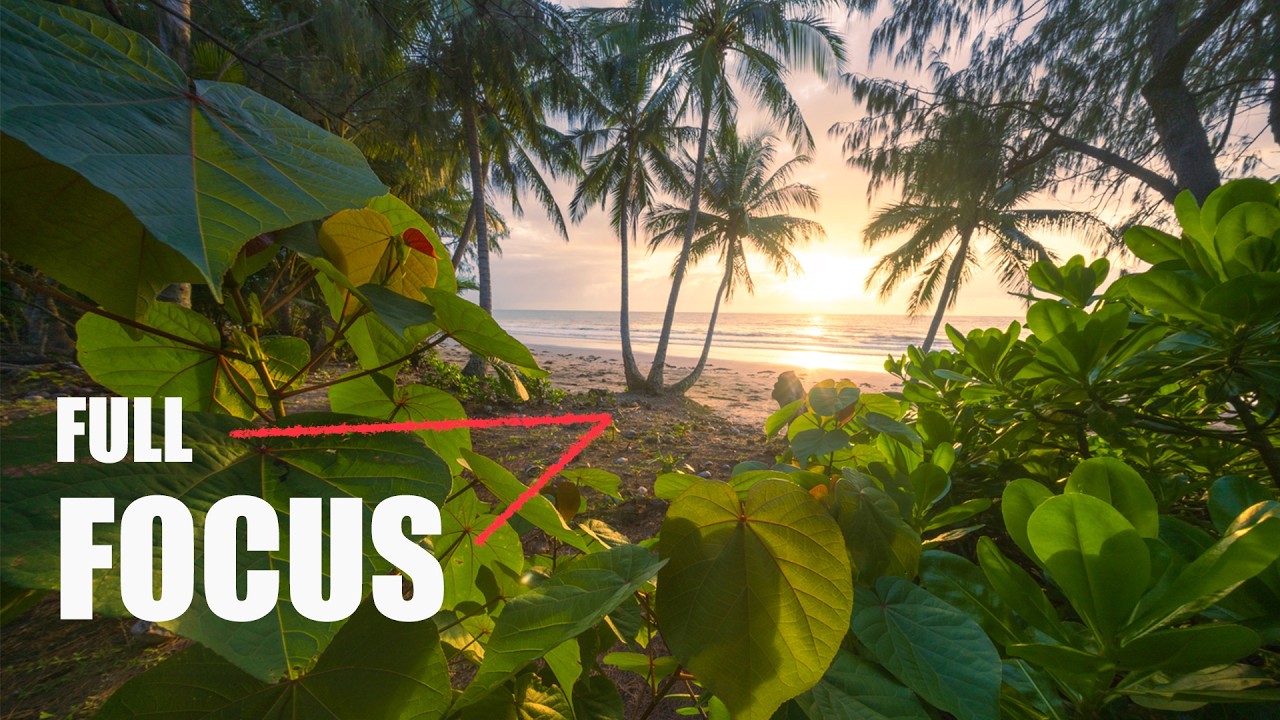
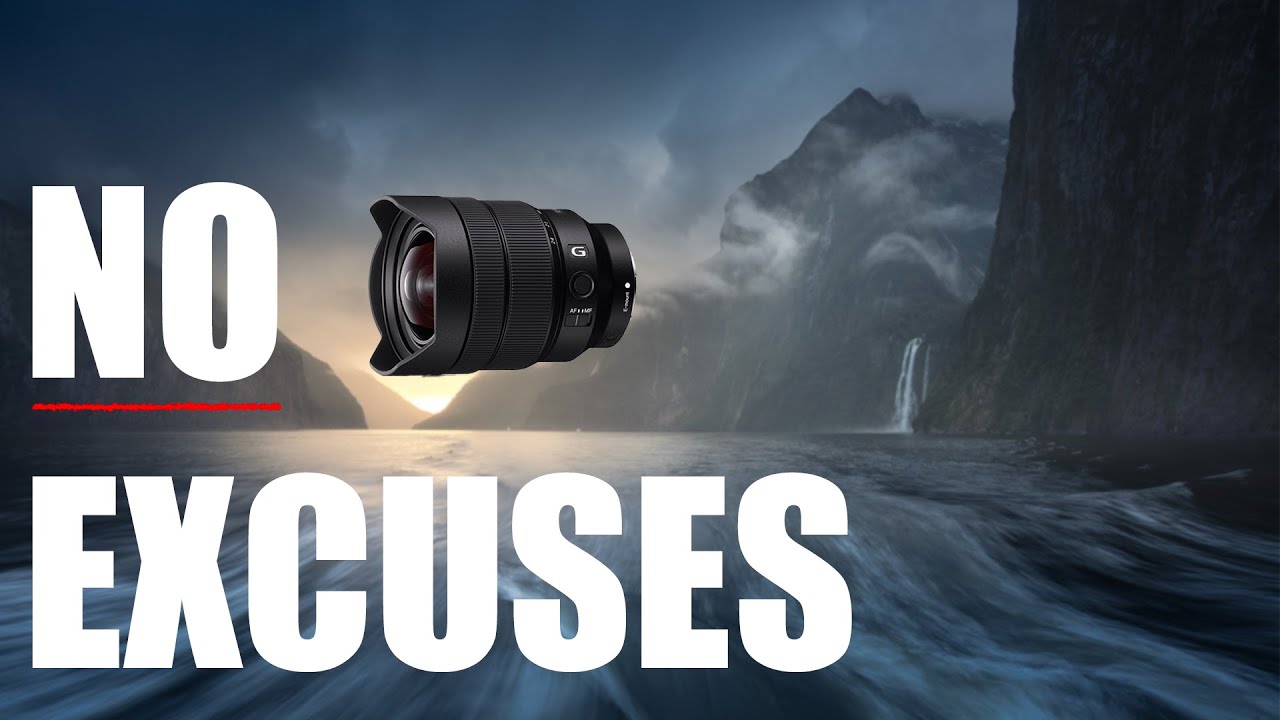
There is a version of me from fifteen years ago who bought a 10mm lens, slapped it on my camera, and wondered why everything looked like a novelty fisheye postcard. Wide angle lenses are deceptive. They look forgiving because they seem to pull everything in, but they punish lazy composition faster than any other focal length. The problem, specifically, is the foreground. With a longer lens you can ignore it. With an ultra wide, it is half your image whether you planned for it or not.

Why Your Forest Photos Look Flat (And What the Light Is Actually Doing)

Why Your Forest Photos Look Flat (And What the Light Is Actually Doing)

The Forest Doesn’t Owe You Good Light I pulled into a trailhead outside of Sisters, Oregon at 4:45 in the morning last October, thermos in hand, headlamp cutting through fog that had settled thick between the ponderosas. I’d scouted this spot two weeks earlier on a clear afternoon and built a whole mental image around a shaft of low light hitting a particular grove of aspens. The fog had other ideas.

What Marc Muench Taught Me About Seeing Light Before You Lift the Camera

What Marc Muench Taught Me About Seeing Light Before You Lift the Camera

There’s a version of landscape photography where you chase the histogram, obsess over sharpness, and treat every outing like a technical exam. I spent a few years in that mode early on, and the images I made were technically fine and emotionally empty. What changed things for me wasn’t a new lens or a better sensor. It was understanding that the photograph begins long before you lift the camera. That realization is exactly what Marc Muench leads with in his Nature Visions seminar, and it’s why I keep coming back to it when I need to recalibrate.