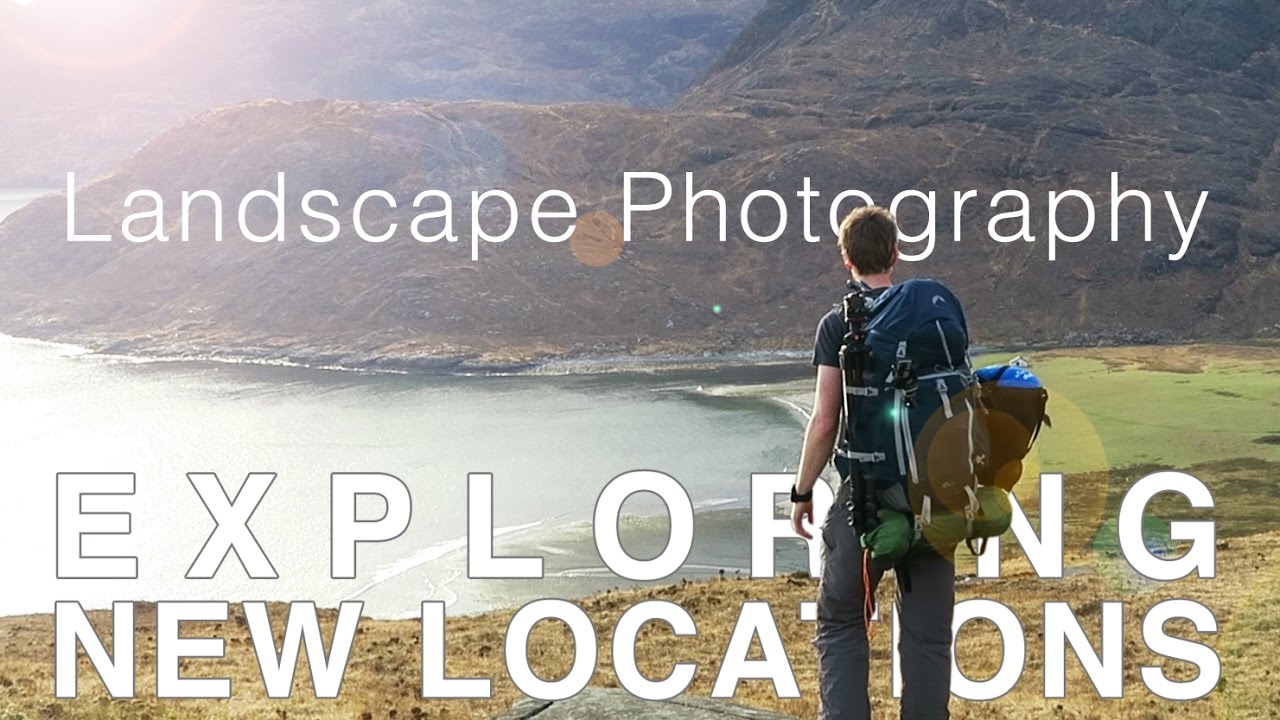
There’s a particular kind of creative fatigue that sneaks up on you after years of shooting the same corners of the world. You’ve dialed in the compositions, you know exactly where the light lands in October, and somewhere along the way the whole thing starts feeling mechanical. I hit that wall hard a few years back, standing at a viewpoint I’d visited probably forty times, wondering why I bothered driving out before dawn. The gear was right, the light was decent, and I felt absolutely nothing. That’s the moment I knew I needed to change something.
Watch the full tutorial on YouTube
In this Thomas Heaton tutorial, Heaton walks through his process of planning and executing a trip to a completely unfamiliar location on the Isle of Skye and the Outer Hebrides in Scotland. What makes this video worth studying isn’t the destination itself – it’s the decision-making framework Heaton uses at every stage of the trip, from logistical choices to campsite selection to reading the weather. His approach is practical, and it maps directly onto any trip where you’re going in without a shot list or a guide.
The core argument Heaton makes is one I’ve come to believe deeply after twenty years of this work: shooting unfamiliar locations forces you to see again. You can’t rely on muscle memory. You can’t fall back on the compositions you’ve already made. You have to actually look. That’s uncomfortable, and it’s also exactly what good photography requires.
Step 1: Acknowledge the Real Problem Before You Pack a Bag
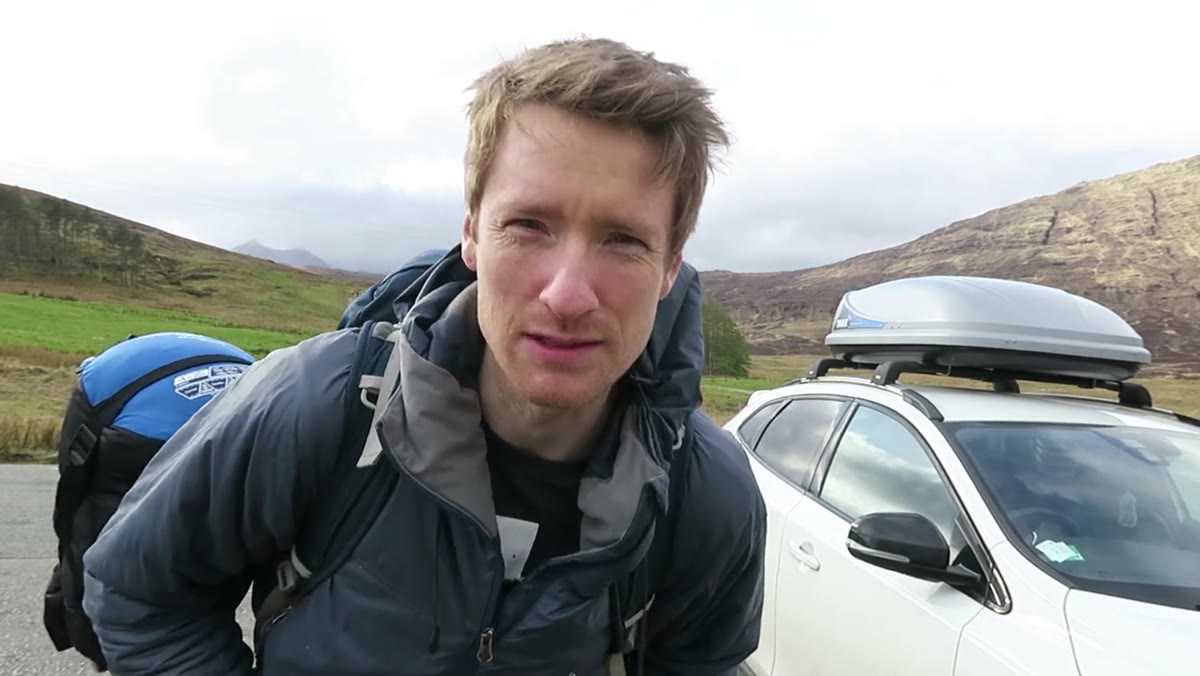
 Thomas speaking directly to camera about photographer motivation
Before any location decision gets made, Heaton names the actual obstacle most landscape photographers face: motivation erosion. It’s not a gear problem or a timing problem. It’s the slow dulling that comes from repeating yourself. Some photographers solve this by going deep on local locations, revisiting the same ground across seasons until they know it intimately. That’s a legitimate and rewarding approach. But if you feel a pull toward new terrain and you keep ignoring it, that pull becomes creative noise that drowns out everything else. Identify which kind of photographer you are right now, and plan accordingly.
Thomas speaking directly to camera about photographer motivation
Before any location decision gets made, Heaton names the actual obstacle most landscape photographers face: motivation erosion. It’s not a gear problem or a timing problem. It’s the slow dulling that comes from repeating yourself. Some photographers solve this by going deep on local locations, revisiting the same ground across seasons until they know it intimately. That’s a legitimate and rewarding approach. But if you feel a pull toward new terrain and you keep ignoring it, that pull becomes creative noise that drowns out everything else. Identify which kind of photographer you are right now, and plan accordingly.
Step 2: Choose a Destination That Requires Some Friction to Reach
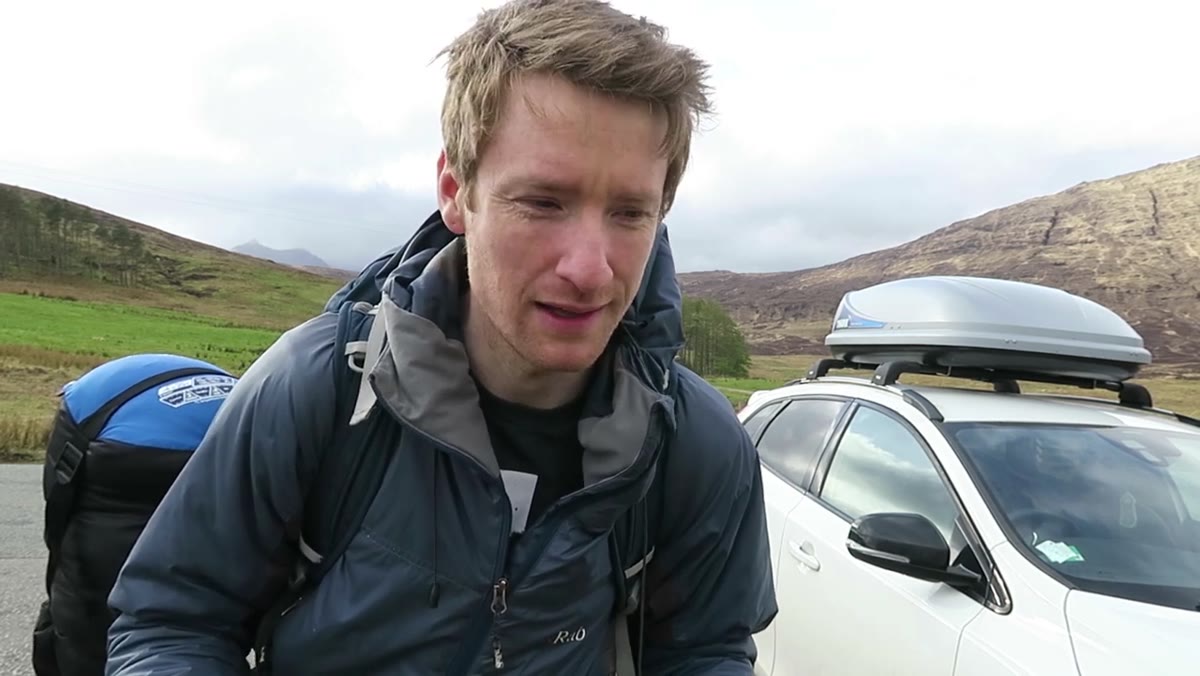
 Thomas explaining the ferry logistics to the Outer Hebrides
Heaton is heading to the Outer Hebrides, a group of islands off Scotland’s northwest coast accessible only by ferry. The friction here is intentional. When a location is difficult to reach, you show up differently. You’ve committed something – time, money, logistics – and that commitment changes your attention. For your next trip, look for places that require more than a short drive. It doesn’t have to be a remote Scottish island. It could be a location that requires a permit, a multi-mile hike in, or an overnight stay. The barrier filters out the casual version of yourself and leaves the photographer who actually wants to work.
Thomas explaining the ferry logistics to the Outer Hebrides
Heaton is heading to the Outer Hebrides, a group of islands off Scotland’s northwest coast accessible only by ferry. The friction here is intentional. When a location is difficult to reach, you show up differently. You’ve committed something – time, money, logistics – and that commitment changes your attention. For your next trip, look for places that require more than a short drive. It doesn’t have to be a remote Scottish island. It could be a location that requires a permit, a multi-mile hike in, or an overnight stay. The barrier filters out the casual version of yourself and leaves the photographer who actually wants to work.
Step 3: Solve the Logistics in a Way That Protects Your Shooting Time
 Thomas weighing the decision to arrive a day early versus driving through the night
Heaton faces a specific logistical problem: the ferry leaves early, and driving through the night to catch it would leave him exhausted before he even arrives. His solution is simple – arrive the day before, find a place to sleep near the ferry terminal, and start fresh. This kind of decision compounds over a trip. Fatigue is the enemy of good photography. When you’re tired, you stop exploring and just point the camera at whatever’s closest. Build buffer time into your travel plan so you arrive with energy to actually scout. A few extra hours of sleep is worth more than the miles you’d save by pushing through the night.
Thomas weighing the decision to arrive a day early versus driving through the night
Heaton faces a specific logistical problem: the ferry leaves early, and driving through the night to catch it would leave him exhausted before he even arrives. His solution is simple – arrive the day before, find a place to sleep near the ferry terminal, and start fresh. This kind of decision compounds over a trip. Fatigue is the enemy of good photography. When you’re tired, you stop exploring and just point the camera at whatever’s closest. Build buffer time into your travel plan so you arrive with energy to actually scout. A few extra hours of sleep is worth more than the miles you’d save by pushing through the night.
Step 4: Camp Close to the Location, Not Close to Comfort
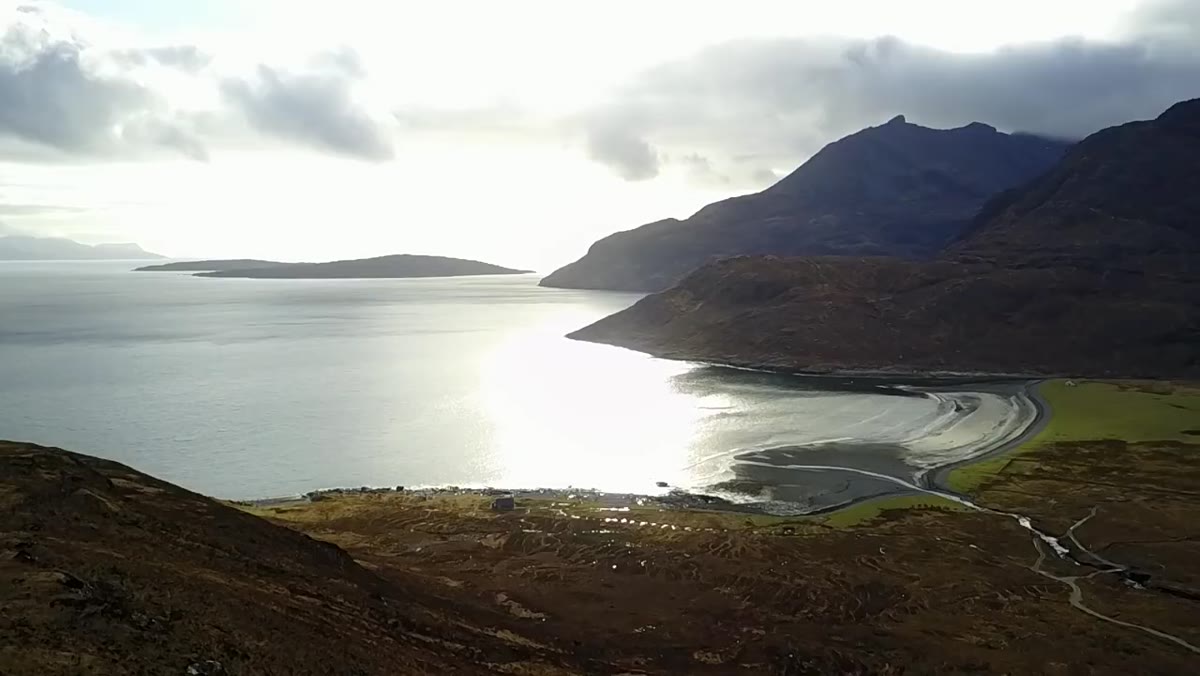 Thomas discovering the campsite with the panoramic coastal view
Rather than staying in a hotel or even a bothy, Heaton pitches his tent at a wild camping spot overlooking the bay. The view is extraordinary, and the proximity to the landscape means he’s already inside the shooting environment rather than commuting to it. In practical terms, camping on location means you catch the light as it happens. You wake up and you’re already there. I’ve done this with a sleeping bag in the back of my truck more times than I can count, and the shots I’ve made in that first raw minute after waking up – before I’ve had coffee, before I’ve even fully thought about what I’m doing – are often the most honest frames of a trip.
Thomas discovering the campsite with the panoramic coastal view
Rather than staying in a hotel or even a bothy, Heaton pitches his tent at a wild camping spot overlooking the bay. The view is extraordinary, and the proximity to the landscape means he’s already inside the shooting environment rather than commuting to it. In practical terms, camping on location means you catch the light as it happens. You wake up and you’re already there. I’ve done this with a sleeping bag in the back of my truck more times than I can count, and the shots I’ve made in that first raw minute after waking up – before I’ve had coffee, before I’ve even fully thought about what I’m doing – are often the most honest frames of a trip.
Step 5: Identify Bothies and Shelters as Working Infrastructure, Not Just Backup Plans
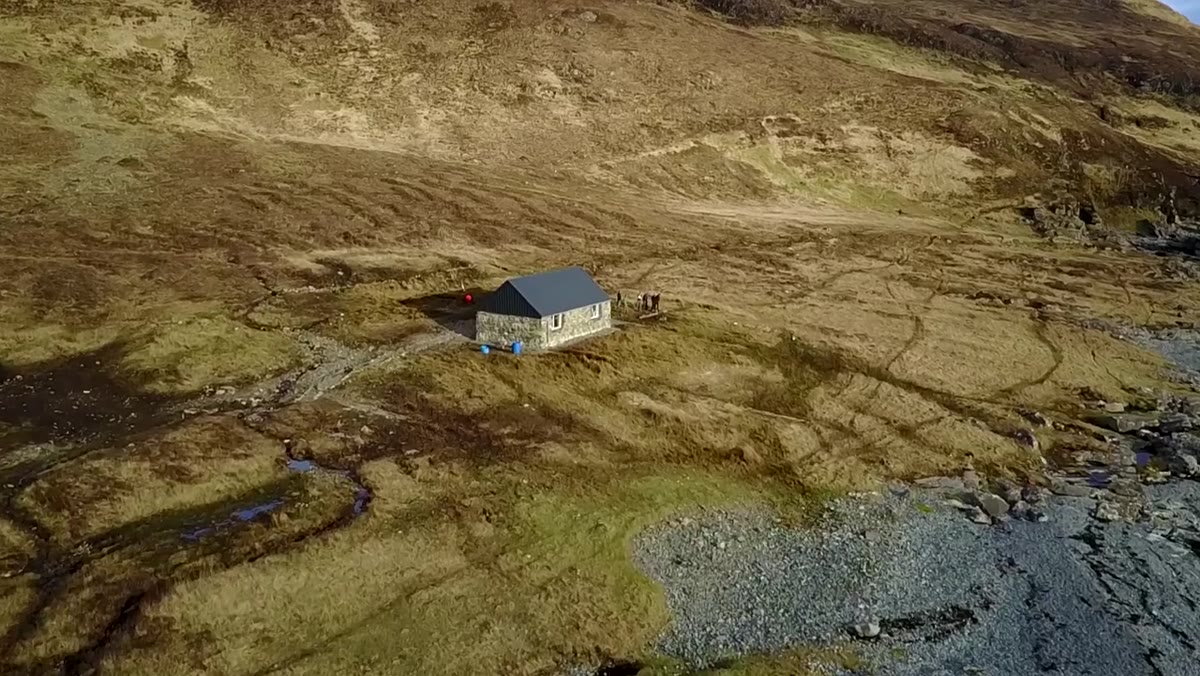 Thomas describing the bothy’s practical uses for cooking and gear maintenance
Heaton notes that the bothy near his campsite isn’t where he’ll sleep, but it’s still useful. He plans to use it for cooking, cleaning gear, and getting out of the weather if conditions turn. This is a smart way to think about any available shelter on location. A bothy, a ranger station, a trailhead bathroom – these aren’t luxuries, they’re field infrastructure. Keeping your gear clean and dry on a multi-day trip directly affects the quality of your work. Salt air, rain, and condensation can compromise optics fast. Build maintenance stops into your day.
Thomas describing the bothy’s practical uses for cooking and gear maintenance
Heaton notes that the bothy near his campsite isn’t where he’ll sleep, but it’s still useful. He plans to use it for cooking, cleaning gear, and getting out of the weather if conditions turn. This is a smart way to think about any available shelter on location. A bothy, a ranger station, a trailhead bathroom – these aren’t luxuries, they’re field infrastructure. Keeping your gear clean and dry on a multi-day trip directly affects the quality of your work. Salt air, rain, and condensation can compromise optics fast. Build maintenance stops into your day.
Step 6: Go Anyway When the Forecast Is Uncertain
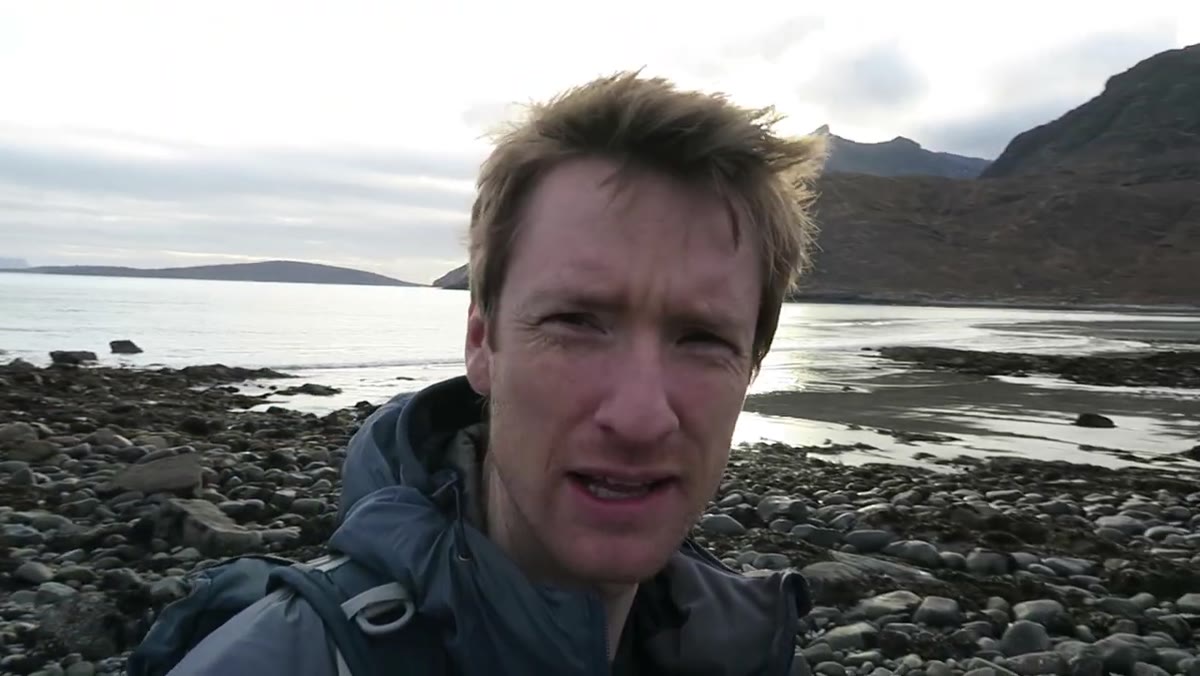 Thomas noting the unexpectedly good weather after weeks of poor forecasts
Heaton admits he spent weeks watching the weather forecast hoping for a clear window that never appeared. Eventually he decided to go regardless. The weather surprised him with good conditions. Scotland’s weather is notoriously difficult to predict, and the same is true of many mountain and coastal environments. The photographers I know who get the best shots are the ones who show up consistently, not the ones who wait for a guaranteed forecast. A perfect forecast often means everyone else shows up too. Uncertain weather keeps the location to yourself, and it produces the dramatic conditions – breaking cloud, shafts of light through rain – that make a landscape photograph worth keeping.
Thomas noting the unexpectedly good weather after weeks of poor forecasts
Heaton admits he spent weeks watching the weather forecast hoping for a clear window that never appeared. Eventually he decided to go regardless. The weather surprised him with good conditions. Scotland’s weather is notoriously difficult to predict, and the same is true of many mountain and coastal environments. The photographers I know who get the best shots are the ones who show up consistently, not the ones who wait for a guaranteed forecast. A perfect forecast often means everyone else shows up too. Uncertain weather keeps the location to yourself, and it produces the dramatic conditions – breaking cloud, shafts of light through rain – that make a landscape photograph worth keeping.
What I’d Add: Don’t Underestimate the First Hour of Arrival
The moment Heaton describes stepping into that bay for the first time – the sense of not knowing where he’ll end up – is exactly the state I chase when I travel to somewhere new. My own practice is to spend the first hour on location without the camera, or at most with a phone for rough notes. Walk the ground. Find where the water moves, where the light will hit, where you’d need to stand to get separation between foreground elements. When you arrive with no preconceptions, that first hour of pure looking is the most valuable scouting you’ll do. If I go straight to shooting, I usually end up with the obvious frame. If I walk first, I find the frame nobody else found.
The single most important takeaway from Heaton’s video is this: unfamiliar ground is not a disadvantage. It’s a reset. Every part of your process sharpens when you can’t rely on habit. Go somewhere you don’t know, sleep close to the landscape, and give yourself enough time on arrival to actually see what’s there before you start shooting.
Watch the full tutorial on YouTube
Comments
Leave a Comment