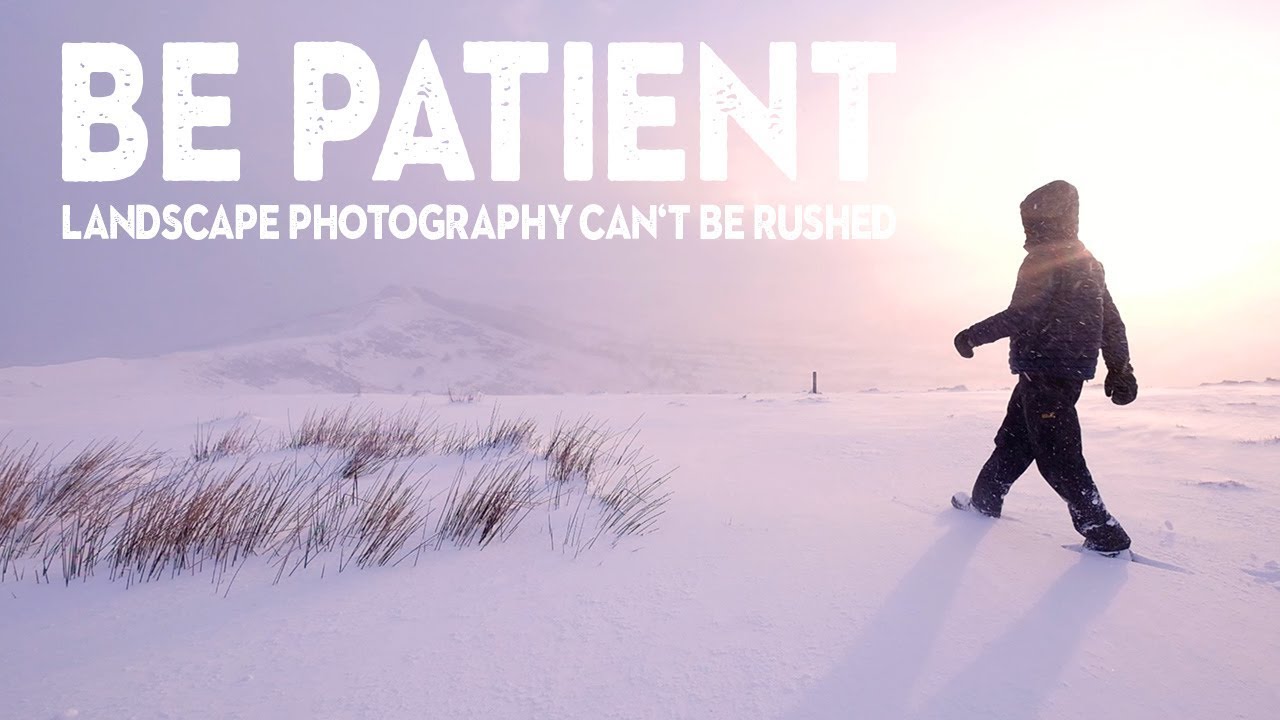
A mentor told me once, early in my career, that the mountain doesn’t care about your schedule. I was frustrated, standing in a flat gray drizzle at some overlook in central Oregon that I’d driven four hours to reach. He just shrugged and said we’d come back. We did, three weeks later, and the image I got that second morning is still one I’m proud of. That lesson took years to fully sink in. Patience isn’t passive. It’s a discipline, and it’s one of the most underrated skills in this craft.
Watch the full tutorial on YouTube
In this Nigel Danson tutorial, he works through something that doesn’t get enough airtime in landscape photography education: what it actually looks like to practice patience in the field, not as an abstract virtue but as a concrete workflow. He’s scouting a new location, he’s got his dog, and he’s being honest with the camera about what he finds and what he doesn’t. That honesty is what makes the video worth studying. He shows you the process, including the parts where it doesn’t work.
Step 1: Scout Without the Pressure of a Shot
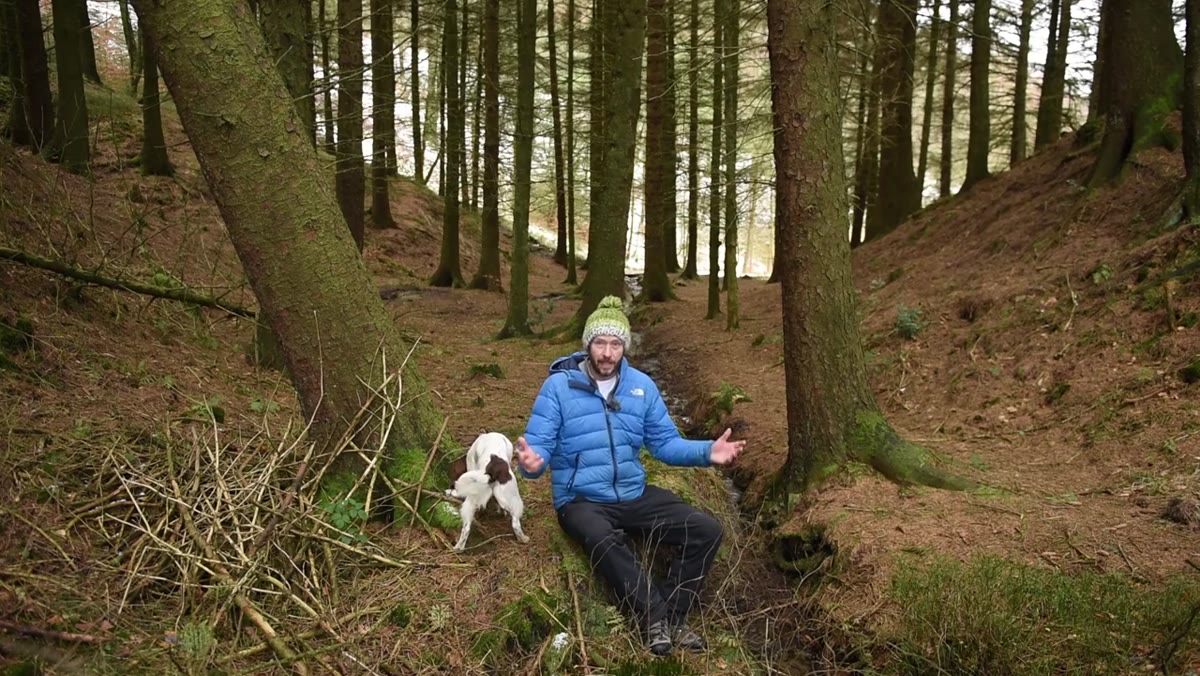
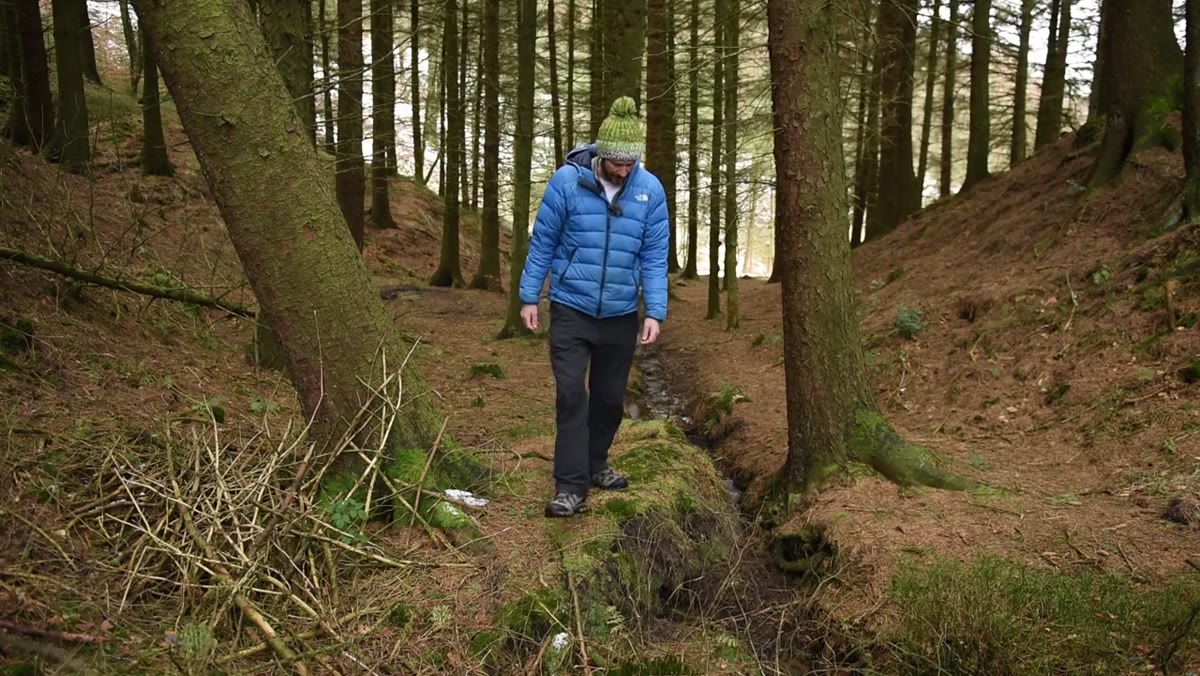 Nigel walking a new river location with his dog
The first thing Danson does is give himself permission to fail. He’s come to a location he’s never shot before, and his stated goal isn’t to get a great image. It’s to understand the place. This is a distinction that took me years to make cleanly in my own practice. When I show up somewhere new with the expectation of a keeper, I rush. I find the first decent angle, set up, shoot, and leave with something mediocre. When I show up to learn the land, I move slower and I see more.
Nigel walking a new river location with his dog
The first thing Danson does is give himself permission to fail. He’s come to a location he’s never shot before, and his stated goal isn’t to get a great image. It’s to understand the place. This is a distinction that took me years to make cleanly in my own practice. When I show up somewhere new with the expectation of a keeper, I rush. I find the first decent angle, set up, shoot, and leave with something mediocre. When I show up to learn the land, I move slower and I see more.
If you’re scouting a new area, leave the tripod in the truck. Walk the whole location before you put your eye to the viewfinder. Note where the light falls, what the terrain does with water, what the dominant lines are. You’re building a mental library for future visits, and that library is worth more than any single frame you might grab on the first pass.
Step 2: Recognize a Strong Subject Before You Commit to a Composition
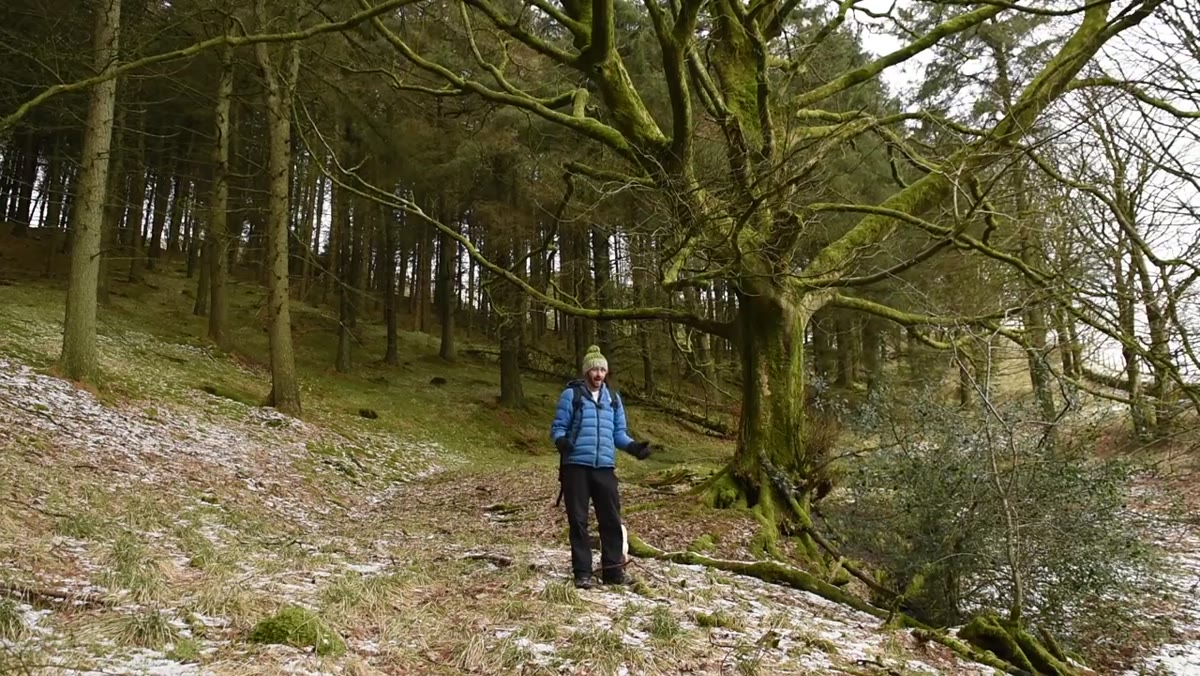
 Old weathered tree with dramatic branching structure
Danson stops at an old tree with a striking shape. He’s drawn to it immediately, which is the right instinct. But here’s what he does that matters: he separates his appreciation for the subject from his evaluation of the composition. The tree is beautiful. That doesn’t mean there’s a shot there yet.
Old weathered tree with dramatic branching structure
Danson stops at an old tree with a striking shape. He’s drawn to it immediately, which is the right instinct. But here’s what he does that matters: he separates his appreciation for the subject from his evaluation of the composition. The tree is beautiful. That doesn’t mean there’s a shot there yet.
This is a skill. Most photographers, myself included on bad days, will see something beautiful and start shooting before they’ve confirmed the composition works. Train yourself to pause and ask: what makes this subject worth photographing, and can I isolate those qualities in a frame? For Danson, the tree’s branches and structure are the draw, but the background is too busy and he can’t find an angle that solves it.
Step 3: Audit the Background, Not Just the Subject
 Danson assessing the cluttered background behind the tree
Danson walks around the tree looking for an angle that places the branches against a cleaner, darker background. The problem he runs into is a holly bush that blocks the only angle that might work. The background won’t cooperate. This is a composition deal-breaker, and he knows it.
Danson assessing the cluttered background behind the tree
Danson walks around the tree looking for an angle that places the branches against a cleaner, darker background. The problem he runs into is a holly bush that blocks the only angle that might work. The background won’t cooperate. This is a composition deal-breaker, and he knows it.
When you’re assessing a scene, start at the edges of your frame and work inward. Most photographers do the opposite. They fixate on the subject and treat the background as an afterthought. Flip that habit. If the background fails the subject, the image fails. A cluttered or competing background can ruin the most compelling foreground element you’ve ever found. If you can’t fix the background by moving your position, note it and move on.
Step 4: Know When to Move On Rather Than Force It
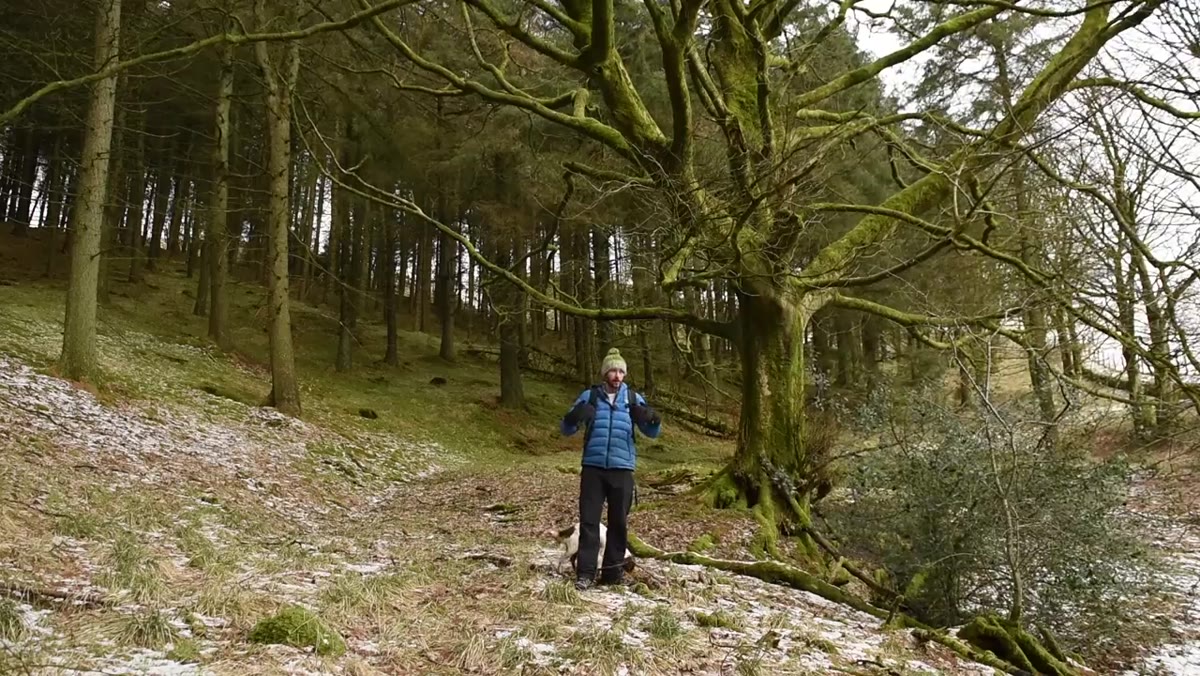 Nigel turning away from the tree and walking with his dog
This step sounds simple. It is not. Danson looks at the tree, confirms there’s no composition that serves it, and walks away. No shot. He says something worth writing down: sometimes you have to look at something beautiful and accept that there’s no image there, then go find something else.
Nigel turning away from the tree and walking with his dog
This step sounds simple. It is not. Danson looks at the tree, confirms there’s no composition that serves it, and walks away. No shot. He says something worth writing down: sometimes you have to look at something beautiful and accept that there’s no image there, then go find something else.
That decision to walk away from a beautiful but unworkable scene saves you from filling your hard drive with mediocre frames of something that deserved better. It also keeps your energy for the shot that’s actually going to work. I’ve wasted golden hours fighting a composition that wasn’t there. The discipline of moving on is one of the most valuable things you can build as a working photographer.
Step 5: Return to the Same Location in Different Conditions
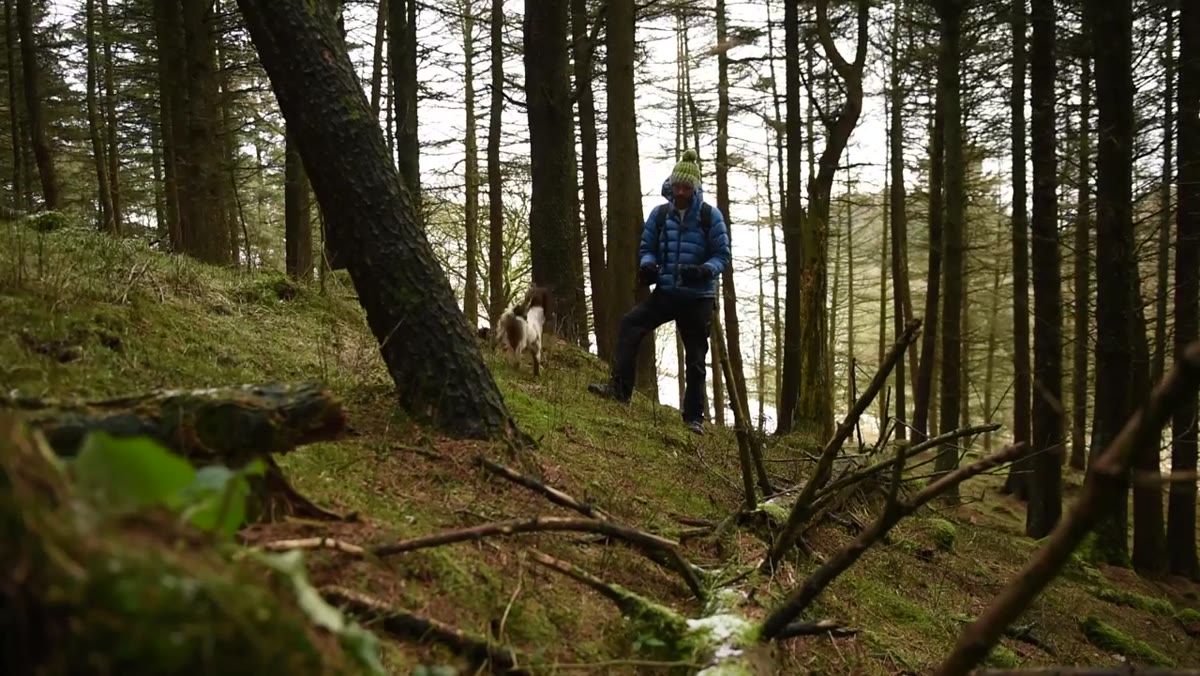 Footage from multiple visits to the same location in varied light
The strongest section of this tutorial is where Danson shares footage from multiple trips to a single location within a single week. Same place, different conditions, very different images. He’d been there with workshop clients, and the variety of what they captured across those visits illustrates the core argument of the whole video.
Footage from multiple visits to the same location in varied light
The strongest section of this tutorial is where Danson shares footage from multiple trips to a single location within a single week. Same place, different conditions, very different images. He’d been there with workshop clients, and the variety of what they captured across those visits illustrates the core argument of the whole video.
Pick two or three locations within reasonable driving distance and commit to returning to them across different seasons, weather systems, and times of day. You’ll stop seeing them as single opportunities and start seeing them as ongoing relationships. The conditions you can’t control will eventually show up. Your job is to understand the location well enough to be ready when they do. Fog, frost, dramatic cloud, low winter light, they all transform a familiar place. But only if you’ve put in the visits to know where to stand when it happens.
Step 6: Let Conditions Do the Heavy Lifting
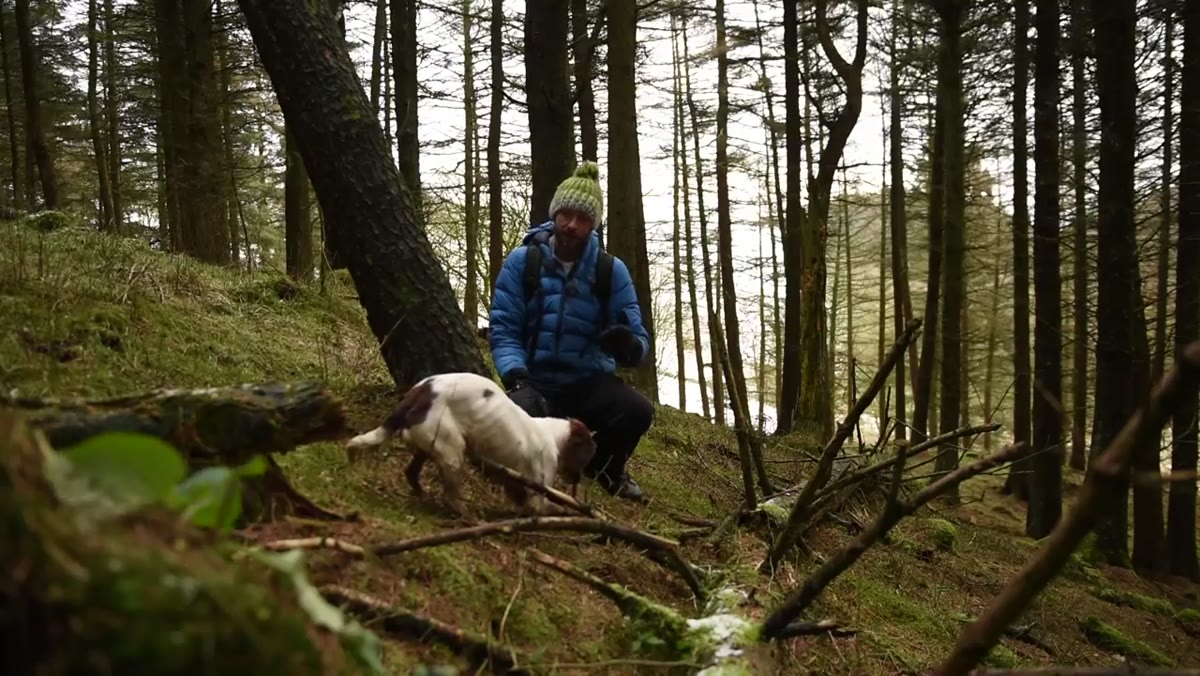 Workshop participants shooting in exceptional light conditions
Danson’s workshop clients got remarkable images not because they found remarkable locations but because they were present in remarkable conditions. That’s the practical upshot of everything in this tutorial. Composition skill matters. Technical competence matters. But showing up when the light and weather are doing something extraordinary is what separates good images from great ones.
Workshop participants shooting in exceptional light conditions
Danson’s workshop clients got remarkable images not because they found remarkable locations but because they were present in remarkable conditions. That’s the practical upshot of everything in this tutorial. Composition skill matters. Technical competence matters. But showing up when the light and weather are doing something extraordinary is what separates good images from great ones.
Watch forecasts. Learn to read cloud structure and what it might mean for light an hour from now. Get to your location before you think you need to. The conditions that make a landscape image special rarely last more than a few minutes, and photographers who were still in the car or still eating breakfast don’t get them.
What Twenty Years Has Taught Me About Waiting
I still shoot film occasionally, partly because it slows me down in a way that’s hard to replicate digitally. When you only have twelve frames on a roll, you think before you press the shutter. You stand there longer. You wait. That enforced patience produces better images, not because film is magic but because the constraint forces the habit.
The patience Danson is describing in this tutorial isn’t about waiting around and hoping. It’s about refusing to settle. It’s about having enough discipline to leave a beautiful subject because the composition isn’t there, to return to a familiar place for the fourth time because the conditions weren’t right the first three, and to trust that the image you’re after exists. You just haven’t been there at the right moment yet.
The single most useful thing this tutorial offers is permission to come home without a shot. That’s not failure. That’s how the work actually gets done. Watch the full tutorial on YouTube and pay particular attention to how Danson talks about the locations he returns to repeatedly. That’s where the real teaching is.
Comments
Leave a Comment