What a Telephoto Lens Taught Me About Slowing Down (And Slowing the Water)

What a Telephoto Lens Taught Me About Slowing Down (And Slowing the Water)

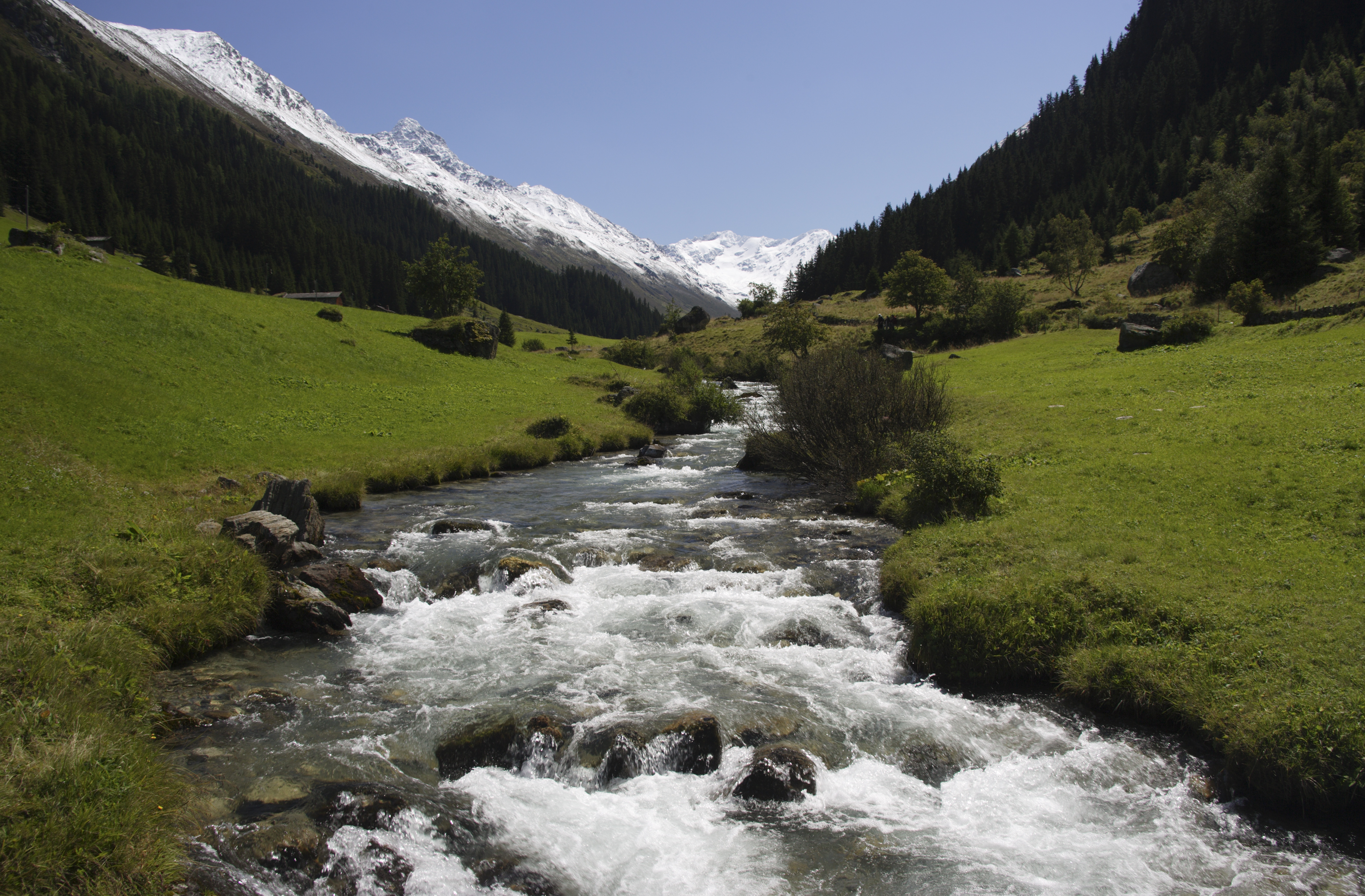
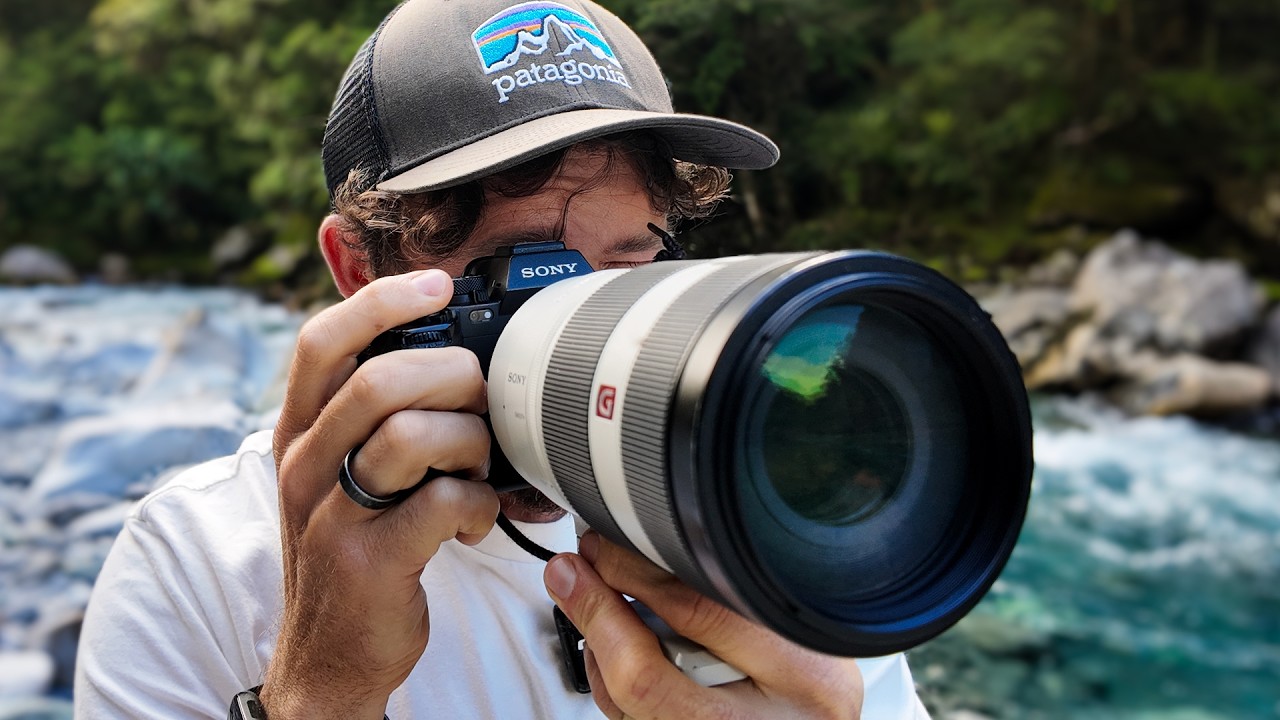
There’s a version of landscape photography that gets all the attention — the towering peak, the sweeping vista, the grand composition that makes you feel small. I’ve chased that version for twenty years, and I’ll keep chasing it. But some of my most technically interesting work, and honestly some of my most meditative shooting days, have come from standing at the edge of a small river with a long lens pointed at a patch of moving water no bigger than a dining room table.
Why Your Panoramas Feel Flat (And the Overlap System That Fixed Mine)

Why Your Panoramas Feel Flat (And the Overlap System That Fixed Mine)

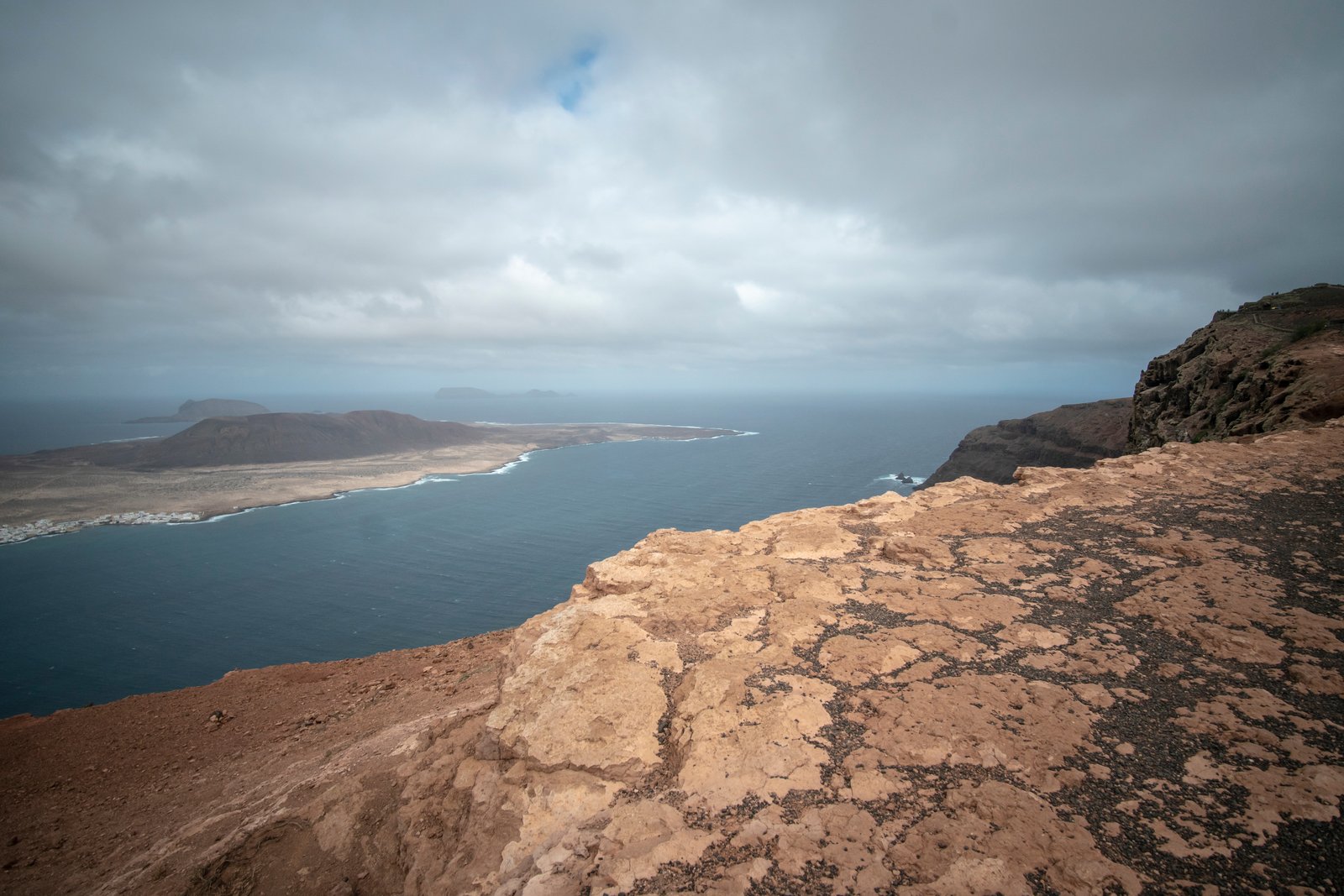
There’s a ridgeline outside Bend I’ve been shooting for years. On a clear morning in October, it catches the first alpenglow in a way that makes the whole sky feel like it’s been lit from underneath. The scene is about 180 degrees wide. A single frame, even with my widest rectilinear lens, kills it. The compression flattens the drama, shrinks the peaks, and turns something enormous into something merely pretty. The only answer is a panorama, and for most photographers, that’s where the frustration starts.

Balancing Light and Composition at Sunset: What William Patino's Framework Taught Me to Stop Ignoring

Balancing Light and Composition at Sunset: What William Patino's Framework Taught Me to Stop Ignoring

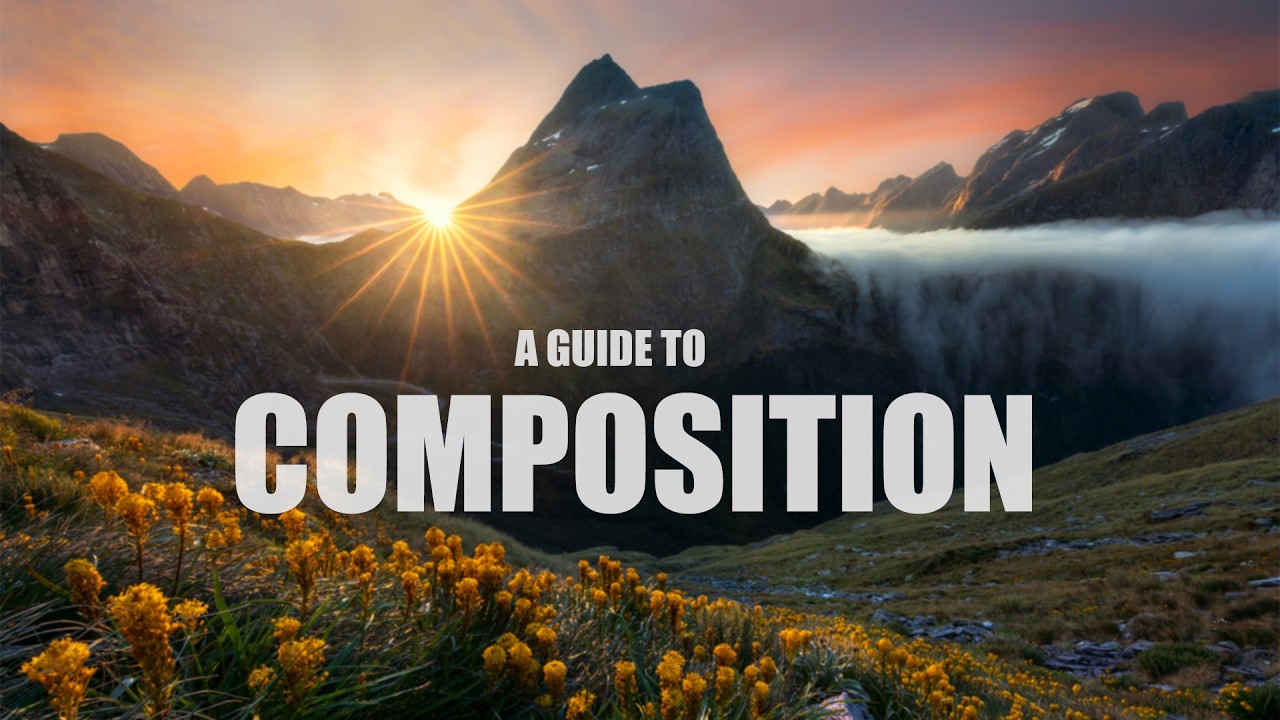
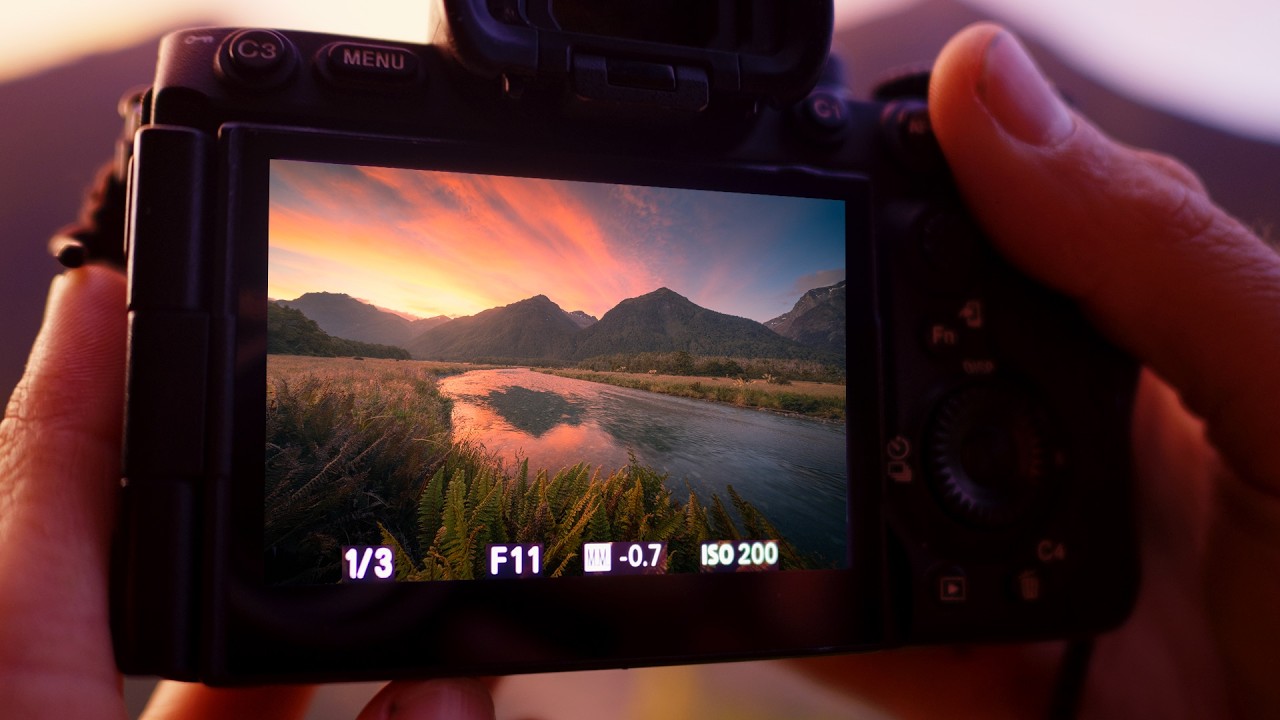
There’s a particular kind of pressure that builds when golden light starts happening and you’re still walking, still looking, still not sure where to plant the tripod. I’ve felt it hundreds of times over the past two decades. The chest tightens, the legs move faster, and suddenly you’re forcing a composition instead of finding one. I’ve come home with technically fine shots that feel hollow because I rushed into them. So when I came across Watch the full tutorial on YouTube from William Patino, filmed during a summer sunset session in Fiordland National Park, I kept nodding along because he was describing the exact problem I still wrestle with, and offering a framework that actually works.

The Framework I Wish I'd Had Twenty Years Ago: Composing Landscape Images That Actually Work

The Framework I Wish I'd Had Twenty Years Ago: Composing Landscape Images That Actually Work

There’s a particular kind of paralysis that sets in when you’re standing in a beautiful place with a camera in your hands. The light is doing something extraordinary, the scene is alive, and you have absolutely no idea where to point the lens. After two decades of doing this work, I still feel it. The difference now is that I’ve built a repeatable process for working through it, and that process maps almost perfectly onto what William Patino demonstrates in his forest composition tutorial.

The Art of Panoramic Landscape Photography: Seeing Beyond the Frame

The Art of Panoramic Landscape Photography: Seeing Beyond the Frame

The Art of Panoramic Landscape Photography: Seeing Beyond the Frame Standing at the edge of a canyon at sunrise, I’ve often felt the limitations of a single frame. The light spreads across the entire horizon—soft amber fading to purple, stretching far beyond what my widest lens can capture in one shot. This is when I reach for panorama. It’s not a shortcut for composition; it’s an entirely different way of seeing.

The Art of Seeing: Building Stronger Landscape Compositions

The Art of Seeing: Building Stronger Landscape Compositions

The Art of Seeing: Building Stronger Landscape Compositions I’ve spent countless mornings standing in mountain valleys, waiting for light to transform the scene before me. In those quiet hours, I’ve learned that composition isn’t about following rules—it’s about understanding how your eye moves through a photograph, and then controlling that journey with intention. Most photographers arrive at a location, frame what they see, and shoot. But there’s a deliberate practice that separates strong work from snapshots: learning to construct a landscape photograph as you would build a story, with a beginning, middle, and resolution.

Finding Light in the Shadows: A Forest Photographer's Guide to Capturing Woodland Depth

Finding Light in the Shadows: A Forest Photographer's Guide to Capturing Woodland Depth

Finding Light in the Shadows: A Forest Photographer’s Guide to Capturing Woodland Depth When I first began photographing forests seriously, I made the mistake that many newcomers do: I treated them like any other landscape. I’d arrive expecting golden hour drama and sweeping vistas. What I found instead were dense shadows, confusing compositions, and frustratingly flat images. Only after spending dozens of overcast mornings in the woods did I begin to understand that forests demand a completely different approach.

The Art of Capturing Panoramas: Creating Images Wider Than Your Vision

The Art of Capturing Panoramas: Creating Images Wider Than Your Vision

The Art of Capturing Panoramas: Creating Images Wider Than Your Vision There’s a moment in the field when a landscape refuses to fit within the boundaries of a single frame. I’ve stood on countless ridges, looking out across valleys and mountain ranges that stretch impossibly wide, feeling the frustration of knowing my camera’s sensor can only capture a fraction of what my eyes see. That’s when panoramas become not just a technical exercise, but a necessity—a way to honor the true scope of a scene.

Chasing Light in the High Country: The Art and Craft of Mountain Photography

Chasing Light in the High Country: The Art and Craft of Mountain Photography

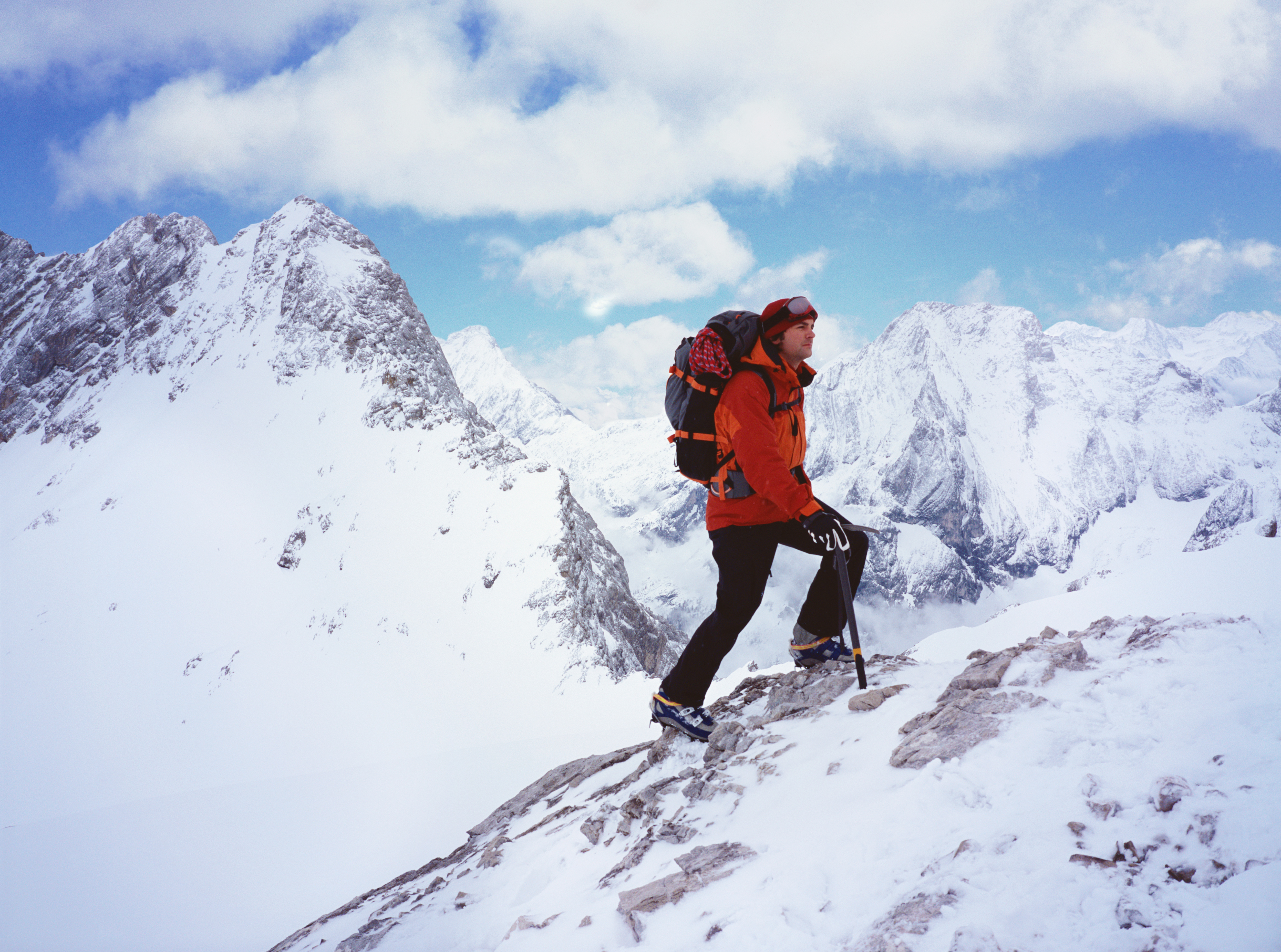
Chasing Light in the High Country: The Art and Craft of Mountain Photography There’s a particular silence you encounter above treeline—a silence that sharpens your senses and makes you acutely aware of every shadow, every shift in color across a distant peak. This is where mountain photography begins, not with camera settings or lens choice, but with patience and presence. After years spent in alpine terrain, I’ve learned that the technical mastery matters far less than understanding how light moves across those distant ridges.

Chasing Light in the Mountains: A Photographer's Guide to Alpine Landscapes

Chasing Light in the Mountains: A Photographer's Guide to Alpine Landscapes

The Mountain’s Demand for Patience I’ve stood on countless ridgelines at dawn, waiting for the first light to spill across a valley I’d hiked to in darkness. There’s something humbling about mountain photography—the landscape won’t bend to your schedule, and the weather won’t cooperate simply because you drove six hours to be there. This is precisely why I love it. Mountains demand something different from us than other landscape subjects. They’re three-dimensional puzzles where light, shadow, and scale interact in ways that a photograph must somehow translate onto a flat plane.

When the Wild Chooses: What This Year's People's Choice Wildlife Winner Reveals About Nature Photography

When the Wild Chooses: What This Year's People's Choice Wildlife Winner Reveals About Nature Photography

A Moment That Transcends Technical Mastery I’ve spent enough time in the field to know that the most memorable photographs often aren’t the ones that check every technical box. This year’s Nuveen People’s Choice Award winner—a captivating image of a lynx in Spain, caught mid-play with its prey—is a perfect example of why audiences connect with certain wildlife moments above all others. The public has spoken, and they’ve chosen something raw, unscripted, and genuinely alive.

The Language of Lines: Mastering Landscape Composition in the Field

The Language of Lines: Mastering Landscape Composition in the Field

The Language of Lines: Mastering Landscape Composition in the Field I’m standing knee-deep in cold stream water at dawn, camera raised, and I realize I’ve been staring at the same scene for ten minutes without taking a single frame. The light is perfect. The mountains are there. The wildflowers are blooming. Yet something feels incomplete, unsettled. This is the moment composition becomes real—not theory, but the physical act of arranging visual elements until they sing together.