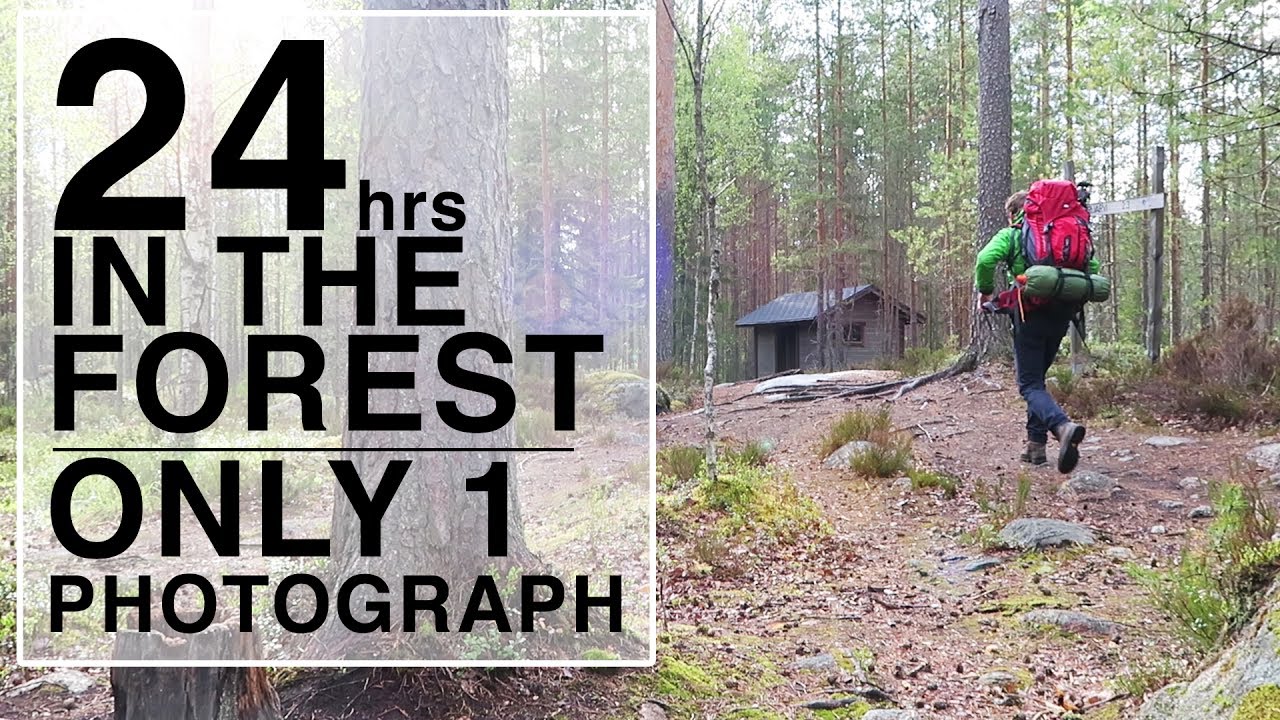
There’s a version of this job that looks heroic from the outside. You drive somewhere beautiful, you set up your tripod, the sky catches fire, and you come home with a card full of keepers. That’s the version people imagine when they see the prints on my wall. The reality is closer to what happened the time I drove six hours to the Oregon coast, sat in fog for two days, and came home with exactly one usable frame. That frame is now my best-selling print. The gap between those two versions of the story is where all the real learning happens.
That’s why I keep returning to Watch the full tutorial on YouTube and specifically to this session from Thomas Heaton, where he documents two days of rain, a deliberate decision to skip sunrise, a campsite switch, a 45-minute search for a composition that never quite worked, and ultimately a single image. Not a single good image out of hundreds. One image, period. What Heaton walks through in this video is less about technique in the technical sense and more about the decisions a working photographer makes when conditions refuse to cooperate. I’ve watched it more than once because it mirrors my own field experience more honestly than most tutorials do.
The framework he demonstrates is replicable. Here’s how to apply it on your own trips.
Step 1: Make a Deliberate, Guilt-Free Decision About Rest
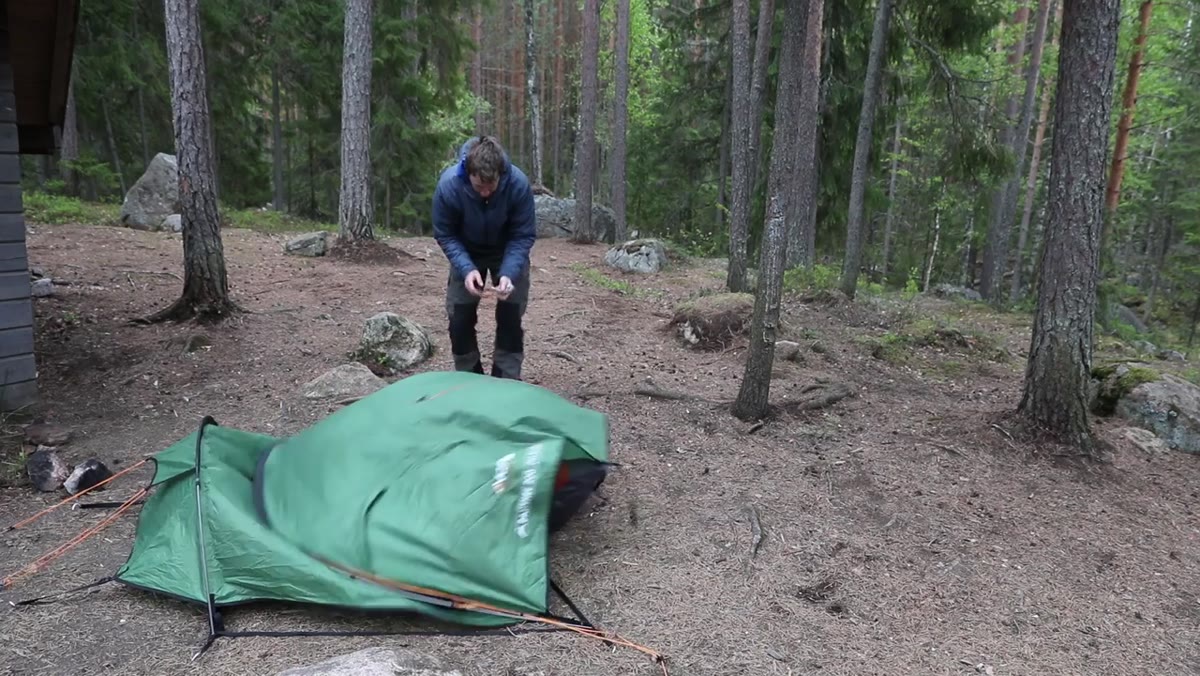 Heaton explaining his intentional decision to sleep past sunrise
Heaton woke at 8 a.m. on a morning when sunrise hit around 3 a.m. He made that call on purpose. Gray skies were forecast, he hadn’t pre-visualized any compositions that would benefit from early light, and his body needed recovery after days in wet conditions. So he slept.
Heaton explaining his intentional decision to sleep past sunrise
Heaton woke at 8 a.m. on a morning when sunrise hit around 3 a.m. He made that call on purpose. Gray skies were forecast, he hadn’t pre-visualized any compositions that would benefit from early light, and his body needed recovery after days in wet conditions. So he slept.
This sounds obvious but most photographers I know, including the version of me from ten years ago, would have dragged themselves out anyway out of guilt or FOMO. The problem is that exhaustion clouds your compositional judgment later in the day when the light actually shows up. Rest is field craft. If the forecast is genuinely flat and you haven’t identified a specific reason the early light will serve you, sleep is the correct answer.
Step 2: Choose Camp Based on Gear Safety, Not Just Views
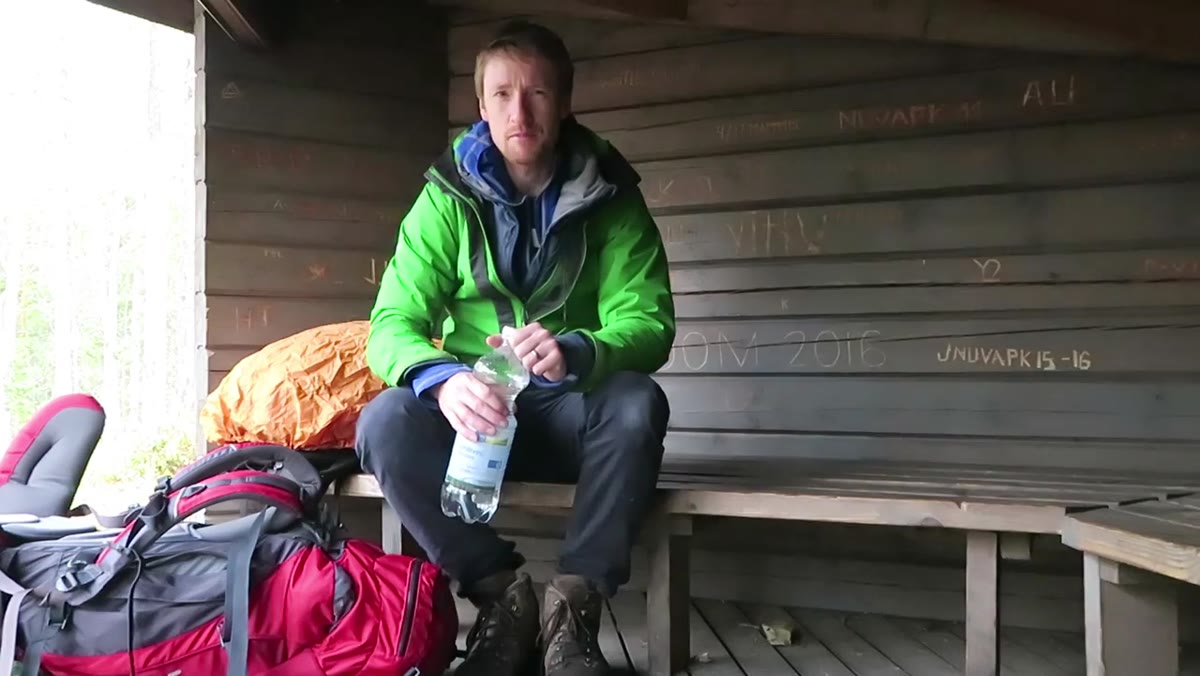 Heaton arriving at second campsite, describing the lean-to shelter
When Heaton relocated to his second campsite, his primary reason for choosing it over alternatives wasn’t the scenery. It was the lean-to. With storms moving through repeatedly, having a covered structure meant his gear stayed dry and his options stayed open. Wet gear, especially wet bags and wet camera bodies operating at the edge of their weather sealing, narrows what you can do.
Heaton arriving at second campsite, describing the lean-to shelter
When Heaton relocated to his second campsite, his primary reason for choosing it over alternatives wasn’t the scenery. It was the lean-to. With storms moving through repeatedly, having a covered structure meant his gear stayed dry and his options stayed open. Wet gear, especially wet bags and wet camera bodies operating at the edge of their weather sealing, narrows what you can do.
On multi-day shoots, I treat base camp logistics the same way I treat exposure decisions: deliberately, not by default. Ask yourself before you commit to a site whether you have a plan if the rain doesn’t stop. If the answer is “I’ll just deal with it,” that’s not a plan.
Step 3: Read the Break in the Clouds Before It Arrives
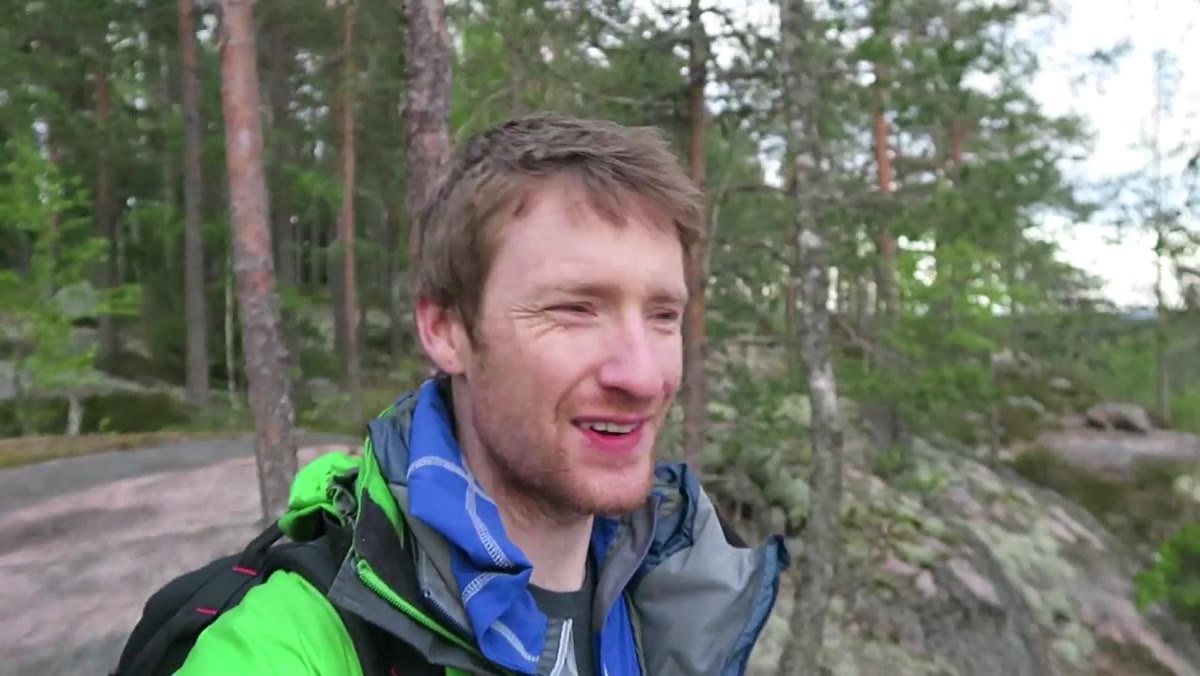 Heaton spotting clearing skies toward the sunset horizon
Once Heaton found his rocky overlook after the walk through the pine forest, the first thing he assessed wasn’t the foreground. It was the horizon in the direction of sunset. He spotted a gap in the cloud cover sitting low on the horizon, with higher clouds above still holding moisture from the day’s rain.
Heaton spotting clearing skies toward the sunset horizon
Once Heaton found his rocky overlook after the walk through the pine forest, the first thing he assessed wasn’t the foreground. It was the horizon in the direction of sunset. He spotted a gap in the cloud cover sitting low on the horizon, with higher clouds above still holding moisture from the day’s rain.
This combination matters. Low horizon gap plus high moisture-laden clouds is one of the better setups for dramatic sunset color. The sun punches through the gap in the final minutes before it drops, and all that particulate matter in the upper atmosphere catches and scatters warm light across the clouds above. After a heavy rain day, you have more of that moisture and particle content in the air than on a clear day. Bad weather followed by a clearing window is frequently better for color than a “nice” day ever is. I check sunset direction with a compass and The Photographer’s Ephemeris before I leave camp. Heaton is doing this assessment visually in real time, which takes practice, but the logic is learnable.
Step 4: Give Yourself a Fixed Window to Find a Composition, Then Move On
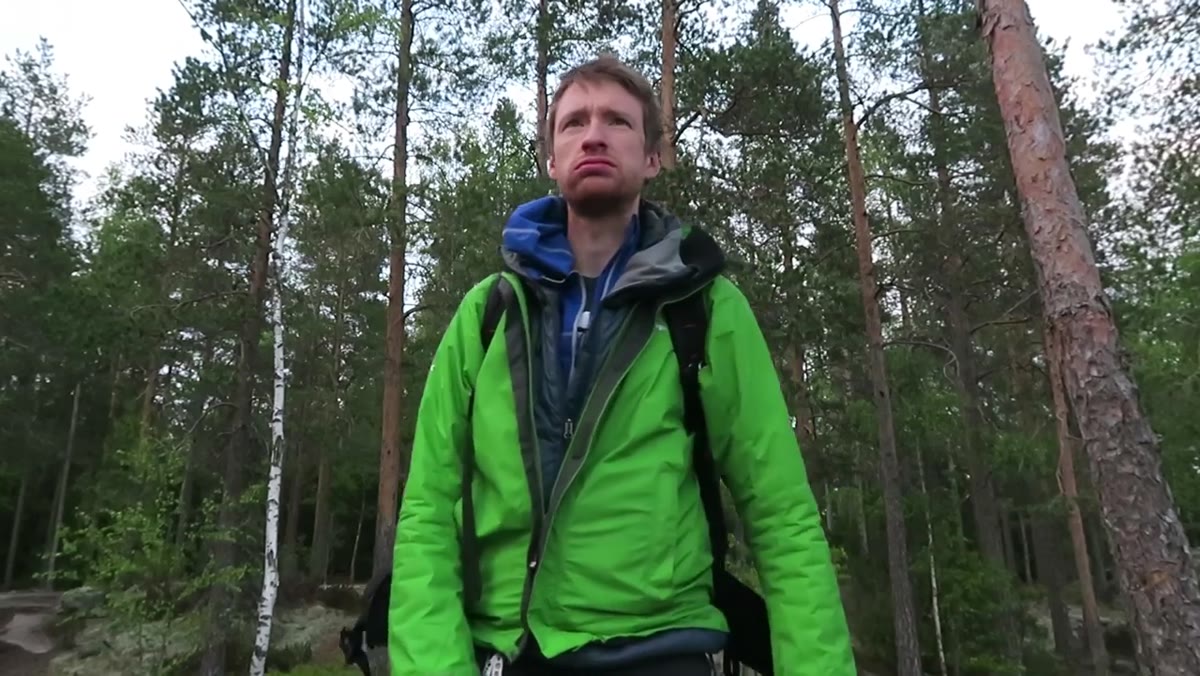 Heaton walking the cliff edge, unable to lock in a composition
Heaton spent roughly 45 minutes working a 50-meter stretch of cliff edge above the lake. He tried long focal lengths, wide angles, different positions. Trees crept into the frame. The most interesting part of the lake kept hiding behind terrain. He couldn’t solve it.
Heaton walking the cliff edge, unable to lock in a composition
Heaton spent roughly 45 minutes working a 50-meter stretch of cliff edge above the lake. He tried long focal lengths, wide angles, different positions. Trees crept into the frame. The most interesting part of the lake kept hiding behind terrain. He couldn’t solve it.
His response was disciplined. He didn’t keep grinding. He noted the time, acknowledged the composition wasn’t there, and shifted his attention toward the small lake back at his campsite as a backup option. Set a time limit before you arrive at a location. I use 30 to 45 minutes as my threshold when I’m working a spot without a pre-visualized shot. If I haven’t found a composition that genuinely excites me by then, I move rather than force it. Forcing a composition you don’t believe in produces images you won’t print.
Step 5: Keep the Backup Location in Play Until the Light Commits
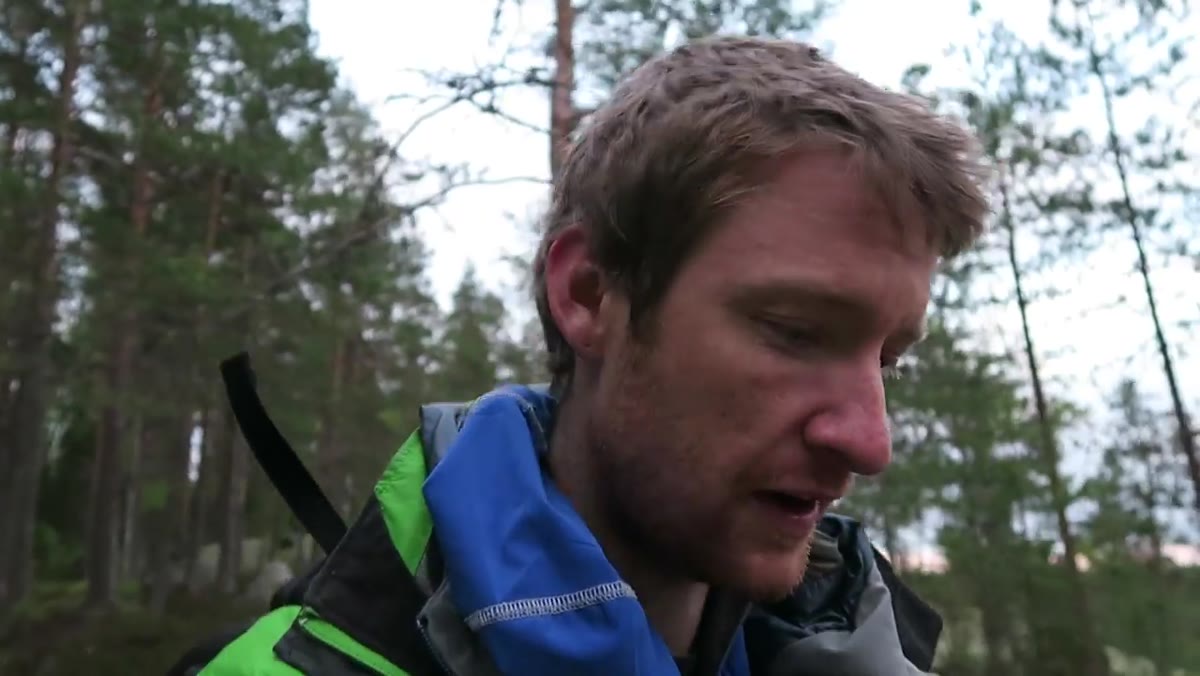 Heaton describing the campsite lake as a potential fallback
Even while working the cliff overlook, Heaton kept the small camp lake in the back of his mind. He was honest that it didn’t have all the elements he wanted, but he also knew that if the sky lit up dramatically, even a modest foreground can work if the light is doing enough heavy lifting.
Heaton describing the campsite lake as a potential fallback
Even while working the cliff overlook, Heaton kept the small camp lake in the back of his mind. He was honest that it didn’t have all the elements he wanted, but he also knew that if the sky lit up dramatically, even a modest foreground can work if the light is doing enough heavy lifting.
This is a practical two-location strategy. Your primary location gets your best effort while conditions are ambiguous. Your backup location stays viable until the light either rewards or abandons you. Don’t abandon the backup too early, and don’t stay at the primary too long out of stubbornness.
What Two Decades of Rain Days Taught Me That Heaton Confirms
I had a mentor early in my career who told me the mountain doesn’t care about your schedule. That sounds harsh, but it’s the most freeing thing someone ever said to me about this work. The conditions you get are the conditions you work with. Heaton’s willingness to document a session that produced one image, maybe zero great ones, and present it as a legitimate teaching moment is what makes this video worth your time.
The mistake I see in newer landscape photographers is the belief that productivity means a full card at the end of the day. It doesn’t. Sometimes it means you slept in because the forecast was genuinely bad, relocated camp with logistics in mind, spent 45 minutes on a composition that didn’t work, and made a single image in a narrow window of light. That’s a good day. That’s the job.
The most important thing Heaton demonstrates here is that every decision, rest, camp selection, cloud reading, the hard stop on a composition search, is active and intentional. Nothing drifts. Even on a day when almost nothing works, he’s always making a considered call. That’s the practice underneath the photography.
Watch the full tutorial on YouTube and pay attention to what Heaton says between the shots. The decisions he narrates out loud are the ones most photographers make silently and badly.
Comments
Leave a Comment