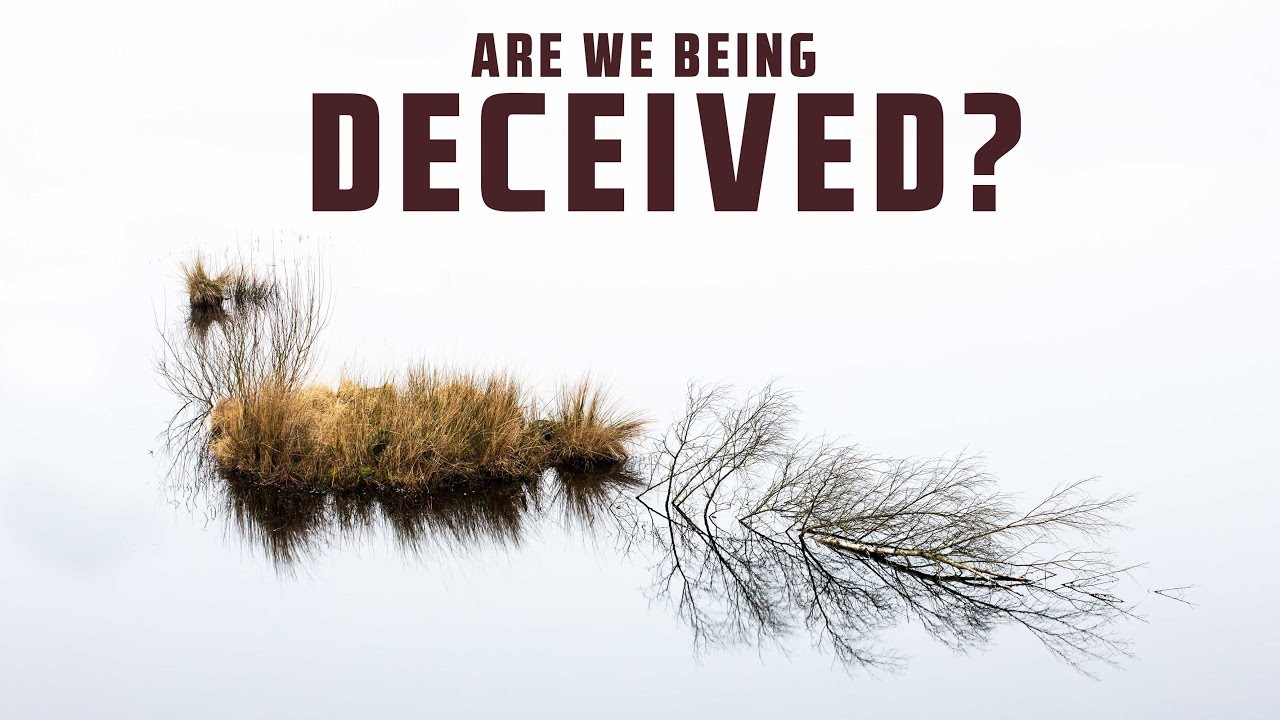
I’ve been making photographs in the field for two decades, and the question I get more than almost any other isn’t about gear or locations. It’s about editing. Specifically, people want to know how much is too much. When does a processed image stop being a photograph and start being something else entirely? I’ve wrestled with that question on cold mornings standing in the Deschutes River and in front of a monitor at midnight, and I still don’t have a clean answer. What I do have is a more honest framework for thinking about it, partly because of a recent tutorial from First Man Photography that cuts straight to the philosophical core of this debate without flinching.
In this First Man Photography tutorial, creator Ross takes on something most photographers talk around rather than about directly: the relationship between authenticity, artistic license, and outright deception in landscape imagery. He approaches it not as a rulebook but as a genuine inquiry, and that’s what makes it worth spending time with. He also connects it to a broader conversation about social media, validation, and why photographers sometimes misrepresent their work or their process, which turns out to be more relevant to image-making than you’d expect.
What I want to do here is pull out the actionable thinking from this video and frame it in a way you can actually apply when you’re standing at a location deciding what to shoot and, later, deciding what to do with what you captured.
Step 1: Recognize That Landscape Photography Is Not Documentary
 Speaker explaining the difference between documentary and artistic photography
The first and most important reframe Ross offers is this: landscape photography has never been a factual record of a scene. The moment you choose a focal length, a position, a time of day, you are making an interpretive decision. You are not a court reporter. You are an artist responding to a place.
Speaker explaining the difference between documentary and artistic photography
The first and most important reframe Ross offers is this: landscape photography has never been a factual record of a scene. The moment you choose a focal length, a position, a time of day, you are making an interpretive decision. You are not a court reporter. You are an artist responding to a place.
This matters practically because it changes how you approach both the shoot and the edit. If you go into a location thinking your job is to document what’s there, you’ll make defensive, literal images. If you understand that your job is to communicate how that place felt to you, you start making choices that have creative intention behind them.
Step 2: Define What You’re Actually Trying to Communicate
 Speaker describing the combination of what he saw and how he felt
Ross describes his own process as trying to combine what he saw on the day, how he felt in that moment, and how he perceived the landscape as a whole. That’s a useful three-part test you can apply to any image before you start editing.
Speaker describing the combination of what he saw and how he felt
Ross describes his own process as trying to combine what he saw on the day, how he felt in that moment, and how he perceived the landscape as a whole. That’s a useful three-part test you can apply to any image before you start editing.
Before you open Lightroom, write down or just mentally answer: what was the light actually doing, what was my emotional response to this place, and what drew my eye to this particular composition? Those three answers become your editorial guardrails. Any processing decision that moves you closer to communicating all three is justified. Any decision that contradicts or fabricates them is where you start to drift into dishonesty.
Step 3: Understand the Difference Between Enhancement and Fabrication
 Speaker discussing post-processing in relation to the original scene
There’s a practical line here that gets blurry fast. Recovering shadows to show detail that was genuinely there but underexposed. that’s enhancement. Replacing a flat gray sky with a dramatic storefront sunset you downloaded from a stock site. that’s fabrication. The test isn’t whether you used software. The test is whether the final image reflects something that was actually present, even if imperfectly captured by your sensor.
Speaker discussing post-processing in relation to the original scene
There’s a practical line here that gets blurry fast. Recovering shadows to show detail that was genuinely there but underexposed. that’s enhancement. Replacing a flat gray sky with a dramatic storefront sunset you downloaded from a stock site. that’s fabrication. The test isn’t whether you used software. The test is whether the final image reflects something that was actually present, even if imperfectly captured by your sensor.
Enhancement includes adjusting white balance to match what your eye actually saw, reducing noise so texture reads clearly, and dodging and burning to direct attention the way your eye was naturally drawn. These are tools in service of a truth. Fabrication is constructing a truth that wasn’t there.
Step 4: Be Honest About Your Intentions When You Share Work
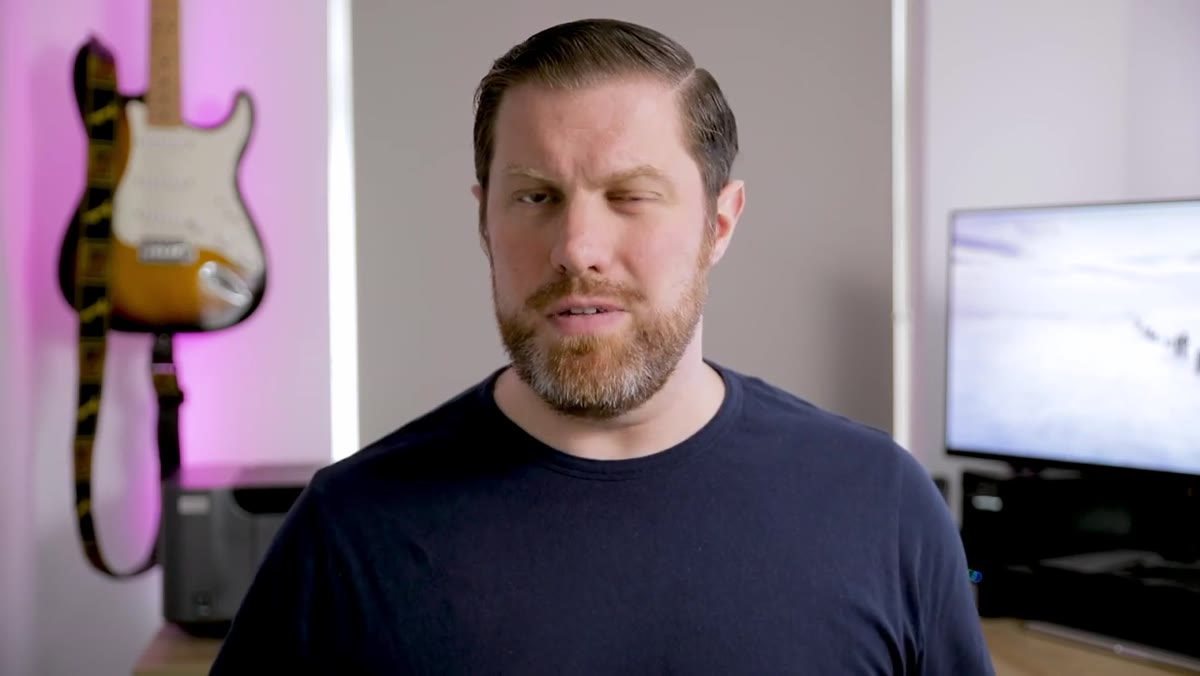 Speaker discussing transparency as a core value of the channel
Ross talks at length about building trust as the foundation of his entire channel, and the same principle applies to how you present your images publicly. If you composite elements from different shoots, say so. If you shot in HDR or blended multiple exposures, that’s not a confession, it’s context.
Speaker discussing transparency as a core value of the channel
Ross talks at length about building trust as the foundation of his entire channel, and the same principle applies to how you present your images publicly. If you composite elements from different shoots, say so. If you shot in HDR or blended multiple exposures, that’s not a confession, it’s context.
The photographers I respect most are ones who can talk plainly about how an image was made. Not because they owe anyone a technical breakdown, but because the conversation around the image becomes richer and more useful. It also protects you. The photography community is smaller than it looks, and people notice when something doesn’t add up.
Step 5: Resist the Numbers Trap That Leads to Compromised Work
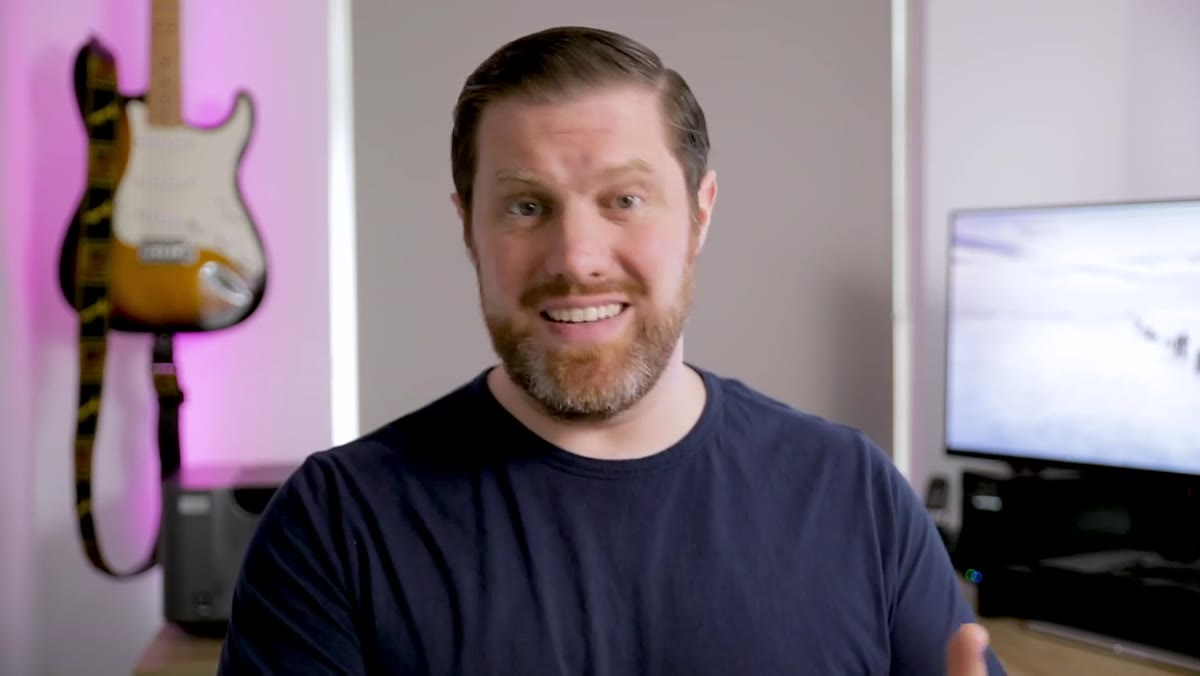 Speaker describing emotional attachment to likes and follower counts
Ross makes a pointed observation about social media ecosystems being built around numbers, and how tying your emotional wellbeing to likes and follower counts creates the conditions where people start cutting corners or misrepresenting their work. He’s right, and I’ve watched it happen to photographers whose early work I genuinely admired.
Speaker describing emotional attachment to likes and follower counts
Ross makes a pointed observation about social media ecosystems being built around numbers, and how tying your emotional wellbeing to likes and follower counts creates the conditions where people start cutting corners or misrepresenting their work. He’s right, and I’ve watched it happen to photographers whose early work I genuinely admired.
The practical discipline here is to evaluate your own work before you post it, not after. Ask yourself if you’d be satisfied with this image if it got zero engagement. If the answer is yes, post it. If the answer is no, either do more work on the image or sit with the uncomfortable question of why you’re making it in the first place.
Step 6: Use Transparency as a Creative Strategy, Not Just an Ethical Obligation
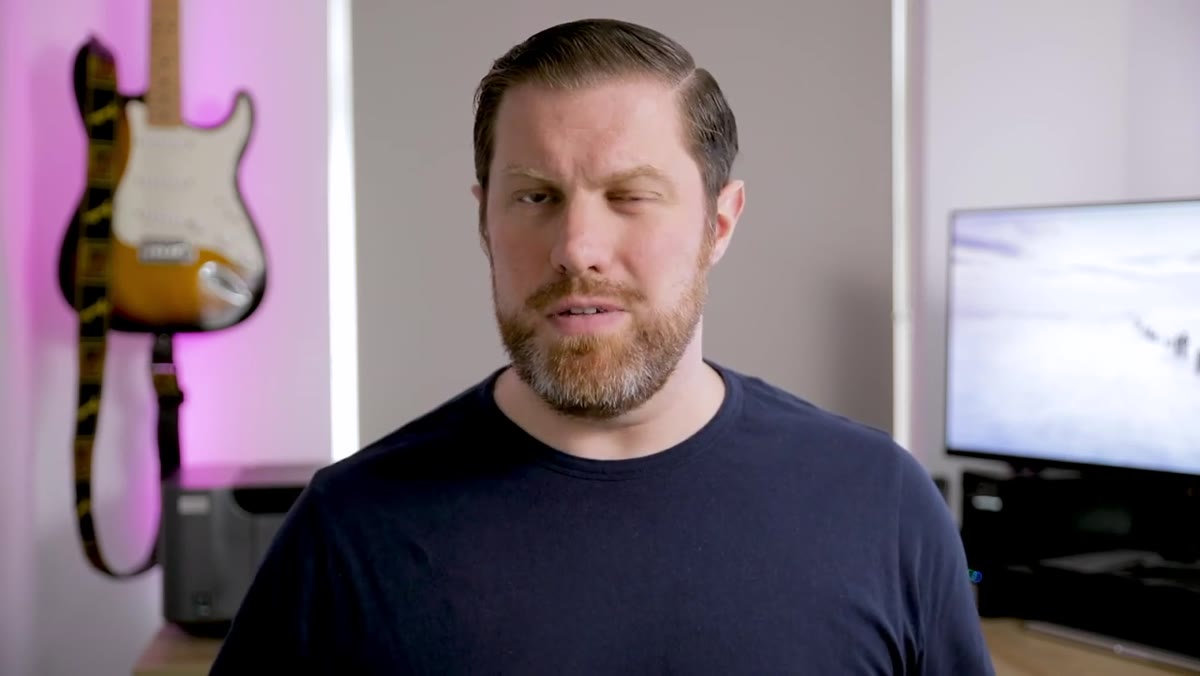 Speaker explaining his decision to share everything he creates
Ross frames his commitment to transparency partly as a growth strategy, and I think that’s undersold. When you’re open about your process, including the failures, you attract an audience that’s genuinely interested in the craft rather than just the highlight reel. That audience is more engaged, more loyal, and more rewarding to create for.
Speaker explaining his decision to share everything he creates
Ross frames his commitment to transparency partly as a growth strategy, and I think that’s undersold. When you’re open about your process, including the failures, you attract an audience that’s genuinely interested in the craft rather than just the highlight reel. That audience is more engaged, more loyal, and more rewarding to create for.
One thing I’ve started doing in my own workshops is showing participants the rejected frames alongside the keepers. Seeing the fifteen shots that didn’t work before the one that did makes the successful image legible in a way it never is when it appears in isolation.
A Field Note from Twenty Years of Mornings
The fog doesn’t lie, and neither does a flat foreground at noon. I’ve learned that the locations that frustrate me most, the ones that refuse to perform, are often the ones that teach me the most about what I was actually hoping to find there versus what was actually present. That gap is worth examining. Sometimes it means coming back at a different time of year. Sometimes it means accepting that the scene you imagined doesn’t exist, and that what does exist in front of you is worth photographing honestly on its own terms.
The ethics of editing in landscape photography aren’t separate from the craft. They’re part of it. Every decision you make in post-processing is a statement about what you believe the photograph is for.
The single most useful takeaway from this tutorial is also the simplest: know what you’re trying to say before you start saying it, and let that intention govern every decision downstream. When the intention is clear and honest, the editing almost makes itself.
Watch the full tutorial on YouTube and hear Ross work through this in his own words. The conversation he’s starting is one every landscape photographer should be having.
Comments (2)
Quality content like this is rare. Keep it up.
This should be required reading for anyone starting out.
Leave a Comment