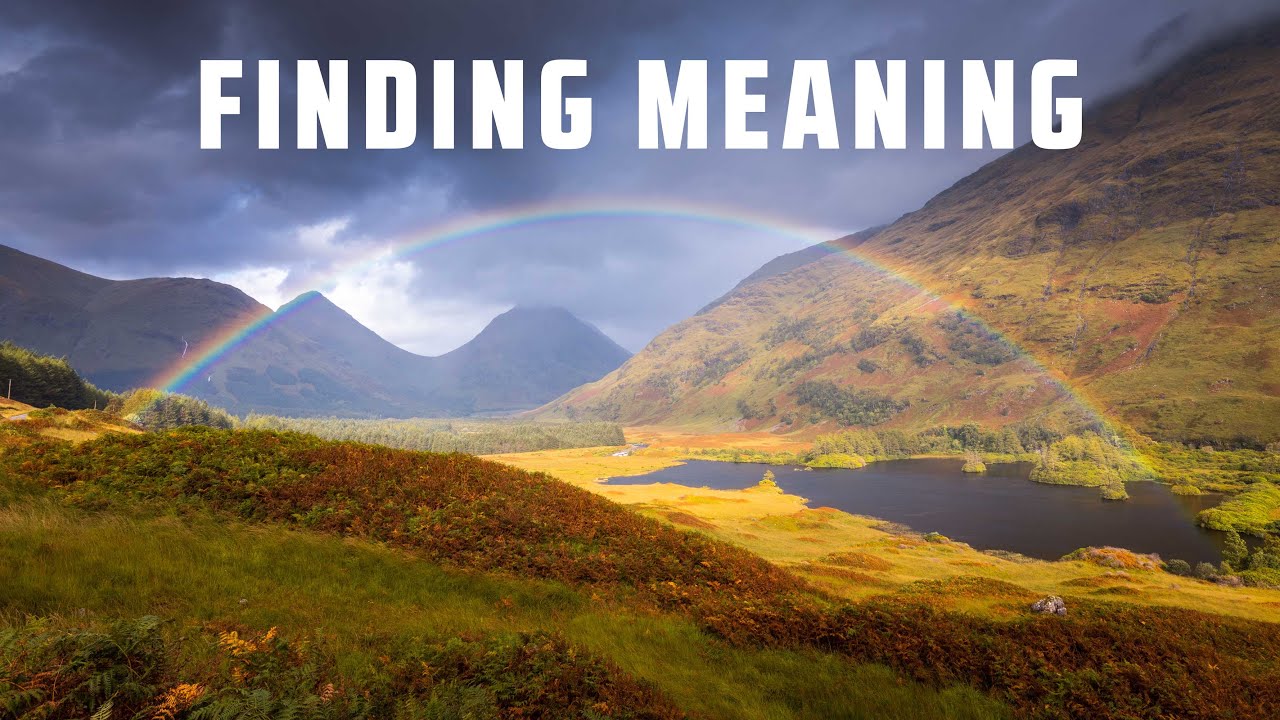
I spent the better part of my first five years as a photographer obsessed with gear. New lenses, sharper sensors, faster cards. I could tell you the diffraction limit of any aperture on any crop-sensor body, but I couldn’t tell you what I was actually trying to say with any given image. The photos were technically clean and completely empty. It took a long time, and a mentor who once told me “the mountain doesn’t care about your schedule,” to understand that I had been solving the wrong problem entirely.
That’s why a recent tutorial from Neil Burnell over at First Man Photography stopped me mid-coffee on a Tuesday morning. Watch the full tutorial on YouTube — it’s worth your full attention. The video is called Finding Meaning in your Landscape Photography, and while the title sounds abstract, the argument inside it is one of the most practically useful things I’ve seen directed at landscape photographers in years. It gave me a framework I’ve since used to reexamine almost everything I shoot.
What follows is my breakdown of the core ideas, expanded with what I’ve learned from two decades of dragging myself out of bed at 4am to stand in cold fields and wait for light. If you’ve ever come home from a shoot with technically perfect images that felt hollow, this is the tutorial you’ve been missing.
Step 1: Recognize the 90/10 Split
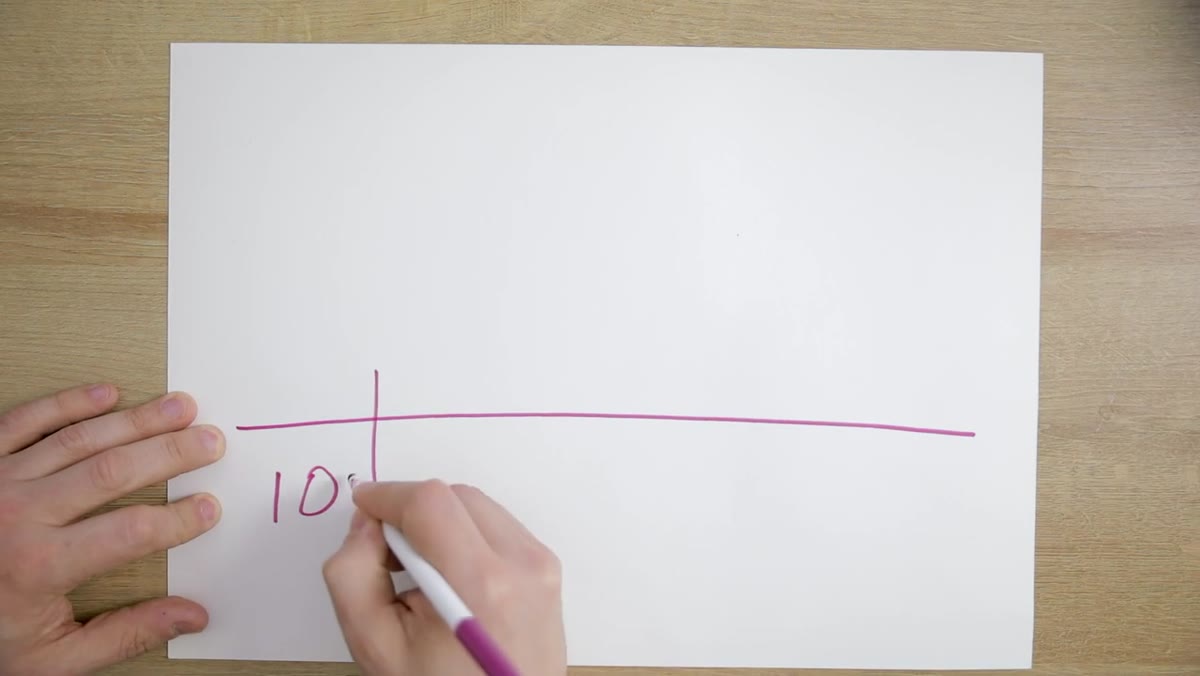 Diagram showing 10% technical and 90% artistic split
Neil opens with a ratio that should be printed on the wall of every photography classroom: technical mastery accounts for roughly 10% of what makes a great image. The other 90% is art. Composition, emotional intent, storytelling, the decision about what to include and what to leave out – that’s where great photography actually lives. He’s explicit that composition belongs in the artistic 90%, not the technical 10%, because composition is the language you use to tell your story.
Diagram showing 10% technical and 90% artistic split
Neil opens with a ratio that should be printed on the wall of every photography classroom: technical mastery accounts for roughly 10% of what makes a great image. The other 90% is art. Composition, emotional intent, storytelling, the decision about what to include and what to leave out – that’s where great photography actually lives. He’s explicit that composition belongs in the artistic 90%, not the technical 10%, because composition is the language you use to tell your story.
The practical implication here is immediate. If you’re spending 90% of your learning time on settings, sharpness, and software, you are, by definition, training the smaller muscle. Start auditing where your attention actually goes. The next time you come home from a shoot, ask yourself how much time you spent thinking about what you wanted to communicate versus which f-stop you were using.
Step 2: Understand Why Over-Indexing on Tech Does Real Damage
 Host speaking to camera about photographer reputation and gear comments
This step is uncomfortable, and it should be. Neil points out that when non-photographers see a genuinely moving landscape image and say “wow, you must have a great camera,” we’ve actually trained them to respond that way. When every public conversation photographers have revolves around megapixels, ISO performance, and lens sharpness, we’ve framed our own work as a product of equipment rather than vision. We did that to ourselves.
Host speaking to camera about photographer reputation and gear comments
This step is uncomfortable, and it should be. Neil points out that when non-photographers see a genuinely moving landscape image and say “wow, you must have a great camera,” we’ve actually trained them to respond that way. When every public conversation photographers have revolves around megapixels, ISO performance, and lens sharpness, we’ve framed our own work as a product of equipment rather than vision. We did that to ourselves.
I’ve felt this at my own print sales. Clients who don’t shoot sometimes ask about the camera before they ask about the location or the story. After watching this video, I realized I had contributed to that framing by leading with gear talk in my own workshops. Now I open every workshop session by asking students what they want a viewer to feel when they look at an image. The gear conversation comes later, and it’s shorter.
Step 3: Separate “Capturing” a Shot From Creating One
 Host explaining the difference between mechanical picture-taking and intentional art
Neil draws a sharp line between going out to “get the shot” and going out to make something meaningful. His point is direct: a trained animal can walk to a scenic overlook and trigger a shutter. The thing that separates a photographer from that is intent. If landscape photography is purely a technical exercise – location scouted, exposure dialed, shutter clicked – it becomes a checklist, and checklists get boring fast.
Host explaining the difference between mechanical picture-taking and intentional art
Neil draws a sharp line between going out to “get the shot” and going out to make something meaningful. His point is direct: a trained animal can walk to a scenic overlook and trigger a shutter. The thing that separates a photographer from that is intent. If landscape photography is purely a technical exercise – location scouted, exposure dialed, shutter clicked – it becomes a checklist, and checklists get boring fast.
This is something I’ve experienced personally on long trips. I once drove six hours to a basalt canyon in eastern Oregon, sat in dense fog for two days, and came home with one usable frame. Technically, the trip was a failure. That single foggy frame became my best-selling print, because the fog forced me to think about atmosphere and stillness rather than executing a pre-visualized “hero shot.” The meaning came from surrendering the checklist.
Step 4: Treat Photography as Communication, Not Documentation
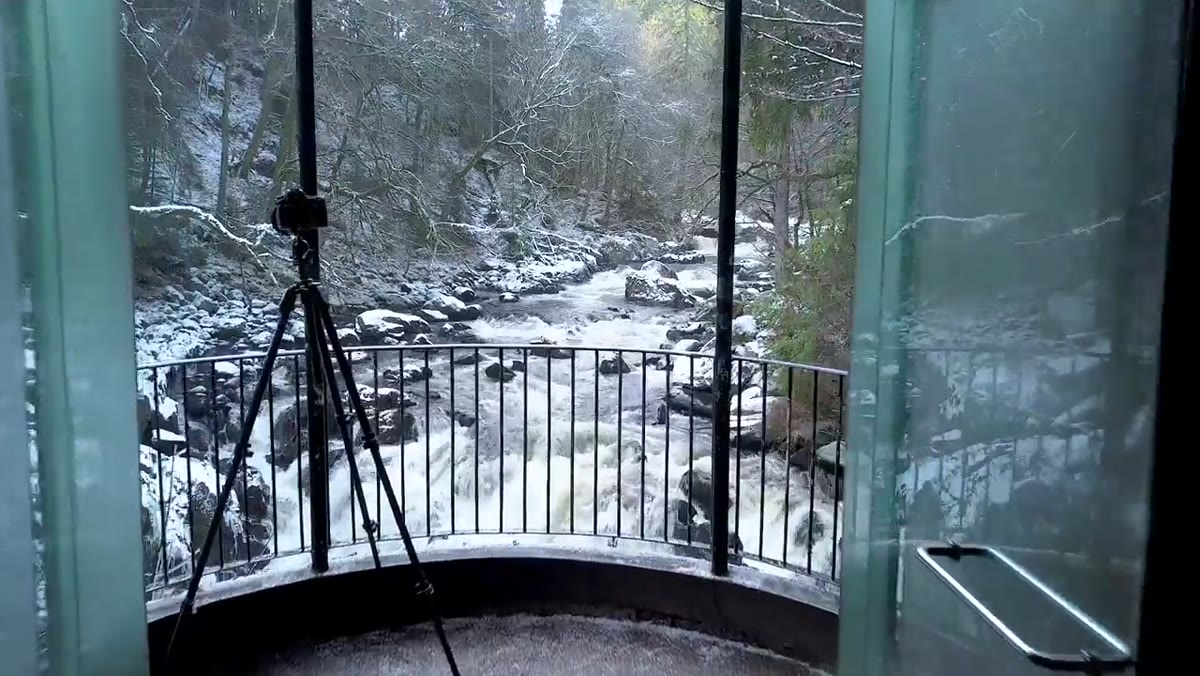 Host framing art as the transfer of an idea from artist to viewer
Art, Neil argues, is the transfer of an idea from one mind to another. The photographer has a thought, a feeling, a specific response to a place – and the image is the vehicle for moving that experience into the viewer. This is not a soft or optional part of the craft. It’s the actual purpose of making images.
Host framing art as the transfer of an idea from artist to viewer
Art, Neil argues, is the transfer of an idea from one mind to another. The photographer has a thought, a feeling, a specific response to a place – and the image is the vehicle for moving that experience into the viewer. This is not a soft or optional part of the craft. It’s the actual purpose of making images.
The practical exercise here is to articulate your intent before you raise the camera. Not in a formal written statement, but even just a quiet internal question: what is it about this scene that I want someone else to feel? Loneliness? Scale? Tenderness? Peace? Once you have that word or phrase, every compositional decision – where you stand, what you include, how much sky you give the frame – becomes a choice you can evaluate against that intent rather than against a rulebook.
Step 5: Reconnect With Emotion as a Creative Tool
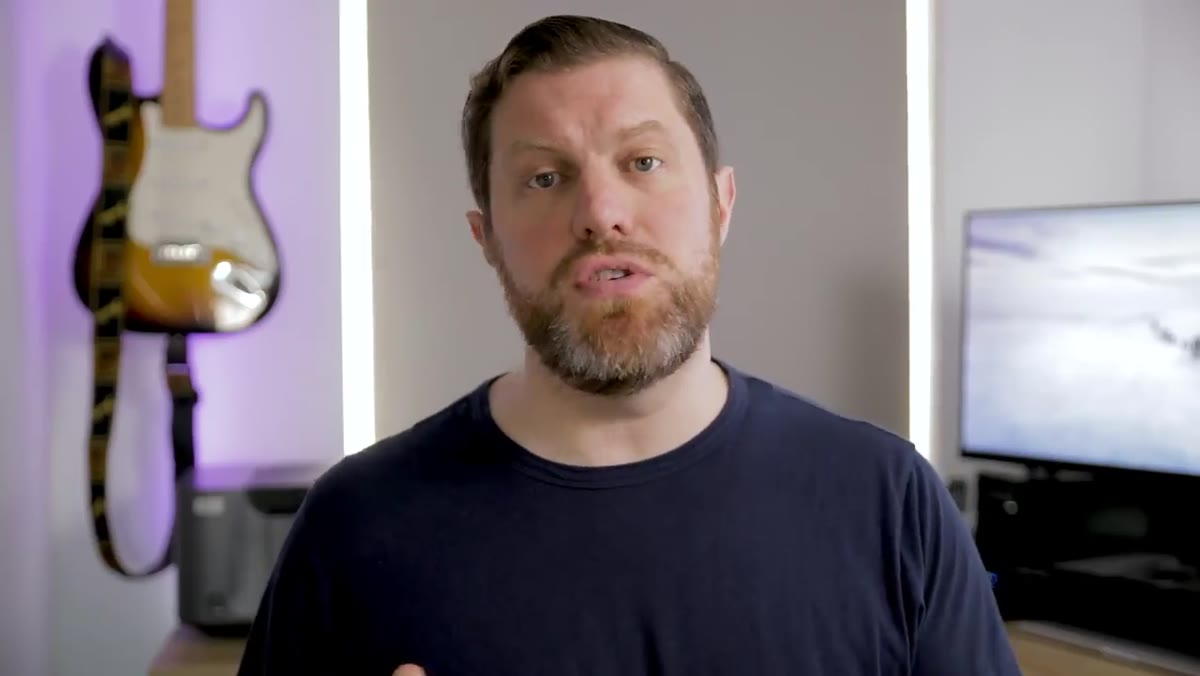 Host discussing emotional connection and storytelling in landscape work
Neil acknowledges that for photographers with a technical background, the idea of “connecting with emotions” can feel vague or even embarrassing. He quotes a commenter who basically asked whether meaningful photography requires crying into a napkin. His answer is pointed: dismissing the emotional layer of photography doesn’t make you more rigorous, it makes your work less interesting.
Host discussing emotional connection and storytelling in landscape work
Neil acknowledges that for photographers with a technical background, the idea of “connecting with emotions” can feel vague or even embarrassing. He quotes a commenter who basically asked whether meaningful photography requires crying into a napkin. His answer is pointed: dismissing the emotional layer of photography doesn’t make you more rigorous, it makes your work less interesting.
Emotion in this context doesn’t mean sentimentality. It means noticing what draws you to a specific scene – the quality of light on a particular ridge, the way fog holds in a valley, the stillness of a lake before wind arrives – and letting that noticing inform your framing. I still shoot a roll of film every few months partly for this reason. When each frame costs something, you slow down and actually feel the scene before you commit. It’s a useful reset.
What I’d Add From the Field
Neil’s framework is solid, but one thing I’d layer on top of it is the idea of returning to the same locations over time. A single visit gives you one emotional read on a place. Ten visits across different seasons and conditions give you a relationship with it. Some of my most intentional images have come from places I’ve photographed dozens of times – not because I finally found the perfect conditions, but because I finally understood what that place meant to me specifically. You can’t communicate a feeling about a landscape you don’t actually know.
Meaning in your photography isn’t something you find on a single morning shoot. It accumulates through attention, through returning, and through asking “why does this matter to me?” more often than “what settings should I use?”
The single most important idea in this tutorial is that the “why” of an image will always outlast the “how.” Viewers don’t remember your aperture. They remember how a photograph made them feel.
Watch the full tutorial on YouTube and sit with the 90/10 split. Then go back through your recent work and ask honestly which side of that line you’ve been training.
Comments
Leave a Comment