The Unplanned Shoot: How Surrendering Your Shot List Can Unlock Better Landscape Photography

The Unplanned Shoot: How Surrendering Your Shot List Can Unlock Better Landscape Photography

I am, by nature, a planner. I have a spreadsheet with moon phases, a folder of location pins organized by season, and a notes app full of compositions I’ve been mentally rehearsing for months. For twenty years, that structure has served me well. It’s also made me lazy in ways I didn’t notice until recently. I kept returning to the same locations, the same angles, the same reliable shots that I knew would work.
The One Habit That Changed How I Read Light in the Field

The One Habit That Changed How I Read Light in the Field

There’s a particular kind of frustration I know well. You’ve driven hours to a location, you have a shot locked in your mind from scouting images online, and then the light does something completely different from what you expected. For years, I’d treat that as a failure. I’d force the original composition anyway, come home with mediocre frames, and wonder what went wrong. It took a long time, and more blank memory cards than I’d like to admit, before I understood the real problem: I was showing up with a finished photograph in my head instead of a camera in my hands.

Why Your Best Landscape Photos Have Nothing to Do With Your Camera

Why Your Best Landscape Photos Have Nothing to Do With Your Camera

I spent the better part of my first five years as a photographer obsessed with gear. New lenses, sharper sensors, faster cards. I could tell you the diffraction limit of any aperture on any crop-sensor body, but I couldn’t tell you what I was actually trying to say with any given image. The photos were technically clean and completely empty. It took a long time, and a mentor who once told me “the mountain doesn’t care about your schedule,” to understand that I had been solving the wrong problem entirely.

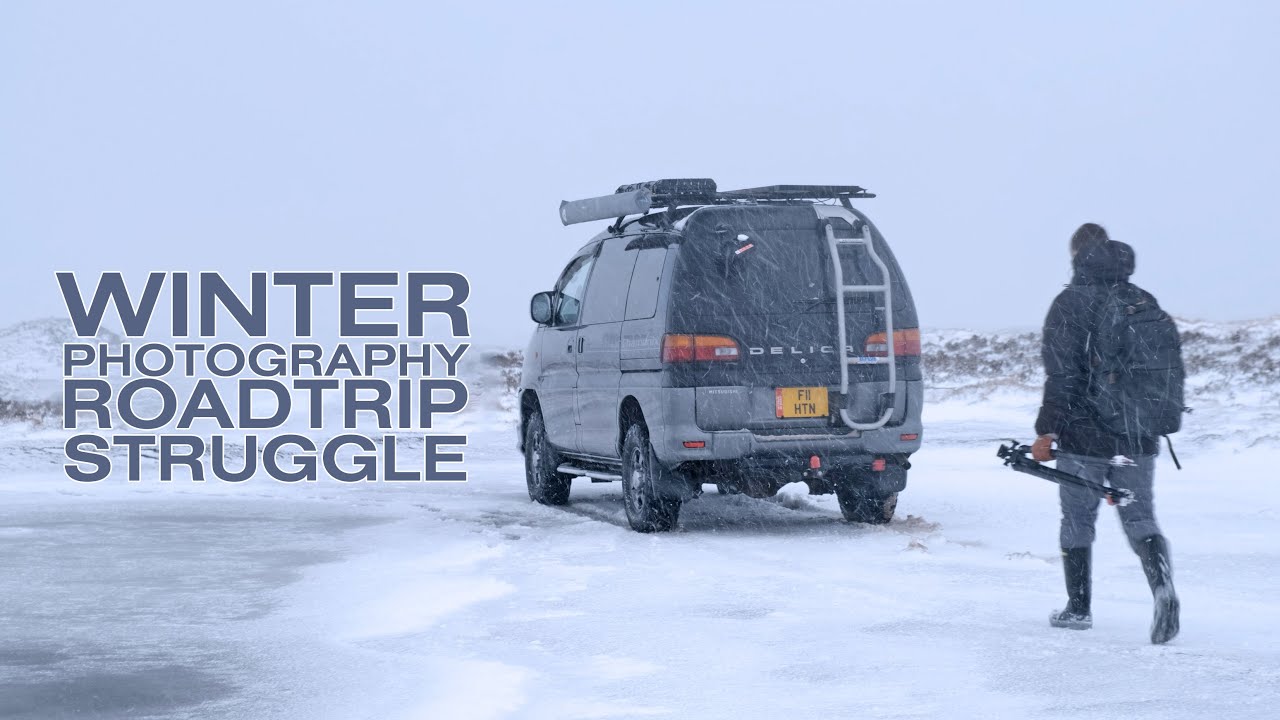
When the Slump Hits Hard: What Thomas Heaton's Spontaneous Scotland Trip Taught Me About Getting Unstuck

When the Slump Hits Hard: What Thomas Heaton's Spontaneous Scotland Trip Taught Me About Getting Unstuck

There’s a specific kind of paralysis that hits experienced photographers harder than beginners. Beginners don’t know what they’re missing. Veterans do. They’ve had the great light, the perfect snow, the frame that stopped them cold — and when those moments aren’t coming, sitting at home feels worse than doing nothing. I’ve been there more times than I’d like to admit. The gear is clean, the batteries are charged, and I still can’t make myself drive to the trailhead.

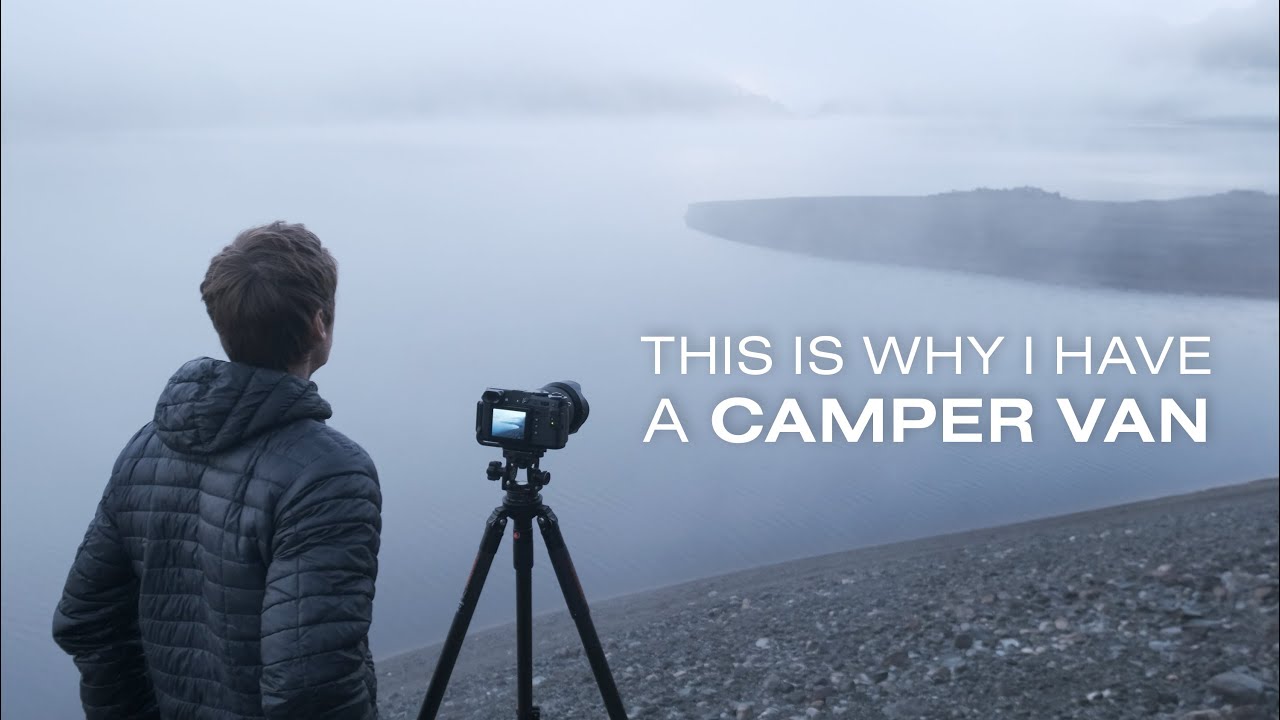
How Accidental Discoveries Make Better Landscape Photos: Lessons from Thomas Heaton's Lake District Van Trip

How Accidental Discoveries Make Better Landscape Photos: Lessons from Thomas Heaton's Lake District Van Trip

There’s a particular kind of dread I know well. You’ve driven out before dawn, the weather app is showing a flat gray slab of cloud, and you genuinely cannot picture a single frame worth making. I’ve been shooting landscapes for twenty years and that feeling has never fully gone away. What has changed is what I do with it. I’ve learned, sometimes painfully, that aimlessness in the field is not a character flaw.

Three Hard-Won Lessons That Will Change How You Approach Landscape Photography

Three Hard-Won Lessons That Will Change How You Approach Landscape Photography

There is a particular kind of frustration that only landscape photographers know. You have driven hours, hiked in the dark, set up your tripod in exactly the right spot, and then a wall of cloud swallows the light thirty seconds before golden hour peaks. I have been standing in that exact moment more times than I can count, and after twenty years of doing this professionally, I still have not found a way to make it hurt less.