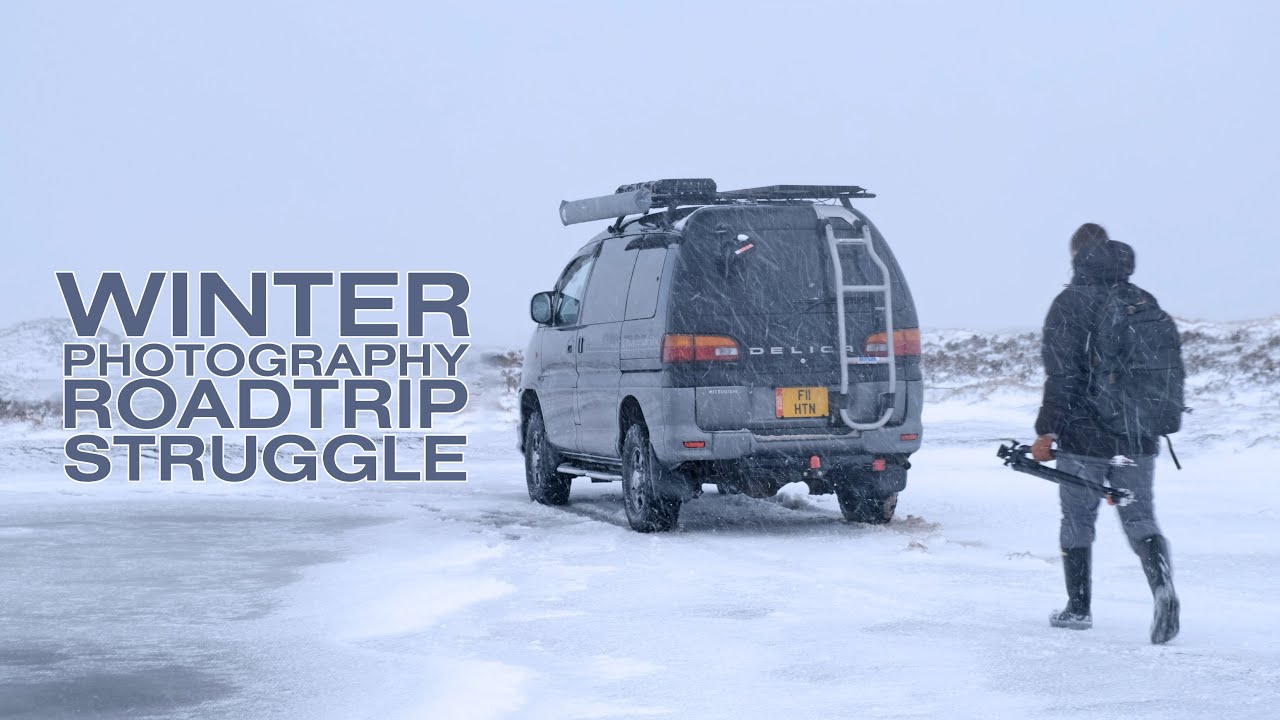
There’s a specific kind of paralysis that hits experienced photographers harder than beginners. Beginners don’t know what they’re missing. Veterans do. They’ve had the great light, the perfect snow, the frame that stopped them cold — and when those moments aren’t coming, sitting at home feels worse than doing nothing. I’ve been there more times than I’d like to admit. The gear is clean, the batteries are charged, and I still can’t make myself drive to the trailhead. It’s not laziness. It’s the weight of expectation crushing the impulse to just go.
That’s exactly why a recent Thomas Heaton tutorial stopped me mid-scroll. Watch the full tutorial on YouTube — the video isn’t a technical breakdown of settings or editing. It’s something more useful for a working photographer in a creative rut: a real-time document of a last-minute, zero-plan trip to Scotland chasing a storm forecast. Heaton throws gear in the van, stops at the supermarket, drives five hours north into wind and snow, and parks on Rannoch Moor with no concrete plan. The methodology is the message.
What follows is my attempt to extract the actual field process from that video — the decisions, the mindset, the logistics — and translate it into something you can replicate when you need to break your own slump.
Step 1: Respond to the Forecast, Not the Calendar
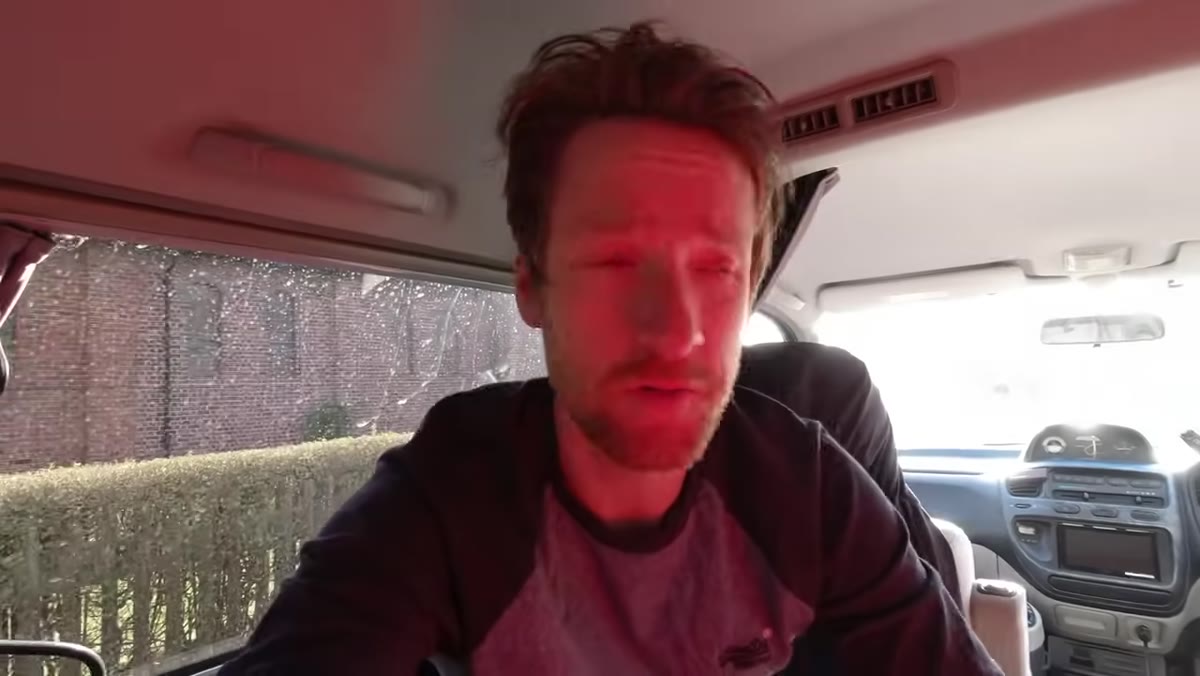 Thomas Heaton loading gear into van last minute
Most of my best work happened when I reacted fast to conditions rather than waiting for a perfectly scheduled trip. Heaton sees a forecast showing a significant storm system moving into Scotland, with snow and dramatic skies, and he leaves within hours. He doesn’t wait for the weekend. He doesn’t consult a shot list. The forecast is the invitation and he accepts it immediately.
Thomas Heaton loading gear into van last minute
Most of my best work happened when I reacted fast to conditions rather than waiting for a perfectly scheduled trip. Heaton sees a forecast showing a significant storm system moving into Scotland, with snow and dramatic skies, and he leaves within hours. He doesn’t wait for the weekend. He doesn’t consult a shot list. The forecast is the invitation and he accepts it immediately.
Practically speaking, this means building a system where you can actually leave fast. Keep a bag that stays 80 percent packed. Know your non-negotiable gear versus your nice-to-have gear. Heaton mentions throwing in his Fujifilm GFX50R, a winter jacket, some food, and a power station. That’s a complete kit. The discipline is in knowing what to leave behind so departure stays possible.
Step 2: Build the Van (or Car) as a Base of Operations
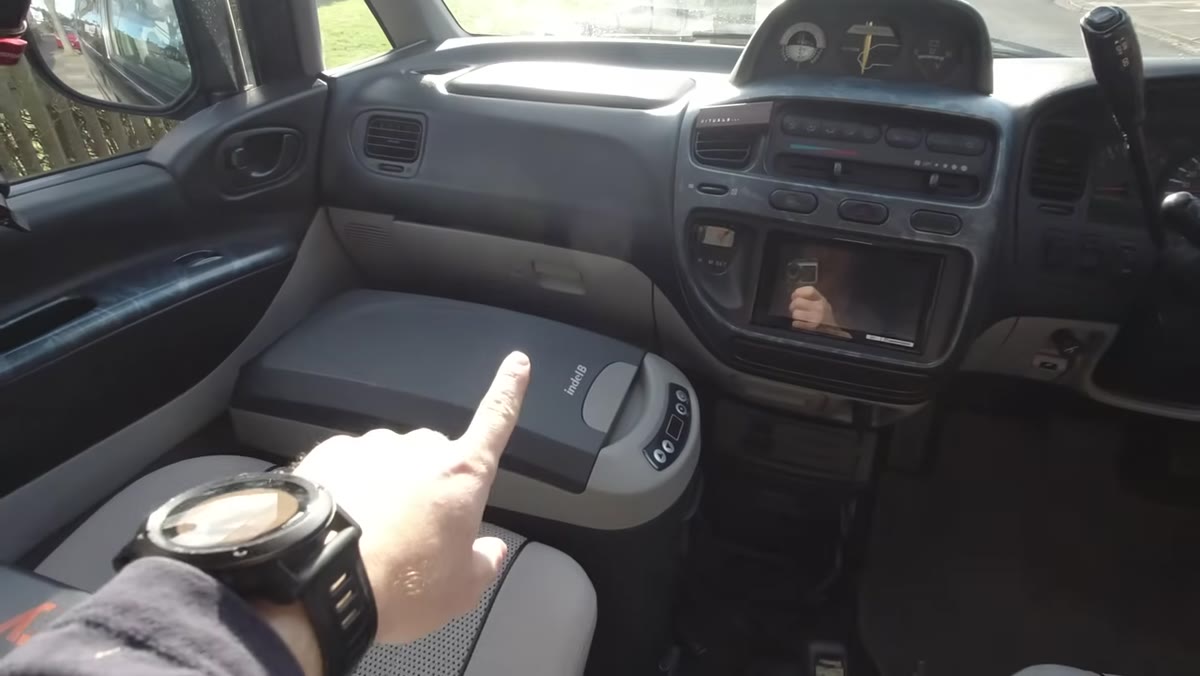 Interior of van showing fridge, Jackery power station, gear
The reason Heaton can make spontaneous trips like this is infrastructure. His van has a fridge, a Jackery 1000 power station, cooking gear, and enough food to get through a few days. This isn’t glamping. It’s logistics that remove friction between you and the location. When your shelter and your food are already in the vehicle, you can park at Rannoch Moor in minus-two celsius and stay as long as the light demands.
Interior of van showing fridge, Jackery power station, gear
The reason Heaton can make spontaneous trips like this is infrastructure. His van has a fridge, a Jackery 1000 power station, cooking gear, and enough food to get through a few days. This isn’t glamping. It’s logistics that remove friction between you and the location. When your shelter and your food are already in the vehicle, you can park at Rannoch Moor in minus-two celsius and stay as long as the light demands.
If you’re not working from a van, the same principle applies to your car kit. A small cooler, a sleeping bag rated below what you expect, a headlamp, and a camp stove eliminate the need to find accommodation near a location. Some of my most productive shoots came after sleeping in my truck bed in eastern Oregon, two hours from the nearest town, because I could stay for the second morning instead of driving back after the first.
Step 3: Drive Toward the Weather, Not Away From It
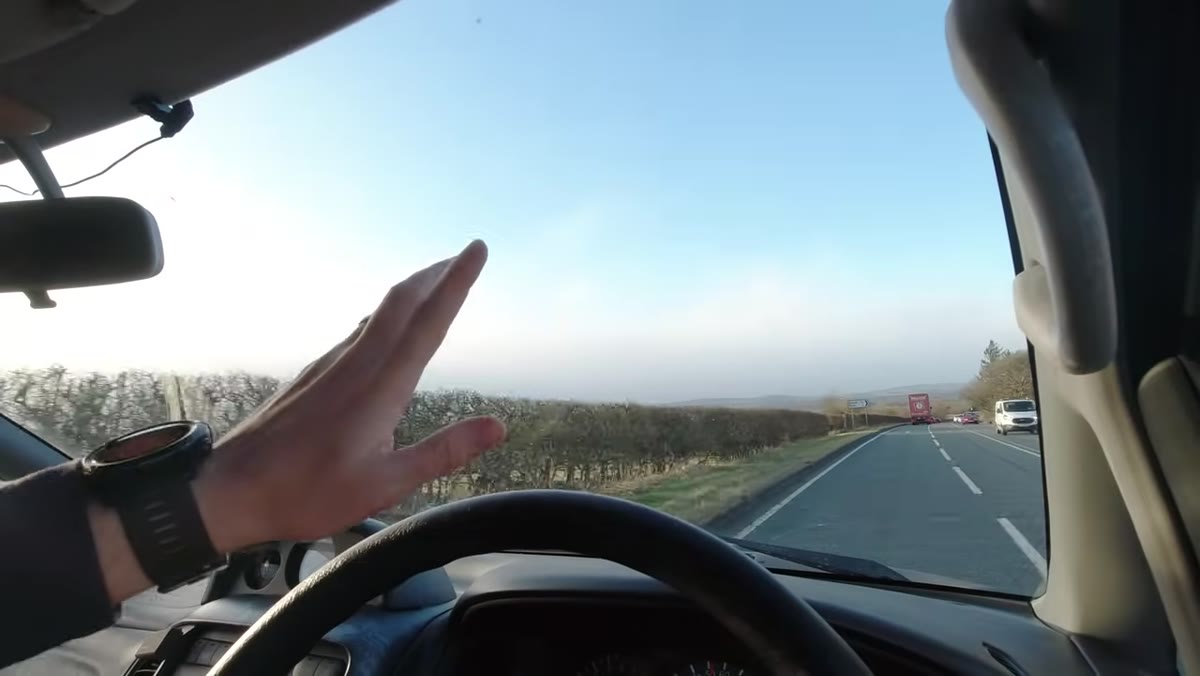 Storm clouds visible on horizon through windshield
Heaton describes seeing clear blue sky behind him and a wall of storm clouds ahead and making a deliberate choice to drive into the darkness. This is counterintuitive for most people but it’s fundamental field craft for landscape photographers. The dramatic frame almost never exists under benign conditions. The interesting sky, the texture, the contrast between light and shadow — that all lives at the edge of a storm system.
Storm clouds visible on horizon through windshield
Heaton describes seeing clear blue sky behind him and a wall of storm clouds ahead and making a deliberate choice to drive into the darkness. This is counterintuitive for most people but it’s fundamental field craft for landscape photographers. The dramatic frame almost never exists under benign conditions. The interesting sky, the texture, the contrast between light and shadow — that all lives at the edge of a storm system.
Practically, this means learning to read weather radar in terms of what it will look like on a hillside, not just whether it will be wet. A frontal boundary moving through creates the kind of alternating light and shadow that makes a mountain range look three-dimensional. A squall clearing after heavy snow produces that brief golden window where everything is white and the light is warm. Heaton is banking on exactly that scenario when he parks for the night.
Step 4: Accept the Uncertainty as Part of the Process
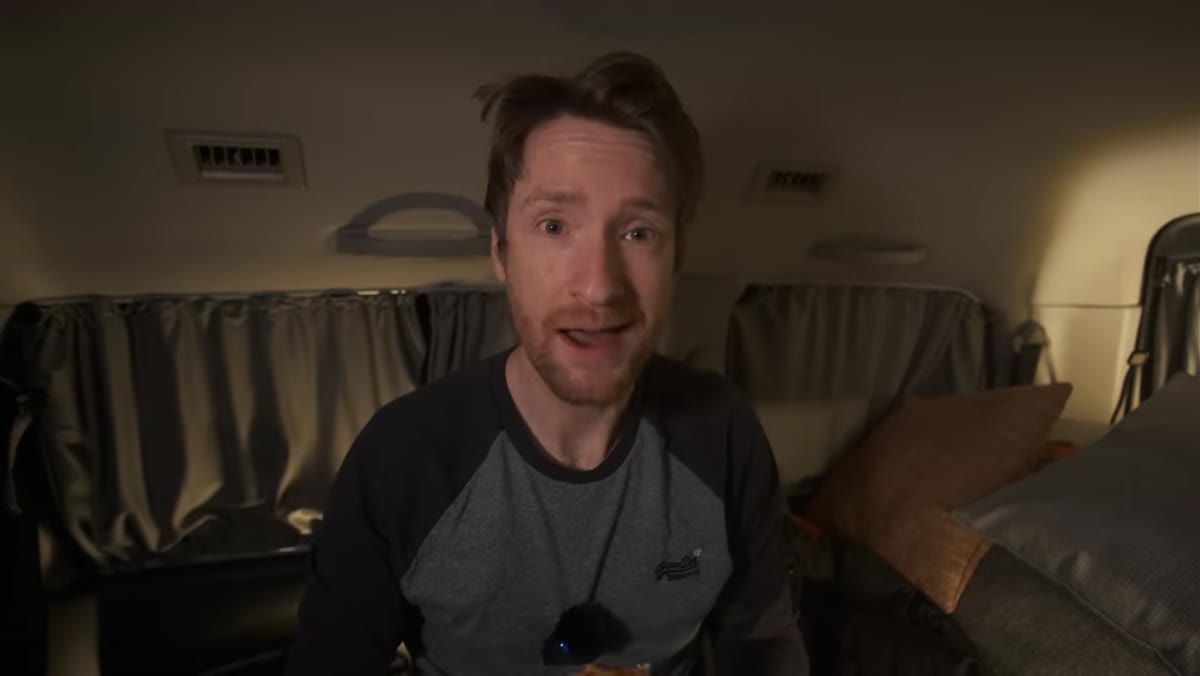 Heaton speaking to camera with no concrete plan stated
One of the most useful moments in this video is when Heaton admits he arrived in Glencoe with no idea what he was going to photograph over the next few days. No specific locations pinned, no shot lists, no agenda. For someone who makes their living from landscape photography, that’s a deliberate choice, not a failure to prepare.
Heaton speaking to camera with no concrete plan stated
One of the most useful moments in this video is when Heaton admits he arrived in Glencoe with no idea what he was going to photograph over the next few days. No specific locations pinned, no shot lists, no agenda. For someone who makes their living from landscape photography, that’s a deliberate choice, not a failure to prepare.
My mentor once told me that the mountain doesn’t care about your schedule. I’ve thought about that almost every time I’ve built an expectation around a trip. The locations that surprised me most were the ones I approached without a locked-in vision. That openness makes you responsive to what’s actually happening instead of hunting for what you imagined. Heaton’s zero-plan arrival is a technique, not an accident.
Step 5: Cook Something Real and Settle In
 Ridge Monkey pan being used to cook pizza in van
This step sounds small but it matters. Heaton spends time cooking a pizza on a ridge monkey pan, trimming it to fit, eating the scraps. He’s not rushing to scout at midnight in a blizzard. He’s settling the body so the mind can reset. Field photography is physical work and treating the overnight stop as a genuine rest, not just an interruption, directly affects what you can do at 5am.
Ridge Monkey pan being used to cook pizza in van
This step sounds small but it matters. Heaton spends time cooking a pizza on a ridge monkey pan, trimming it to fit, eating the scraps. He’s not rushing to scout at midnight in a blizzard. He’s settling the body so the mind can reset. Field photography is physical work and treating the overnight stop as a genuine rest, not just an interruption, directly affects what you can do at 5am.
Cold affects everything — your hands, your focus, your decision-making. Eating a hot meal, getting warm, and sleeping properly in a location means you’re not fighting your own exhaustion when the light happens. This is the unglamorous logistics that separates a productive trip from a miserable one.
What I’d Add From Twenty Years in the Field
The element Heaton doesn’t articulate but demonstrates throughout the video is the relationship between discomfort and creative momentum. The slump he mentions in the title isn’t solved by a perfect location or ideal conditions. It’s broken by movement. Getting in the van, making the drive, parking in the storm. The act of committing to difficult conditions seems to reset something in the creative process that comfortable planning cannot.
I once drove six hours to the Oregon coast expecting a specific tide and fog combination, sat in pea soup for two days, and came home with one usable frame. It became my best-selling print. I was never more present than on that second morning when I stopped waiting for the conditions to change and just started working with what was there. Heaton’s spontaneous Scotland trip runs on the same logic. The van rocking in the wind on Rannoch Moor isn’t an obstacle to the photography. It is the photography.
The single most important thing this video demonstrates is that creative momentum is a physical act before it’s a mental one. You break the slump by moving, not by waiting to feel ready. Load the van, check the forecast, drive toward the weather.
Watch the full tutorial on YouTube and pay attention to what Heaton doesn’t plan. That’s where the real lesson lives.
Comments
Leave a Comment