Subject First, Photograph Second: What Thomas Heaton Taught Me About Finding Images in Difficult Locations

Subject First, Photograph Second: What Thomas Heaton Taught Me About Finding Images in Difficult Locations

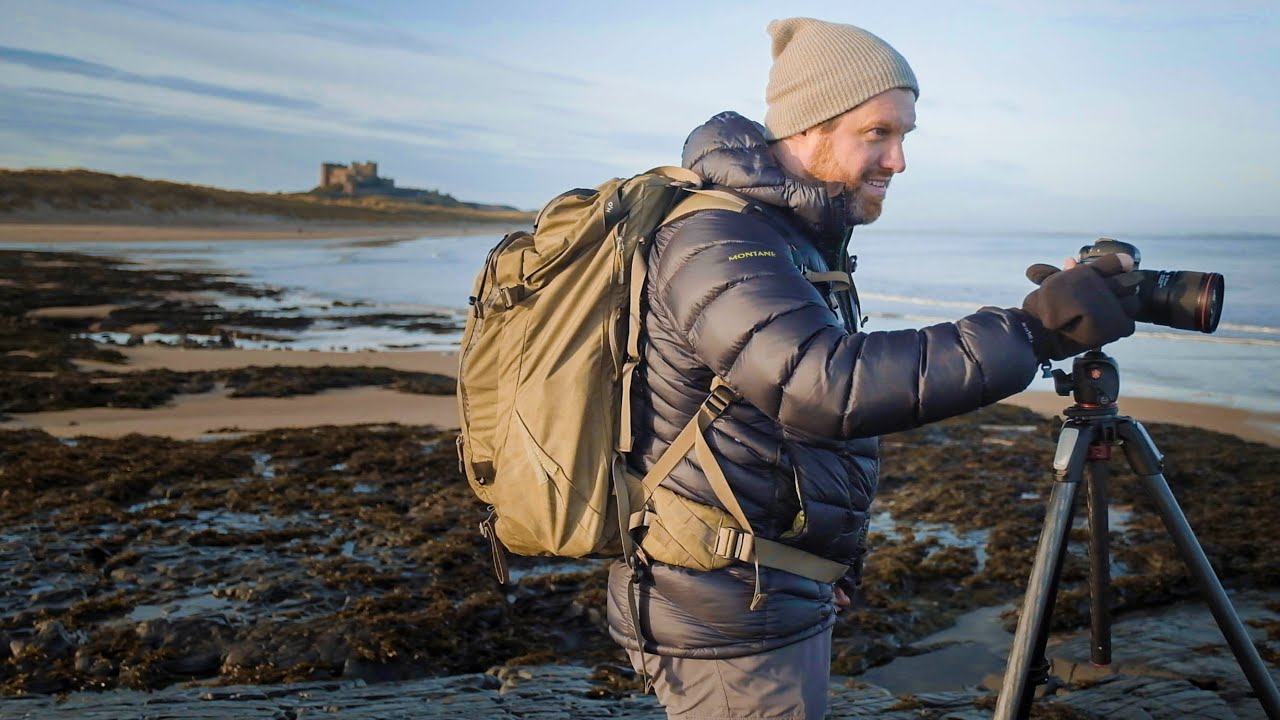
There’s a particular kind of frustration that comes from being somewhere breathtaking and walking away with nothing. I’ve felt it more times than I’d like to admit. You drive hours, haul your gear in before first light, and the place just doesn’t give you an image. Not because the light failed or the weather turned, but because you went in looking for a photograph instead of looking for a subject. That distinction sounds small.
What 25 Miles Taught Me About Seeing the Landscape (Not Just Photographing It)

What 25 Miles Taught Me About Seeing the Landscape (Not Just Photographing It)

There’s a particular kind of creative rut that doesn’t feel like a rut at first. You’re still going out. You’re still shooting. But somewhere between the trailhead and the composition, you realize you’re just collecting frames rather than making photographs. I’ve been there more times than I’d like to admit, usually in late autumn when the light is flat and my motivation has started to match it. What snaps me out of it isn’t a new piece of gear or a different location.

Things Photographers Are Tired of Hearing (And What They Reveal About How People See Our Work)

Things Photographers Are Tired of Hearing (And What They Reveal About How People See Our Work)

There’s a particular kind of fatigue that sets in after you’ve been doing this long enough. It’s not the 4am alarms or the cold water over your boots or the six-hour drives into weather that has no intention of cooperating. It’s the comments. The well-meaning, head-scratching, occasionally maddening things people say when they look at your photographs. After twenty years of sharing work, teaching workshops, and selling prints, I’ve heard most of them more times than I can count.

Why the Best Reason to Go Shooting Has Nothing to Do With the Shot

Why the Best Reason to Go Shooting Has Nothing to Do With the Shot

There’s a particular kind of photographer paralysis I’ve watched set in over twenty years of doing this work. Life gets loud, the to-do list multiplies, and the camera bag sits by the door collecting a thin layer of dust. You tell yourself you’ll go out when conditions are perfect, when you have a full day free, when you feel ready. I’ve been there more than I’d like to admit. What pulls me back, every single time, is remembering that the act of going out is the point, not the portfolio addition waiting at the other end of it.

When the Slump Hits Hard: What Thomas Heaton's Spontaneous Scotland Trip Taught Me About Getting Unstuck

When the Slump Hits Hard: What Thomas Heaton's Spontaneous Scotland Trip Taught Me About Getting Unstuck

There’s a specific kind of paralysis that hits experienced photographers harder than beginners. Beginners don’t know what they’re missing. Veterans do. They’ve had the great light, the perfect snow, the frame that stopped them cold — and when those moments aren’t coming, sitting at home feels worse than doing nothing. I’ve been there more times than I’d like to admit. The gear is clean, the batteries are charged, and I still can’t make myself drive to the trailhead.

Why Landscape Photography Is Cheaper Than Therapy (And Harder Than It Looks)

Why Landscape Photography Is Cheaper Than Therapy (And Harder Than It Looks)

There’s a question I get at every workshop I teach, usually from someone who’s been shooting for about a year and is starting to wonder if they’re doing something wrong. It comes in different forms, but it always means the same thing: Is this sustainable? Can anyone actually build a life around this? I’ve been doing it for twenty years out of Bend, Oregon, and I still find the question worth sitting with.

When the Shot Doesn't Show Up: How to Photograph Meaningfully Under Pressure

When the Shot Doesn't Show Up: How to Photograph Meaningfully Under Pressure

There is a particular kind of pressure that comes when you are making a photograph for someone specific. Not for your portfolio, not for Instagram, not to satisfy your own restless eye. For a person you love, who knows your work well enough to notice if you phoned it in. I have felt that pressure more times than I can count over twenty years of doing this professionally, and it never really gets easier.

The Essentials That Actually Keep You Growing as a Landscape Photographer

The Essentials That Actually Keep You Growing as a Landscape Photographer

There’s a particular kind of fatigue that sets in after years of shooting. Not the good kind, the pre-dawn alarm kind, the standing-in-a-frozen-river kind. The bad kind, where you stop asking why you’re doing this and just go through the motions. You show up, you shoot, you process, you post. Somewhere in there the wonder quietly slips out the back door. When that starts happening to me, I go looking for a reset, something that pulls me back to the fundamentals before the technical noise swallows everything whole.

The One Thing Missing From Your Landscape Photography (And It's Not What You Think)

The One Thing Missing From Your Landscape Photography (And It's Not What You Think)

There’s a particular kind of stillness that settles in when you haven’t picked up your camera in weeks. Not the good kind, the meditative pre-dawn quiet I’ve chased across central Oregon for two decades. The other kind. The kind where the bag sits in the corner and you walk past it without feeling much of anything. I’ve been there more times than I’d like to admit, and I’ve watched students hit that same wall in my workshops, often blaming their gear or their location or the weather.

The Mistakes That Remind You You're Still Learning (And How to Fix Them)

The Mistakes That Remind You You're Still Learning (And How to Fix Them)

Some shoots just fall apart. You drive out with high expectations, the light is decent, the location is solid, and somehow you come home with nothing you’d show anyone. It happens to every photographer, including the pros making tutorials on YouTube. What separates a useful creative slump from a wasted one is whether you take the time afterward to understand what actually went wrong. That’s exactly what drew me to this First Man Photography tutorial on common landscape photography mistakes.

What Happens If Something Goes Wrong Out There? Managing Fear and Risk in Solo Landscape Photography

What Happens If Something Goes Wrong Out There? Managing Fear and Risk in Solo Landscape Photography

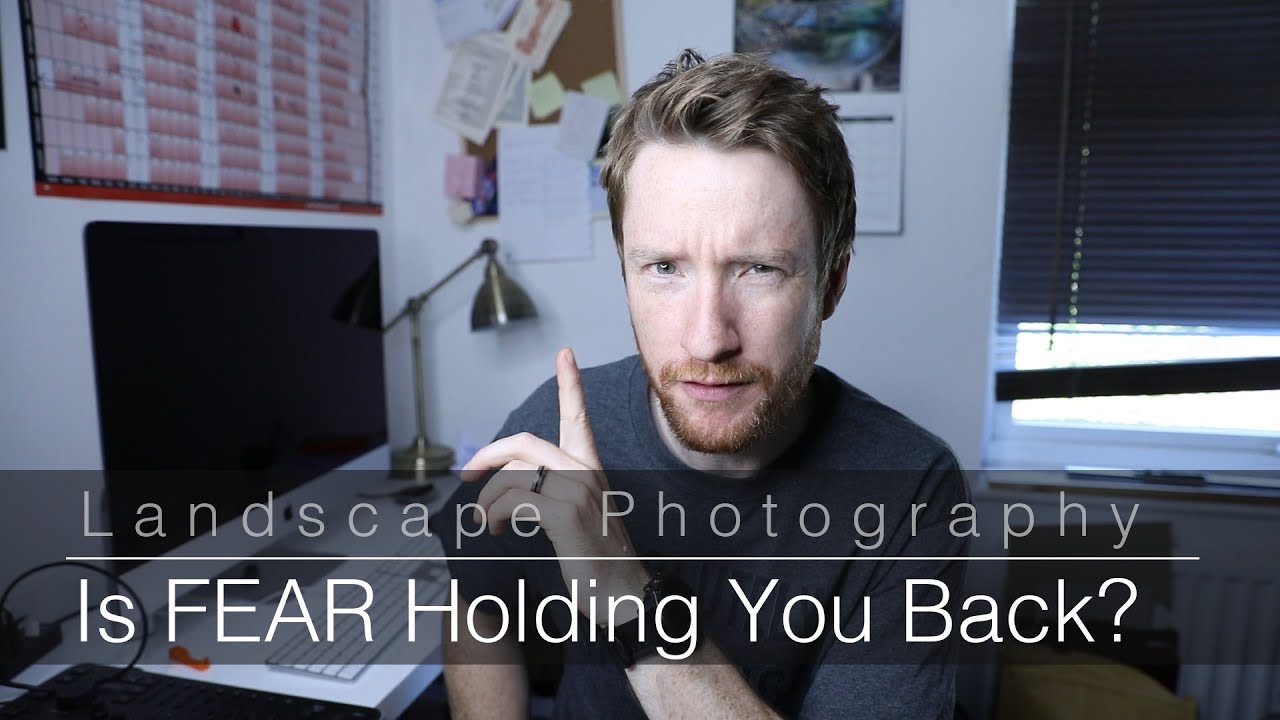
There’s a particular kind of dread that settles in around mile four of a solo hike, when the trail has thinned out and your phone shows no signal bars. I’ve felt it dozens of times over twenty years of working as a landscape photographer, usually right as the light is getting interesting and my brain decides to run through every worst-case scenario it can invent. What if I twist an ankle here?

How Verity Milligan Taught Me to Stop Hunting for the Shot

How Verity Milligan Taught Me to Stop Hunting for the Shot

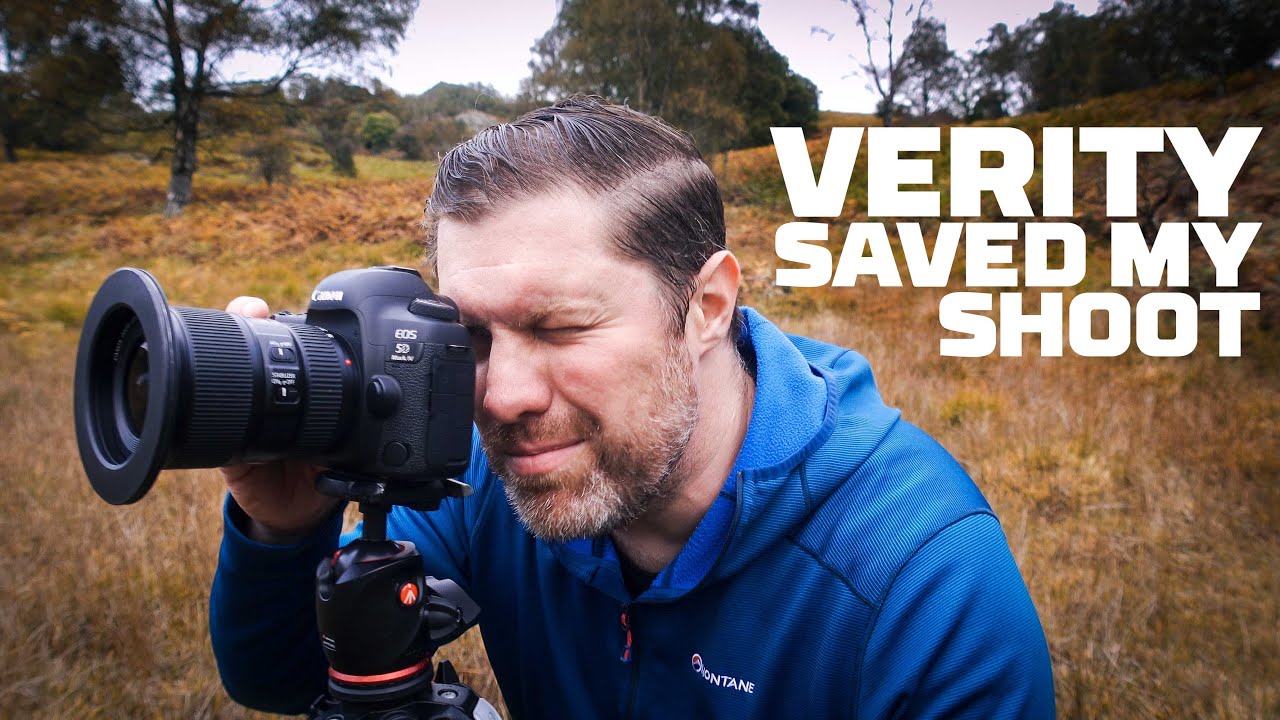
There’s a version of landscape photography I practiced for years that looked something like this: arrive at a location, immediately start scanning for a composition, feel vaguely frustrated when nothing obvious announced itself, shoot anyway, drive home disappointed. I was treating the landscape like a puzzle to be solved on a deadline. The mountain, as my old mentor used to say, does not care about your schedule. What I’ve come to understand after two decades of doing this work, mostly through hard-won mornings standing in the dark waiting for light that may or may not arrive, is that the photographers whose images actually stop people are rarely the ones running the most disciplined systems.